Personalized Baby Books: Experts Weigh In on Benefits and Best Practices
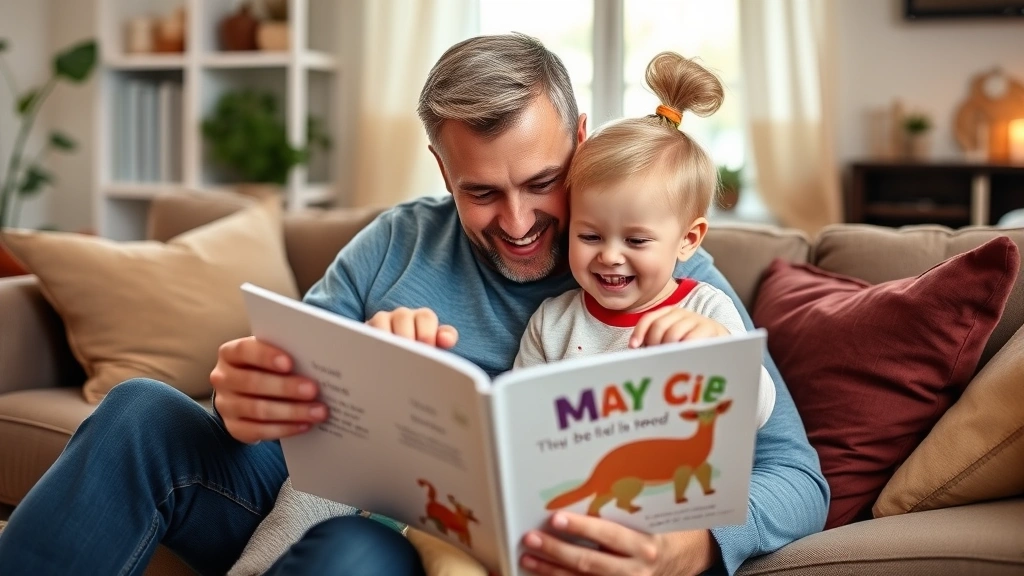
Personalized baby books have become increasingly popular among parents seeking meaningful ways to connect with their children and create lasting memories. These custom-made stories, which feature your child’s name, likeness, and personal details woven throughout the narrative, offer a unique blend of entertainment and emotional significance. But what do child development experts actually say about their value? We’ve consulted research and professional insights to give you a comprehensive look at personalized baby books and whether they deserve a spot on your nursery shelf.
As parents, we’re constantly searching for products that not only entertain our children but also support their development and create cherished family moments. Personalized baby books promise all of this—and more. From early literacy support to building self-esteem, these customized stories are marketed as developmental tools. But separating marketing claims from genuine benefits requires understanding what experts really recommend.
Table of Contents
- What Are Personalized Baby Books?
- The Real Benefits for Child Development
- What Experts Say About Personalized Baby Books
- Impact on Early Literacy Skills
- How to Choose Quality Personalized Books
- Alternatives and Complementary Strategies
- FAQ
What Are Personalized Baby Books?
Personalized baby books are custom-created stories that incorporate your child’s name, physical characteristics, and sometimes details about their family, pets, or hometown. Unlike standard children’s books, these publications transform your little one from a passive reader or listener into the actual protagonist of the story. Companies offering these services typically provide templates where parents input information, and the book is then printed with their child’s details integrated throughout the narrative and illustrations.
The concept isn’t entirely new—custom books have existed for decades—but modern technology has made them more affordable and accessible than ever. Today’s personalized baby books range from simple name insertions to elaborate stories featuring complex family dynamics and specific life events. Some include professional illustrations, while others use digital artwork. Quality varies significantly, which is why understanding what makes a good personalized book matters for parents considering this investment.
These books typically fall into several categories: adventure stories, educational narratives about letters and numbers, bedtime stories, and milestone-based books celebrating specific achievements. Many parents purchase personalized baby books as unique baby shower gifts or first-birthday keepsakes, making them both sentimental and practical.
The Real Benefits for Child Development
Child development experts recognize several legitimate benefits when personalized baby books are used appropriately as part of a broader literacy and bonding strategy.
Enhanced Engagement and Attention
When children hear their own names in stories, their attention naturally increases. Neurologically, our brains are wired to respond to our names—it’s called the cocktail party effect. Personalized baby books leverage this innate response, potentially keeping young listeners more engaged during reading sessions. This increased attention can translate to longer reading times and better comprehension of story elements.
Building Self-Esteem and Identity
Seeing themselves as the hero of a story contributes positively to a child’s developing sense of self-worth and identity. When children consistently appear as capable, kind, and important characters in narratives, it reinforces positive self-perception. This is particularly valuable during the early years when children are forming foundational beliefs about themselves.
Creating Emotional Connections
The personalized nature of these books creates unique emotional bonds between parent and child. Reading a book specifically created for your child feels special and communicates that they are valued and important. This emotional resonance can make reading time more meaningful and memorable.
Supporting Language Development
While personalization itself doesn’t enhance language learning more than regular books, the increased engagement can result in more reading time overall. The American Academy of Pediatrics emphasizes that consistent reading exposure—regardless of book type—significantly impacts vocabulary development and language skills.
What Experts Say About Personalized Baby Books
Pediatricians and child development specialists generally view personalized baby books as a positive addition to a child’s reading environment, with important caveats. The consensus isn’t that these books are superior to traditional children’s literature, but rather that they serve a complementary role in early childhood development.
The Pediatric Perspective
The American Academy of Pediatrics recommends daily reading from infancy onward, emphasizing that the quality of interaction between parent and child matters more than the specific book being read. Personalized books can facilitate these valuable interactions, but they shouldn’t replace classic, well-written children’s literature that has stood the test of time.
Child Psychologists on Identity Development
Child psychologists recognize the value of representation in stories. Children benefit from seeing themselves reflected in narratives. However, experts like those at the American Psychological Association note that this doesn’t require personalization—diverse, inclusive children’s literature achieves similar benefits while offering exposure to different perspectives and experiences.
Literacy Specialists’ Recommendations
Reading specialists suggest that personalized books work best as supplementary materials rather than primary reading tools. A balanced approach incorporating personalized books alongside picture books, board books, and classic stories provides children with varied narratives, illustrations styles, and literary experiences. This diversity supports more comprehensive language and cognitive development.
Impact on Early Literacy Skills
Understanding how personalized baby books specifically affect literacy development helps parents make informed decisions about their value.
Phonemic Awareness and Letter Recognition
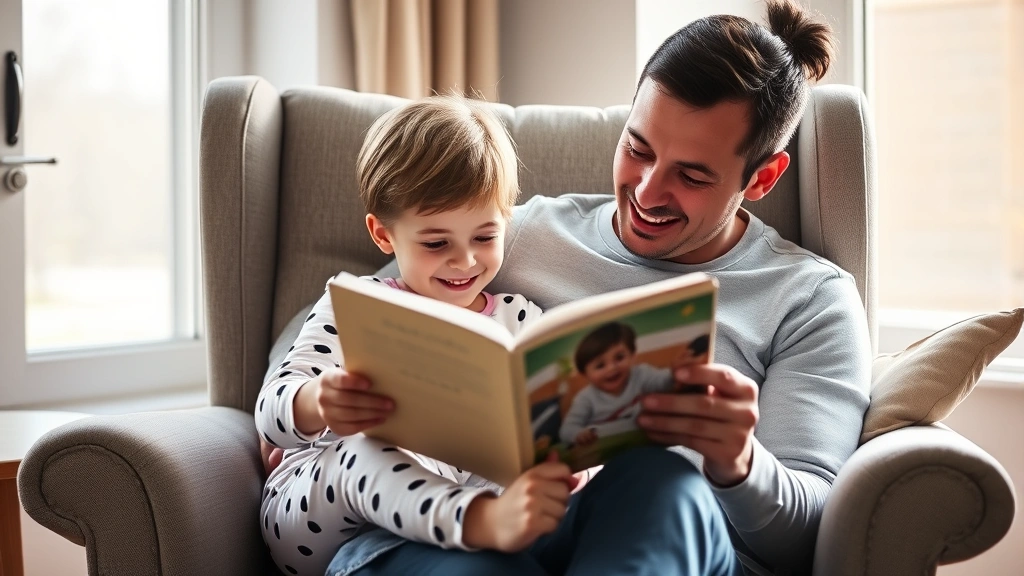
Many personalized books include the child’s name repeatedly throughout the text. This repetition can support letter recognition and phonemic awareness—the ability to identify individual sounds in words. Children naturally begin recognizing their own name in print before other words, making personalized books a practical tool for this foundational literacy skill.
Vocabulary Expansion
The narrative quality of personalized books matters for vocabulary development. If the story uses rich, varied language and introduces new concepts, children benefit just as they would from any well-written book. However, some personalized books prioritize cuteness and personalization over linguistic quality, potentially limiting vocabulary exposure.
Print Awareness and Motivation to Read
When children see themselves in books, they’re more motivated to engage with reading materials. This increased motivation can lead to more independent reading attempts and greater interest in exploring books generally. Print awareness—understanding that written words carry meaning—develops through repeated, positive reading experiences, which personalized books can facilitate.
Story Comprehension
Research on narrative comprehension suggests that personal relevance enhances understanding and memory. Children who are emotionally invested in a story (because they’re the protagonist) may better retain story elements and develop stronger comprehension skills than when listening to less personally relevant narratives.
How to Choose Quality Personalized Books
Not all personalized baby books are created equal. Here’s how to evaluate options:
Story Quality Over Personalization
Prioritize books with genuine narrative substance. The story should be engaging and age-appropriate, with the personalization enhancing rather than overshadowing the plot. Avoid books where personalization feels forced or where the narrative takes a backseat to inserting the child’s name repeatedly.
Illustration Quality
Examine the artwork carefully. Quality illustrations support comprehension and engagement, particularly for pre-reading children. Professional, cohesive artwork indicates a publisher that invests in quality production. Poor illustrations can distract from the story rather than enhance it.
Age Appropriateness
Ensure the book matches your child’s developmental stage. Personalized books for infants should have different characteristics than those for toddlers or preschoolers. Consider attention span, vocabulary level, and thematic content when selecting.
Customization Options
Look for publishers offering meaningful customization—including family members’ names, describing physical characteristics accurately, and incorporating details that make the book truly personal. Generic personalization (just inserting a name) offers less value than thoughtful, detailed customization.
Durability and Format
Consider whether you want board books (more durable for babies), hardcover (better for keepsakes), or softcover options. If this is a gift or heirloom, durability matters. Check reviews about paper quality and binding strength.
Alternatives and Complementary Strategies
While personalized baby books have merit, consider these complementary approaches to supporting early literacy and development:
Classic Picture Books
Timeless children’s literature like Goodnight Moon, Where the Wild Things Are, and The Very Hungry Caterpillar have endured because of their exceptional writing and illustration. These books offer literary quality that supports language development while providing cultural touchstones your child will recognize throughout their life.
Diverse and Inclusive Literature
Rather than personalizing books, seek out diverse children’s literature that reflects various cultures, family structures, abilities, and experiences. This approach provides the benefits of representation while exposing children to different perspectives. Organizations like We Need Diverse Books provide excellent recommendations.
Interactive Reading Sessions
The quality of interaction during reading matters more than the book itself. Ask questions, use different voices for characters, and engage your child in discussion. This interactive approach works with any book and significantly impacts literacy development. Our comprehensive parenting advice guide includes strategies for maximizing reading benefits.
DIY Story Creation
Creating your own stories about your child can be equally engaging and meaningful. You can incorporate family details, inside jokes, and personal experiences that no published book could capture. This activity also models creative thinking and storytelling for your child.
Library Exploration
Public libraries offer free access to thousands of children’s books. Visiting regularly exposes your child to variety and helps them discover their preferences. Many libraries also host story times and reading programs that support early literacy.
Personalized Baby Books as Gifts
If you’re considering personalized baby books as gifts, they work particularly well in certain situations. As baby shower gifts, they’re thoughtful and memorable. For milestone celebrations like first birthdays or adoption day anniversaries, personalized books create meaningful keepsakes.
When gifting, consider the parents’ preferences and the child’s age. A personalized book for a newborn might be premature if parents haven’t selected names yet. For older babies and toddlers, these gifts are more practical and immediately useful. Pairing a personalized book with items from your baby registry checklist creates a thoughtful, well-rounded gift.
Remember that personalized books work best when they complement rather than replace traditional children’s literature. A gift that includes both a personalized book and several classic picture books demonstrates understanding of child development while providing immediate reading variety.
Practical Tips for Using Personalized Baby Books
To maximize the benefits of personalized baby books:
- Read regularly: Like any book, personalized stories only benefit children when read frequently. Aim for daily reading sessions.
- Make it interactive: Ask questions about the story, point out your child’s name, and discuss what’s happening on each page.
- Celebrate the personalization: Explicitly acknowledge that this is your child’s special book, highlighting how they’re the hero of the story.
- Rotate with other books: Don’t rely exclusively on personalized books. Maintain a diverse reading diet.
- Store carefully: If these books are keepsakes, store them properly to preserve them for years to come.
- Encourage independence: As children grow, let them “read” the personalized book to you, supporting emerging literacy skills.
Frequently Asked Questions
At what age should I introduce personalized baby books?
Personalized books work best for children six months and older. Younger babies lack the visual acuity and attention span to benefit from them. Toddlers and preschoolers (ages 1-5) get maximum value from personalized books as they understand the connection between the text and themselves.
Are personalized baby books better than regular books for language development?
Not inherently. The increased engagement can lead to more reading time, which supports language development. However, a well-written classic picture book provides equivalent linguistic benefits. Quality of writing matters more than personalization.
How much should I expect to spend on personalized baby books?
Prices range from $15-$50 depending on customization level, illustration quality, and binding. Some premium options with extensive personalization cost more. Consider this a special purchase rather than your primary book investment.
Can personalized books replace traditional children’s literature?
No. Experts recommend personalized books as complementary to, not replacement for, traditional children’s literature. A balanced reading diet includes diverse stories, illustrations, and authors.
What makes a personalized baby book a good keepsake?
Quality binding, durable pages, professional illustrations, and meaningful personalization create lasting keepsakes. Choose hardcover or premium board book options if preservation is important. The story should also be timeless enough that your child will enjoy it years later.
Do personalized baby books support self-esteem development?
Yes, research supports the connection between representation in stories and positive self-esteem. Seeing themselves as capable, brave, or kind characters reinforces positive self-perception. However, this benefit comes from any representation—not exclusively from personalization.
Are there personalized books available for children with diverse needs?
Yes, some publishers offer personalized books featuring children with disabilities, different family structures, and diverse backgrounds. Research publishers carefully to find options that authentically represent your family.
How do I choose between personalized books and other baby gifts?
Consider the parents’ values and the child’s current needs. If the family prioritizes reading and literacy, personalized books are excellent. For practical needs, consult the baby registry checklist. Combining personalized books with practical items creates well-rounded gifts.
Final Thoughts on Personalized Baby Books
Personalized baby books occupy a valuable but specific niche in early childhood development. Experts agree they’re beneficial when used as part of a comprehensive literacy approach that includes diverse, high-quality children’s literature. The personalization creates emotional engagement and meaning that can enhance reading experiences and support early literacy skills.
However, they’re not magic solutions or superior replacements for classic children’s books. Their value lies in their ability to make reading feel special and personal—to communicate to your child that they are important and worthy of having stories written about them.
When selecting personalized books, prioritize story quality, illustration excellence, and meaningful customization. Use them alongside traditional picture books, diverse literature, and interactive reading sessions. Incorporate them into your broader parenting strategy as one tool among many for supporting your child’s development.
Whether you choose personalized baby books or not, what matters most is consistent, engaged reading with your child. The specific books matter less than the time spent together, the conversations sparked, and the love communicated through shared stories. Personalized books can enhance these moments, but they’re most valuable when they’re part of a rich, diverse reading environment that celebrates your child and supports their growing mind.