Where to Find Quality Preemie Baby Clothes: A Parent’s Complete Guide
Bringing home a premature baby comes with its own set of unique challenges, and finding clothing that actually fits is often higher on the priority list than new parents expect. Standard newborn sizes feel like oversized pajamas on a tiny preemie, and the frustration of searching for clothes small enough—yet durable enough—to withstand frequent changes and washing can feel overwhelming. The good news? There’s a growing market of retailers and specialty shops dedicated to outfitting your little one in comfort and style, even if they arrived ahead of schedule.
When your baby weighs four pounds instead of seven, or measures 16 inches rather than 20, the typical baby clothing aisle becomes virtually useless. This guide will walk you through exactly where to find quality preemie baby clothes, what to look for, and how to build a practical wardrobe that won’t break the bank or gather dust in a drawer.
Specialty Retailers for Preemie Sizes
Several mainstream retailers have recognized the need for premature infant clothing and now stock dedicated preemie sections. Target carries a small but useful selection of preemie sizes under their Cat & Jack brand, making it convenient if you’re already shopping for other baby essentials. Their preemie collection includes bodysuits, sleepers, and mittens at reasonable price points.
Walmart similarly offers preemie options through their George brand, though selection varies by location. The advantage here is accessibility—most people have a Walmart nearby, and you can browse in person to assess quality before purchasing.
Carter’s and OshKosh B’gosh are traditional children’s clothing powerhouses that maintain robust preemie selections both in-store and online. These brands have been outfitting small babies for decades, so they understand the specific needs. Their preemie lines include seasonal options, and they frequently run sales that can significantly reduce costs. If you’re building your baby registry checklist, including Carter’s is a smart move since many gift-givers are familiar with the brand.
Smaller specialty shops like Preemie Store and Tiny Threads exist specifically to serve parents of premature infants. While prices may be higher than big-box retailers, the selection is unmatched. These shops understand preemie parents intimately and often provide helpful sizing guidance and fabric recommendations based on NICU requirements.
Online Shopping Platforms
The digital marketplace has transformed preemie clothing shopping, offering variety that physical stores simply cannot match. Amazon has become a go-to resource, with hundreds of preemie-specific listings from various brands. The key is reading reviews carefully—look for feedback from actual parents of preemies who can speak to fit, durability, and whether items meet NICU guidelines.
Etsy hosts numerous small businesses creating handmade and custom preemie clothing. This platform is particularly useful if you want personalized items or have specific fabric preferences. Many Etsy sellers specialize in NICU-friendly designs with easy access points for medical equipment.
Shein and fast-fashion retailers offer budget options, though quality can be inconsistent. If you’re purchasing temporary items or experimenting with styles before committing to pricier options, these platforms work. Just be aware that sizing may run small or large, and return policies vary.
Specialty medical supply companies like Medline and Vitality Medical stock preemie clothing designed with medical needs in mind. These aren’t necessarily fashion-forward, but they’re functional and often recommended by NICU staff.
Don’t overlook brand websites directly. Gap Kids, H&M Kids, and Zara Kids all offer online preemie sections that may not be visible in physical stores. Ordering directly from brands sometimes includes better return policies and access to customer service representatives who can answer sizing questions.
Budget-Friendly Options
Preemie clothing doesn’t require a luxury price tag. Costco and Sam’s Club periodically stock preemie essentials at competitive prices, particularly during peak baby season. Membership is required, but the savings on bulk purchases can offset the cost.
Facebook groups dedicated to parents of preemies are goldmines for secondhand finds. Many parents purchase more preemie clothes than their babies actually wear and are happy to pass items along. Groups like “Preemie Parents Support” or location-specific “Buy Nothing” groups often have members giving away barely-worn clothing.
Thrift stores like Goodwill and The Salvation Army occasionally have preemie sections, though finding items requires patience and regular browsing. The environmental benefit of buying secondhand is an added bonus.
Consignment shops specializing in children’s clothing offer quality items at 40-60% off retail. These shops are curated, so you’re less likely to find damaged or worn-out pieces compared to general thrift stores.
Consider joining a clothing swap with other parents of preemies. As your baby grows out of preemie sizes into newborn and 0-3 month sizes, you can exchange items with others on similar timelines. This approach essentially gives you access to a rotating wardrobe.
What to Actually Buy for Preemies
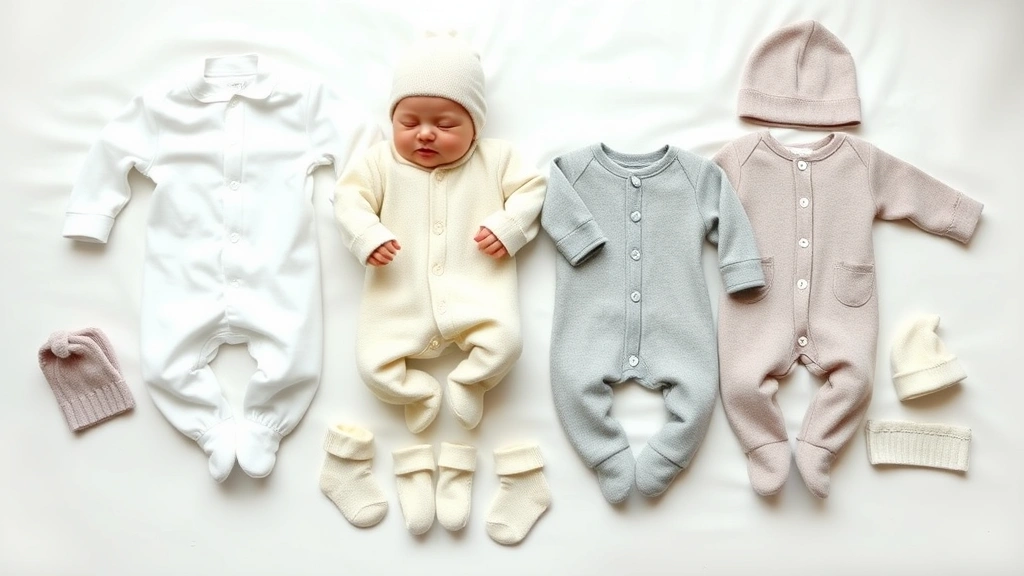
Not all preemie clothing serves equal purpose. Focus on essentials rather than accumulating excessive inventory. You’ll want several bodysuits or onesies in sizes preemie and newborn—aim for at least six to eight to accommodate frequent changes and laundry cycles.
Sleepers or sleep sacks are invaluable since preemies often spend time in incubators or under warming lights where layering matters. Look for options with easy-access features for medical monitoring. Many NICU-approved sleepers have side snaps or front zippers to accommodate chest leads and pulse oximeters.
Mittens and socks prevent your baby from scratching their delicate skin and help maintain body temperature. Preemies struggle with temperature regulation, so these small items matter significantly. baby booties designed for preemies provide extra warmth while staying securely on tiny feet.
A few baby hat options help with temperature control—preemies lose heat rapidly through their heads. Hats also prevent hair from getting caught in medical equipment.
For baby boy clothes and baby girl clothes, focus on practicality over cuteness—though there’s no reason you can’t have both. Avoid anything with loose buttons, ribbons, or embellishments that could become hazards in a medical setting. Front closures are infinitely more practical than pullovers when your baby is connected to monitors.
Swaddles and blankets designed for preemies provide comfort and security. Medical-grade swaddles designed to work with monitoring equipment are preferable to standard versions.
Fabric and Material Considerations
Preemie skin is exceptionally delicate, making fabric choice more important than for full-term babies. 100% cotton is the gold standard—it’s breathable, gentle, and easy to wash frequently without degrading. Avoid anything with synthetic blends if possible, particularly polyester-heavy combinations that trap moisture and heat.
Organic cotton costs more but eliminates pesticide exposure and often feels softer. For a preemie spending weeks or months in medical settings, the investment in premium fabrics can feel worthwhile to parents.
Check whether clothing is pre-shrunk. Preemie items are washed frequently, and fabrics that shrink unpredictably become unwearable quickly. Look for labels indicating pre-shrinking or purchase from brands known for consistent sizing after washing.
Avoid heavily dyed items if possible. Lighter colors and natural fibers are gentler on sensitive skin. Additionally, lighter colors make it easier to spot any skin irritation or diaper leaks.
Seams deserve attention—flat seams are preferable to raised seams that can irritate delicate skin. Run your fingers along seams before purchasing to ensure they’re smooth and well-finished.
Hospital Stay Essentials
If your baby is spending time in the NICU, check with medical staff about specific clothing requirements. Some hospitals have strict guidelines about what babies can wear due to monitoring equipment and infection control protocols. Many NICUs prefer babies in no clothing initially, then gradually introduce items as the baby stabilizes.
Bring several preemie outfit options to the hospital, but don’t be surprised if your baby can’t wear them immediately. Staff will advise when clothing is appropriate and what styles work with medical equipment.
Bring duplicates of items you want washed and returned. Hospitals typically launder baby clothing, but having backups ensures your baby isn’t without essentials while items cycle through the wash.
Ask about any specific brand recommendations from NICU nurses. These professionals work with preemie clothing daily and often have strong opinions about which brands and styles function best with monitors, IVs, and other medical apparatus.
Consider bringing one special outfit for photos and milestone moments. NICU stays are emotional, and capturing your tiny baby in something meaningful can provide comfort during a stressful time.
Secondhand and Hand-Me-Down Resources
Preemie clothes have an incredibly short usage window—most babies wear them for weeks or a few months before transitioning to newborn sizes. This makes secondhand shopping particularly practical and economical.
Local parenting groups on Facebook often have dedicated sections for buying, selling, and trading preemie clothing. The advantage of local groups is that you can inspect items in person and potentially arrange free local pickup.
Poshmark and Mercari are mobile apps dedicated to secondhand clothing sales. Preemie sections are smaller than general children’s clothing, but prices are typically 50-70% below retail. Seller ratings and item photos help ensure quality.
Ask friends and family members who’ve had preemies if they retained their preemie wardrobes. Many parents hold onto items hoping to use them again or assuming they’ll donate them eventually. A simple question might yield boxes of free clothing.
Hospital gift shops sometimes sell gently used preemie items donated by grateful parents. Staff can direct you to these resources, and proceeds often support NICU programs.
Check with local nonprofit organizations serving families with premature infants. Some provide clothing banks or can connect you with other parents willing to share items.
Frequently Asked Questions
What size should I buy for my preemie?
Preemie clothing typically fits babies weighing 3-5 pounds and measuring 15-17 inches. However, sizing varies by brand, so checking weight and length specifications is crucial. If your baby falls outside typical preemie ranges, you might need newborn or even preemie-plus sizes. When in doubt, measure your baby and compare against brand-specific sizing charts rather than relying on age.
How many preemie clothes do I actually need?
Most experts recommend having 5-8 bodysuits, 3-5 sleepers, several pairs of socks and mittens, and 2-3 hats. The actual number depends on how frequently you’re doing laundry and how long your baby will wear preemie sizes. Many parents find they purchase more than necessary, so starting conservatively and buying additional items if needed is wise.
Are preemie clothes more expensive than newborn clothes?
Preemie clothing from specialty retailers is often pricier than standard newborn sizes due to lower production volumes and specialized design. However, mainstream retailers like Target and Walmart price preemie items comparably to newborn clothing. Shopping sales, buying secondhand, and borrowing from other parents can significantly reduce costs.
Can my preemie wear newborn clothes?
Most preemies cannot comfortably wear newborn-sized clothing initially—items are too large and can bunch around medical equipment. However, as your baby grows, you’ll transition into newborn sizes relatively quickly. Having a few newborn items on hand for when your baby outgrows preemie sizes is practical.
What should I avoid when buying preemie clothes?
Avoid anything with loose buttons, ribbons, drawstrings, or embellishments that could become hazards. Skip heavily dyed items and synthetic blends. Avoid pullovers or clothing requiring significant maneuvering to put on and take off—your baby will need frequent outfit changes. Stay away from items with raised seams or rough textures that irritate sensitive skin.
Are organic preemie clothes worth the extra cost?
If budget allows, organic cotton is gentler on delicate skin and eliminates pesticide exposure. However, regular cotton preemie clothing from reputable brands is perfectly adequate. The most important factors are softness, durability, and ease of care rather than organic certification.
Where can I find NICU-approved preemie clothes?
Ask your NICU staff for brand recommendations and specific design features they prefer. Many hospitals have relationships with particular retailers or can provide guidance about what works best with monitoring equipment. Specialty preemie retailers often have NICU-approved collections clearly labeled on their websites.
How do I know if preemie clothes will fit my baby?
Check your baby’s current weight and length, then compare against brand sizing charts. Most quality retailers provide specific measurements and weight ranges for preemie sizes. Reading customer reviews from other parents of preemies can provide real-world insights about whether items run large or small.