Preemie Baby Clothes: Complete Shopping Guide
Bringing home a premature baby comes with its own set of unique challenges, and figuring out what to dress them in shouldn’t be one of them. Preemie baby clothes aren’t just smaller versions of newborn outfits—they’re specially designed to fit tiny bodies while accommodating medical equipment, frequent diaper changes, and the reality that your little one may spend weeks in the NICU before coming home.
Whether you’re preparing for an expected early arrival or navigating an unexpected situation, understanding what preemie clothing actually means and how to shop for it can save you frustration, money, and those moments of standing in front of an overflowing dresser wondering why nothing fits your 4-pound baby.
This guide walks you through everything you need to know about dressing your preemie—from sizing and fabric considerations to practical features that actually matter in those early weeks.
Understanding Preemie Sizing and Measurements
Preemie sizing doesn’t follow standard newborn dimensions, and this is where many parents stumble. A typical newborn outfit is designed for babies weighing 7-8 pounds and measuring around 20 inches long. Preemies, however, can range anywhere from 2 to 6 pounds depending on how early they arrive.
Most preemie clothing falls into these categories:
- Micro Preemie (0-2 lbs): For babies born before 28 weeks. These are the tiniest sizes and often only available through specialized retailers.
- Preemie (2-5 lbs): The most common preemie size, fitting babies born between 28-36 weeks.
- Preemie Tall (5-7 lbs but longer): For babies who are heavier but not as chubby, or those who need length accommodation.
- Newborn (7-10 lbs): Standard newborn sizing that many preemies will eventually grow into.
The key difference isn’t just weight—it’s proportions. Preemie clothes have shorter inseams, narrower chest widths, and smaller armholes. Buying regular newborn sizes “to grow into” often means your preemie will be swimming in fabric for months, which creates practical problems beyond the aesthetic issue.
Before shopping, check your hospital’s records or ask your pediatrician for your baby’s current measurements. Most NICU staff can provide length, chest circumference, and current weight, giving you a concrete starting point rather than guessing.
Essential Preemie Clothing Basics
When building a preemie wardrobe, focus on versatile pieces that serve multiple purposes. You won’t need as much as you’d think—preemies spend significant time in hospital gowns, and laundry happens frequently in those early weeks.
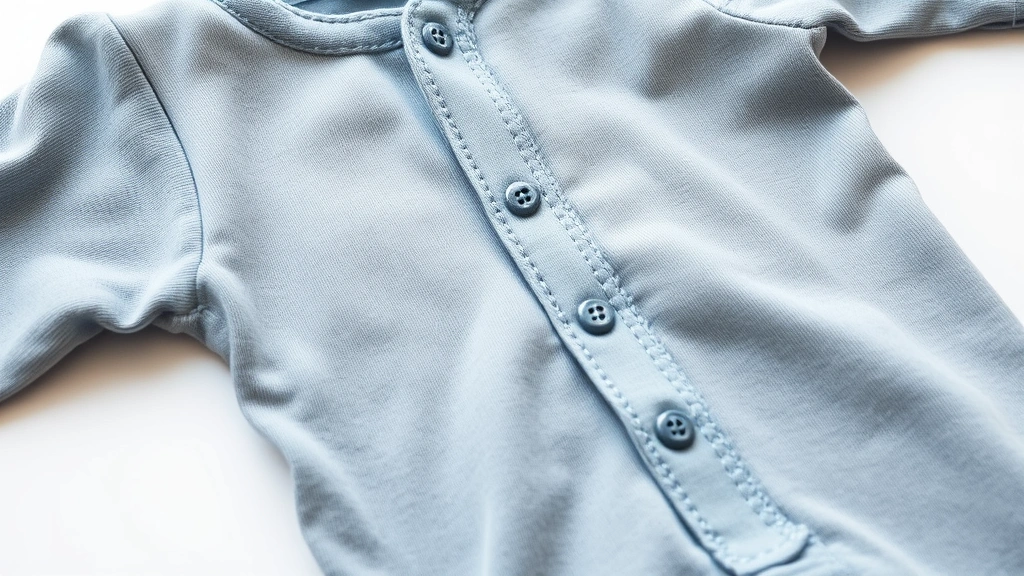
Onesies and Bodysuits: These are your foundation pieces. Look for snap or button closures rather than pullovers, which are easier to manage during diaper changes and when medical monitors are attached. Aim for 5-7 in various weights depending on your climate.
Sleepers and Footies: Sleepers with built-in feet eliminate the need for separate socks (which preemies constantly lose). Two-way zippers are a game-changer for nighttime diaper changes without fully undressing your baby. Stock 4-6 of these.
Pants and Leggings: Keep these minimal—3-4 pairs maximum. Preemies don’t need pants for warmth if properly layered, and many parents find them unnecessary until babies are home and more active.
Cardigans and Lightweight Layers: These are more practical than heavy jackets for temperature regulation. A preemie can overheat easily, and cardigans allow quick adjustments. Have 2-3 available.
When considering baby boy clothes or baby girl clothes in preemie sizes, prioritize function over fashion. Your preemie won’t remember whether their first outfit was designer or discount-store brand, but you’ll remember whether it had snaps or made diaper changes a wrestling match.
Fabric and Material Considerations
Preemie skin is significantly more delicate than term newborn skin. The outermost protective layer isn’t fully developed, making fabric choice genuinely important rather than merely preferential.
Cotton: 100% cotton is your safest bet. It’s breathable, soft, and gentle on sensitive skin. Look for cotton that’s been pre-shrunk to prevent sizing issues after washing. Organic cotton is nice but not essential—regular cotton works perfectly fine.
Cotton Blends: Blends with polyester or other synthetics are acceptable, but check the percentage. Aim for at least 80% cotton if choosing a blend. Higher synthetic content can trap heat and moisture, which preemies don’t regulate well.
Avoid These Materials: Avoid polyester-heavy fabrics, wool, and anything with rough seams or decorative elements that could irritate skin. Avoid fabrics requiring special washing instructions—your life is complicated enough without hand-washing baby clothes.
Pay attention to seam placement. Preemie clothes should have flat seams, particularly at the neck, armholes, and inseams where they contact sensitive skin most directly. Rough or raised seams can cause irritation within hours.
Regarding thread count and weight, preemies need breathable fabric. Higher thread count sounds luxurious, but it reduces breathability—important when your baby can’t regulate temperature effectively. Medium-weight cotton is ideal.
Medical Equipment-Friendly Features
If your preemie is spending time in the NICU or coming home with monitoring equipment, certain clothing features become non-negotiable. Medical accessibility isn’t a luxury—it’s practical necessity.
Front Closures: Snaps and buttons are infinitely superior to pullovers. Your baby will be in and out of clothing multiple times daily for vital sign checks, medication administration, and equipment placement. Front closures make this manageable; pullovers make it frustrating for you and stressful for your baby.
Side Snaps and Open Sides: Some preemie-specific clothing features side snaps allowing you to access your baby’s torso without removing the entire garment. This is particularly helpful when your baby is connected to monitors or has IV lines.
Diaper Access: Look for pieces with snap or button access at the diaper area rather than requiring full outfit removal during changes. This becomes especially important in the NICU where every diaper change involves careful equipment management.
Sleeve Design: Avoid tight cuffs that restrict arm movement or make IV placement difficult. Look for softer, more flexible sleeve openings. Similarly, avoid anything with elastic that might leave marks on tiny limbs.
Gown Style Options: Some preemie clothing comes in gown-style designs that open completely down the front and sides. These are excellent for NICU stays when maximum accessibility matters most.
When your baby transitions home, these medical considerations become less critical, but they remain helpful for pediatrician visits and any ongoing medical monitoring. It’s worth having at least a few medically-friendly pieces even after hospital discharge.
Seasonal and Climate Adaptations
Preemies arriving in winter face different wardrobe needs than summer arrivals, but the approach remains the same: layering rather than heavy single garments.
Winter Preemies: Stock thermal-weight onesies, long-sleeved bodysuits, and warm sleepers. A baby snowsuit might seem logical, but preemies rarely need full snowsuits—they’re typically indoors during early months anyway. Instead, focus on warm layers and blankets. One or two cardigan-weight pieces for easy temperature adjustment suffice.
Summer Preemies: Short-sleeved onesies, lightweight sleepers, and minimal layering are the focus. Even in summer, have one lightweight long-sleeved option for air-conditioned environments. Preemies don’t regulate temperature well, and aggressive air conditioning can cool them quickly.
Spring and Fall Preemies: These seasons offer flexibility. Stock both short and long-sleeved options, then layer based on daily conditions. A lightweight cardigan becomes invaluable.
Temperature Regulation Reality: Preemies can’t shiver to generate heat or sweat to cool down effectively. This means your environment and clothing choices directly impact their comfort and health. Keep your home at 72-75°F, and dress your preemie accordingly rather than assuming they need heavy clothing. Most NICU staff will emphasize that preemies overheat more easily than they get cold.
When planning your preemie wardrobe, consider your home’s climate control, not just outdoor weather. A preemie born in January in Minnesota needs different clothing than one born in January in Arizona, not because of season but because of where they’ll spend most time (indoors, temperature-controlled).
Budget-Friendly Shopping Strategies
Preemie clothing shopping can feel expensive, but strategic approaches significantly reduce costs without sacrificing quality.
Start Small: Many parents overbuy preemie clothes, then watch their baby outgrow them in weeks. Start with 7-10 pieces total and purchase more if needed rather than investing heavily upfront. This approach saves money and prevents waste.
Mix Price Points: You don’t need all designer pieces. Mix higher-quality basics (onesies, sleepers) with budget-friendly options (cardigans, pants). Your baby will spend most time in basics anyway.
Buy Used When Possible: Preemie clothes are worn for such short periods that used pieces are often barely worn. Check consignment shops, online marketplaces, and local buy-sell-trade groups. You can often find quality pieces at 50-70% off retail.
Ask for Specific Gifts: If you’re creating a baby registry checklist, include preemie-specific items. Many people want to give gifts but don’t know what preemies actually need. Specific requests prevent you from receiving four newborn-sized outfits you won’t use.
Consider Subscription Boxes: Some services offer preemie clothing subscriptions that send seasonally appropriate pieces as your baby grows. While not budget-cheapest, they reduce decision fatigue and ensure appropriate sizing throughout the preemie phase.
Hospital and Organization Resources: Some hospitals and preemie support organizations have clothing exchanges or lending libraries. Ask your NICU social worker about available resources—you might access free or low-cost pieces.
Where to Buy Quality Preemie Clothes
Not all retailers carry preemie sizes, and knowing where to shop saves frustrating store trips.
Specialty Preemie Retailers: Dedicated preemie clothing companies like Preemie Store, Cuddle Me, and Itty Bitty understand exactly what preemie families need. Yes, prices run higher, but selection and quality are excellent. These are worth checking for basics and specialty items.
Major Retailers with Preemie Lines: Target, Walmart, and Carter’s all carry preemie sizing in-store and online. Selection varies by location and season, but these offer convenience and reasonable prices.
Online Marketplaces: Amazon carries numerous preemie options, though quality varies. Read reviews carefully and check return policies. Etsy has independent sellers specializing in preemie clothing with custom options.
Department Stores: Nordstrom, Macy’s, and similar stores carry preemie sections, typically with higher-end options. Not necessary but available if you prefer specific brands.
Consignment and Resale: Thredup, Poshmark, and local consignment shops often have preemie pieces at significant discounts. Baby shower gift ideas sometimes include gently used pieces from resale sources.
Hospital Gift Shops: Many NICU hospitals have gift shops with preemie clothing. While convenient during your NICU stay, prices are typically inflated. Save these for emergency purchases only.
Before purchasing anywhere, verify return policies. Preemies grow quickly, and you may need to exchange sizes sooner than expected. Retailers offering easy exchanges without restocking fees are worth favoring.
Frequently Asked Questions
What’s the actual difference between preemie and newborn clothes?
Preemie clothes are proportionally smaller with shorter sleeves, narrower chest widths, and smaller armholes. They’re designed for babies weighing 2-5 pounds, while newborn clothes fit 7-10 pound babies. Buying newborn sizes “to grow into” means your preemie will be uncomfortably loose in clothing for months, creating practical problems with diaper access and monitoring equipment placement.
How many preemie outfits do I actually need?
Start with 7-10 total pieces: 5-7 onesies or bodysuits, 4-6 sleepers, 2-3 cardigans, and minimal pants. Preemies spend significant time in hospital gowns, and you’ll be doing laundry frequently anyway. You can always purchase more if needed rather than investing heavily upfront in sizes your baby may outgrow within weeks.
When should I start buying preemie clothes?
If you know your baby will arrive early, start shopping around 28-32 weeks of pregnancy. If you’re experiencing unexpected early labor, don’t panic—hospitals provide clothing, and you can order online for home arrival. Many preemie-specific retailers offer expedited shipping. You don’t need everything before birth; starting with basics is perfectly fine.
Will my preemie actually need all the specialized medical-friendly features?
If your baby spends time in the NICU, absolutely yes. Front closures and accessible diaper areas become essential when your baby is connected to monitors and has IV lines. Even after hospital discharge, these features remain convenient for pediatrician visits and any ongoing medical care. They’re worth having even if not strictly necessary.
How quickly will my preemie outgrow preemie clothes?
This varies tremendously. A baby born at 28 weeks might wear preemie clothes for 8-10 weeks, while one born at 35 weeks might transition to newborn sizes within 3-4 weeks. Growth rate depends on individual development and feeding progression. This is another reason to start small—you can’t predict exactly how long your baby will wear each size.
Are organic preemie clothes worth the extra cost?
Not necessarily. Standard 100% cotton preemie clothes are gentle enough for sensitive skin. Organic cotton is nice but not essential. Focus your budget on proper sizing and appropriate materials rather than premium labeling. A well-fitting regular cotton piece beats an ill-fitting organic option every time.
What if I buy preemie clothes and my baby doesn’t need them?
Some babies skip preemie sizes entirely, going straight from hospital wear to newborn clothing. This is completely normal for babies born after 36 weeks. Buy used or through consignment when possible, so you’re not investing heavily in sizes you might not need. Many retailers accept returns, so verify policies before purchasing.
Can I use regular newborn clothes if I size down?
Not really. Newborn clothes aren’t just larger preemie clothes—they’re proportionally different. Newborn sleeves are longer, armholes are larger, and overall fit is wrong for preemie proportions. Newborn clothes on a preemie look baggy and create practical problems with medical equipment access and diaper changes. Proper-fitting preemie clothes are worth finding.
What should I avoid when shopping for preemie clothes?
Avoid pullovers (buy front-closing only), anything with rough seams, heavy fabrics that trap heat, tight elastic that leaves marks, and complicated care instructions. Avoid buying too much upfront, and avoid assuming your preemie needs the same amount of clothing as a term newborn. Avoid newborn sizes thinking your baby will grow into them quickly—they’ll be uncomfortable for months.
How do I know what weight to buy for?
Check with your pediatrician or hospital for current measurements. Most NICU staff provide regular weight updates. Size for your baby’s current weight rather than anticipated future weight. You can always purchase larger sizes later as your baby grows. Oversized clothing creates more problems than undersized in the preemie phase.