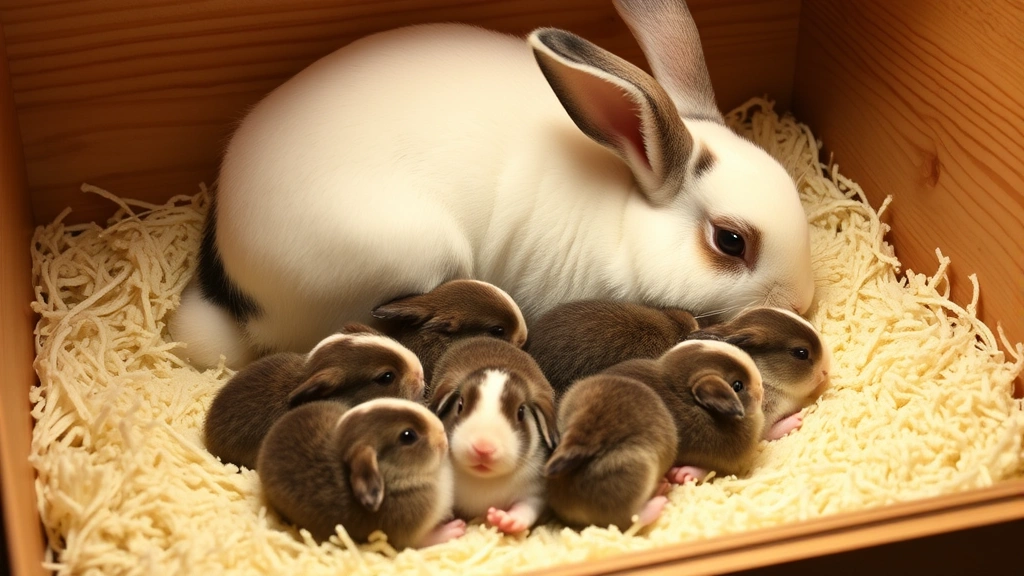
Rabbit Baby Care Tips: Vet-Approved Guide
Welcoming a rabbit baby, or kit, into your home is an exciting responsibility that requires specialized knowledge and careful attention. Unlike caring for human infants, young rabbits have unique physiological needs, dietary requirements, and environmental conditions that must be met to ensure their healthy development. Whether you’re breeding rabbits, adopting a young bunny, or caring for orphaned kits, understanding proper rabbit baby care is essential for their survival and well-being.
This comprehensive guide provides vet-approved strategies for caring for rabbit babies from birth through their first several months of life. We’ll cover everything from nutrition and housing to health monitoring and socialization, drawing on veterinary expertise and best practices from experienced rabbit caregivers. By following these evidence-based recommendations, you’ll be equipped to provide the best possible start for your young rabbits.
If you’re new to pet parenthood in general, our comprehensive parenting guide offers foundational care principles that apply across different types of animal companions and family responsibilities.
Table of Contents
- Nutrition and Feeding Guidelines
- Housing and Environmental Setup
- Health Monitoring and Veterinary Care
- Socialization and Handling
- Weaning Process and Diet Transition
- Common Health Issues
- Frequently Asked Questions
Nutrition and Feeding Guidelines for Rabbit Babies
Proper nutrition is the foundation of healthy rabbit baby development. The feeding approach depends significantly on whether the kits are nursing or orphaned, as each situation requires different nutritional strategies and feeding schedules.
Nursing Kits with Mother Present
When a mother rabbit is caring for her litter, she provides essential nutrients through her milk for the first three to four weeks of life. During this critical period, your primary responsibility is ensuring the mother rabbit receives optimal nutrition. A nursing doe requires significantly increased calories—typically 25% more than her normal maintenance diet. Provide high-quality timothy hay, fresh vegetables, and premium pellets formulated for lactating rabbits.
Mother rabbits typically nurse their kits for only 5-10 minutes once daily, usually during evening hours. This concentrated feeding pattern is normal rabbit behavior. Monitor kits for signs of adequate nutrition: they should appear plump, have warm bodies, and show active behavior. Underweight or lethargic kits may indicate nursing problems requiring veterinary intervention.
Orphaned or Bottle-Fed Kits
Orphaned rabbit babies require specialized formula and feeding techniques. Never use cow’s milk or generic infant formula, as these can cause severe digestive upset. Instead, consult your veterinarian about appropriate rabbit-specific formulas or homemade recipes approved by exotic animal veterinarians.
Newborn kits (0-2 weeks) need feeding every 6-8 hours around the clock. Use a small syringe or specialized nursing bottle designed for small animals. Maintain formula temperature at approximately 100-102°F (38-39°C). Feed approximately 5-7ml per kit, adjusting based on individual size and appetite. Gently stimulate the genital area with a warm, damp cloth after feeding to encourage elimination, mimicking the mother’s natural grooming behavior.
Kits aged 2-4 weeks require feeding every 8-12 hours. As they grow, gradually increase portion sizes to 10-15ml per feeding. Watch for formula leaking from the nose, which indicates improper feeding technique or aspiration risk. Always allow kits to swallow naturally—never force feed.
Introduction to Solid Foods
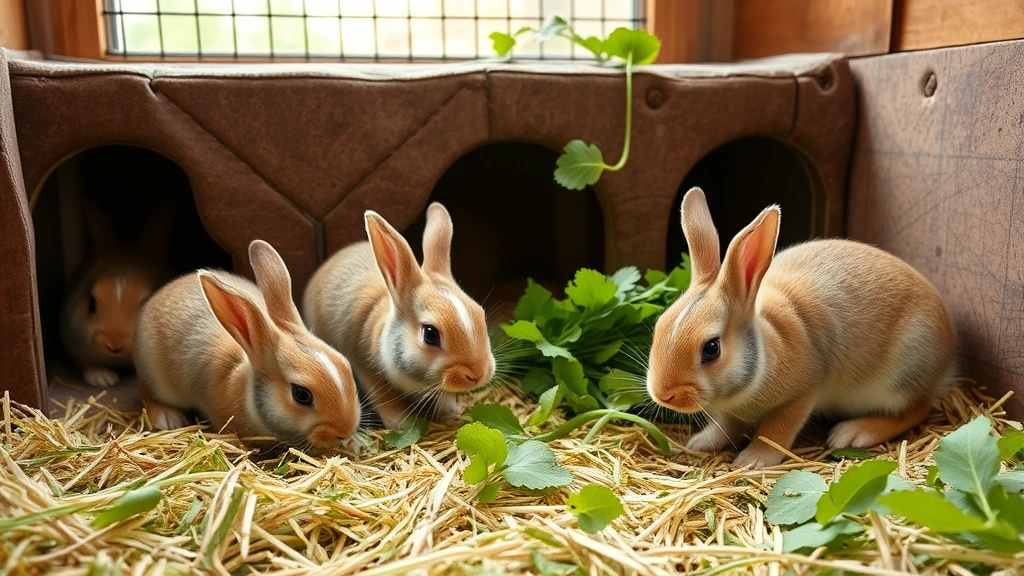
Beginning around 3-4 weeks of age, kits naturally become curious about solid foods. Introduce soft, high-quality timothy hay and plain pellets specifically formulated for young rabbits. These pellets should be higher in protein (16-18%) and fiber than adult formulas to support growth. Gradually reduce bottle feeding as solid food intake increases, though some kits may continue nursing until 8 weeks if the mother is available.
Fresh vegetables can be introduced cautiously around 4-5 weeks, starting with small amounts of dark leafy greens like romaine lettuce or cilantro. Introduce one new vegetable every few days to monitor for digestive upset. Avoid iceberg lettuce, which lacks nutritional value, and cruciferous vegetables that may cause bloating.
Housing and Environmental Setup for Young Rabbits
Creating an appropriate living environment is crucial for rabbit baby health and safety. Young kits are vulnerable to temperature fluctuations, drafts, and stress, requiring careful environmental management.
Temperature and Humidity Control
Newborn rabbit babies cannot regulate their body temperature effectively and depend on warmth from their mother or external heat sources. Maintain environmental temperatures between 65-75°F (18-24°C), with nesting areas reaching 85-90°F (29-32°C) during the first two weeks. Provide heat using heating pads on low settings placed under nesting materials, ensuring kits can move away from direct heat if they become too warm.
Humidity should remain between 40-60%. Excessive humidity promotes bacterial growth and respiratory issues, while low humidity causes dehydration. Monitor humidity levels with an inexpensive hygrometer available at hardware stores.
Nesting Box Design
A proper nesting box provides security and maintains appropriate temperature. Dimensions should be approximately 12x12x8 inches, with an entrance hole about 4 inches in diameter that allows the mother to enter while keeping kits contained. Line the box with soft, dust-free bedding such as aspen shavings, paper-based bedding, or straw. Add a layer of pulled fur from the mother rabbit if available, as this provides comfort and familiar scent.
Position the nesting box in a quiet area away from household traffic, loud noises, and direct sunlight. Rabbits are prey animals and startle easily; a calm environment reduces stress and supports healthy development. Avoid placing the box near drafty windows or heating vents.
Expandable Housing as Kits Grow
Once kits begin exploring outside the nesting box (around 3-4 weeks), they need more space. Expand their living area gradually using exercise pens or a larger enclosure. Provide multiple hiding spots using cardboard boxes or commercial hideouts, as young rabbits feel secure in enclosed spaces. Include sturdy toys for enrichment and natural behaviors like chewing and digging.
Flooring should be solid, not wire, to protect developing feet and prevent injury. Provide hay racks to encourage natural feeding behaviors and reduce waste. Ensure all materials are non-toxic and free from sharp edges or choking hazards.
Health Monitoring and Veterinary Care
Regular health monitoring is essential for catching problems early. Establish a relationship with a veterinarian experienced in exotic animals, particularly small mammals. According to the American Animal Hospital Association, exotic pets require specialized veterinary knowledge.
Daily Health Checks
Perform daily observations of your rabbit baby’s condition. Check for these important indicators:
- Body condition: Kits should feel plump but not obese. You should be able to feel ribs without excessive prominence.
- Eyes and nose: Should be clear and dry. Discharge indicates possible infection or respiratory issues.
- Rear end: Should be clean and dry. Soiling indicates digestive problems requiring immediate attention.
- Breathing: Should be quiet and regular. Labored breathing or sneezing suggests respiratory infection.
- Activity level: Healthy kits are curious and active. Lethargy is a serious warning sign.
- Appetite: Young rabbits should eat consistently. Refusal of food indicates problems.
Vaccination and Health Records
Discuss vaccination protocols with your veterinarian. While domestic rabbits in many regions don’t require routine vaccinations, some areas recommend protection against myxomatosis and rabbit hemorrhagic disease (RHD). Your vet will advise based on local disease prevalence and your rabbit’s lifestyle.
Keep detailed health records including birth date, weight progression, feeding amounts, and any health concerns. This documentation helps your veterinarian monitor development and identify problems early. Weigh kits weekly during their first month, then every two weeks until they reach adult size, typically around 5-6 months.
Parasite Prevention
Discuss parasite prevention with your veterinarian. Internal parasites like coccidia can cause serious problems in young rabbits. External parasites including mites and fleas require appropriate treatment. Your vet can recommend safe, effective preventive strategies suitable for young kits.
Socialization and Handling Young Rabbits
Early socialization influences your rabbit’s temperament and comfort with human interaction throughout life. Handle rabbit babies gently and frequently, but respect their stress responses and natural behaviors.
Timing and Approach
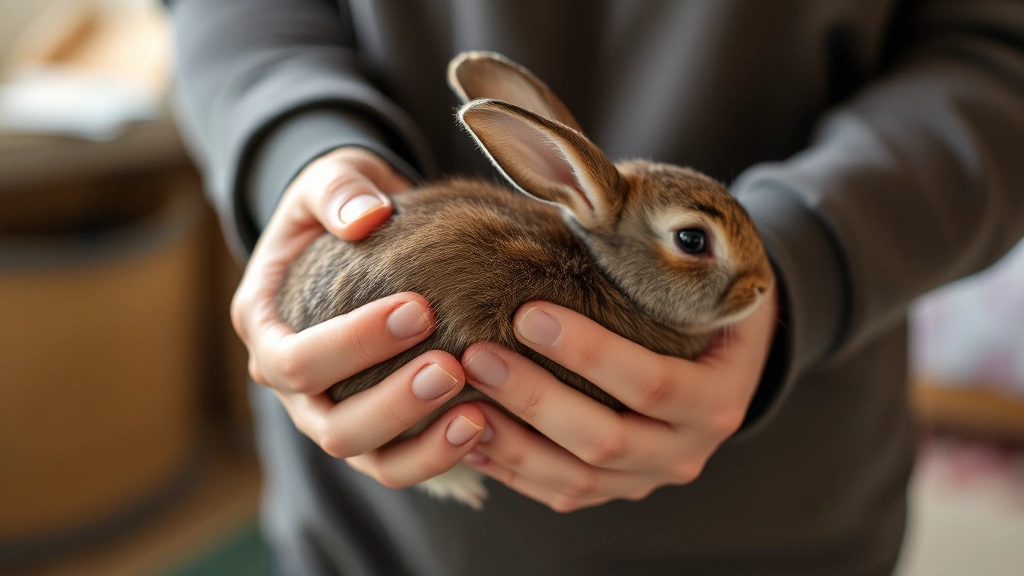
Begin gentle handling around 2-3 weeks of age, after kits open their eyes and develop more awareness. Start with brief, calm interactions lasting just a few minutes. Support the rabbit’s hindquarters securely—never leave the rear legs unsupported, as this causes anxiety and potential spinal injury. Hold kits close to your body at chest height to provide security.
Handle kits during calm times of day when they’re naturally drowsy. Avoid handling immediately after feeding or during the mother’s nursing period. Watch for stress signals including ear flattening, tooth grinding, or excessive struggling. Respect these signals and return the kit to its safe space.
Building Trust and Bonding
Consistent, gentle handling builds trust and confidence. Speak softly to kits during interactions, offering reassurance through tone and touch. Offer small pieces of fresh vegetables as positive reinforcement during handling sessions. This creates positive associations with human contact.
Allow kits to explore your hands and fingers safely. Rabbits naturally investigate their environment through taste and smell. Avoid sudden movements or loud noises that startle them. Patience and consistency are more valuable than frequency—daily gentle handling is preferable to occasional rough play.
Multi-Kit Dynamics
When raising multiple kits together, monitor social dynamics carefully. Rabbit siblings typically bond during early development, which can be beneficial for their social development. However, as they mature, hormonal changes may lead to aggression. Plan for eventual separation if you notice bullying behaviors or excessive mounting, which indicates sexual maturity beginning around 3-4 months.
Weaning Process and Diet Transition
The weaning process represents a critical transition period requiring gradual dietary changes to prevent digestive upset. Proper weaning techniques protect gut health and establish healthy eating patterns.
Timeline and Gradual Transition
Natural weaning typically occurs between 6-8 weeks of age. Begin introducing solid foods around 4 weeks, gradually increasing amounts while maintaining bottle or nursing access. By 8 weeks, kits should consume primarily solid foods with minimal formula supplementation. Some sources recommend continuing limited nursing until 10-12 weeks if the mother is available, as her milk provides beneficial antibodies and digestive support.
Reduce bottle feedings gradually over 1-2 weeks rather than abruptly. Sudden cessation can cause stress and digestive problems. Monitor weight carefully during this transition—healthy kits should maintain steady growth throughout weaning.
Post-Weaning Nutrition
After complete weaning, young rabbits require specialized growing pellets formulated with higher protein (16-18%) and calories than adult formulas. Continue offering unlimited timothy hay, the foundation of a healthy rabbit diet. Introduce vegetables gradually if not already started, monitoring for any digestive upset.
Water should be available continuously through a clean water bottle or bowl. Change water daily and clean bottles and bowls frequently to prevent bacterial growth. Monitor water intake—healthy rabbits drink frequently throughout the day.
Dietary Adjustments for Growth Phases
As young rabbits approach adulthood (around 4-5 months), gradually transition to adult maintenance pellets with lower protein (12-14%). This transition should occur over 1-2 weeks, mixing increasing portions of adult formula with growing formula. Different rabbit breeds reach adult size at different rates—larger breeds may not mature until 6-8 months, while smaller breeds mature by 4-5 months.
Common Health Issues in Rabbit Babies
Understanding common health problems helps you recognize problems early and seek appropriate veterinary care. Young rabbits face specific health challenges due to their developing immune systems.
Digestive Upset and Enteritis
Digestive problems are among the most common issues in young rabbits. Causes include inappropriate formula, contaminated feeding equipment, sudden dietary changes, or infections. Signs include soft or runny feces, lethargy, reduced appetite, and abdominal distension. This is a serious emergency requiring immediate veterinary attention, as dehydration develops rapidly in young rabbits.
Prevention involves maintaining strict sanitation of feeding equipment, using only appropriate formulas, and introducing new foods gradually. Ensure housing remains clean and dry, as environmental contamination spreads pathogens.
Respiratory Infections
Sneezing, nasal discharge, or labored breathing indicate respiratory problems common in young rabbits. Causes include bacterial infections, poor ventilation, dusty bedding, or stress. These conditions require veterinary diagnosis and treatment—many respond well to appropriate antibiotics if caught early, but can progress rapidly to life-threatening pneumonia.
Prevent respiratory issues by maintaining excellent ventilation, using dust-free bedding, minimizing stress, and keeping housing clean. Avoid ammonia buildup from soiled bedding by cleaning enclosures frequently.
Parasitic Infections
Coccidia, a intestinal parasite, commonly affects young rabbits, causing diarrhea, weight loss, and lethargy. Diagnosis requires veterinary examination and fecal testing. Treatment with appropriate medications prescribed by your veterinarian is essential. Prevention involves maintaining clean housing and avoiding contaminated bedding or food sources.
Malocclusion and Dental Issues
Rabbit teeth grow continuously throughout life. Improper diet lacking sufficient hay can lead to malocclusion (misaligned teeth) causing eating difficulties and pain. Ensure young rabbits have unlimited access to quality timothy hay from the start, which promotes proper dental wear and alignment. Watch for signs of dental problems including drooling, reduced appetite, or visible tooth misalignment.
Frequently Asked Questions
At What Age Can Rabbit Babies Leave Their Mother?
Rabbit kits can safely leave their mother around 8 weeks of age, though some sources recommend waiting until 10-12 weeks for better emotional adjustment and continued immune support. Before separation, ensure kits are eating solid foods confidently and weigh at least 1.5 pounds (depending on breed). Consult your veterinarian about optimal timing for your specific situation.
How Often Should I Handle My Young Rabbit?
Daily gentle handling is ideal, with sessions lasting 5-15 minutes depending on the kit’s age and temperament. Young rabbits (2-8 weeks) benefit from frequent but brief interactions. Avoid handling if the kit shows stress signals. Quality of interaction matters more than duration—calm, gentle handling builds better bonds than rough play.
What Temperature is Best for Rabbit Babies?
Maintain environmental temperatures between 65-75°F (18-24°C), with nesting areas around 85-90°F (29-32°C) for newborns. As kits grow, gradually reduce supplemental heat. By 4-5 weeks, they should tolerate standard room temperatures. Monitor for signs of being too cold (huddling, lethargy) or too warm (panting, stretched out).
Can I Give My Rabbit Baby Treats?
Introduce treats cautiously after 4-5 weeks of age, using small amounts of fresh vegetables rather than commercial treats high in sugar and fat. Appropriate treats include small pieces of carrot, apple (without seeds), or dark leafy greens. Avoid treats containing nuts, seeds, or chocolate, which can cause digestive upset or toxicity. Treats should comprise less than 5% of total daily calories.
When Should I Spay or Neuter My Rabbit?
Most veterinarians recommend spaying or neutering rabbits around 4-6 months of age, before sexual maturity. This timing allows the rabbit to reach sufficient size for safer surgery while preventing unwanted behaviors and serious health issues like uterine cancer in females. Discuss optimal timing with your exotic animal veterinarian based on your rabbit’s development and breed.
How Do I Know If My Rabbit Baby Is Healthy?
Healthy rabbit kits appear alert and active, with bright eyes and clean fur. They eat and drink regularly, maintaining steady weight gain. Feces should be firm and round. They respond positively to gentle handling and exploration. Any signs of lethargy, appetite loss, discharge, or behavioral changes warrant veterinary evaluation. Establish baseline behaviors early so you notice changes quickly.
What Should I Do If My Orphaned Rabbit Baby Stops Eating?
Loss of appetite in young rabbits is serious and requires immediate veterinary attention. Possible causes include illness, improper formula temperature, feeding technique problems, or environmental stress. Contact your veterinarian right away—delays can be life-threatening. In the meantime, ensure proper formula temperature, gentle feeding technique, and a calm environment. Do not attempt home remedies without veterinary guidance.
Caring for rabbit babies requires dedication, knowledge, and attention to detail, but the reward of watching healthy kits develop into adult rabbits makes the effort worthwhile. By following these vet-approved guidelines and maintaining close communication with your veterinarian, you’ll provide the best possible foundation for your young rabbits’ long, healthy lives. Remember that each rabbit is unique—what works for one kit may need adjustment for another. Stay observant, remain flexible in your approach, and prioritize veterinary guidance when questions arise.
For additional insights on caring for young animals and family responsibilities, explore our Parent Path Daily Blog for comprehensive resources on nurturing living beings in your care.