Why Are Red Panda Babies So Cute? Zoologists Explain
As parents, we understand the irresistible pull of cuteness. Whether it’s our own children’s first smile or a fuzzy animal video online, adorable creatures trigger something primal in our brains. Red panda babies—called kits—exemplify this universal appeal. These tiny, fluffy creatures have captured hearts worldwide, but there’s genuine science behind their charm. Understanding what makes red panda babies so cute offers fascinating insights into how evolution has programmed us to respond to juvenile features, whether in our own species or across the animal kingdom.
For parents curious about animal behavior and child development, exploring why babies of any species seem irresistibly cute connects to broader questions about parenting instincts and bonding. Just as red panda mothers are biologically driven to nurture their vulnerable kits, human parents experience similar neurological responses to their infants’ features. This article examines the zoological explanations behind red panda cuteness while drawing parallels to human parenting experiences.
Table of Contents
- Physical Features That Make Red Pandas Adorable
- Understanding Neoteny and Juvenile Traits
- The Evolutionary Advantage of Looking Cute
- How Our Brains Respond to Cuteness
- Connecting Animal Cuteness to Human Parenting
- The Conservation Impact of Cuteness
- Frequently Asked Questions
Physical Features That Make Red Pandas Adorable
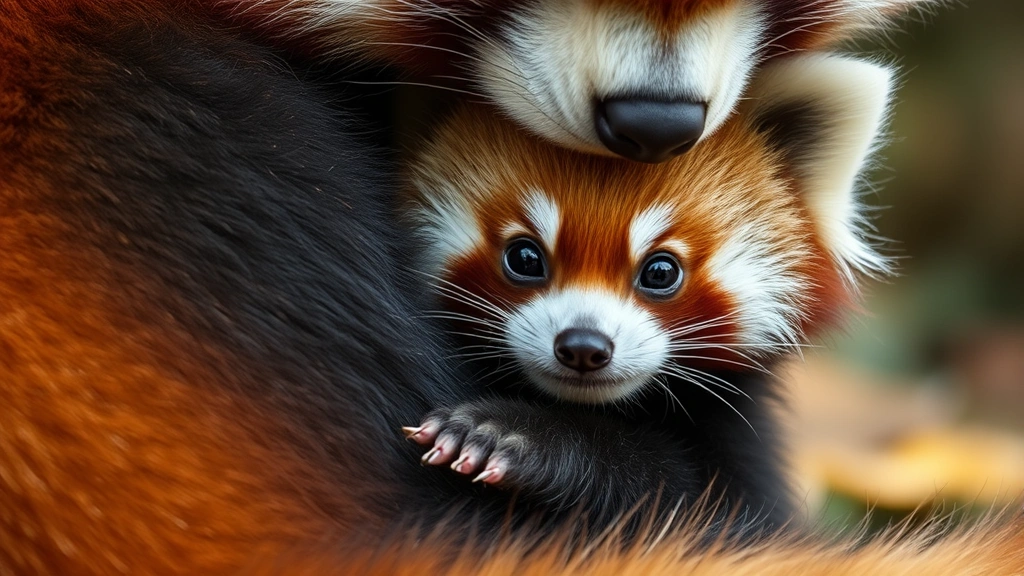
Red panda babies possess a remarkable combination of physical characteristics that trigger our nurturing instincts. These tiny creatures, weighing only 3-4 ounces at birth, feature disproportionately large eyes relative to their head size. Their round faces, covered in dense, soft fur, create an appearance that zoologists recognize as the classic “baby schema”—features that make humans instinctively want to protect and care for vulnerable creatures.
The coloring of red panda kits adds another layer of visual appeal. Their russet-red fur, contrasted with distinctive white facial markings and dark eye patches, creates an almost mask-like appearance that many humans find endearing. This natural facial pattern resembles expressions of surprise or innocence, emotions that further enhance perceived cuteness. Additionally, their small, rounded ears and delicate paws contribute to an overall appearance of fragility and vulnerability.
When you consider how these features compare to human babies, parallels emerge. Infants also have proportionally larger eyes, rounder faces, and softer features than adults. Parents instinctively recognize these traits as signals that a young being requires care and protection. Understanding parenting advice for recognizing developmental stages helps guardians appreciate how these biological signals function across species.
Understanding Neoteny and Juvenile Traits
Zoologists use the term “neoteny” to describe the retention of juvenile characteristics into adulthood or the exaggeration of juvenile features in young animals. Red panda kits display extreme neoteny—their features are so juvenile and exaggerated compared to adults that they seem almost designed to elicit protective responses.
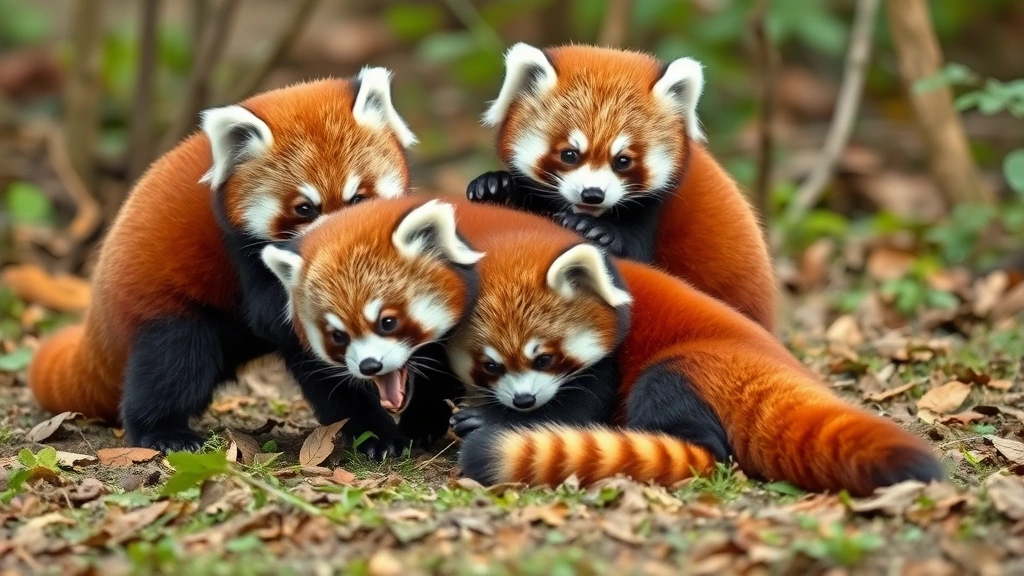
The concept of neoteny extends beyond mere appearance. Baby red pandas display behavioral neoteny as well, including clumsiness, playfulness, and dependency that mirrors human infant behavior. These kits stumble while learning to climb, engage in seemingly purposeless play, and rely entirely on their mothers for survival. Each of these behaviors signals “I am young and need protection,” a message that resonates across species boundaries.
Dr. Konrad Lorenz, an influential ethologist, identified specific features that trigger caregiving responses in humans: large eyes, bulging cheeks, small noses, and overall roundness. Red panda kits possess nearly all these characteristics in abundance. Their small, rounded bodies and proportionally massive eyes make them appear perpetually vulnerable, even when they’re actually developing normally and healthily.

The Evolutionary Advantage of Looking Cute
From an evolutionary perspective, cuteness isn’t accidental—it’s a survival strategy. Red panda kits that appear most endearing receive better maternal care and attention from their mothers. Mothers who find their offspring particularly cute invest more energy in nursing, grooming, and protecting them. This creates a selection pressure favoring increasingly cute features across generations.
For human parents, similar evolutionary mechanisms operate. Infants with more prominent eyes, clearer skin, and more expressive faces typically receive more responsive caregiving. This isn’t a conscious choice but rather an evolutionary inheritance—our brains are wired to respond to these signals. When you find your baby’s yawns irresistibly adorable or their tiny fingers mesmerizing, you’re experiencing millions of years of evolutionary programming.
The cuteness advantage extends beyond mother-infant relationships. In social animals like red pandas, cuteness influences how entire communities respond to vulnerable members. Other group members may be more tolerant of kits’ mistakes and more likely to protect them from danger. This broader social tolerance increases survival rates, making cuteness a genuine adaptive advantage.
Interestingly, this evolutionary mechanism can be manipulated. Humans have selectively bred dogs and cats specifically for juvenile features—large eyes, floppy ears, and round faces. We’ve essentially captured and amplified the cuteness signal that nature uses to ensure parental investment. This demonstrates how powerful the cuteness response truly is.
How Our Brains Respond to Cuteness
Neuroscience research reveals that viewing cute animals activates specific regions of our brains associated with reward and caregiving. When you see a photo of a red panda kit, your brain releases dopamine and oxytocin—chemicals that create pleasure and bonding sensations. This is the same neurochemical cascade that occurs when parents bond with their infants.
Research from the American Psychological Association demonstrates that cuteness perception isn’t frivolous—it’s a serious neurological response that influences behavior. People who view images of cute animals report increased patience, better problem-solving abilities, and more generous behavior. Essentially, cuteness makes us better versions of ourselves.
For parents, this understanding validates your instinctive responses to your child’s features. When your baby’s big eyes seem to melt your heart or their tiny yawns make you smile uncontrollably, your brain is responding exactly as it evolved to respond. This neurochemical reward system strengthens parent-child bonding, creating the secure attachment that child development experts recognize as crucial for healthy development.
The brain’s response to cuteness also explains why we struggle to discipline cute children or why we find it difficult to stay angry at adorable pets. Our brains are essentially hijacked by cuteness signals, making us more forgiving and nurturing. Understanding this mechanism helps parents recognize when they might be making decisions based on cuteness rather than what’s actually best for their child’s development.
Connecting Animal Cuteness to Human Parenting
The science behind red panda cuteness offers valuable lessons for human parents. Just as red panda mothers are biologically programmed to respond to their kits’ vulnerability and adorableness, human parents experience similar biological imperatives. Your instinct to protect, nurture, and cherish your baby isn’t arbitrary—it’s the result of millions of years of evolutionary refinement.
Understanding these biological mechanisms can help parents feel more confident in their instincts. When you want to hold your baby constantly, respond immediately to their cries, or find yourself staring at them while they sleep, you’re not being overprotective or sentimental—you’re following biological programming that ensures infant survival and healthy development. The American Academy of Pediatrics emphasizes that responsive parenting, driven partly by these instinctive responses to cuteness and vulnerability, is essential for optimal child development.
However, understanding cuteness also helps parents navigate challenges. Cute babies sometimes manipulate their parents—a baby’s cry triggers urgent response even if the baby simply wants attention rather than needing critical care. Recognizing that your brain’s cuteness response is powerful but sometimes misdirected helps you make more intentional parenting decisions. You can respond to your child’s legitimate needs while also teaching healthy independence.
For parents shopping for their own little ones, exploring options like baby girl clothes or baby boy clothes often involves selecting items that enhance your child’s cuteness. This isn’t shallow—it’s participating in the same evolutionary mechanism that makes red panda kits so appealing. Dressing your baby in adorable outfits amplifies their natural cuteness, strengthening bonding and making you more likely to engage in the attentive caregiving that promotes healthy development.
The Conservation Impact of Cuteness
Red pandas are endangered species, with fewer than 10,000 individuals remaining in the wild. Interestingly, their cuteness has become a powerful conservation tool. Zoos worldwide feature red pandas prominently, knowing that visitors’ responses to adorable kits drive conservation funding and public support for habitat protection.
This demonstrates a broader principle: cuteness matters. While we might dismiss our attraction to cute animals as superficial, it actually drives real-world conservation outcomes. Conservation organizations like the World Wildlife Fund recognize that charismatic, cute species receive disproportionate conservation attention and funding compared to less appealing creatures.
For parents, this lesson extends beyond animals. The cuteness and appeal of your own children should inspire you to invest in their development and wellbeing. When considering best baby shower gifts or items for your baby registry checklist, you’re making investments in your child’s future—investments that your brain’s cuteness response naturally motivates you to make.
Understanding how cuteness drives behavior and decision-making helps parents make more intentional choices. Your instinct to provide the best for your adorable child is natural and powerful. Channel that instinct toward decisions that genuinely support your child’s long-term health, development, and happiness rather than simply selecting the most visually appealing options.
Frequently Asked Questions
At what age are red panda kits most cute?
Red panda kits are typically considered most adorable between 2-8 weeks of age. During this period, their juvenile features are most exaggerated—their eyes are proportionally largest, their bodies are roundest, and their movements are clumsiest. As they mature, they retain cuteness but develop more adult proportions and capabilities, somewhat diminishing the intense cuteness response they trigger in viewers.
Do red panda mothers respond differently to cuter kits?
Research suggests that animals, including red pandas, may show subtle preferences for offspring displaying more pronounced juvenile features. However, red panda mothers typically care for all their kits with equal dedication. The cuteness factor primarily influences how external observers—including humans—respond to the animals, affecting conservation efforts and public support for species protection.
Is the cuteness response to red pandas the same as to human babies?
Yes, largely. Both red panda kits and human infants trigger similar neurological responses in human brains. The same regions light up, the same neurochemicals release, and the same behavioral changes occur. However, additional factors like familiarity, cultural context, and personal experience influence how intensely different people respond to different types of cuteness.
Can understanding cuteness help me be a better parent?
Absolutely. Recognizing that your instinctive responses to your child’s cuteness are biologically programmed helps you trust your parenting instincts while also remaining intentional about your decisions. You can honor your natural nurturing impulses while also teaching your child healthy independence and reasonable boundaries. Understanding the science validates your feelings while encouraging thoughtful parenting choices.
Why do some people find red pandas cuter than others?
Individual differences in cuteness perception result from genetics, personal experience, cultural background, and exposure history. People with more experience with animals or who grew up with pets may show stronger responses to animal cuteness. Cultural factors also influence which features people find most appealing. Additionally, some neurological differences affect how intensely people experience the cuteness response.
Are red pandas naturally cute or is it human projection?
Red panda cuteness involves both genuine biological features and human interpretation. The animals genuinely possess physical characteristics—large eyes, round faces, soft fur—that evolution has shaped to trigger caregiving responses. However, humans interpret and amplify these signals through the lens of our own evolutionary history. It’s not purely objective, but the biological basis is real and measurable.