Secrets of Baby Beach Aruba: A Local’s Guide to Paradise with Your Little Ones
Aruba has long been whispered about among travel enthusiasts as a Caribbean gem, but there’s something particularly magical about Baby Beach that doesn’t make it into the typical guidebooks. This crescent-shaped stretch of sand on the island’s eastern coast has earned its nickname honestly—the shallow, impossibly calm waters make it feel like nature designed a beach specifically for families with young children. If you’re considering this destination for your next family getaway, you’re in for a treat, but like any worthwhile adventure with babies and toddlers, it helps to know what the locals know.
What makes Baby Beach different from the more touristy western beaches isn’t just the absence of aggressive waves or the pristine turquoise water. It’s the entire ecosystem that surrounds it—the quiet coves, the gentle slope of the seafloor, the way the reef naturally protects swimmers from the rougher Atlantic swells. Parents who’ve made the pilgrimage here often describe it as the only beach where they could actually relax while their little ones played in the water, rather than white-knuckling through every splash.
This guide pulls back the curtain on what makes Baby Beach special and, more importantly, how to make the most of it when you’re traveling with infants and toddlers. Whether you’re a seasoned family traveler or planning your first beach trip with a baby, the insights ahead will help you navigate this slice of Caribbean paradise with confidence and joy.
Why Baby Beach Lives Up to the Hype
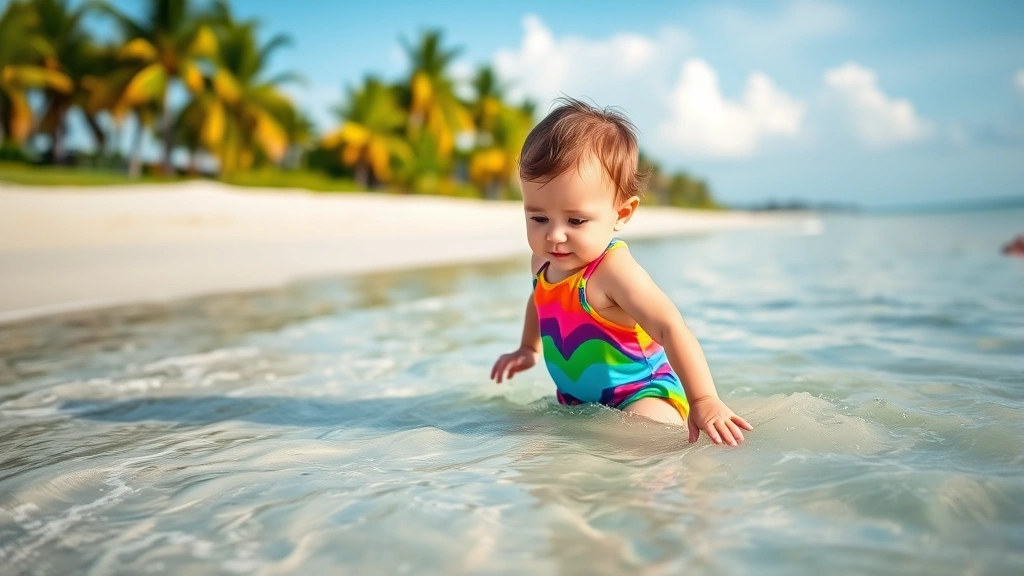
Baby Beach isn’t famous because of marketing campaigns or Instagram influencers. It’s earned its reputation through genuine geography and physics. The beach sits in a protected bay on Aruba’s eastern shore, shielded from the Atlantic’s heavier swells by a natural reef formation. This means the water stays consistently calm—we’re talking glass-like surfaces even on days when other beaches experience noticeable waves.
The seafloor gradient is another game-changer for families. Rather than dropping off steeply like many Caribbean beaches, Baby Beach slopes so gradually that you can walk out 50 feet and still be in waist-deep water. For parents, this translates to genuine peace of mind. Your toddler can splash around in shallow water while you maintain sight lines and easy access. There’s no sudden drop-off to worry about, no unexpected deep zones lurking beyond the sandbar.
The water temperature hovers around 82-84°F year-round, which means babies stay comfortable without excessive sun exposure concerns from shivering and discomfort. The sand itself is fine and warm but not scorching hot, another detail that matters when you’re managing barefoot toddlers and sensitive baby skin.
What really sets Baby Beach apart is the reef ecosystem visible from shore. The water clarity is exceptional, and if you venture into slightly deeper areas, you’ll spot colorful fish, sea stars, and coral formations. Older toddlers with snorkeling gear can experience genuine wonder here, while younger babies benefit from the pure joy of safe water play.
When to Visit: Timing Your Trip
Aruba’s location south of the hurricane belt means it enjoys relatively stable weather year-round, but timing still matters when you’re traveling with young children. The dry season runs from January through April, offering the most predictable weather and lower humidity. If you can swing it, these months provide ideal conditions for family travel—comfortable temperatures, minimal rainfall, and reliable sunshine.
The shoulder seasons of May and September-October bring fewer crowds and better hotel rates, but you’ll encounter higher humidity and occasional afternoon showers. For families with very young babies sensitive to heat, the winter months (December-March) offer the most comfortable conditions, though prices peak during this period.
Hurricane season technically runs June through November, but Aruba sits far enough south that direct hits are exceptionally rare. That said, the summer months do see increased rainfall and higher humidity, which can complicate life with infants and toddlers. Plan your visit during the dry season if possible, or at minimum, avoid September and October when atmospheric conditions are most unstable.
Consider the school calendar if you have older children. Spring break (March) and summer vacation (June-August) bring more families to the island, which means busier beaches but also more family-friendly activities and services. If you’re traveling with only babies or toddlers, avoiding peak seasons actually works in your favor—you’ll encounter fewer crowds at Baby Beach and shorter wait times at restaurants.
Getting There and Around
Queen Beatrix International Airport receives direct flights from major U.S. cities, making Aruba relatively accessible for families. The flight time from the mainland typically ranges from four to six hours, depending on your departure city. For babies, this means planning around nap schedules and feeding times, but it’s manageable without the jet lag complications of longer international flights.
Rental cars are essential for exploring Aruba with young children. The island is small enough that distances are never overwhelming, but having your own vehicle eliminates the stress of coordinating taxis or shuttle services while managing car seats, strollers, and all the gear that accompanies family travel. Most rental agencies have car seats available, though many parents prefer bringing their own familiar equipment.
Baby Beach sits on the eastern side of the island, roughly a 20-30 minute drive from most western resort areas. The road is well-maintained, and the drive itself is scenic without being stressful. Unlike some Caribbean destinations with challenging roads, Aruba’s infrastructure makes family navigation straightforward.
Parking at Baby Beach is free and plentiful, another detail that distinguishes it from more developed tourist beaches. You can pull right up to the access point, which matters enormously when you’re managing babies, toddlers, and beach gear. There’s a small pavilion with basic facilities, though amenities are minimal—this is part of Baby Beach’s charm and also why you’ll want to bring everything you need.
Beach Prep and Safety Essentials
Sun protection for babies is non-negotiable in the Caribbean. The sun’s intensity at this latitude is genuinely different from temperate climates. For infants under six months, the American Academy of Pediatrics recommends minimizing direct sun exposure and using lightweight long sleeves and hats. For older babies, broad-spectrum SPF 50+ sunscreen applied generously every two hours (more frequently after water exposure) becomes your routine.
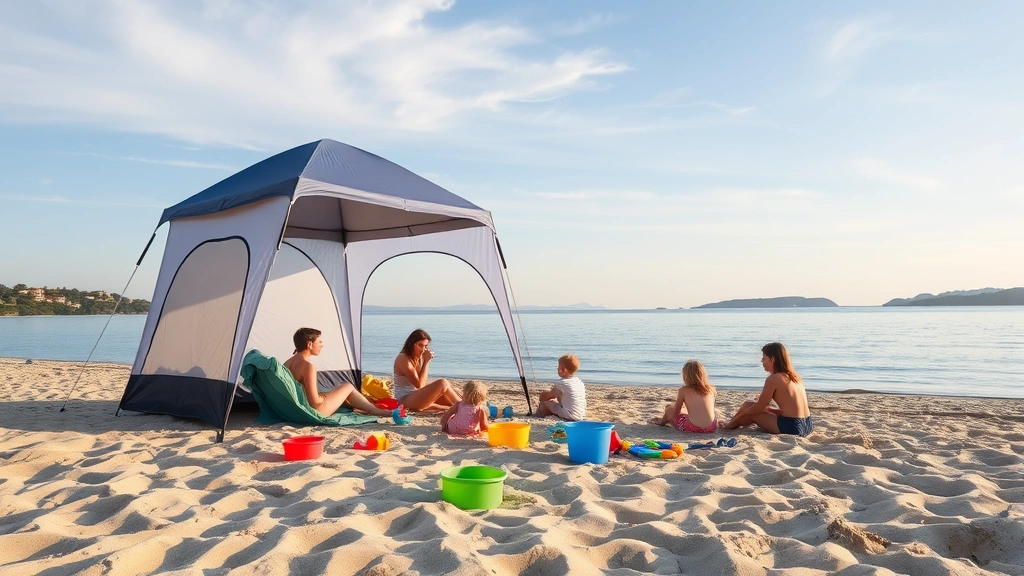
Bring a pop-up tent or beach umbrella—not just for comfort, but as a genuine safety measure. The combination of sun reflection off sand and water intensifies UV exposure. Creating a shaded zone gives babies breaks from direct rays and provides a place to nurse, change diapers, or let toddlers cool down without overheating.
Water shoes are game-changers at Baby Beach. While the sand is generally comfortable, the shallow reef areas include occasional rocky spots. Soft-soled water shoes protect tiny feet without restricting movement or comfort. They’re especially valuable for toddlers who want to wade independently.
Bring more fresh water than you think you’ll need. The combination of sun, salt water, and activity dehydrates babies quickly. Having accessible fresh water for drinking and rinsing off salt water throughout the day prevents dehydration and keeps everyone more comfortable. Many families use insulated water bottles with ice packs to maintain cool water throughout beach sessions.
Diaper changing at Baby Beach requires planning. There are basic facilities, but they’re minimal. Bring a changing pad, extra diapers, wipes, and disposal bags. Many parents find that scheduling beach time between naps or meals reduces diaper-related complications. If your baby is in the diaper stage, consider waterproof diaper covers or swim diapers to minimize accidents in the water.
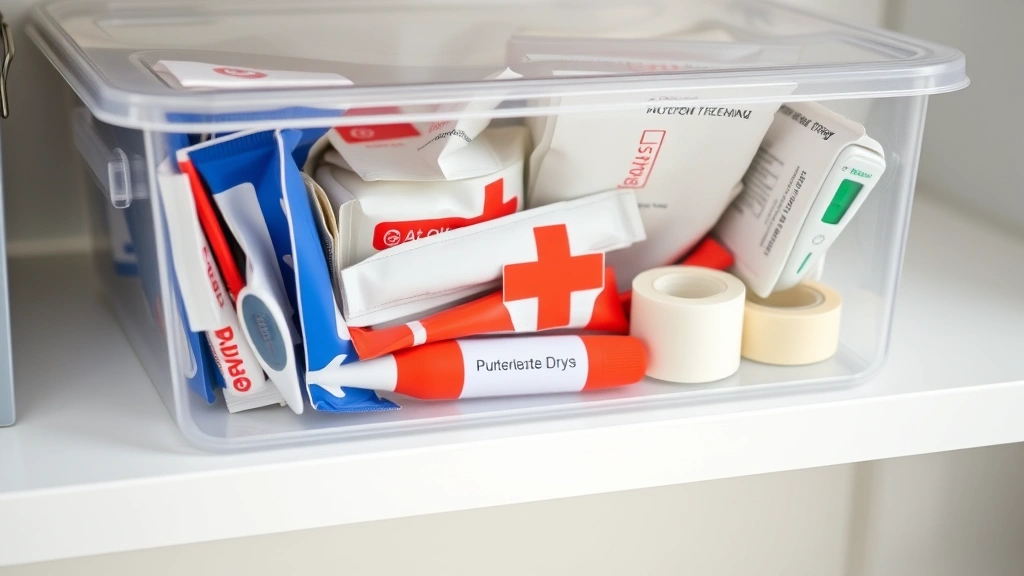
A small first-aid kit proves invaluable. Include bandages, antibiotic ointment, pain reliever for babies (if age-appropriate), and any medications your child regularly uses. While serious incidents are rare, having basics on hand eliminates the stress of searching for supplies during minor issues.
Local Secrets Seasoned Parents Know
Arrive early—genuinely early, like 8:00 or 8:30 AM. Baby Beach’s popularity means afternoon crowds, but the morning hours offer something rare: peaceful water, empty parking, and the entire beach feeling like a private family retreat. Early arrival also means the best shade spots remain available, and you can complete your beach session before midday heat peaks.
Tuesday through Thursday are noticeably quieter than weekends. If your schedule allows flexibility, planning your main beach day mid-week rewards you with genuinely calm waters and minimal crowds. Weekends draw both tourists and local families, which creates a livelier but busier atmosphere.
The water temperature varies subtly depending on the season and specific location within the bay. The northern end of Baby Beach (closest to the parking area) typically has slightly warmer, calmer water—ideal for the youngest babies. The southern end has marginally more current and slightly cooler water, making it better for older toddlers who want more activity.
Pack a small floating toy or beach ball. Baby Beach’s calm water is perfect for introducing babies to water play in a low-stress environment. Simple floating toys keep toddlers entertained while building water confidence in genuinely safe conditions. Avoid expensive or complex toys—simple is better at the beach.
Local vendors occasionally set up at Baby Beach, but this is inconsistent. Rather than relying on beach vendors, bring snacks, drinks, and any food you need. This gives you complete control over what your baby eats and eliminates the stress of managing vendor interactions while managing multiple young children.
The reef ecosystem means fish are abundant. Bringing a simple snorkel set for older toddlers or young children can transform the experience from beach play into genuine exploration. The water clarity and abundant marine life create magical moments without requiring technical snorkeling skills.
Beyond the Beach: Family Activities
While Baby Beach is the main attraction, Aruba offers other family-friendly experiences worth exploring. The island’s small size means you can visit multiple destinations in a single day without excessive driving stress. When considering best family travel destinations, Aruba consistently ranks high for its accessibility and baby-friendly infrastructure.
Butterfly Farm offers a unique indoor experience perfect for beating afternoon heat. The controlled environment maintains comfortable temperature and humidity, and babies can experience colorful butterflies in a low-stress setting. The walk-through format accommodates strollers, and the experience typically takes one to two hours—perfect for breaking up beach time.
Ostrich Farm provides an unusual interactive experience. While ostriches might seem intimidating, the farm is designed for family interaction, and younger children often find the experience thrilling. The covered areas provide shade, and the activity is engaging enough to entertain toddlers for a solid hour.
Local beaches beyond Baby Beach offer variety. Eagle Beach and Palm Beach provide more developed facilities and restaurants, which can be valuable if you need bathrooms, food, or shade structures. However, these beaches experience more waves and attract more tourists. They work well for variety but lack Baby Beach’s exceptional calmness for young swimmers.
Aruba’s main town, Oranjestad, features shops, restaurants, and a pleasant waterfront. Pushing a stroller through the pedestrian areas is manageable, and the town gives you a sense of local Aruban culture beyond the resort experience. Several restaurants welcome families with young children and offer high chairs and simple menu options.
The Ostrich Farm and Butterfly Farm both accommodate the needs of families traveling with young children, making them solid backup plans for days when beach weather is questionable or you need a change of scenery.
Practical Tips for Traveling with Babies
As you prepare for your Aruba adventure, understanding broader parenting strategies helps. While parenting advice for new parents often focuses on home routines, travel with babies requires adaptation. The key is maintaining flexible consistency—keeping sleep schedules as regular as possible while accepting that some disruption is inevitable and manageable.
Jet lag affects babies differently than adults. For flights south (like Aruba), babies typically adjust more quickly than for eastward travel. Arriving in the evening and beginning your beach schedule the next day usually works well. Allow your baby’s internal clock to gradually shift rather than forcing immediate adjustment to local time.
Beach time with babies requires shorter sessions than you might expect. Babies under 12 months generally do well with 45-60 minute beach sessions, while toddlers can extend to 90-120 minutes if conditions are ideal. Breaking beach time into multiple shorter visits often works better than attempting one long session.
Bring your own stroller to Aruba rather than relying on rentals. Your familiar stroller means your baby has a comfortable, familiar space for naps and downtime. The beach access at Baby Beach accommodates strollers well, so you’re not sacrificing convenience.
Establish a basic routine even while traveling. Babies thrive with predictability, and maintaining consistent meal times, nap times, and bedtimes helps everyone stay calmer and more comfortable. Your vacation is more enjoyable when your baby is sleeping well and eating regularly.
Pack a small portable sound machine. White noise helps babies sleep despite unfamiliar environments and resort noise. This simple tool often proves more valuable than you’d expect, especially if you’re staying in beachfront accommodations where ocean sounds might actually disrupt sleep.
Regarding gear and preparation, understanding what works best for family travel matters. If you’re considering what to pack, resources about free baby stuff and budget-friendly approaches can help you pack smartly without overstuffing luggage.
If you’re traveling as a family with both parents and young children, essential tips for new dads can help both parents approach the trip with confidence and realistic expectations about shared responsibilities.
Travel insurance becomes particularly valuable when traveling internationally with babies. The peace of mind knowing you’re covered for unexpected medical situations or trip disruptions allows you to genuinely relax and enjoy the experience.
The American Academy of Pediatrics provides updated guidance on traveling internationally with children, including vaccination recommendations and health precautions. Reviewing their current recommendations before your trip ensures you’re following best practices.
Frequently Asked Questions
Is Baby Beach actually safe for babies?
Yes, Baby Beach is genuinely one of the safest Caribbean beaches for young children. The shallow, calm water, gradual slope, and reef protection create conditions specifically suited to babies and toddlers. However, as with any water environment, supervision remains essential. The beach’s safety features don’t eliminate the need for constant parental attention, but they do reduce risks compared to typical ocean beaches.
What’s the best age to take a baby to Baby Beach?
Babies as young as a few months old can visit Baby Beach, though very young infants require extra sun protection and careful temperature management. Most families find that babies around 6 months and older derive genuine enjoyment from water play. Toddlers typically have the most fun, as they can wade independently while remaining in shallow, safe water.
How crowded does Baby Beach get?
Baby Beach experiences variable crowding depending on season and day of week. Winter months (December-March) bring peak crowds, while summer is quieter. Weekday mornings offer the most peaceful experience. Even during busy periods, Baby Beach remains less developed and less crowded than western resort beaches, which is part of its appeal.
Do I need special gear to visit Baby Beach?
You don’t need specialized gear, but certain items enhance the experience significantly. Water shoes, a beach umbrella or tent, sunscreen, and fresh water are genuinely valuable. Snorkel gear for older children adds enjoyment. However, you can have a wonderful experience with just basic beach supplies.
What should I do if my baby gets uncomfortable in the water?
Some babies take to water immediately, while others need gradual introduction. Baby Beach’s shallow water and calm conditions allow you to let your baby set the pace. Sitting in shallow water while holding your baby, gradually increasing water exposure, helps babies build confidence without pressure. Some babies never become enthusiastic about water play, and that’s completely normal—the beach offers plenty of activities beyond swimming.
Are there bathrooms and changing facilities at Baby Beach?
Basic facilities exist, but they’re minimal compared to developed resort beaches. There are bathrooms and a small pavilion, but no restaurants, shops, or extensive amenities. Plan accordingly by bringing everything you need for your beach session. The lack of development is part of Baby Beach’s charm but requires more self-sufficiency than you might expect.
How long should we stay at Baby Beach?
Most families find 2-3 hours provides an ideal balance. This allows time for water play, snacks, and breaks without pushing babies past their comfort zone. Younger babies typically do well with 45-60 minute sessions, while toddlers can extend to 90-120 minutes. Multiple shorter visits often work better than attempting one extended session.
Is Aruba safe for families with babies?
Aruba is considered one of the safest Caribbean destinations for families. The island has low crime rates, excellent medical facilities, and well-developed infrastructure. Healthcare standards are high, and English is widely spoken. These factors combine to create a genuinely family-friendly environment where parents can relax and enjoy the experience.
What’s the best time of day to visit Baby Beach with a baby?
Early morning (8:00-10:00 AM) offers the calmest water, fewest crowds, and best shade availability. The sun is less intense, and you can complete your beach session before midday heat peaks. Morning visits also align better with baby sleep schedules and feeding routines.
Can I bring baby formula and food to Aruba?
Yes, you can bring baby formula and food to Aruba. However, major resort areas and towns carry common formula brands and baby foods, so you don’t need to pack your entire supply. Bringing a few days’ worth ensures you have familiar options while allowing you to supplement locally if needed. Check current import regulations before packing, as regulations can change.
For additional guidance on traveling with babies, consult resources from Parents Magazine’s baby health section and the CDC’s travel health information, which provide updated recommendations for international family travel.