Why Smocked Baby Clothes? Fashion Experts Weigh In
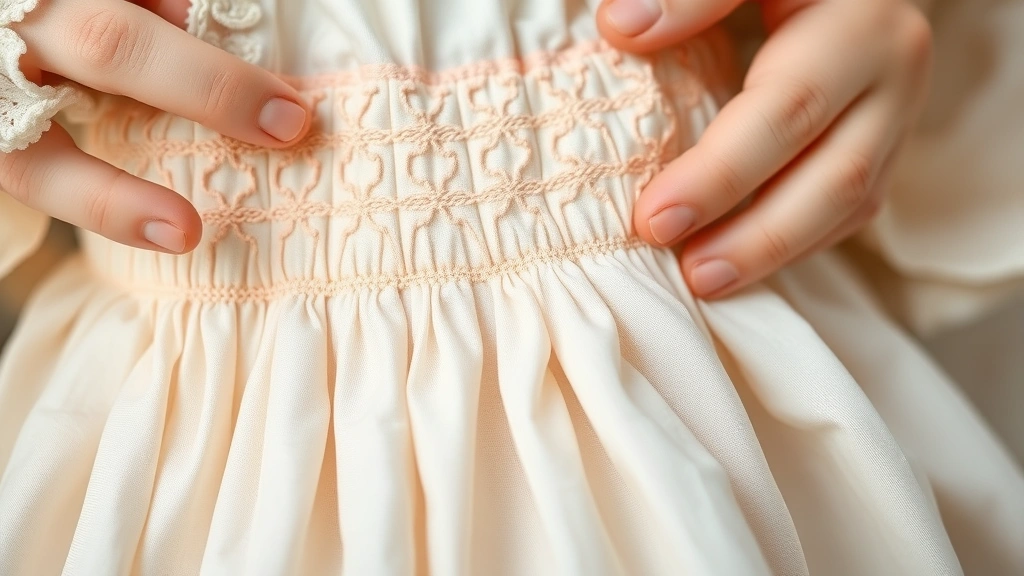
Smocked baby clothes have captivated parents and fashion enthusiasts for generations, representing a timeless blend of elegance, comfort, and practicality. Whether you’re shopping for a newborn gift or updating your little one’s wardrobe, understanding the appeal of smocking can help you make informed decisions about children’s fashion. This decorative technique, which involves gathering fabric into intricate patterns, offers far more than aesthetic charm—it provides functional benefits that modern parents appreciate.
As a parent navigating the overwhelming world of baby fashion, you’ve likely encountered smocked garments at boutique shops, family gatherings, or online retailers. The delicate embroidery and gathered details catch your eye, but you might wonder: are these clothes worth the investment? Fashion experts, pediatricians, and experienced parents agree that smocked baby clothes deserve a place in any nursery wardrobe. Let’s explore the reasons why this classic style continues to thrive in contemporary parenting culture.
Table of Contents
- Historical Roots and Heritage
- Practical Benefits Beyond Beauty
- Comfort and Safety Considerations
- Styling Smocked Pieces for Every Occasion
- Investment Value and Longevity
- Frequently Asked Questions
Historical Roots and Heritage
Smocking originated in medieval England as a practical solution for laborers who needed flexible, durable clothing. Farm workers and craftsmen would gather excess fabric and secure it with decorative embroidery, creating garments that allowed freedom of movement while maintaining shape. This ingenious technique eventually transformed from utilitarian wear into an art form, becoming synonymous with children’s clothing and special occasion garments throughout the Victorian era and beyond.
The transition of smocking from workwear to children’s fashion happened gradually during the 18th and 19th centuries. As textile production advanced and families had more disposable income, smocked garments became symbols of refined taste and careful parenting. Parents dressed their children in smocked pieces to demonstrate affection and social status, establishing traditions that persist today. Understanding this heritage helps modern parents appreciate why these clothes remain popular—they carry generations of cultural significance and represent timeless style.
When you dress your baby in smocked clothing, you’re participating in a fashion tradition that spans centuries. This connection to heritage appeals to many parents who value classic style over fleeting trends. Whether you’re dressing your daughter in a smocked bishop dress or your son in a smocked romper, you’re choosing garments with proven staying power. Fashion experts consistently recommend smocked pieces as wardrobe staples precisely because they transcend temporary fashion cycles.
For parents seeking baby shower gift ideas, smocked clothes represent thoughtful, sophisticated choices that recipients genuinely appreciate. The timeless nature of these garments means they work across seasons and styles, making them practical gifts for new parents navigating their first wardrobe purchases.
Practical Benefits Beyond Beauty
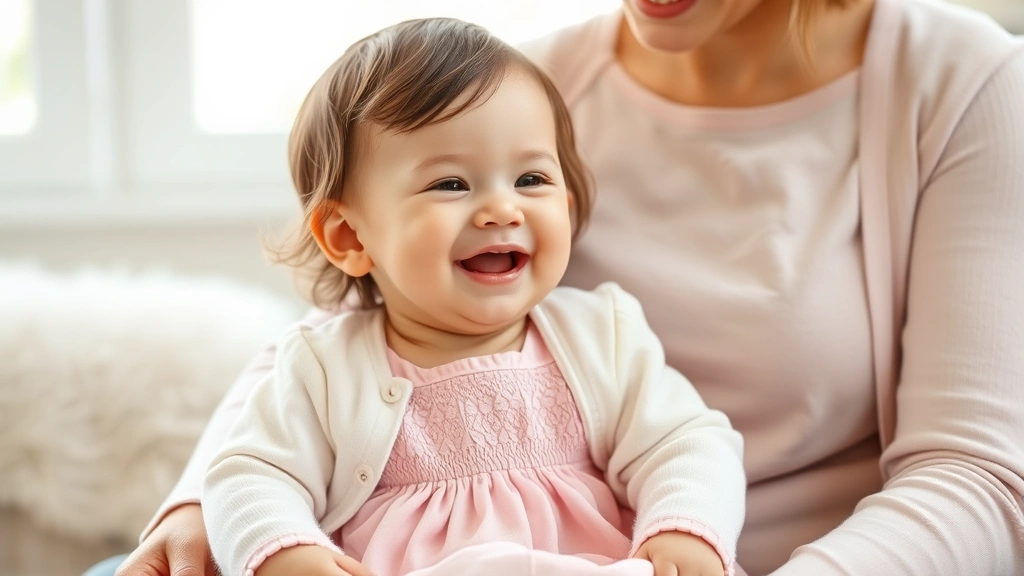
Fashion experts emphasize that smocked baby clothes offer substantial practical advantages beyond their undeniable visual appeal. The gathering technique creates natural flexibility in the fabric, allowing garments to expand and contract with your growing baby. Unlike rigid, structured clothing that becomes unwearable after a few months, smocked pieces accommodate developmental changes gracefully. This adaptability means smocked dresses, rompers, and shirts maintain proper fit longer than conventional baby garments.
The smocking process itself strengthens fabric by distributing stress across multiple gathered points rather than concentrating strain on single seams. This engineering approach to garment construction means smocked clothes withstand repeated washing, playing, and the inevitable accidents that accompany infant and toddler life. Parents who invest in quality smocked pieces often pass them to younger siblings or cousins, creating multi-generational wardrobes that represent excellent value.
Temperature regulation represents another underrated benefit of smocked construction. The gathered fabric creates tiny air pockets that provide insulation without excessive bulk, making smocked pieces ideal for layering across seasons. A lightweight smocked dress works beautifully over long sleeves in spring or under cardigans in autumn. This versatility appeals to parents managing multiple climate changes throughout the year, as discussed in comprehensive parenting advice guides.
Pediatric experts appreciate smocked garments because the gathered construction accommodates natural infant and toddler movement patterns. Unlike tight, restrictive clothing that limits mobility, smocking allows babies to kick, reach, and explore freely. This unrestricted movement supports healthy physical development, a concern that modern parents rightly prioritize. The American Academy of Pediatrics emphasizes the importance of allowing infants unimpeded movement for motor skill development, and smocked clothing supports this objective.
Comfort and Safety Considerations
When evaluating smocked baby clothes, parents must consider both comfort and safety aspects that fashion alone cannot determine. Quality smocked garments use soft, breathable fabrics—typically 100% cotton or cotton-blend materials—that minimize irritation against delicate newborn skin. The natural fibers allow air circulation, reducing the risk of overheating, a concern that pediatricians take seriously. Ensure any smocked piece you purchase includes fiber content information and meets safety standards established by regulatory agencies.
The embroidery used in smocking should be securely stitched to prevent loose threads that could pose choking hazards. Reputable manufacturers use reinforced embroidery techniques and quality thread that withstands repeated laundering without unraveling. When shopping for smocked clothes, examine seams and stitching closely—loose threads or poorly finished embroidery indicate lower quality construction. Investing in well-made pieces from established brands ensures your baby remains safe while enjoying these beautiful garments.
Button placement and closure types matter significantly for safety and practicality. Many smocked pieces feature buttons or snaps positioned away from the neck to eliminate strangulation risks. Some contemporary designs incorporate magnetic closures that eliminate traditional buttons entirely, offering modern safety solutions while maintaining classic aesthetics. Parents of infants should verify that closures are age-appropriate and secure, preventing accidental opening during active play or diaper changes.
Washing and care considerations affect both safety and longevity of smocked garments. Most smocked pieces require gentle washing—typically hand washing or delicate machine cycles—to preserve embroidery and fabric integrity. Follow manufacturer instructions carefully, as improper care can damage the gathering and stitching that define these pieces. Proper maintenance ensures smocked clothes remain beautiful and safe throughout your baby’s early years and beyond. For additional guidance on caring for special garments, consult essential parenting advice resources.

Styling Smocked Pieces for Every Occasion
One reason smocked baby clothes remain perpetually fashionable is their remarkable versatility across different occasions and styling contexts. A simple smocked dress transitions seamlessly from casual playdates to formal celebrations—simply adjust accessories and layering pieces to match the occasion. This flexibility makes smocked garments smart investments for parents managing multiple social events and daily activities throughout their baby’s first years.
For casual settings, pair smocked pieces with practical basics like soft cardigans, denim jackets, or lightweight sweaters. Comfortable shoes and simple accessories keep the look relaxed while showcasing the garment’s intricate details. Many parents appreciate this casual-to-dressy versatility because it maximizes outfit combinations while minimizing overall wardrobe volume. When space is limited—as it often is in modern homes—pieces that work across contexts become invaluable.
Special occasions call for dressier styling that highlights smocking’s elegant nature. Layer smocked dresses with tights, add delicate headbands or hair accessories, and pair with dressy shoes for weddings, holiday celebrations, or professional photo sessions. The built-in sophistication of smocked construction means minimal additional embellishment creates polished, appropriate looks. Fashion experts note that smocked pieces often photograph beautifully, making them ideal for milestone moments you’ll treasure forever.
Seasonal styling adapts smocked pieces throughout the year. Spring and summer calls for lightweight smocked dresses in pastels or traditional prints, paired with sandals and sun hats. Fall and winter styling incorporates smocked pieces under warm coats and over long-sleeved layers, extending their wearability. This year-round utility appeals to budget-conscious parents seeking pieces that justify their investment through extended use.
When shopping for smocked pieces, consider neutral colors and classic prints that coordinate easily with existing wardrobe items. Whites, soft pinks, pale blues, and traditional smocking prints in navy or burgundy pair well with numerous accessories and layering pieces. This strategic approach to color selection ensures smocked garments integrate seamlessly into your baby’s wardrobe rather than standing isolated.
Investment Value and Longevity
Fashion experts frequently recommend smocked baby clothes as investment pieces despite their higher price points compared to mass-produced alternatives. This recommendation stems from documented longevity and multi-generational wearability that justifies initial costs. When you divide the price of a quality smocked dress by the number of months your child wears it—potentially followed by younger siblings or cousins—the per-wear cost becomes remarkably reasonable.
The resale value of smocked garments exceeds that of ordinary baby clothes, a fact appreciated by environmentally conscious parents. Quality smocked pieces in good condition command strong prices on secondhand markets, allowing parents to recoup significant portions of their investment. This resale potential transforms smocked clothes from expenses into semi-permanent wardrobe assets that circulate through multiple families.
Durability factors into investment calculations significantly. Well-made smocked pieces withstand hundreds of wash cycles, active play, and the wear patterns typical of childhood. The reinforced stitching and quality fabrics resist deterioration that plagues cheaper alternatives. Parents who purchase smocked pieces often report that garments remain beautiful and functional years after purchase, a testament to superior construction and design.
Building a capsule wardrobe around quality smocked basics reduces overall clothing spending while improving style consistency. Rather than purchasing numerous cheap pieces that quickly deteriorate, parents investing in smocked garments build cohesive wardrobes that work together across seasons and occasions. This strategic approach aligns with modern parenting philosophy emphasizing quality over quantity, discussed extensively in parenting blogs and resources.
For parents considering smocked pieces, purchasing from reputable manufacturers ensures you’re investing in genuine quality. Established brands with heritage in children’s clothing typically use superior materials and construction techniques that justify premium pricing. While budget alternatives exist, fashion experts consistently recommend choosing quality over quantity when investing in smocked pieces you intend to keep long-term.
Frequently Asked Questions
What age range suits smocked baby clothes best?
Smocked pieces work beautifully from newborn through early childhood, typically ages birth to 5 years. The flexible gathering accommodates growth spurts better than rigid garments, extending wearability. Newborns look particularly precious in smocked gowns and rompers, while toddlers benefit from the movement freedom smocking provides. Many families transition smocked pieces through multiple children, making them valuable across age ranges.
How do I care for smocked garments to ensure longevity?
Hand washing in cool water with gentle detergent preserves smocking and embroidery. Lay garments flat to dry rather than machine drying, which can damage delicate stitching. Avoid bleach and harsh chemicals that fade colors or weaken fabric fibers. Store smocked pieces in cool, dry locations away from direct sunlight. Following manufacturer care instructions carefully ensures your investment remains beautiful for years.
Are smocked clothes appropriate for everyday wear?
Absolutely. Quality smocked pieces designed for daily wear use durable fabrics and reinforced construction that withstands regular play and washing. Many parents dress their babies in smocked pieces daily, reserving special occasion outfits for formal events. The key is choosing appropriately designed smocked garments—some pieces emphasize aesthetics over durability, while others balance beauty and practicality perfectly.
Where can I find quality smocked baby clothes?
Established children’s boutiques, department stores, and reputable online retailers carry quality smocked pieces. Look for brands with heritage in children’s clothing and positive customer reviews. Secondhand options through resale platforms offer excellent value on gently used smocked garments. When shopping, examine construction quality, fabric content, and closure security to ensure you’re purchasing genuine quality.
Do smocked clothes work for both boys and girls?
Smocking transcends gender, offering beautiful options for all children. Traditional smocked dresses suit any child who wears dresses, while smocked rompers, shirts, and pants work for all genders. Contemporary designers create smocked pieces in diverse styles reflecting modern fashion sensibilities. When selecting smocked pieces, focus on colors and styles that suit your child’s personality and your family’s aesthetic preferences.
How do smocked clothes compare to other special occasion options?
Smocked pieces offer superior versatility compared to other formal children’s wear. While specialized occasion dresses serve single purposes, smocked garments transition between casual and formal contexts easily. They require less special care than heavily embellished alternatives, withstand more active play, and maintain value better through resale. For families seeking pieces that work across multiple occasions and years, smocked clothes consistently outperform single-purpose alternatives.
Understanding why smocked baby clothes remain beloved by parents, fashion experts, and style-conscious families reveals the intersection of heritage, practicality, and timeless beauty. These garments represent thoughtful investments in your child’s wardrobe—pieces that grow with your baby, transition between siblings, and create lasting memories through photographs and milestones. Whether you’re drawn to smocking’s historical significance, practical benefits, or undeniable charm, these classic pieces deserve consideration in your parenting journey. For comprehensive guidance on all aspects of parenting and child development, explore our comprehensive parenting guides and resources designed to support modern families.