Snow Babies: Expert Tips for Winter Fun
Winter is a magical season for families, and introducing your little ones to snowy adventures creates memories that last a lifetime. Whether you’re a first-time parent wondering how to safely bundle up your baby or an experienced caregiver looking for fresh winter activity ideas, this guide covers everything you need to know about enjoying the season with your snow babies. The key to successful winter outings is preparation, proper layering, and understanding your child’s developmental stage.
Snow play offers incredible developmental benefits for infants and toddlers. From sensory exploration to building gross motor skills, winter activities provide unique learning opportunities that sunny seasons cannot replicate. However, cold weather also presents challenges like frostbite, hypothermia, and dehydration that parents must actively prevent. This comprehensive guide walks you through expert-backed strategies to keep your family warm, safe, and thoroughly entertained throughout the snowy months.
Table of Contents
- Safety First: Cold Weather Essentials
- The Art of Layering for Snow Babies
- Age-Appropriate Snow Activities
- Must-Have Gear for Winter Adventures
- Managing Time Outdoors
- Indoor Winter Fun
- Frequently Asked Questions
Safety First: Cold Weather Essentials
Before your snow babies step into winter wonderland, understanding cold weather hazards is paramount. According to the American Academy of Pediatrics, infants under 12 months have difficulty regulating body temperature and should have limited outdoor exposure in freezing conditions. Babies lose heat rapidly through their heads, so keeping their heads covered is critical.
Frostbite and hypothermia are the primary concerns for snow babies. Frostbite can develop in as little as 30 minutes when temperatures drop below 0°F with wind chill. Signs include pale or waxy skin, numbness, and blistering after rewarming. Hypothermia develops when core body temperature drops dangerously low, causing shivering, lethargy, and confusion. Check your child’s extremities frequently—fingers, toes, nose, and ears are most vulnerable.
Wind chill matters more than actual temperature. A 20°F day with 25 mph winds creates a wind chill of -10°F, significantly increasing frostbite risk. Before heading outside, check the weather forecast, wind speed, and wind chill index. Many pediatricians recommend keeping outdoor time under 15 minutes for babies under 6 months when temperatures are below 15°F.
Dehydration is often overlooked in winter but equally important. Cold air is dry, and children lose moisture through respiration. Ensure your snow babies drink water regularly, even though they may not feel as thirsty as in summer. Avoid excessive caffeine in older children’s hot beverages, as it acts as a diuretic.
The Art of Layering for Snow Babies
Proper layering is your first defense against cold. The three-layer system works beautifully for snow babies: base layer, insulating middle layer, and protective outer layer. Each layer serves a specific purpose in maintaining warmth while managing moisture.
Base Layer (Moisture-Wicking): Start with merino wool or synthetic materials that pull sweat away from skin. Cotton absorbs moisture and holds it against the body, making your baby colder. For the tiniest snow babies, consider thermal onesies that fit snugly under regular clothing. Avoid loose-fitting base layers that trap cold air.
Middle Layer (Insulation): Fleece or wool provides excellent insulation while remaining lightweight. Avoid down jackets for very young snow babies, as they can be difficult to fit properly and may compress when wet. For babies in strollers, a snowsuit often works better than multiple layers, which can bunch uncomfortably. Older toddlers benefit from fleece jackets layered under their outer shells.
Outer Layer (Wind/Water Resistant): A quality snowsuit or waterproof jacket and pants protects against wind and moisture. Look for suits with reinforced seams and water-resistant zippers. Snowsuits should fit comfortably over base layers without being so tight they restrict movement or circulation. For active toddlers who generate body heat through play, avoid overdressing, which leads to sweating and subsequent chilling.
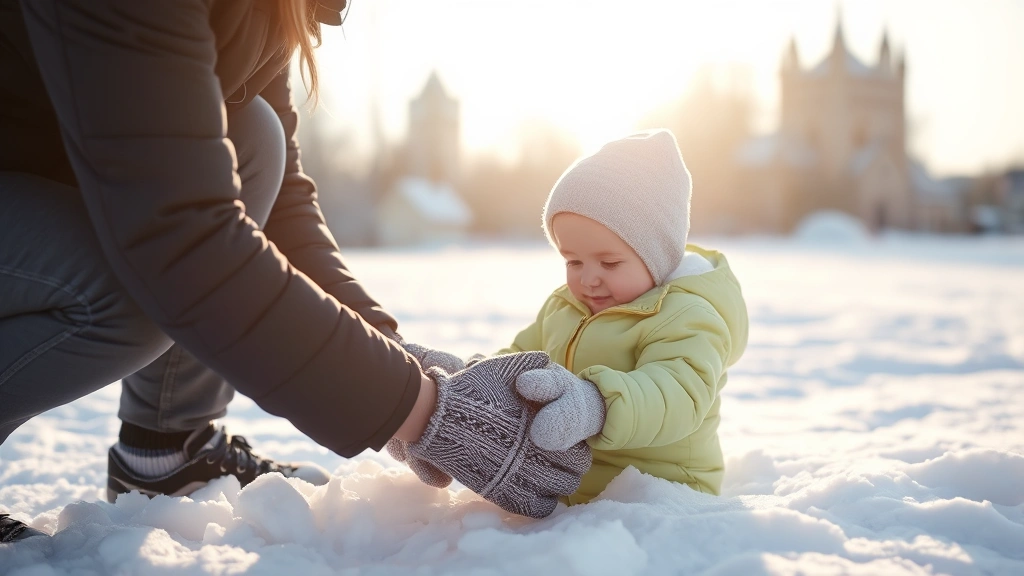
Don’t forget extremities. Quality mittens (not gloves, as mittens keep fingers together for warmth) should be waterproof and insulated. Wool or fleece liners underneath add extra protection. Thick, merino wool socks in waterproof boots keep feet warm and dry. A warm hat covering ears, a neck gaiter or scarf, and even a face mask for extreme cold complete the protective ensemble.
Age-Appropriate Snow Activities
Different developmental stages call for different winter activities. When planning essential parenting advice for raising happy and healthy children, consider your child’s age and abilities.
Newborns to 6 Months: These youngest snow babies benefit most from observing winter from protected environments. Short stroller walks in mild winter weather (above 15°F) allow sensory exposure without excessive cold exposure. Keep outings to 10-15 minutes maximum. The goal is introducing your baby to winter sights, sounds, and the feel of cool air on their face—not extended outdoor play.
6 to 12 Months: Slightly older babies can handle longer outdoor time (20-30 minutes) in appropriate conditions. Place them on a blanket in the snow for tactile exploration, though supervision is essential. Many babies enjoy watching snowflakes and listening to the quiet of snowy landscapes. Introduce them to the sensation of snow on their hands with mittens on—they’ll likely find it fascinating.
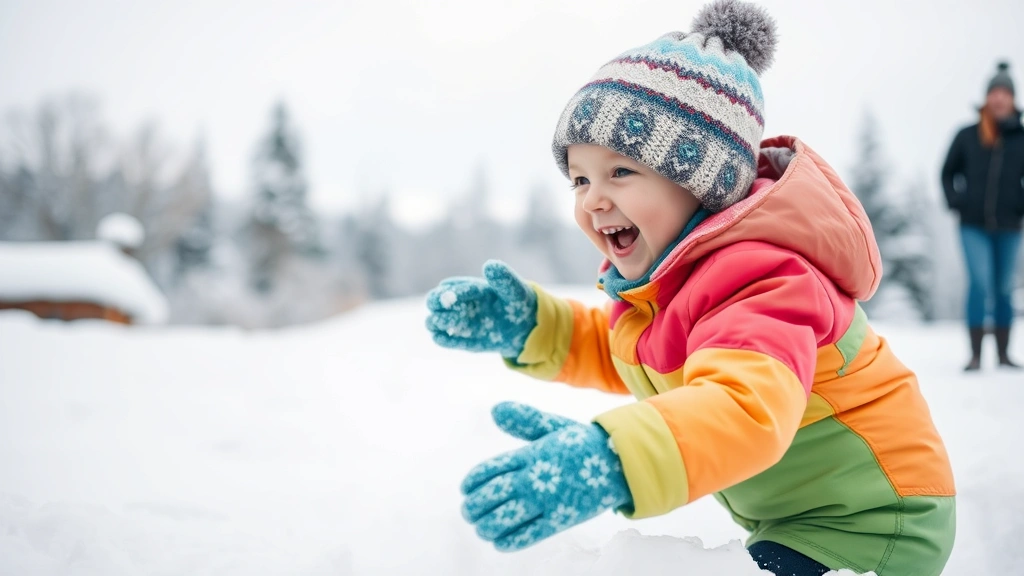
Toddlers (1 to 3 Years): This age group loves interactive snow play. Building small snowballs, making snow angels, and sledding (with a parent) provide excellent gross motor development. Toddlers generate significant body heat through activity, so monitor for overheating. Frequent indoor breaks for warming up and hydration are essential. Keep activities short and varied to maintain interest.
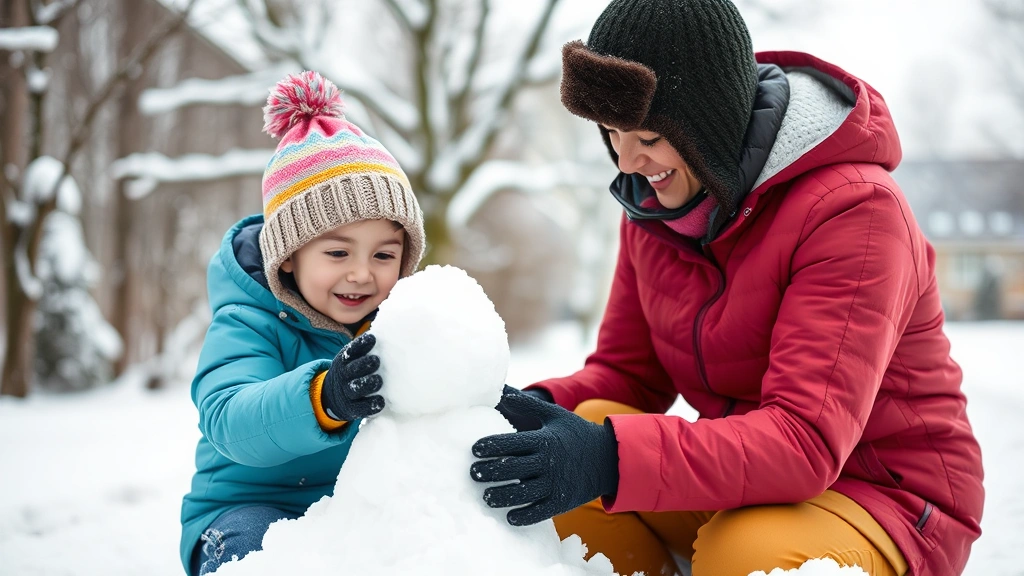
Preschoolers (3 to 5 Years): Older children can engage in more complex winter activities like building snowmen, sledding independently (with supervision), and winter scavenger hunts. They develop better cold awareness and can communicate discomfort more clearly. However, they still need frequent warming breaks and careful monitoring for signs of cold-related injury.
Must-Have Gear for Winter Adventures
Investing in quality winter gear makes outdoor time safer and more enjoyable. Here’s what every snow baby parent needs:
- Insulated Stroller or Carrier: A stroller designed for winter keeps your baby protected from wind while allowing observation of snowy scenery. Stroller blankets or bunting bags provide additional warmth without overheating concerns that come with heavy clothing.
- Quality Winter Boots: Waterproof, insulated boots with good traction prevent slips and keep feet warm and dry. Boots should fit properly with room for thick socks but not so loose that they restrict circulation.
- Snow Suit or Separate Jacket and Pants: One-piece snowsuits work well for babies and young toddlers. Older toddlers often prefer separate jackets and pants for easier bathroom breaks.
- Mittens and Liners: Waterproof outer mittens with fleece liners provide optimal protection. Attach mittens to coats with clips to prevent loss.
- Warm Hat and Neck Gaiter: A hat that covers ears and a neck gaiter or scarf protect vulnerable areas. Avoid scarves that could become caught on equipment—neck gaiters are safer for active children.
- Thermal Layers: Merino wool or synthetic base layers and insulating middle layers create the foundation for warmth.
- Hand and Foot Warmers: Chemical warmers in mittens and boots provide extra protection during extended outdoor time, though never place them directly against skin.
- Sunscreen and Lip Balm: Winter sun reflects off snow, intensifying UV exposure. Use baby-safe sunscreen and lip balm with SPF.
When selecting gear, prioritize quality over quantity. Well-made winter clothing lasts through multiple seasons and siblings, making it a worthwhile investment. Check that all fasteners work smoothly and that seams are reinforced for durability.
Managing Time Outdoors
Duration and frequency of outdoor time depend on temperature, wind chill, your child’s age, and activity level. Following parenting advice from comprehensive guides for modern parents helps establish healthy winter routines.
Temperature Guidelines: The American Academy of Pediatrics suggests limiting outdoor time for infants under 6 months when temperatures fall below 15°F. For older babies and toddlers, outdoor time can extend in mild cold (15-32°F) but should be limited in extreme cold below 0°F. Wind chill is more important than actual temperature—check the index before heading out.
Signs Your Baby Is Getting Too Cold: Watch for pale or bluish skin, shivering, lethargy, and difficulty waking. Babies may become unusually quiet or fussy. Check their core temperature by feeling their chest and back under clothing. If they feel cold, move indoors immediately. Cold cheeks are normal, but skin that remains pale after rewarming indicates a problem.
Warming Breaks: Schedule indoor breaks every 15-20 minutes for very young children or extreme cold. Use warming breaks to change wet mittens or socks, have warm drinks, and allow your child to fully rewarm. Never leave a cold baby bundled in winter gear indoors—remove layers to prevent overheating.
Activity Level Matters: Active toddlers generate significant body heat and can tolerate longer outdoor time than babies in strollers. Adjust duration based on activity level. A toddler actively playing in snow can stay out longer than one in a stroller, though both need regular monitoring.
Indoor Winter Fun
Not every day is suitable for outdoor snow adventures, and that’s perfectly fine. Indoor winter activities provide excellent entertainment and developmental benefits. Consider these alternatives when weather is extreme or your baby needs a break:
- Sensory Snow Play Indoors: Fill a bin with clean snow or use kinetic sand to create an indoor winter sensory station. Add measuring cups, funnels, and safe toys for exploration.
- Winter Crafts: Paint snowflake designs, make paper snowflakes, or create winter collages. Older toddlers enjoy cutting and pasting activities.
- Winter Story Time: Read books about snow, sledding, and winter adventures. Stories like “The Snowy Day” capture winter magic perfectly.
- Dance and Movement: Play winter music and have dance parties. Pretend to be snowflakes, sledders, or skiing animals.
- Baking Winter Treats: Make snowball cookies or gingerbread. Older toddlers can help mix ingredients and decorate.
- Window Watching: Observe falling snow from warm windows. Talk about snowflakes, icicles, and winter weather.
- Indoor Scavenger Hunts: Create hunts for winter-colored items (white, blue, silver) around your home.
Indoor activities complement outdoor adventures and provide valuable learning experiences on days when winter weather is too severe for outside play. These activities also help snow babies develop winter appreciation year-round.
Frequently Asked Questions
At what age can babies go outside in snow?
Newborns can go outside in mild winter weather (above 15°F) for short periods. Very young babies should have minimal cold exposure. Around 6 months, babies can handle slightly longer outdoor time. Always check temperature and wind chill before heading out, and keep initial outings brief.
How do I know if my baby is too cold?
Signs of excessive cold include pale or bluish skin, shivering, lethargy, difficulty waking, and unusual quietness. Feel your baby’s chest and back under clothing to check core temperature. If they feel cold, move indoors immediately and gradually rewarm them with blankets and warm (not hot) beverages for older children.
Can I use chemical hand warmers for babies?
Chemical hand warmers are safe for babies when used properly. Never place them directly against bare skin or inside mittens without a barrier. Use them inside coat pockets or specialized warmer pouches. Always supervise and ensure they don’t overheat your baby.
What’s the best way to layer a baby for winter?
Use the three-layer system: moisture-wicking base layer (merino wool or synthetic), insulating middle layer (fleece or wool), and waterproof outer layer (snowsuit or jacket and pants). Avoid cotton, which absorbs moisture. Ensure layers fit comfortably without restricting circulation or movement.
How often should we take warming breaks?
For infants and young toddlers in extreme cold, take warming breaks every 15-20 minutes. For older toddlers in mild winter weather, breaks every 20-30 minutes suffice. Active children generating body heat can extend outdoor time longer than passive children in strollers. Always prioritize your child’s comfort and safety.
Is sunscreen necessary in winter?
Yes, winter sun reflects off snow, intensifying UV exposure. Use baby-safe sunscreen (SPF 30+) on exposed skin, especially the face and ears. Reapply every two hours or after your child plays in snow. Lip balm with SPF protects lips from both UV damage and chapping.
What should I do if my baby gets frostbite?
Move your baby indoors immediately and gradually rewarm affected areas with body heat or lukewarm (not hot) water. Do not rub the area or apply direct heat. Contact your pediatrician immediately. Severe frostbite requires emergency medical attention. Prevention through proper layering and limiting cold exposure is far preferable to treatment.
Can I take my newborn sledding?
Newborns and young infants should not sled. The jostling motion and impact are inappropriate for their developmental stage. Once babies reach 12-18 months and can sit independently, gentle sledding with a parent (with proper safety restraints) becomes appropriate. Always supervise closely and ensure appropriate protective gear.
Winter offers unique opportunities to bond with your snow babies while building their resilience and winter appreciation. By following these expert-backed guidelines and prioritizing safety alongside fun, you’ll create magical winter memories your family treasures for years. Remember that every child is different—what works for one snow baby may need adjustment for another. Trust your instincts, watch your child carefully, and don’t hesitate to consult your pediatrician about winter activities appropriate for your specific child.
For additional parenting guidance on raising healthy children through all seasons, explore comprehensive resources designed specifically for modern families. The CDC’s cold weather safety guide provides additional evidence-based recommendations. Organizations like Healthy Children offer extensive resources on child development and safety. Winter parenting requires vigilance, but the rewards—watching your snow babies discover the wonder of winter—make every precaution worthwhile.
Visit our Parent Path Daily Blog for more seasonal parenting tips and expert advice throughout the year. Whether you’re preparing for winter adventures or planning spring activities, we provide practical guidance for every parenting season.