St. Louis vs. Baby Back Ribs: Which Should You Serve Your Kids?
When planning family dinners, ribs are often a crowd-pleaser that kids genuinely enjoy. But if you’re standing in the butcher’s section deciding between St. Louis and baby back ribs, you might wonder which option is actually better for your children. Both cuts have distinct characteristics that affect not just flavor and texture, but also safety, nutrition, and ease of eating for young diners. Understanding these differences helps you make an informed choice that keeps your family happy and healthy.
The decision between these two popular rib cuts goes beyond personal preference—it’s about considering your child’s age, developmental stage, and ability to handle different textures and bone sizes. As parents, we want meals that are enjoyable, nutritious, and safe for our kids. This guide breaks down everything you need to know about serving ribs to children, from nutritional content to preparation tips that make mealtime stress-free.
Quick Navigation
- What Are St. Louis Ribs?
- What Are Baby Back Ribs?
- Nutrition Comparison
- Safety for Kids
- Age Recommendations
- How to Prepare Ribs Safely
- Frequently Asked Questions
What Are St. Louis Ribs?
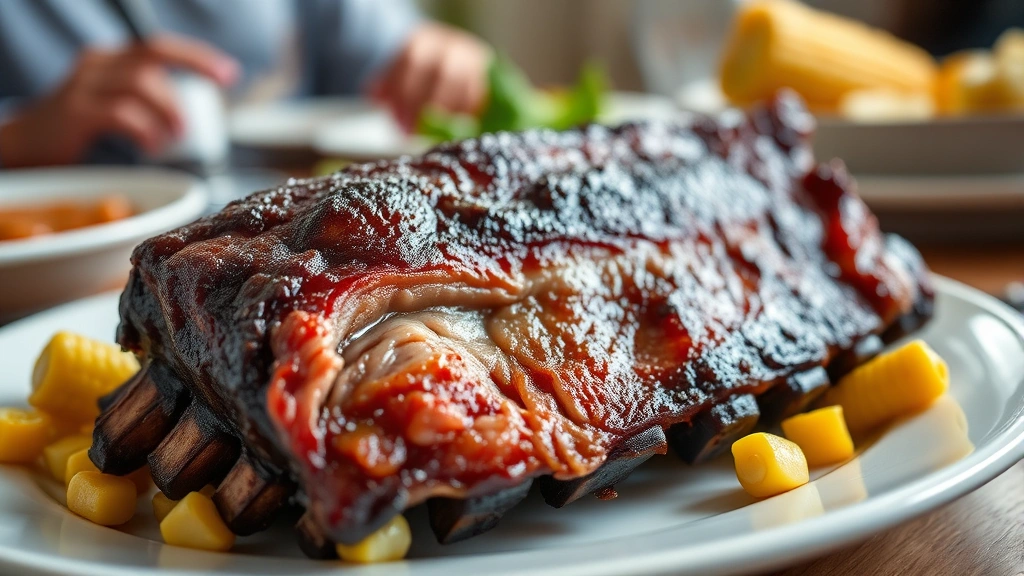
St. Louis ribs are cut from the side of the ribcage, specifically from the lower chest area of the pig. Butchers trim them into a rectangular shape by removing the sternum and cartilage, creating a more uniform appearance than baby back ribs. This cut typically includes more meat between the bones and along the edges, making them meatier overall.
The bones in St. Louis ribs are flatter and wider than baby back bones, and they’re generally thicker. This means they contain more connective tissue and fat, which requires longer cooking times to break down properly. When cooked correctly, this extra fat renders out and creates incredibly tender, juicy meat that practically falls off the bone.
St. Louis ribs are sometimes called “spare ribs” or “spareribs,” though technically spareribs are a slightly different cut. For family meals, St. Louis ribs offer substantial portions and a satisfying eating experience. They’re excellent for slow cooking, smoking, or braising—methods that transform the tougher connective tissue into gelatin, resulting in fall-apart tenderness.
What Are Baby Back Ribs?
Baby back ribs come from the upper ribcage, closer to the backbone of the pig. They’re called “baby” not because they come from young pigs, but because they’re smaller and more delicate than other rib cuts. These ribs are naturally leaner than St. Louis ribs, with less fat marbling throughout the meat.
The bones in baby back ribs are thinner and more curved, creating a more elegant presentation on the plate. There’s less meat overall compared to St. Louis ribs, but the meat that’s there is typically more tender naturally, even with shorter cooking times. Baby back ribs cook faster—usually in 4-6 hours compared to 6-8 hours for St. Louis—making them convenient for weeknight family dinners.
Baby back ribs have become increasingly popular in restaurants and home cooking because they’re easier to handle and cook. The smaller bones make them feel less intimidating to younger eaters, and the naturally tender meat requires less effort to separate from the bone. These characteristics make them an excellent choice for introducing ribs to children.
Nutrition Comparison: What’s Best for Growing Kids?
When evaluating which ribs to serve your children, nutrition matters significantly. Both cuts provide protein, iron, and B vitamins essential for child development, but they differ in fat content and calorie density.
St. Louis Ribs Nutritional Profile
A 3-ounce serving of cooked St. Louis ribs (without sauce) contains approximately:
- 270-290 calories
- 20-22 grams of protein
- 20-22 grams of fat (mostly saturated)
- 0 grams of carbohydrates
- Iron, zinc, and B vitamins
The higher fat content in St. Louis ribs makes them more calorie-dense. While fat isn’t inherently bad for children—healthy fats support brain development—the saturated fat content is something to monitor, especially for kids with family histories of heart disease.
Baby Back Ribs Nutritional Profile
A 3-ounce serving of cooked baby back ribs (without sauce) contains approximately:
- 200-220 calories
- 22-24 grams of protein
- 12-14 grams of fat
- 0 grams of carbohydrates
- Iron, zinc, and B vitamins
Baby back ribs offer higher protein relative to fat, making them a leaner choice. For children watching their weight or those with certain dietary restrictions, baby back ribs provide substantial nutrition with fewer calories. The protein-to-calorie ratio makes them particularly suitable for active kids and teenagers.
Making the Nutritional Choice
Neither cut is inherently “unhealthy”—both provide valuable nutrients. Your choice depends on your family’s dietary goals. If you’re serving ribs weekly, baby back might be the better regular choice. For occasional treats or special occasions, St. Louis ribs’ richer flavor and tenderness might make them worth the extra calories. Remember that balanced parenting advice includes modeling healthy eating habits through variety and moderation.
Safety Considerations for Children
Safety is paramount when serving any bone-in meat to children. Choking hazards and splinter risks require careful consideration and proper preparation.
Bone Size and Shape
Baby back ribs present fewer safety concerns than St. Louis ribs for younger children. The smaller, more uniform bones are easier for kids to grip and manipulate. St. Louis ribs’ larger, flatter bones can be more challenging for toddlers and preschoolers to handle safely. However, proper preparation—such as removing meat from bones before serving very young children—eliminates this concern entirely.
Choking Risk Assessment
The American Academy of Pediatrics recommends avoiding high-choking-risk foods for children under 4 years old. Bone-in meats require supervision and may need adaptation for this age group. For children 4 and older with demonstrated chewing ability, both rib types can be served safely with supervision.
Bone Splinter Risk
Baby back ribs have thinner bones that are less likely to splinter during cooking or eating. St. Louis ribs’ thicker bones occasionally splinter, particularly if cooked improperly or if children chew aggressively. Always inspect ribs visually before serving and teach children proper eating technique—biting meat away from bones rather than gnawing on them.
Age-Appropriate Recommendations
Ages 6-12 Months
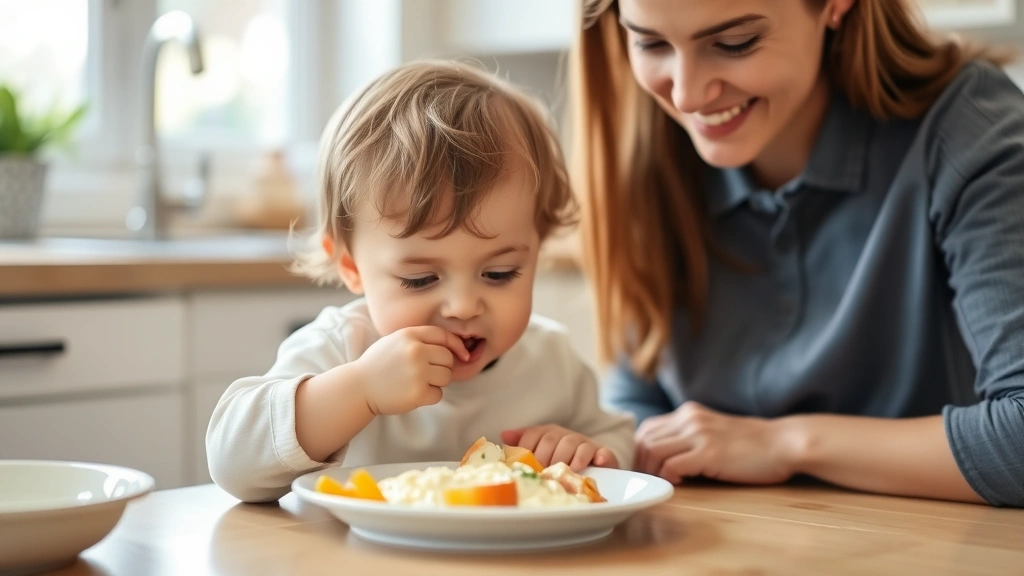
Infants in this age range should not have bone-in ribs. If you’re serving ribs at family meals, remove all meat from bones and cut into age-appropriate pieces. Offer only the boneless meat, shredded or minced, without any sauce containing honey or excessive sodium.
Ages 12-24 Months
Toddlers can have small pieces of rib meat removed from bones. Baby back ribs work better than St. Louis because the meat separates more easily. Offer soft, boneless pieces about the size of a pea. Avoid sauce or offer sauce on the side to control sodium intake. Always supervise closely and ensure your toddler sits while eating.
Ages 2-4 Years
Preschoolers can begin eating bone-in baby back ribs under close supervision. The smaller bones are safer to handle. St. Louis ribs can be offered if you remove all meat from bones first, creating a safer eating experience. Teach them to chew thoroughly and never to swallow bones. Limit sauce to reduce sodium intake for this age group.
Ages 4 and Older
School-age children can eat both St. Louis and baby back ribs with proper supervision. At this age, most children have developed sufficient chewing ability and food safety awareness. However, continue supervising meals and teaching proper eating technique. Encourage them to use napkins and practice table manners while enjoying this fun, hands-on meal.
How to Prepare Ribs Safely for Kids
Selection and Storage
Choose ribs that appear moist and well-colored at purchase. Store raw ribs on the bottom shelf of your refrigerator below other foods to prevent cross-contamination. Use within 3-4 days or freeze for up to 3 months. Thaw frozen ribs in the refrigerator, never at room temperature.
Cooking Methods
Low and slow cooking methods work best for both cuts. Baby back ribs typically cook at 225-250°F for 4-6 hours. St. Louis ribs need 6-8 hours at the same temperature. Slow cooking breaks down connective tissue, making meat extremely tender—ideal for young eaters who need softer textures.
Alternatively, you can boil ribs for 30-45 minutes before finishing on the grill or in the oven. This method reduces cooking time significantly, perfect for weeknight meals. The USDA Food Safety and Inspection Service recommends internal temperatures reach 145°F for pork.
Sauce Considerations
Commercial barbecue sauces often contain high sodium, added sugars, and preservatives unsuitable for young children in large quantities. Make homemade sauce with tomato paste, honey (for kids over 1 year), apple cider vinegar, and spices. This gives you control over ingredients and allows you to serve sauce on the side for dipping, letting kids control their intake.
Serving and Supervision
Serve ribs on a clean plate with plenty of napkins or wet wipes nearby. Remove any small bones or cartilage pieces before serving. Ensure your child sits at a table during the meal—never allow eating while walking or playing. Stay nearby and watch for proper chewing and swallowing. Teach children to ask for help if a bone piece feels uncomfortable in their mouth.
Frequently Asked Questions
Can babies eat ribs?
Babies under 8-10 months should not have rib meat due to choking risk and difficulty managing bones. Once your baby demonstrates proficiency with soft finger foods (around 10-12 months), you can offer small, boneless pieces of very tender rib meat. Always supervise closely and ensure pieces are age-appropriate size.
Which ribs are less fatty for kids?
Baby back ribs contain significantly less fat than St. Louis ribs. If you’re concerned about fat intake, baby back ribs are the leaner choice, offering comparable protein with fewer calories. You can also trim visible fat from either cut before cooking to reduce fat content further.
Are ribs a choking hazard?
Bone-in ribs do present choking risks for young children, particularly under age 4. However, with proper preparation—removing meat from bones for very young children—and supervision, children 2 and older can safely enjoy ribs. Always ensure meat is thoroughly cooked until tender and teach proper chewing technique.
How do I remove meat from ribs safely?
Allow cooked ribs to cool slightly until comfortable to handle. Using your fingers or a fork, gently pull meat away from bones. For baby back ribs, meat often falls off cleanly. For St. Louis ribs, you may need to cut meat away with a knife. Remove all small bone fragments and cartilage before serving to your child.
Can I serve ribs with sauce to young kids?
Yes, but homemade sauce is preferable to commercial versions for children under 4 due to sodium content. Serve sauce on the side for dipping, allowing you to control how much your child consumes. Avoid sauces containing honey for babies under 12 months. For older kids, sauce adds flavor and makes eating fun—just monitor total daily sodium intake.
What’s the best side dish to serve with ribs?
Pair ribs with soft, nutritious sides like mashed sweet potatoes, steamed broccoli, corn, or coleslaw. These sides complement the rich rib meat and provide vegetables and additional nutrients. Avoid hard or crunchy sides that might compete with rib-eating supervision.
How often can kids eat ribs?
Because ribs are relatively high in fat and sodium (especially with sauce), serve them occasionally rather than regularly. Once or twice monthly is reasonable for most children as part of a balanced diet. Balance rib meals with lighter proteins like chicken or fish on other days. Check our Parent Path Daily Blog for more family meal ideas.
Should I remove the membrane from ribs?
Yes. The thin membrane on the bone side of ribs is tough and unpleasant to eat. Remove it by sliding a butter knife under the membrane and peeling it away before cooking. This simple step makes ribs more enjoyable for everyone, especially children who might find the texture off-putting.
Making Your Choice: Final Recommendations
For most families serving ribs to children, baby back ribs emerge as the better choice. They’re naturally more tender, cook faster, present fewer safety concerns due to smaller bone size, and offer a leaner nutritional profile. The ease of eating and handling makes them ideal for children learning proper eating skills.
However, St. Louis ribs aren’t off-limits. For special occasions, older children (8+), or when you’re willing to remove meat from bones for younger eaters, St. Louis ribs deliver superior flavor and satisfaction. Their meatier structure and richer taste make them special-occasion worthy.
The real secret to success is proper preparation and supervision. Whether you choose baby back or St. Louis ribs, slow cooking until tender, removing bones for young children, and supervising meals carefully ensures safety and enjoyment. Ribs are a wonderful food for bringing families together—messy, fun, and delicious when handled thoughtfully.
Remember that introducing new foods is part of developing healthy eating habits. Our comprehensive parenting guide offers additional strategies for encouraging adventurous eating. With the right approach, ribs can become a beloved family meal that creates lasting memories around the dinner table.