Why Do Babies Cry for Snacks? Expert Insights on Infant Hunger Cues
If you’ve ever reached for a snack only to have your baby dissolve into tears demanding a taste, you’re not alone. The image of a tiny human crying “stop taking my chips, I’m just a baby!” might seem humorous, but it reflects a genuine developmental reality: babies and toddlers are naturally drawn to food, especially when they see caregivers enjoying it. Understanding why babies cry for snacks isn’t just about managing mealtime tantrums—it’s about recognizing legitimate hunger signals, developmental milestones, and the fascinating psychology behind infant food behavior.
Babies cry for snacks for multiple interconnected reasons rooted in biology, psychology, and social development. From genuine nutritional needs to curiosity-driven exploration and learned behaviors, your little one’s persistent demands deserve thoughtful examination. This guide explores the science behind infant snacking behavior and provides practical strategies for managing food requests while supporting healthy eating patterns.
Table of Contents
- Understanding True Hunger vs. Habit
- Developmental Reasons Babies Want Your Snacks
- Nutritional Needs and Growth Spurts
- Social Learning and Food Curiosity
- Managing Snack Requests Effectively
- Offering Healthy Alternatives
- Frequently Asked Questions
Understanding True Hunger vs. Habit
Distinguishing between genuine hunger and habitual crying is crucial for responsive parenting. According to the American Academy of Pediatrics, infants communicate their needs through crying, and learning to interpret these signals strengthens your parent-child bond. True hunger cues differ markedly from other reasons babies cry.
Genuine hunger typically manifests through specific physical signs. Babies may root (turning their head seeking a nipple), place their hands in their mouth, or display increased alertness and activity. Crying from hunger tends to be rhythmic and persistent, escalating until fed. In contrast, crying from boredom, tiredness, or overstimulation often has different patterns—it may be more intermittent or accompanied by rubbing eyes or arching the back.
When your baby cries upon seeing you eat, consider the timing of their last meal. If they ate within the past hour and show no other hunger signs, they’re likely responding to curiosity and social observation rather than caloric need. Babies develop object permanence around four to six months, meaning they understand that food exists even when not in their mouth. This cognitive milestone coincides with increased interest in what others are eating.
Keep a simple feeding log to track patterns. Note the time of meals, duration, and any snacking episodes. Over a week, patterns emerge revealing whether crying correlates with actual hunger or occurs at consistent times regardless of when they last ate. This data-driven approach removes guesswork and helps you respond more accurately to your baby’s needs.
Developmental Reasons Babies Want Your Snacks
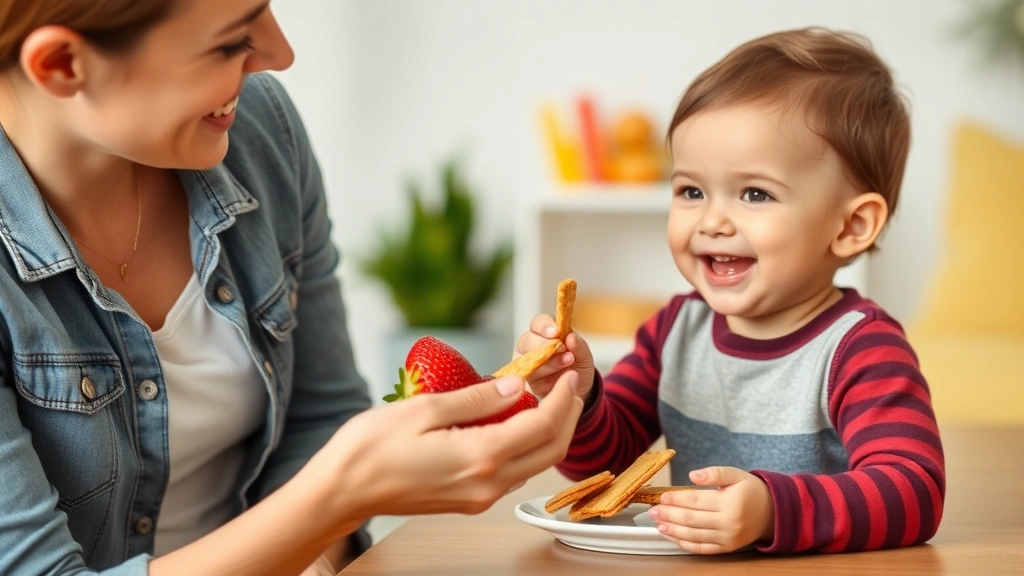
Babies cry for snacks for reasons extending far beyond hunger. Understanding these developmental drivers helps you respond with empathy while maintaining appropriate boundaries. Your little one’s interest in your chips, crackers, or cookies reflects normal cognitive and social development.
Between six and twelve months, babies enter a critical period of sensory exploration. Everything goes into the mouth—not just for nutrition but for tactile and taste information gathering. When babies see you enjoying food, they experience a powerful urge to investigate. They haven’t yet developed the cognitive ability to understand that some foods are “yours” versus “theirs.” From their perspective, food is food, and if it looks interesting, it must be worth crying about.
Social learning accelerates during the second year of life. Toddlers are natural mimics, eager to replicate adult behaviors. When you eat with apparent enjoyment, your baby wants to participate in that enjoyable activity. This isn’t manipulation—it’s a developmental drive toward social inclusion and modeling. Babies watch intently as you bring food to your mouth, chew, and show satisfaction. They think, “That looks important. I want to be part of that.”
Another factor is the Zero to Three organization’s research on infant development, which shows that babies develop preferences and food neophobia (fear of new foods) during the first few years. When they see you eating something, they’re gathering information about whether it’s safe and desirable. Your consumption of a food signals to them that it’s worth trying.
Additionally, babies and toddlers have shorter attention spans and shifting interests. What they don’t want five minutes ago becomes desperately essential when they see it in your hands. This isn’t defiance; it’s the nature of developing executive function and impulse control. Your baby genuinely cannot understand why something you’re eating is off-limits to them.
Nutritional Needs and Growth Spurts
Sometimes babies cry for snacks because they genuinely need additional nutrition. Understanding your baby’s actual caloric requirements prevents both overfeeding and under-nourishing your growing child. Growth happens in spurts, and during these periods, babies experience increased appetite that may seem insatiable.
Infants double their birth weight within five to six months and triple it by their first birthday. This explosive growth requires substantial calories and nutrients. Between ages one and three, growth slows, but toddlers remain highly active, burning significant energy through play and exploration. Their small stomachs cannot hold large volumes, necessitating frequent small meals and snacks throughout the day.
The Academy of Nutrition and Dietetics recommends that toddlers ages one to three consume approximately 1,000-1,400 calories daily, distributed across three meals and two to three snacks. This translates to eating roughly every two to three hours. If your baby is crying for snacks within thirty minutes of a meal, genuine hunger may indeed be the culprit.
Growth spurts typically occur around three months, six months, nine months, and twelve months, with additional spurts during toddlerhood. During these periods, babies may eat more frequently and in larger quantities. Parents often report surprise at how much their baby suddenly consumes during a growth spurt. This increased appetite is developmentally appropriate and should be accommodated with nutritious options.
However, not all snacking requests indicate legitimate hunger. Babies also cry for snacks due to teething discomfort, boredom, or learned associations between eating and comfort. The key is responsive observation: Does your baby seem genuinely hungry with other accompanying signs, or are they seeking the comfort and attention associated with snacking?
Social Learning and Food Curiosity
Babies are sophisticated social learners who observe and internalize family eating patterns from birth. The way you approach food, your enthusiasm about certain snacks, and your willingness to share all communicate powerful messages about food’s role in your family.
Research in developmental psychology demonstrates that children learn food preferences and eating behaviors largely through observation and imitation. When your baby sees you enjoying a snack with apparent pleasure, they register that this food is desirable and safe. Your casual consumption becomes a form of food approval that influences their developing preferences.
Furthermore, snacking often occurs in relaxed, social contexts. You’re sitting comfortably, not rushing, seemingly content. Your baby wants to participate in this positive experience. Food becomes associated with togetherness, comfort, and attention. When you’re eating and they’re not, they experience a sense of exclusion—they want to be where the positive experience is happening.
Babies also develop understanding around possession and sharing during the toddler years. The concept that “this is mine and that is yours” emerges gradually. Initially, they don’t understand why you can have something they cannot. From their developing perspective, the rules seem arbitrary and unfair. This isn’t defiance but rather a cognitive limitation in understanding ownership and boundaries.
The way you respond to snack requests shapes future food behavior. If you consistently deny all requests with frustration, your baby may learn that food is scarce or that asking results in negative attention. If you always capitulate, they may learn to cry for snacks as an effective strategy for getting attention, regardless of hunger. Balanced, responsive approaches work best.
Managing Snack Requests Effectively
Successfully managing your baby’s snack requests requires combining empathy with appropriate boundaries. You can honor your baby’s developmental needs while maintaining healthy eating patterns and reasonable limits. The goal is teaching your child about food, hunger, and family rules without shaming or punishing.
First, establish a predictable feeding schedule. When babies know snacks arrive at consistent times, they cry less between scheduled eating periods. Offer snacks every two to three hours for toddlers, aligned with their nutritional needs. Predictability reduces anxiety and demonstrates that their needs will be met regularly. When your baby knows a snack is coming in thirty minutes, they may more easily wait rather than crying immediately.
Second, acknowledge your baby’s interest without automatically providing the requested food. “I see you want some of my crackers. Those look tasty, don’t they?” This validates their observation and emotional experience while maintaining your boundary. You’re teaching that their feelings matter even when you don’t grant every request.
Third, offer appropriate alternatives. If your baby wants your salty chips, offer their own age-appropriate snack: soft pretzels, whole grain crackers, or fruit. This teaches that snacks are available through appropriate channels while satisfying their urge to eat. Many babies accept alternatives readily when presented with genuine enthusiasm rather than dismissal.
Fourth, involve your baby in essential parenting advice for healthy development by creating opportunities for food participation. Let them watch you prepare snacks, touch safe foods, and help with age-appropriate tasks like tearing lettuce or placing berries in bowls. This transforms them from outsiders wanting your food into active participants in food preparation and consumption.
Fifth, model healthy snacking yourself. Eat primarily nutritious foods, and enjoy treats mindfully. Your baby learns from your choices. If you’re constantly eating high-sugar snacks and protecting them from your baby, you communicate that these foods are especially desirable and special. A balanced approach teaches balanced eating.
Finally, stay consistent. Your baby will test boundaries repeatedly—this is normal. If you sometimes give in and sometimes don’t, you inadvertently teach that persistent crying eventually succeeds. Consistent, calm responses (whether offering an alternative or kindly declining) establish clear expectations and reduce overall crying over time.
Offering Healthy Alternatives
Rather than viewing your baby’s snack requests as a problem to eliminate, reframe them as opportunities to guide healthy eating habits. Offering nutritious alternatives satisfies your baby’s developmental needs while establishing positive food associations.
Age-appropriate snack options depend on your baby’s developmental stage. For babies six to twelve months beginning solid foods, offer soft, mashable options: mashed banana, avocado, yogurt, cooked sweet potato, or well-cooked pasta. These satisfy oral exploration needs while providing nutrition.
For toddlers twelve months and older, expand options: whole grain crackers, cheese cubes, soft fruit (berries, melon, banana), vegetables with hummus, whole grain bread, unsweetened applesauce, and plain yogurt. These snacks provide sustained energy without excessive sugar or sodium.
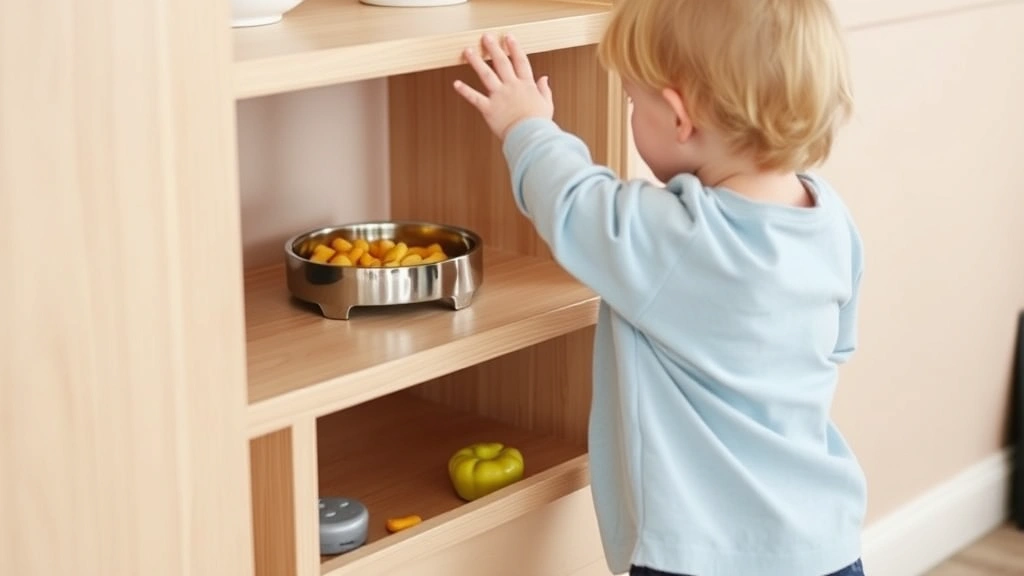
Create a snack station at your baby’s level, containing several healthy options in small containers or on a low shelf. This empowers your baby to access snacks independently (with supervision) and teaches self-regulation. When babies can access snacks themselves, they often eat less overall because they’re not driven by the psychological appeal of “forbidden” food.
Involve your baby in snack selection. “Would you like berries or cheese for your snack?” This provides autonomy within healthy boundaries and teaches decision-making. Babies who participate in food choices show greater acceptance and enthusiasm for eating.
Consider texture variety. Some babies prefer crunchy snacks, others smooth or chewy options. Offering variety—crispy toast, soft cheese, chewy dried fruit—keeps snacking interesting and satisfies different sensory preferences. This exploration supports developing sophisticated palates.
Remember that some foods you eat shouldn’t be offered to babies. Honey (risk of botulism), choking hazards like whole grapes or nuts, high-sodium processed foods, and foods with added sugars should be limited or avoided. You can honestly tell your baby, “That’s a grown-up snack,” while offering an alternative they can safely enjoy.
Frequently Asked Questions
At what age do babies start crying for snacks?
Babies typically show interest in food others are eating around four to six months when object permanence develops. Deliberate crying for snacks usually emerges between eight to twelve months as babies develop stronger intentionality and understanding that food exists beyond their immediate view. Toddlers become most persistent about snack requests between eighteen months and three years.
Is it okay to give my baby snacks whenever they cry for them?
Always giving in teaches that crying successfully obtains snacks, potentially encouraging more crying. However, completely denying all requests ignores legitimate hunger and curiosity. The balanced approach: offer snacks on a predictable schedule, respond to snack requests with alternatives or kind refusals, and always take genuine hunger seriously. This teaches that needs are met reliably without rewarding persistent crying.
How do I know if my baby is truly hungry or just wanting my food?
Truly hungry babies show multiple signs: hand-to-mouth behavior, rooting, increased alertness, and escalating crying if not fed. Babies wanting your food specifically often calm down when offered an alternative, show interest only when they see you eating, or cry but seem easily distracted. Timing matters too—if they ate within the past hour with no signs of growth spurt, they’re likely not genuinely hungry.
Should I worry if my baby eats snacks constantly?
Frequent snacking is developmentally normal for babies and toddlers with small stomachs and high energy needs. However, if snacking prevents consumption of balanced meals or consists primarily of empty calories, it warrants attention. Ensure snacks are nutritious, scheduled rather than constant, and that they don’t replace regular meals. Consult your pediatrician if you’re concerned about overall nutrition.
How can I set boundaries without making my baby feel rejected?
Acknowledge feelings while maintaining boundaries: “I know you want my crackers. I’m eating them right now, but let’s get you something yummy to eat too.” This validates their experience and desire while explaining your boundary clearly. Your baby learns that their feelings matter and that needs can be met through appropriate channels, building security rather than rejection.
Does giving my baby snacks affect their main meal appetite?
Strategic snacking actually supports healthy meal consumption. Babies who get appropriate snacks between meals arrive at mealtimes pleasantly hungry—not overstuffed from constant grazing or desperately ravenous from extreme hunger. Offer snacks two to three hours before meals to maximize meal appetite while preventing the desperation that leads to overeating.
What if my baby has allergies or sensitivities?
Keep alternative snacks that match your baby’s dietary needs readily available. If your baby is allergic to peanuts and you’re eating peanut butter crackers, offer age-appropriate allergy-safe alternatives immediately. This teaches your baby that their health needs are taken seriously while providing alternatives that satisfy their snacking desire. Work with your pediatrician on safe options.