What Is a Sugar Baby Watermelon? Expert Guide to Growing and Enjoying This Delicious Variety
If you’ve wandered through a farmers market or produce aisle recently, you might have spotted a peculiar label: “Sugar Baby Watermelon.” Unlike the massive, striped watermelons that dominate summer picnics, these compact fruits have earned their charming name for good reason. They’re smaller, sweeter, and surprisingly practical for modern families who don’t need to feed an entire neighborhood. Whether you’re planning a baby shower with thoughtful food selections or simply looking to add variety to your summer fruit rotation, understanding what makes these watermelons special is worth your time.
Sugar Baby watermelons represent a fascinating intersection of horticulture and practicality. These petite powerhouses pack concentrated sweetness into a package that fits comfortably on most kitchen countertops. They’ve become increasingly popular with families, health-conscious consumers, and anyone tired of wasting half a watermelon because it simply didn’t get eaten fast enough. The story behind their development, their nutritional profile, and how to select the perfect one at the market all deserve exploration.
This guide will walk you through everything you need to know about Sugar Baby watermelons—from their origins and characteristics to growing tips, storage methods, and creative serving ideas. By the end, you’ll understand why these diminutive melons have captured the hearts (and taste buds) of so many.
What Exactly Is a Sugar Baby Watermelon?
A Sugar Baby watermelon is a small, round variety of watermelon that typically weighs between 6 to 10 pounds at maturity. This compact size makes it fundamentally different from the standard watermelons many of us grew up with, which can easily exceed 20 pounds. The name isn’t arbitrary—these melons are genuinely sweeter than many larger varieties, with flesh that’s deep red and densely packed with juice.
The defining feature of a Sugar Baby watermelon is its consistency. Unlike some varieties that can be hit-or-miss in terms of sweetness, Sugar Baby melons maintain a reliable level of sugar content throughout their flesh. This predictability is one reason they’ve become so popular with families who want to ensure they’re getting a quality fruit. The rind is typically dark green, almost black, with faint striping, and the flesh contains relatively few seeds compared to larger varieties.
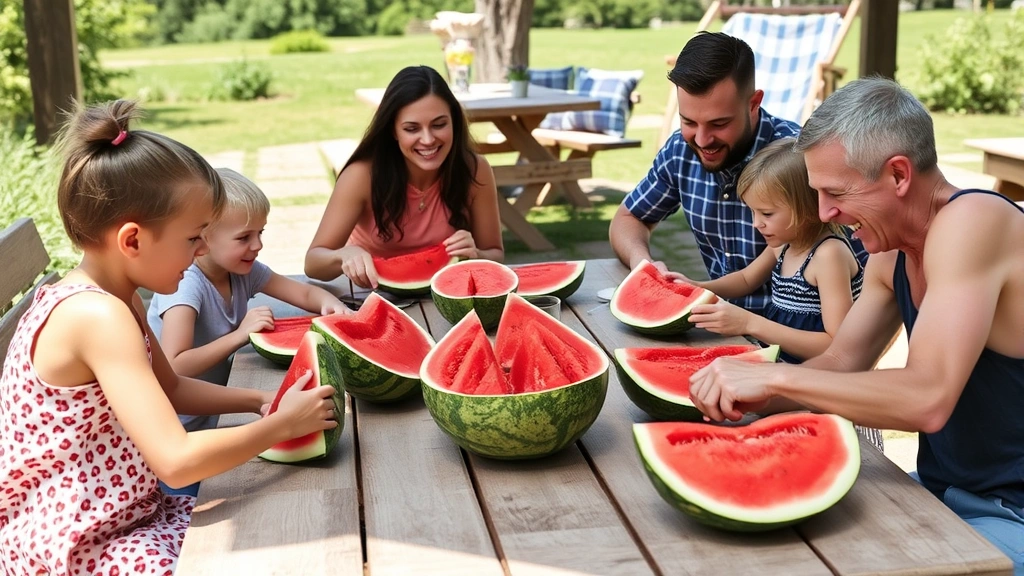
For parents planning gatherings—whether it’s a casual backyard barbecue or a more formal baby shower menu—Sugar Baby watermelons offer practical advantages. They’re easier to cut, require less storage space, and there’s minimal waste since most households will actually finish the fruit before it spoils.
The History and Development Behind the Variety
The Sugar Baby watermelon didn’t appear by accident. Plant breeders in the 1950s recognized a growing need for smaller watermelon varieties as family sizes shifted and urban living became more common. The goal was to create a melon that maintained the sweetness and flavor of larger varieties while fitting into modern kitchens and lifestyles.
The variety was formally developed and popularized during the 1960s and 1970s, becoming a staple in American farmers markets by the 1980s. Agricultural researchers focused on breeding for concentrated sugar content, disease resistance, and consistent size. According to nutritional research from AARP, this selective breeding resulted in a fruit that could deliver premium flavor in a more manageable package.
The name “Sugar Baby” itself reflects the marketing approach of the era—emphasizing the sweetness and diminutive size. It’s a name that has stuck precisely because it accurately describes what consumers experience when they cut into one of these melons. Today, Sugar Baby watermelons are recognized worldwide and have inspired similar small-melon breeding programs in other countries.
Key Characteristics and Appearance
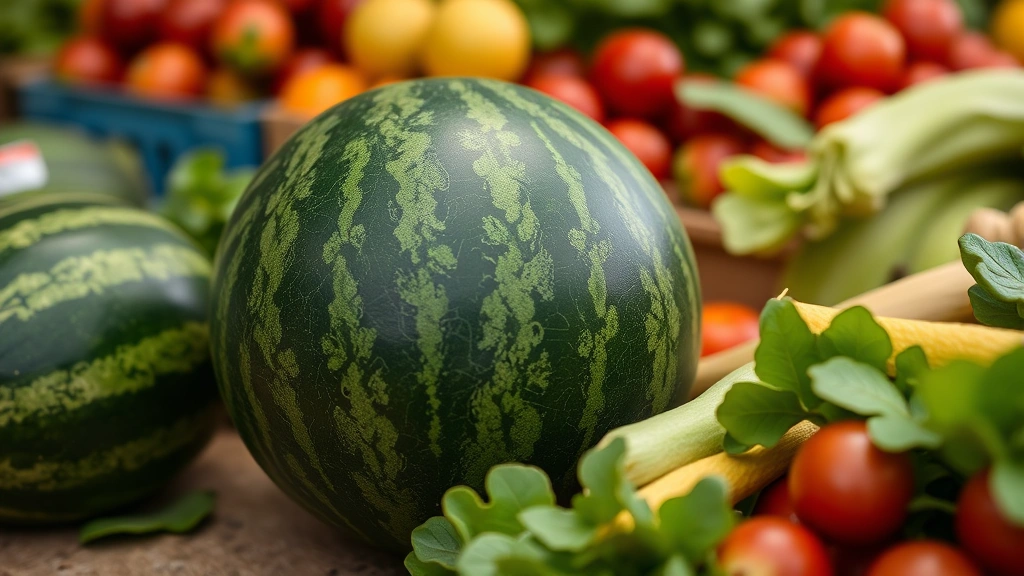
Understanding what to look for when shopping for a Sugar Baby watermelon starts with recognizing its distinctive appearance. These melons are notably round or slightly oval, with a symmetrical shape that’s almost uniform from one fruit to the next. The rind color is a deep, dark green that often appears nearly black in certain lighting, and this darkness is actually a positive indicator of ripeness.
The exterior typically features subtle striping or webbing patterns, though these are far less pronounced than on larger watermelon varieties. This quieter aesthetic actually appeals to many home gardeners and consumers who appreciate understated elegance. The rind thickness is moderate—not so thin that it bruises easily, but not so thick that you’re left with excessive waste after cutting.
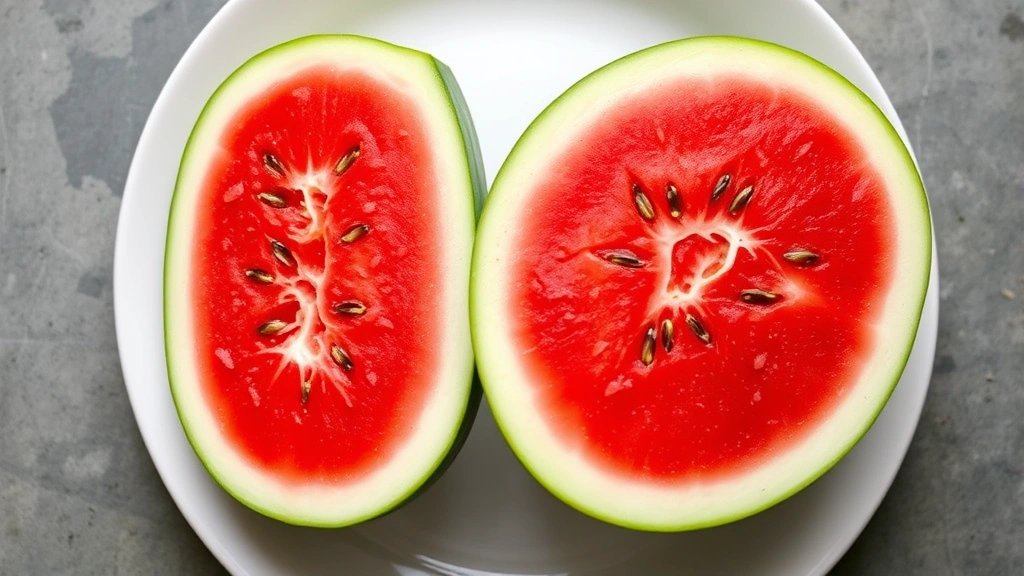
Inside, the flesh is consistently bright red with a fine, crisp texture. The seed distribution in Sugar Baby watermelons is relatively sparse compared to other varieties, which many families appreciate when serving to young children. The juice content is high, and the flesh maintains its firmness and structure even when fully ripe, making these melons excellent for both fresh consumption and cutting into decorative shapes.
Nutritional Benefits for Your Family
Sugar Baby watermelons aren’t just delicious—they’re also genuinely nutritious. A cup of raw watermelon contains only about 46 calories, making it an excellent choice for health-conscious families. These melons are approximately 92% water, which makes them incredibly hydrating, particularly valuable during hot summer months when maintaining proper hydration is essential.
The nutritional profile includes significant amounts of vitamin C, which supports immune function and skin health. Watermelons also contain lycopene, the same antioxidant found in tomatoes that research suggests may support cardiovascular health. According to the American Heart Association, incorporating lycopene-rich foods into your diet can contribute to heart health.
Additionally, Sugar Baby watermelons provide potassium, which helps regulate blood pressure and supports muscle function. The natural sugars in watermelons are balanced by the fiber content, and the high water content means you’re getting substantial nutrition without excessive calories. For families concerned about proper hydration practices for children, watermelon serves as both a refreshing snack and a hydration source.
The vitamin A content supports eye health and development, making these melons particularly beneficial for growing children. When you’re looking to add nutrient-dense foods to your family’s diet, Sugar Baby watermelons deliver on multiple fronts.
How to Select the Perfect Sugar Baby Watermelon
Selecting a ripe Sugar Baby watermelon involves engaging multiple senses and understanding what indicators matter most. Start by examining the color. The rind should be a deep, dark green with minimal bright green areas. A lighter or pale green rind typically indicates an underripe melon, while the darker the exterior, the more likely the melon has had adequate time to develop its sweetness.
Weight is another crucial factor. Pick up the watermelon and assess its heft relative to its size. A ripe Sugar Baby watermelon should feel substantial and heavy for its dimensions, indicating high water and sugar content. If it feels light or hollow, it may not be fully mature.
The bottom spot—the area where the melon rested on the ground while growing—should be pale yellow or creamy, not white or green. This spot indicates where the melon touched the soil, and its color progression reflects ripeness. A white spot suggests the melon was picked prematurely.
Tap the melon gently with your knuckles. A ripe Sugar Baby watermelon produces a hollow, resonant sound when tapped. This acoustic indicator has been used by watermelon enthusiasts for generations and remains surprisingly reliable. An underripe melon sounds more solid and dull.
Look for a smooth, unblemished rind without soft spots or cracks. Minor surface irregularities are normal, but significant damage suggests the melon may deteriorate quickly. If you’re shopping at a farmers market, don’t hesitate to ask the grower questions about harvest date and storage conditions.
Growing Sugar Baby Watermelons at Home
For families interested in gardening, Sugar Baby watermelons are surprisingly achievable to grow, even for beginners. These plants thrive in warm conditions with plenty of sunshine—they require at least six to eight hours of direct sunlight daily. The soil should be well-draining, rich in organic matter, and have a pH between 6.0 and 6.8.
Plant seeds or transplants after the last frost date, when soil temperatures have reached at least 70°F. Space plants about 3 to 4 feet apart in rows that are 5 to 6 feet apart. This spacing allows adequate air circulation and room for the vine growth that accompanies melon development.
Watering is critical, particularly during the flowering and fruit development stages. Provide consistent moisture without waterlogging the soil. A drip irrigation system or soaker hoses work well for watermelon cultivation. Mulching around plants helps retain soil moisture and regulates temperature fluctuations.
Fertilization should be balanced, with particular attention to potassium and phosphorus, which support fruit development and sugar accumulation. According to Oregon State University Extension, applying a balanced fertilizer every three to four weeks during the growing season produces optimal results.
Harvest Sugar Baby watermelons when they reach 6 to 10 pounds and display the color and firmness characteristics described in the selection section. The vine will typically wither slightly where it connects to the melon when the fruit is ripe. Growing your own watermelons creates wonderful opportunities for family involvement and teaches children about food production.
Storage and Ripeness Tips
An uncut Sugar Baby watermelon stores well at room temperature for up to two weeks, making it convenient for advance planning. However, if you need to store it longer or want to preserve it after cutting, refrigeration is ideal. A whole watermelon can be refrigerated for up to three weeks, though room-temperature storage is generally acceptable if the melon is consumed within a week or two.
Once you’ve cut into your Sugar Baby watermelon, the situation changes. Cut pieces should be stored in an airtight container in the refrigerator and consumed within three to four days. The exposed flesh is more susceptible to bacterial growth and flavor degradation than the protected interior of a whole melon.
To determine ripeness before purchasing or cutting, use the methods described earlier: color, weight, bottom spot color, and the tap test. You can also make a small incision on the bottom or side—a ripe melon will have bright red flesh immediately visible, while an underripe melon will show pale pink or white flesh.
If you’ve purchased an underripe Sugar Baby watermelon, don’t despair. Leaving it at room temperature for several days can help it continue ripening, though this process is slower than with the melon still on the vine. The sugar content won’t increase significantly after harvest, but the flesh may soften and become more palatable.
Creative Serving Ideas and Recipes
Beyond the classic approach of cutting a Sugar Baby watermelon into wedges, these compact melons lend themselves to creative presentation and preparation. The smaller size makes them perfect for themed gatherings, such as baby shower setups with coordinated food displays.
One popular approach is creating watermelon bowls. Cut the melon in half and scoop out the flesh, leaving a thin shell. Fill the hollowed melon with a mix of fresh fruits—berries, other melons, and citrus—for an elegant presentation that doubles as a serving vessel. This approach is particularly striking at summer gatherings and requires minimal additional preparation.
Watermelon salads pair beautifully with feta cheese, fresh mint, and lime juice. The natural sweetness of Sugar Baby watermelon complements salty, tangy, and herbaceous flavors. For something more adventurous, consider grilling watermelon slices—the heat caramelizes the natural sugars and creates an unexpectedly sophisticated side dish.
Smoothie bowls featuring watermelon as a base ingredient showcase the fruit’s natural sweetness while adding nutritional density through yogurt, granola, and other toppings. For children, frozen watermelon cubes create refreshing popsicles when blended with a bit of juice or yogurt.
Gazpacho, a chilled soup, becomes a summer highlight when made with Sugar Baby watermelon. Blend the flesh with tomatoes, cucumber, and fresh herbs for a refreshing appetizer that adults and older children alike enjoy. The compact size of these melons means you use just what you need without excess waste.
Comparing Sugar Baby to Other Watermelon Varieties
The watermelon world extends far beyond Sugar Baby, with dozens of varieties available to consumers and growers. Understanding how Sugar Baby compares to other common varieties helps you make informed choices based on your specific needs.
Seedless Watermelons: These varieties contain no mature seeds, making them popular with consumers who find seeds inconvenient. However, seedless watermelons are typically larger than Sugar Baby melons and don’t consistently achieve the same sweetness level. Sugar Baby melons, while they do contain seeds, often deliver superior flavor concentration.
Crimson Sweet: This large variety is the most common watermelon in American supermarkets. While reliable and widely available, Crimson Sweet melons lack the concentrated sweetness of Sugar Baby and their sheer size creates waste concerns for smaller households.
Yellow Flesh Varieties: Some watermelons feature yellow or orange flesh rather than red. These varieties often have distinct flavor profiles that some consumers prefer, though they’re generally less sweet than red-fleshed Sugar Baby melons.
Mini or Personal Watermelons: Beyond Sugar Baby, other small varieties like Petite and Pee Wee exist. These competitors offer similar advantages to Sugar Baby but may have slightly different flavor profiles or growing characteristics. Sugar Baby remains the most widely recognized and consistently available small variety.
The key distinction is that Sugar Baby watermelons offer the optimal balance of size, sweetness, and availability. They’re not the only small watermelon option, but they represent the gold standard for home consumption and family-oriented cooking.
Frequently Asked Questions
How long does a Sugar Baby watermelon last once cut?
Once cut, a Sugar Baby watermelon stays fresh in the refrigerator for three to four days when stored in an airtight container. The exposed flesh is susceptible to bacterial growth and oxidation, which gradually diminishes quality. For maximum freshness, consume cut watermelon within two to three days.
Can you eat the rind of a Sugar Baby watermelon?
While the rind is technically edible and contains some nutrients, most people find it too tough and bitter to enjoy raw. However, watermelon rind can be pickled, candied, or used in certain Asian cuisines. The flesh is where the primary culinary value lies for most Western preparations.
Are Sugar Baby watermelons good for children?
Absolutely. Sugar Baby watermelons are excellent for children. They’re hydrating, naturally sweet (reducing the need for added sugars), contain vitamins and minerals that support growth and development, and the small size means easier portion control. The relatively low seed count compared to larger varieties also makes them convenient for younger children.
How much does a typical Sugar Baby watermelon weigh?
A mature Sugar Baby watermelon typically weighs between 6 to 10 pounds, with most specimens clustering around 8 pounds. This size makes them manageable for most households and significantly easier to transport and store than larger watermelon varieties.
What’s the best way to cut a Sugar Baby watermelon?
Start by placing the watermelon on a stable cutting surface. Make a lengthwise cut from top to bottom, creating two halves. Then cut each half into wedges of your preferred thickness. For serving at gatherings, you can further cut wedges into cubes or create decorative shapes. A sharp knife and a stable cutting board are essential for safety and ease.
Do Sugar Baby watermelons have a long growing season?
Sugar Baby watermelons typically require 70 to 85 days from planting to harvest, making them a mid-to-long-season crop. This timeframe means they’re best suited to areas with warm summers and adequate growing seasons. In cooler climates, starting seeds indoors or using transplants can help ensure sufficient time for fruit development.
Are Sugar Baby watermelons organic varieties available?
Yes, organic Sugar Baby watermelons are available through farmers markets, specialty produce suppliers, and some conventional supermarkets. If organic certification matters to your family, look for the USDA organic label or ask vendors at farmers markets about their growing practices. According to USDA organic guidelines, certified organic watermelons are grown without synthetic pesticides or fertilizers.