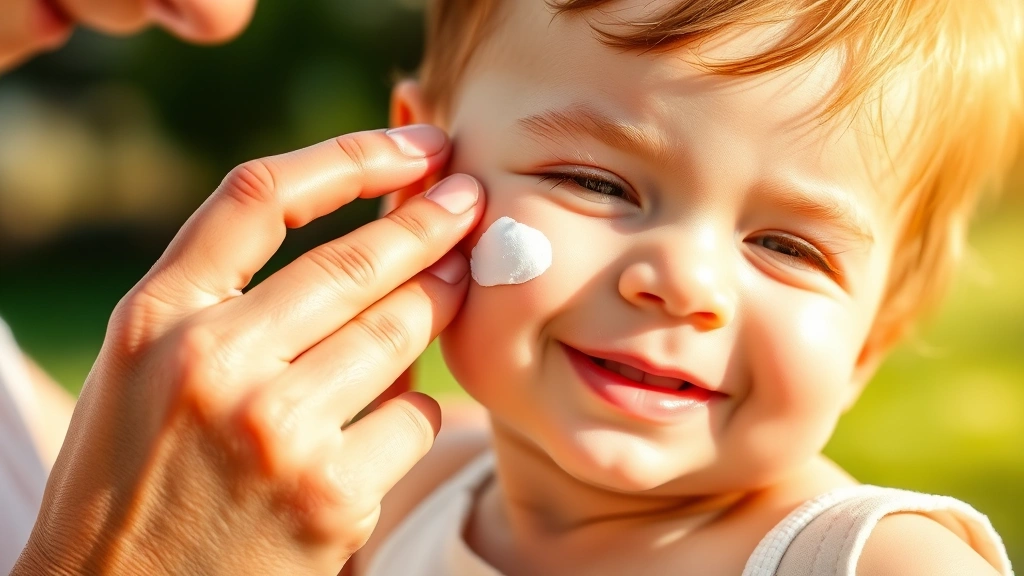
Is Baby Sunscreen Safe? Dermatologists Weigh In
When spring and summer arrive, protecting your baby’s delicate skin from harmful UV rays becomes a top priority for every parent. Yet the question of whether baby sunscreen is truly safe remains one of the most common concerns we hear. The good news? Leading dermatologists and pediatric experts have clear answers, and yes—when used correctly, baby sunscreen is safe and essential for your little one’s health.
Sun exposure during infancy and early childhood can have lasting effects on skin health, increasing the risk of melanoma and other skin cancers later in life. Understanding which products are best for babies, how to apply them properly, and when to use them will give you the confidence to keep your child protected while enjoying outdoor time together.
This comprehensive guide breaks down everything you need to know about baby sunscreen safety, backed by expert recommendations from dermatologists and major health organizations.
Table of Contents
- Understanding Safety Concerns
- Mineral vs. Chemical Sunscreen for Babies
- Age Guidelines and Recommendations
- Key Ingredients Parents Should Know About
- Proper Application Methods
- Sun Protection Best Practices
- Frequently Asked Questions
Understanding Safety Concerns About Baby Sunscreen
The primary concern many parents have about baby sunscreen centers on ingredient absorption through the skin. Some worry that chemical sunscreen components might enter the bloodstream and pose health risks. This concern isn’t entirely unfounded—recent studies have shown that certain sunscreen ingredients can be absorbed systemically. However, it’s crucial to understand what this actually means for your baby’s safety.
The American Academy of Pediatrics acknowledges that while some absorption occurs, the actual health risk remains minimal, especially when weighed against the very real danger of sun damage. The FDA has been evaluating sunscreen ingredients for years, and the organization continues to refine safety standards.
For babies under six months old, the recommendation is different. The American Academy of Dermatology advises keeping infants under six months out of direct sunlight entirely and using protective clothing instead. This isn’t because sunscreen is unsafe, but rather because babies’ skin is exceptionally sensitive, and physical barriers offer superior protection.
Parents should focus less on whether sunscreen is safe and more on choosing the right sunscreen for their baby’s age and skin type. Working with your pediatrician to select appropriate products ensures you’re making informed decisions based on your child’s individual needs.

Mineral vs. Chemical Sunscreen for Babies
When you start shopping for baby sunscreen, you’ll encounter two main types: mineral (physical) and chemical. Understanding the differences helps you make the best choice for your little one.
Mineral Sunscreens contain active ingredients like zinc oxide or titanium dioxide. These work by sitting on top of the skin and reflecting UV rays away, like tiny mirrors. Mineral sunscreens are generally considered the first choice for babies because they:
- Work immediately upon application (no waiting period)
- Cause fewer allergic reactions
- Rarely get absorbed into the bloodstream
- Are less likely to irritate sensitive baby skin
- Remain effective even if your baby gets wet
Chemical Sunscreens contain ingredients like oxybenzone, avobenzone, or octinoxate that absorb UV rays and convert them to heat. While chemical sunscreens are effective and approved for babies over six months, they do have some considerations:
- They can be absorbed through the skin more readily
- May cause irritation in babies with sensitive skin
- Require a 15-minute wait time before sun exposure
- May need reapplication more frequently
Most dermatologists recommend mineral sunscreen as the preferred option for babies and young children. If you choose a chemical sunscreen, look for products labeled “baby-safe” and consult your pediatrician about any concerns.
Age Guidelines and Recommendations for Sun Protection
Sun protection recommendations vary by age, and it’s important to follow these guidelines to keep your baby safe while still allowing them to enjoy outdoor activities.
Under 6 Months: Babies this young should avoid direct sunlight. Use shade, protective clothing, hats, and lightweight blankets to shield them from UV rays. If sunscreen must be used on small exposed areas, mineral sunscreen is acceptable, but physical barriers are preferred.
6 Months to 2 Years: At this age, mineral sunscreen (zinc oxide or titanium dioxide) becomes your primary tool. Apply generously to all exposed skin, and remember that your pediatrician can recommend specific brands that work well for your baby’s skin type.
2 Years and Older: Both mineral and chemical sunscreens are appropriate, though many parents continue with mineral options for peace of mind. At this age, children can better cooperate with sun protection routines, making it easier to apply and reapply sunscreen consistently.
Regardless of age, reapply sunscreen every two hours, or immediately after swimming or sweating. This consistency is more important than the type of sunscreen you choose.

Key Ingredients Parents Should Know About
When examining baby sunscreen labels, you’ll encounter several active ingredients. Here’s what dermatologists say about each:
Zinc Oxide: This mineral ingredient is considered the gold standard for baby sunscreen. It’s gentle, effective, and rarely causes irritation. Zinc oxide provides broad-spectrum protection (against both UVA and UVB rays) and is often recommended by pediatric dermatologists as a first choice.
Titanium Dioxide: Another excellent mineral option, titanium dioxide works similarly to zinc oxide. It’s slightly less heavy on the skin and won’t leave as white a cast, making it popular with parents who find zinc oxide products too visible.
Oxybenzone: This chemical ingredient is still approved by the FDA but has become controversial due to absorption concerns. Many parents now avoid it, and the FDA has requested additional safety data. If you use a product containing oxybenzone, ensure it’s appropriate for your baby’s age.
Avobenzone: A chemical sunscreen ingredient that provides UVA protection. It’s generally considered safe for babies over six months but may cause irritation in sensitive skin.
Octinoxate: This chemical ingredient is effective but has faced scrutiny regarding environmental impact and absorption rates. Many parents prefer mineral alternatives.
When shopping, look for products listing mineral ingredients first and containing fewer additives. Avoid sunscreens with fragrance, which can irritate delicate baby skin.
Proper Application Methods for Maximum Protection
Even the safest, most effective sunscreen won’t protect your baby if applied incorrectly. Here’s how dermatologists recommend applying baby sunscreen:
Amount Matters: Most parents apply too little sunscreen. For babies and young children, use approximately one teaspoon of sunscreen per application for the face and exposed areas of the body. For full-body coverage, use about one ounce (a shot glass full).
Timing: If using mineral sunscreen, apply immediately before sun exposure. Chemical sunscreens need 15 minutes to become effective, so plan accordingly.
Technique: Apply sunscreen in a thin, even layer, making sure to cover all exposed skin including ears, the back of the neck, the tops of feet, and any part in the hair line. Don’t forget the lips—use a lip balm with SPF.
Reapplication: Reapply every two hours without fail, and immediately after swimming, sweating, or toweling off. This is non-negotiable for effective protection.
Avoiding Common Mistakes: Don’t apply sunscreen only when you remember or only to visibly burned areas. Consistent application prevents damage. Also, avoid spray sunscreens for babies—they’re difficult to apply evenly and can be inhaled.
When learning about parenting advice, sun protection techniques should rank high on your priority list, as early sun damage significantly impacts long-term skin health.
Sun Protection Best Practices Beyond Sunscreen
While sunscreen is essential, it shouldn’t be your only line of defense. Dermatologists recommend a multi-layered approach to sun protection:
Protective Clothing: UV-protective clothing is increasingly available and highly effective. Look for rash guards, swim shirts, and lightweight long sleeves made from UPF-rated fabric. These garments block up to 98% of UV rays.
Hats and Accessories: Wide-brimmed hats protect the face, ears, and neck. For babies, look for hats with chin straps to keep them in place. Sunglasses with 100% UV protection safeguard developing eyes.
Timing: Plan outdoor activities for early morning or late afternoon when UV rays are weakest. The sun’s rays are strongest between 10 a.m. and 4 p.m., so seek shade during these hours.
Shade Solutions: Invest in a quality stroller canopy, beach umbrella, or pop-up tent. Shade structures significantly reduce UV exposure while allowing your baby to enjoy fresh air and outdoor play.
Water Precautions: Water reflects UV rays, intensifying exposure. Don’t assume your baby is protected while in the water—apply waterproof sunscreen before water play and reapply immediately afterward.
When selecting baby shower gifts for expectant parents, sun protection items like UV-blocking stroller covers or UPF clothing make excellent practical additions to any registry.
Teaching your child about sun safety early creates lifelong healthy habits. As they grow older and develop independence, they’ll naturally remember to seek shade and apply sunscreen because it was normalized in their childhood.
Frequently Asked Questions About Baby Sunscreen Safety
Can I use adult sunscreen on my baby?
Adult sunscreen formulations may contain ingredients or concentrations not tested on infants. Always choose products specifically formulated for babies, which have been tested for gentleness and safety on delicate skin. Baby sunscreens typically use higher percentages of mineral ingredients and exclude potentially irritating additives.
Is SPF 50+ better than SPF 30 for babies?
The difference between SPF levels is minimal. SPF 30 blocks about 97% of UVB rays, while SPF 50 blocks about 98%. The more important factor is applying sunscreen generously and reapplying every two hours. Choose an SPF appropriate for your baby’s needs, but don’t rely on higher numbers to justify less frequent application.
What should I do if my baby has a sunscreen reaction?
If your baby develops redness, itching, or hives after sunscreen application, discontinue use immediately and rinse the area gently with cool water. Contact your pediatrician, especially if the reaction is severe. They may recommend a different formulation or brand. Many reactions occur with chemical sunscreens, so switching to mineral-based products often resolves the issue.
Can sunscreen cause vitamin D deficiency?
While sunscreen does reduce vitamin D synthesis, it doesn’t eliminate it entirely, and the protective benefits far outweigh any concern about deficiency. Babies can obtain vitamin D through diet, fortified foods, and brief incidental sun exposure. If you’re concerned about vitamin D levels, discuss supplementation with your pediatrician rather than avoiding sunscreen.
How do I apply sunscreen to a baby who won’t sit still?
Make sun protection fun and routine. Apply sunscreen during calm times, like before heading to the park or pool. Let older babies help apply it (they’ll be more cooperative). Use sunscreen sticks on the face to avoid getting product in eyes. Praise your child for cooperating, and maintain consistency so they understand it’s non-negotiable, like wearing shoes.
Is mineral sunscreen safe for sensitive skin?
Yes, mineral sunscreen is typically the safest choice for sensitive skin. However, some babies react to zinc oxide or titanium dioxide. If your baby has extremely sensitive skin, test a small amount on a patch of skin first. You might also consider products labeled “hypoallergenic” or consulting your pediatrician for specific recommendations tailored to your baby’s skin.
Should I worry about sunscreen ingredients absorbed through the skin?
While some sunscreen ingredients can be absorbed systemically, the levels found in blood are far below those known to cause harm. The FDA continues monitoring sunscreen safety, and the consensus among pediatric dermatologists is that the risk of sun damage far exceeds any risk from properly used sunscreen. Focus on choosing mineral formulations and applying correctly rather than avoiding sunscreen altogether.
Can I use expired sunscreen?
No, expired sunscreen loses effectiveness over time. The active ingredients break down, reducing UV protection. Always check expiration dates before applying, especially on baby products. Replace sunscreen annually or according to the manufacturer’s guidelines. Store sunscreen in cool places away from direct heat to maintain potency.
The bottom line? Baby sunscreen is safe when chosen thoughtfully and applied consistently. By selecting mineral-based formulations, following age-appropriate guidelines, and combining sunscreen with protective clothing and shade, you’re giving your baby the best possible protection against harmful UV rays. When in doubt, consult your pediatrician—they know your baby’s individual skin and can provide personalized recommendations that align with your family’s needs and concerns.