Raising Turkey Babies: Farmer’s Essential Guide
Turkey poults—the adorable fluffy chicks that will grow into magnificent birds—require specialized care during their first weeks of life. Whether you’re a seasoned farmer or a backyard homesteader just starting your poultry journey, understanding the fundamentals of raising healthy turkey babies is essential for success. These delicate creatures demand attention to temperature, nutrition, housing, and health management from day one, making proper preparation the cornerstone of a thriving flock.
Raising turkey babies successfully combines traditional farming knowledge with modern best practices. From selecting the right breed for your operation to implementing disease prevention strategies, every decision you make during the poultry’s early weeks impacts their growth, health, and ultimate productivity. This comprehensive guide walks you through everything you need to know to raise robust, healthy turkey babies that develop into strong adult birds.
Table of Contents
- Getting Started with Turkey Poults
- Housing and Brooder Setup
- Temperature Management Essentials
- Nutrition and Feeding Programs
- Water and Sanitation Practices
- Health and Disease Prevention
- Growth Milestones and Development
- Frequently Asked Questions
Getting Started with Turkey Poults
Before your turkey babies arrive, thorough preparation determines your success rate. Turkey poults are more fragile than chicken chicks and require more meticulous environmental control. Start by selecting an appropriate breed—Broad Breasted White turkeys are popular for meat production, while heritage breeds like Bourbon Red or Narragansett offer excellent flavor and hardiness. Consider your ultimate purpose: meat production, breeding stock, or ornamental birds, as this influences breed selection and management strategies.
Source your poults from reputable hatcheries that test for disease and provide health guarantees. Order early in the season, as availability becomes limited as spring progresses. Upon arrival, inspect all poults immediately for signs of illness, injury, or shipping stress. Healthy poults display alertness, clean vents, dry fluffy down, and responsive behavior. Immediately place stressed or weak birds in a quiet recovery area with easy access to water and food.
Understanding comprehensive parenting advice for modern approaches to nurturing applies equally to poultry management—consistency and attentiveness create optimal outcomes. Create a detailed care schedule documenting daily tasks, observation points, and health monitoring. This systematic approach prevents oversights and helps identify problems early.
Housing and Brooder Setup
Turkey babies require secure, draft-free housing that protects them from predators and weather while maintaining proper ventilation. A brooder house should provide at least 1.5 square feet per poult during the first four weeks, increasing to 2.5 square feet as they grow. Ensure your facility has solid walls, secure windows, and predator-proof construction—raccoons, foxes, and hawks pose serious threats to young flocks.
Set up the brooder area with appropriate flooring material. Pine shavings work well as bedding, providing comfort and absorbing moisture, though avoid cedar and walnut shavings which contain toxins harmful to poultry. Maintain a 3-4 inch depth of clean bedding, changing it frequently to prevent ammonia buildup and disease transmission. Install roosting bars at appropriate heights as poults grow, encouraging natural roosting behavior that keeps birds off soiled bedding.
Lighting design significantly impacts poult development and behavior. During the first week, provide 24-hour lighting to encourage eating and drinking during the critical adjustment period. Gradually reduce lighting to 14 hours daily by week three, mimicking natural day length and reducing stress. Use red or infrared bulbs rather than white light, as they minimize aggressive pecking behavior and create a calmer environment.
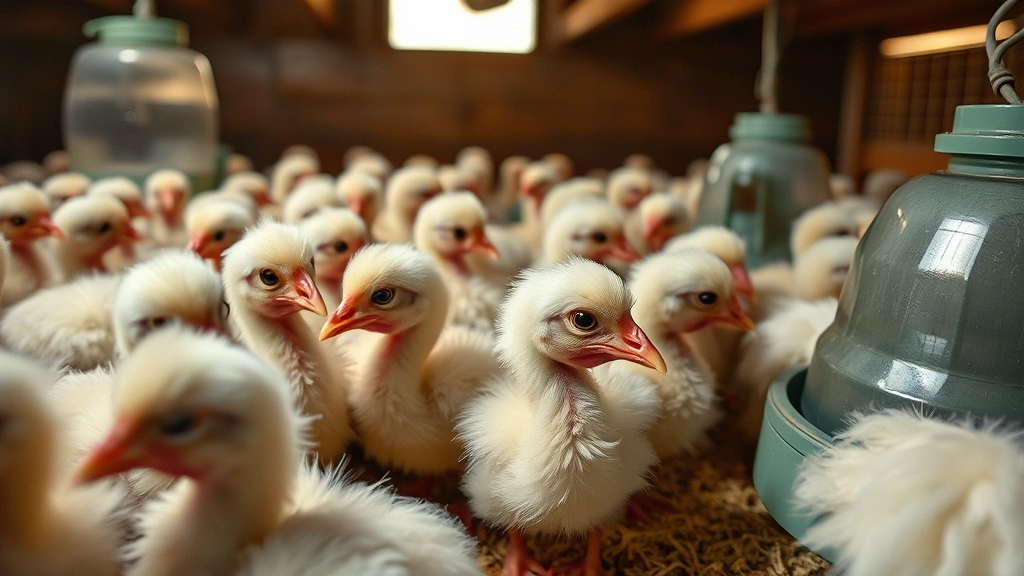
Ventilation systems prevent ammonia and moisture accumulation without creating drafts that chill young birds. Install adjustable vents or fans that allow air exchange while maintaining even temperatures throughout the brooder. Poor ventilation leads to respiratory diseases, reduced growth rates, and increased mortality—making this infrastructure investment essential for flock health.
Temperature Management Essentials
Temperature control represents perhaps the most critical aspect of successful turkey baby raising. Unlike adult birds, poults cannot regulate their body temperature effectively and depend entirely on environmental warmth during their first weeks. Start brooder temperature at 95-98°F directly under heat sources, with ambient room temperature around 85°F. Decrease temperature by 5°F each week until reaching 70°F by week six, at which point poults can maintain their own body temperature.
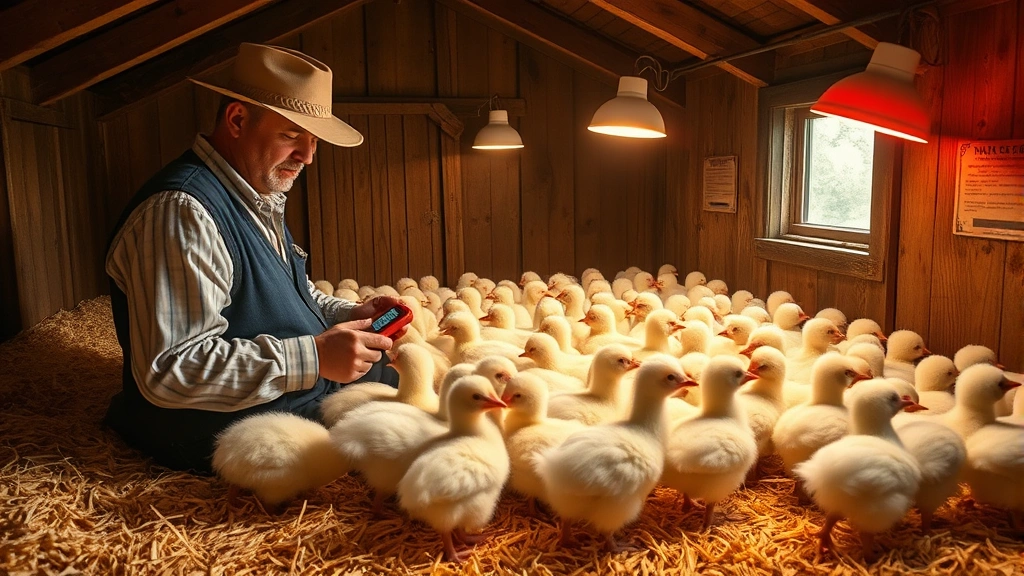
Monitor actual temperatures using reliable thermometers placed at poult level, not just near heat sources. Infrared thermometers provide quick temperature readings across the brooder floor, helping identify hot and cold spots. Observe poult behavior to confirm temperature adequacy—comfortable birds actively feed and rest scattered throughout the brooder, while cold poults huddle under heat sources and appear inactive, and overheated birds pant and avoid heat areas.
Heat source selection impacts safety and efficiency. Infrared heat lamps provide focused warmth and allow poults to move away if they become too warm, reducing stress. Avoid brooder stoves or unguarded heat sources that risk burns or fires. Provide backup heating systems in case of power failures—farmers often keep additional heat lamps available for emergencies. Position feeders and waterers away from direct heat but within the warm zone to encourage eating and drinking.
Nutrition and Feeding Programs
Turkey poults require specialized starter feed formulated for their unique nutritional demands. High-quality turkey starter feed contains 28-30% crude protein, supporting rapid growth and feather development. Offer feed free-choice throughout the day, allowing poults to eat frequently in small amounts—a pattern that optimizes growth and reduces digestive stress. Change feed and water daily, removing soiled or contaminated material that harbors disease organisms.
Feed presentation matters significantly for young turkeys. Use appropriate feeder types—chick feeders work initially, but graduate to larger feeders as poults grow. Ensure feeders remain elevated to poult shoulder height, reducing contamination and encouraging proper eating posture. Many farmers use tube feeders or trough feeders that accommodate growing birds without frequent adjustment.
Water provision deserves equal attention to feed management. Clean, fresh water must be available constantly—dehydration kills poults faster than starvation. Use waterers designed for poultry, not open containers where birds can drown or contaminate water. Add electrolytes and probiotics to water during the first week and after stressful events like transportation or weather changes, supporting hydration and digestive health.
Transition feeding schedules guide poult nutrition through growth stages. Feed turkey starter for the first 4-6 weeks, then switch to grower feed containing 24-26% protein through week 12. Finally, transition to finisher feed with 20-22% protein for the remaining growth period. This gradual progression matches nutritional requirements to developmental stages, maximizing growth efficiency and feed conversion rates.
Water and Sanitation Practices
Water quality directly impacts poult health and survival. Provide clean water at 50-55°F—water that’s too cold reduces consumption and stresses birds, while warm water encourages bacterial growth. Change water containers daily and scrub them thoroughly with a brush to remove biofilm and algae that harbor pathogens. Many farmers use nipple waterers that prevent contamination while reducing water waste.
Sanitation protocols prevent disease transmission within your flock. Establish a hygiene perimeter around the brooder—remove shoes and wash hands before handling poults. Use separate equipment for turkey care that never contacts other poultry or livestock, preventing cross-contamination. Quarantine new birds for 2-3 weeks before introducing them to established flocks, allowing time to identify disease symptoms.
Biosecurity measures protect your investment from devastating diseases. Restrict visitor access to poultry areas, requiring protective clothing and hand washing. Control rodent and wild bird populations that transmit diseases—seal feed storage areas and remove spilled feed promptly. Implement a vaccination program appropriate for your region, consulting with veterinary professionals about diseases prevalent in your area.
Health and Disease Prevention
Common poult diseases include coccidiosis, blackhead (histomoniasis), and respiratory infections—all preventable through proper management. Coccidiosis, caused by parasitic organisms in contaminated bedding, causes bloody diarrhea and stunted growth. Prevent it by maintaining clean, dry bedding, providing adequate space, and using coccidiostats in feed if recommended by your veterinarian. AAFCO (Association of American Feed Control Officials) provides guidelines for appropriate coccidiostat use in poultry feeds.
Blackhead disease, transmitted through contaminated feces or earthworms, causes lethargy, discoloration, and death. Prevent blackhead by maintaining strict sanitation, avoiding wet conditions that harbor parasites, and keeping turkeys separated from chickens that carry the disease organism without showing symptoms. Monitor for signs of illness daily, isolating sick birds immediately to prevent disease spread.
Respiratory infections result from poor ventilation, ammonia exposure, or viral pathogens. Maintain excellent air quality, avoid overcrowding, and provide appropriate temperature gradients. Watch for sneezing, nasal discharge, or labored breathing—early antibiotic treatment prescribed by a veterinarian can save affected birds. Consult poultry health resources for disease identification and treatment options.
Regular health inspections catch problems early when intervention is most effective. Check poults daily for signs of illness, injury, or nutritional deficiency. Observe droppings for consistency and color changes indicating digestive upset. Monitor growth rates—poults should gain approximately 0.5 pounds weekly during the first month, with growth acceleration continuing through week six.
Growth Milestones and Development
Turkey poult development follows predictable patterns that help you assess whether birds are thriving. By one week old, poults should be active, alert, and consuming feed and water regularly. Feathering begins immediately, with primary feathers visible by day three. Poults lose their downy appearance as feathers emerge, creating a somewhat awkward appearance during weeks two through four.
By week three, poults should weigh approximately 1.5-2 pounds, with noticeable size differences between males and females becoming apparent. Males (toms) grow faster and larger than females (hens), developing more aggressive behavior. Separate sexes by week four if managing them separately benefits your operation—males require more space and cooler temperatures than females.
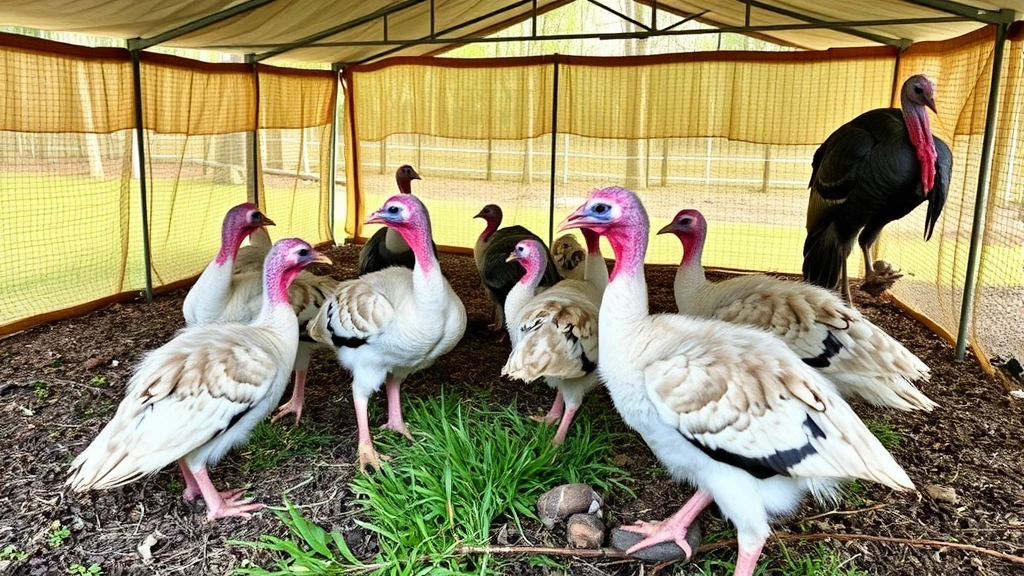
Week six marks a transition point where poults can begin accessing outdoor space if weather permits. Provide a covered outdoor area allowing sunlight exposure while protecting from predators and weather. Gradually acclimate poults to outdoor conditions, starting with short periods and extending time as birds adjust. Outdoor access promotes natural behaviors, provides exercise, and improves overall health and meat quality.
By week twelve, poults resemble young turkeys rather than chicks, weighing 8-10 pounds for females and 12-14 pounds for males. Feathering is complete, and birds demonstrate adult behaviors including roosting, dust bathing, and foraging. This transition marks the end of the critical poult stage, though continued attention to nutrition, housing, and health remains essential through market or breeding maturity.
Frequently Asked Questions
How many turkey babies should I start with for a small farm?
Start with 20-30 poults if you’re new to turkey raising—this number provides learning experience without overwhelming management demands. If raising for meat production, calculate expected losses (typically 2-5%) and order accordingly. Heritage breed flocks often start with 12-15 birds, as slower growth rates and higher prices justify smaller numbers.
Can I raise turkey babies with chicken chicks together?
While possible, separating turkeys from chickens is strongly recommended. Turkeys require higher brooder temperatures, different feed formulations, and more space than chickens. Additionally, chickens carry blackhead disease that doesn’t harm them but devastates turkeys. If housing together is unavoidable, provide separate feeding and watering stations and maintain exceptional sanitation practices.
What’s the best age to transition turkey babies outdoors?
Turkey poults can access outdoor space starting at week 4-5 if weather permits and predator protection is adequate. Begin with brief outdoor exposure in covered areas, gradually increasing time as birds acclimate. Full outdoor housing is appropriate by week 8-10, though providing nighttime shelter protection remains essential through maturity. Check poultry management resources for outdoor housing specifications.
How do I know if my turkey babies are getting enough feed?
Feed consumption increases weekly as poults grow—expect 0.25 pounds consumed weekly during week one, increasing to 1.5 pounds weekly by week four. Monitor feeders throughout the day; they should be empty or nearly empty by evening, indicating adequate feed availability. Poults should have visibly full crops (the food storage pouch in their neck) in mid-afternoon, demonstrating sufficient feeding.
What vaccinations do turkey babies need?
Vaccination requirements vary by region and disease prevalence. Consult with your state’s poultry veterinarian or agricultural extension office about recommended vaccines for your area. Some farms vaccinate against Newcastle disease and fowl pox, while others focus on blackhead prevention through management rather than vaccination. Document all health interventions for food safety compliance.
How often should I clean brooder bedding?
Spot-clean bedding daily, removing wet or soiled material that harbors disease organisms. Perform complete bedding changes every 3-4 days during the first month, increasing frequency if moisture or ammonia becomes apparent. Wet bedding promotes coccidiosis and respiratory disease—prioritize dryness over convenience. Use soiled bedding for compost rather than spreading it where poultry access is possible.