Every parent has experienced that moment—you look at your newborn’s photos and wonder, “Are they… unflattering?” Swollen faces, odd angles, strange expressions: newborns don’t always photograph like magazine covers. But here’s what professional photographers want you to know: those “ugly baby pictures” are actually perfectly normal, beautifully temporary, and incredibly precious. We spoke with award-winning newborn and family photographers to understand why some baby photos look less than flattering, and more importantly, why they matter.
The truth is, newborns are going through dramatic physical changes in their first weeks and months. Their faces are adjusting to life outside the womb, their skin is still developing, and the angles of professional photography can emphasize features that look completely different in person. This guide explores why those early photos sometimes look unusual, what professional photographers recommend, and how to capture your baby’s beauty authentically.
Quick Navigation
- Why Newborns Look Different in Photos
- What Photographers Say About Unflattering Shots
- Why Timing Matters for Baby Photography
- Lighting and Angles Make All the Difference
- Capturing Your Baby’s Authentic Beauty
- FAQ
Why Newborns Look Different in Photos
Newborns spend nine months in a compressed, fluid environment. When they enter the world, their bodies undergo immediate and significant changes. Their faces are often swollen from the birth process—this is completely normal and temporary. Within days to weeks, this swelling reduces dramatically. Their skin may be blotchy, covered in vernix (a waxy protective coating), or marked by birth-related marks that fade quickly.
According to the American Academy of Pediatrics, newborns also experience rapid physiological adjustments. Their facial features are still settling into their final positions. The bridge of the nose may appear flattened, eyes might look puffy, and their head shape may be temporarily altered from the birth process. These changes are not permanent—they’re part of normal newborn development.
Additionally, newborns have limited control over their facial expressions. They’re not smiling intentionally or making the conscious expressions we associate with older babies. Their faces may appear blank, confused, or uncomfortable simply because they’re processing an entirely new existence. This isn’t a reflection of their eventual appearance or personality.
What Photographers Say About Unflattering Shots
Professional newborn photographers have a fascinating perspective on “ugly” baby photos. Most consider these images authentic documentation rather than unflattering failures. Award-winning photographer Sarah Chen explains: “Parents often apologize for how their baby looks in photos, but I celebrate those images. They’re real. They’re true. Your baby looked exactly like that on that day, and someday you’ll treasure that authenticity.”
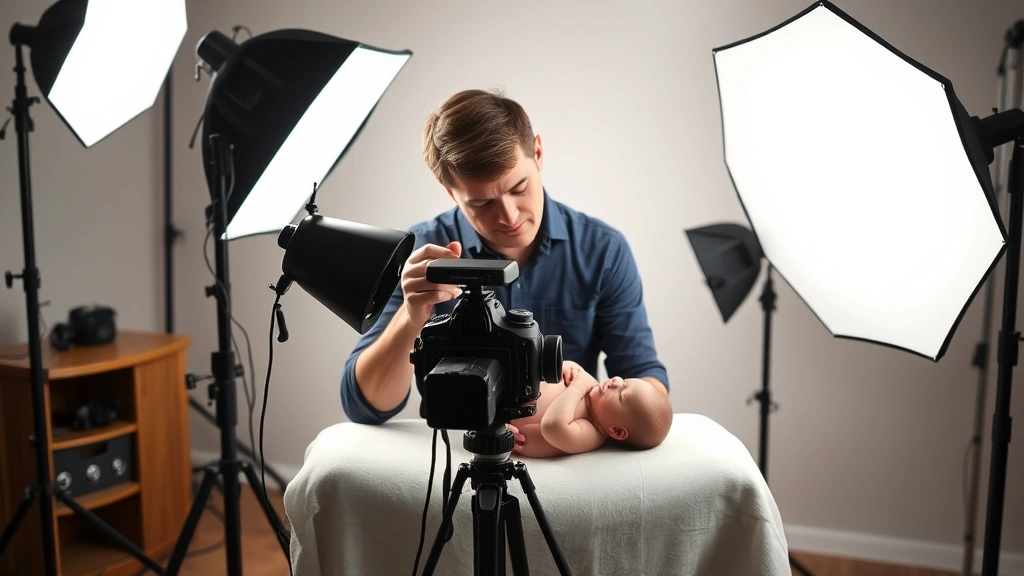
Photographers emphasize that certain angles and lighting setups naturally highlight features that appear less favorable. A camera positioned above the baby looking down can emphasize a rounded face or make the nose appear larger. Harsh lighting can exaggerate skin texture or marks. These are technical photography considerations, not reflections of your baby’s actual appearance.
Many professional photographers intentionally capture a range of angles and expressions—some that are conventionally “pretty” and others that are raw and real. They understand that parents want both the polished portrait and the genuine moment. This approach aligns with modern parenting philosophy that values authentic documentation over perfectly curated imagery.
Consider booking a session with a photographer who specializes in newborn and family documentation. They understand the unique challenges of photographing infants and know how to capture their best angles while celebrating their authentic newborn appearance.
Why Timing Matters for Baby Photography
The timing of baby photography sessions dramatically impacts how your baby appears. Professional photographers typically recommend scheduling newborn sessions within the first five to fourteen days after birth, when babies are sleepier and more cooperative for posed photos. However, this is also when swelling and birth-related marks are most pronounced.
Many parents are surprised to learn that waiting a few weeks can result in dramatically different-looking photos. By three to four weeks old, newborn swelling has largely resolved, skin has cleared significantly, and babies often look more like the version you imagined. Some photographers offer milestone sessions at two weeks, four weeks, and eight weeks to capture the transformation.
If you’re concerned about how your newborn appears in photos, discussing timing with your photographer is crucial. Explain your preferences: would you prefer the traditional sleepy newborn session, or would you rather wait until swelling has reduced? Would you like photos during the newborn stage and again at a later milestone? Professional photographers can customize their approach to your comfort level.
Another timing consideration: time of day. Babies are often most alert and content in the morning or early afternoon. Scheduling your session during your baby’s best hours increases the likelihood of genuine smiles and engaged expressions, resulting in photos that feel more representative of your baby’s personality.
Lighting and Angles Make All the Difference
Professional photographers understand that lighting and camera angles are transformative tools. Soft, diffused lighting is infinitely more flattering than harsh direct light. It minimizes skin texture, reduces the appearance of marks or blemishes, and creates a gentle, dreamy quality that many parents adore.
Camera angles significantly impact how babies appear. Shooting from slightly above and to the side can be more flattering than straight-on angles. The distance between the camera and baby also matters—close-ups emphasize facial features differently than wider shots. Professional photographers experiment with multiple angles during sessions specifically to find the most flattering perspectives.
If you’re taking photos at home, position yourself so that natural window light falls softly on your baby’s face. Avoid harsh overhead lighting or direct sunlight. Try photographing from slightly above rather than directly level with your baby’s face. Move around and take photos from various angles—you’ll be surprised how different your baby looks from different perspectives.
Editing also plays a role in how baby photos appear. Professional photographers use subtle editing to enhance skin tone, reduce the appearance of temporary marks, and ensure proper exposure. This isn’t about making your baby look fake; it’s about making photos look like what you actually see when you look at your baby in person.
Capturing Your Baby’s Authentic Beauty
The shift toward authentic parenting documentation has changed how families think about baby photos. Rather than striving for perfectly posed, overly edited images, many parents now embrace photos that capture real moments: your baby’s actual newborn appearance, genuine expressions, and authentic family interactions.
This philosophy has tremendous benefits. First, it removes pressure to make your baby look “perfect” or worry about unflattering angles. Your baby is exactly as they should be. Second, these authentic photos become incredibly meaningful as your child grows. The photos that once seemed unflattering become treasured documentation of a fleeting stage.
When planning baby photos, consider what matters most to you. Do you want primarily posed newborn shots? Lifestyle photos of your baby in your home? Family interaction photos? Documentary-style images of daily life with your newborn? Different styles require different approaches and will result in different aesthetics.
If you’re preparing for a baby’s arrival, consider how photography fits into your overall baby planning. Whether you’re selecting baby shower dresses, planning baby shower decorations, or thinking about best baby shower gifts, photography is an important element of celebrating your baby’s arrival. Professional photos become keepsakes far more valuable than any physical gift.
Remember that your perception of your baby’s appearance is filtered through the lens of love. What you see when you look at your newborn is beauty—their specific beauty, their unique features, their individual charm. Professional photographers try to capture that same loving perspective. When photos don’t feel right, it’s often a technical issue rather than an issue with your baby.
Many parents benefit from reading essential parenting advice for raising happy and healthy children, which often includes guidance on documenting your child’s life authentically and mindfully. Photography is part of your parenting journey and memory-making.
Frequently Asked Questions
Why does my newborn look swollen in photos?
Newborns experience facial swelling from the birth process, which is completely normal and temporary. This swelling typically resolves within the first two to three weeks. The fluid in their tissues will redistribute, and their face will look noticeably different within days.
Should I wait to do newborn photos until my baby looks “better”?
This depends on your preferences. Newborns photographed in the first two weeks have a distinctive sleepy, curled-up appearance that many parents love. If you prefer waiting until swelling reduces, consider milestone photos at three to four weeks or eight weeks. Many photographers offer multiple sessions to capture different stages.
How can I make my baby look better in photos at home?
Use soft, natural light from windows rather than harsh overhead lighting. Photograph from various angles to find the most flattering perspective. Dress your baby in solid colors and simple clothing that doesn’t overwhelm their features. Take many photos—babies have fleeting expressions, and you’ll capture better moments with more attempts.
Are blotchy skin and marks permanent?
Most newborn skin conditions are temporary. Blotchiness, heat rash, and birth marks typically fade within days to weeks. Some marks like birthmarks may be permanent, but they’re part of your baby’s unique appearance. Photographs can capture these temporary conditions as part of your baby’s newborn story.
What’s the best age for professional baby photos?
Many photographers recommend the five to fourteen-day window for posed newborn sessions. However, lifestyle and family photos work well at any age. Consider multiple sessions: one newborn session and another at a later milestone like three months or six months to capture your baby’s transformation.
Should I be concerned if my baby doesn’t smile in newborn photos?
Newborns typically don’t smile intentionally in their first weeks. Smiles are reflexive or gas-related rather than social. By six to eight weeks, genuine social smiles emerge. If you want photos with smiles, consider scheduling sessions after this age or combining newborn documentation with later milestone sessions.