What Is a Velcro Baby? Understanding the Term and Finding Your Parenting Balance
If you’ve found yourself Googling “why won’t my baby let me put them down?” at 2 AM while holding a clingy infant in one arm and scrolling with the other, you might be parenting what’s commonly called a “velcro baby.” The term has become increasingly popular in parenting circles, and honestly, it’s both endearing and exhausting in equal measure. But before you assume something’s wrong with your little one—or with you—let’s dig into what this actually means and why it happens.
A velcro baby isn’t a clinical diagnosis or a reflection of your parenting abilities. It’s simply a descriptive term for babies and toddlers who seem permanently attached to their caregivers, much like velcro sticks to fabric. These little ones resist separation, want constant contact, and appear to have an internal GPS that alerts them the moment you leave their line of sight. If this sounds familiar, you’re definitely not alone, and there’s actually quite a bit of developmental science backing up why this happens.
The good news? Understanding what’s driving this behavior—and learning how to navigate it with patience and strategy—can transform your experience from “why is my baby glued to me?” to “ah, this is a normal developmental phase.” Let’s explore what velcro babies really are, why they behave this way, and practical strategies to help both you and your little one thrive.
What Exactly Is a Velcro Baby?
A velcro baby is a term used to describe infants and toddlers who strongly prefer to be held, carried, or kept in close proximity to their primary caregiver. These babies seem to follow their parents from room to room, cry when separated even briefly, and appear most content when they’re physically touching or being held by their caregiver. The name comes from the way velcro clings—persistent, difficult to separate, and seemingly inseparable.
The key thing to understand is that this isn’t a behavioral problem or a sign that something’s wrong. Rather, it’s a temperament trait that some babies are simply born with, combined with developmental stages that naturally intensify this need for closeness. Some babies are naturally more independent, while others are wired for connection and proximity-seeking. Neither is better or worse; they’re just different.
When you’re implementing positive parenting techniques, understanding your baby’s attachment style becomes crucial. A velcro baby isn’t being manipulative or clingy in a problematic way—they’re actually communicating a genuine need for security and connection.
Why Do Some Babies Become Velcro Babies?
The reasons behind velcro baby behavior are multifaceted and often interconnected. Let’s break down the main factors:
- Temperament and personality: Some babies are simply born with a more sensitive, reactive temperament. They’re naturally more aware of their surroundings, more responsive to stimuli, and more inclined toward seeking comfort and security from their caregivers.
- Developmental stages: Certain periods in a baby’s development naturally trigger increased attachment-seeking behavior, particularly around 6-9 months when separation anxiety typically emerges.
- Environmental factors: Changes like a new sibling, moving homes, starting daycare, or other major transitions can intensify velcro baby behaviors as babies seek reassurance.
- Secure attachment: Counterintuitively, velcro baby behavior often reflects a secure attachment relationship. Babies who feel confident that their caregiver will respond to their needs actually show more of this behavior because they trust the relationship.
- Sensory sensitivity: Some babies have heightened sensory needs and find comfort in the physical closeness, warmth, and familiar sensations of being held.
Rather than viewing this through a lens of worry, consider that your velcro baby might simply be telling you they thrive with closeness and connection. This insight can help you approach parenting with more essential parenting advice tailored to your specific child’s needs.
The Developmental Science Behind the Behavior
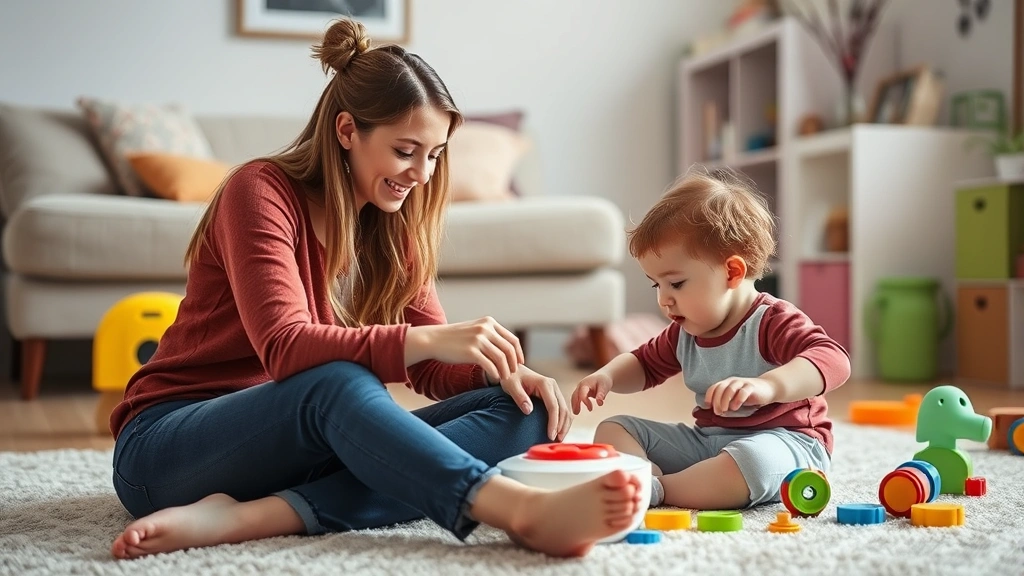
From a developmental psychology perspective, velcro baby behavior makes perfect sense. Attachment theory, pioneered by John Bowlby and expanded by Mary Ainsworth, shows that babies are biologically programmed to seek proximity to their caregivers. This isn’t a flaw or a problem—it’s actually an evolutionary survival mechanism.
During the first six months of life, babies are developing what’s called “internal working models” of relationships. They’re learning whether the world is safe, whether their needs will be met, and whether they can trust their caregivers. Babies who experience responsive, consistent caregiving actually tend to show more velcro-like behavior because they’ve learned that seeking connection works. Their caregiver responds, so they keep doing it.
Around 6-9 months, babies develop what researchers call “object permanence”—the understanding that things (and people) still exist even when they’re out of sight. This cognitive leap actually triggers separation anxiety, which intensifies velcro baby behaviors. Your baby isn’t being clingy because you’ve done something wrong; they’re being clingy because their brain has just figured out that you can leave, and that’s simultaneously fascinating and terrifying.
According to research from the American Academy of Pediatrics, this phase is completely normal and typically peaks between 12-18 months before gradually improving as children develop better communication skills and cognitive understanding.
Common Signs Your Baby Might Be a Velcro Baby
While every baby is unique, velcro babies tend to share certain characteristics. You might recognize your own little one in some of these:
- Cries or fusses immediately when you leave the room, even if another caregiver is present
- Wants to be held constantly and resists being put down, even when sleeping
- Follows you from room to room and becomes distressed if you close a door
- Has difficulty with transitions, like moving from one activity to another
- Prefers to be held by their primary caregiver and shows wariness of others
- Wakes frequently during sleep, seeming to need reassurance of your presence
- Resists independent play and wants you engaged with them constantly
- Shows extreme reaction to minor separations (like you going to the bathroom)
- Takes comfort primarily from physical closeness rather than toys or other activities
- Has a harder time with daycare drop-offs or being left with babysitters
If your baby checks off several of these boxes, you’re likely dealing with velcro baby behavior. The important thing is recognizing this as a phase, not a permanent personality flaw or a sign of insecurity on your baby’s part.
Practical Strategies for Managing Velcro Baby Behavior
Managing a velcro baby requires a balance between meeting their legitimate needs for connection and gradually helping them develop independence and confidence. Here are evidence-based strategies that actually work:
Start with acceptance and validation
First, accept that your baby’s need for closeness is real and valid. Trying to force independence before your baby is developmentally ready will only increase anxiety. Instead, respond to your baby’s bids for connection. This isn’t spoiling them; it’s building the secure foundation they need to eventually feel confident exploring independently.
Practice “gradual separation” techniques
Rather than sudden, extended separations, practice brief, predictable separations. Leave the room for 30 seconds, come back. Do this repeatedly so your baby learns you always return. Gradually extend the time. This teaches object permanence in a safe, manageable way.
Create predictable routines
Velcro babies thrive with routine because predictability reduces anxiety. When they know what comes next, they feel more secure. Establish consistent nap times, meal times, and separation times so your baby knows what to expect.
Use “connection before separation”
Before you need to leave your baby with someone else or in another room, spend focused time connecting—play, cuddle, make eye contact. A baby who’s had their connection tank filled is much more resilient to brief separations.
Develop independence gradually through play
Sit near your baby while they play, but don’t hover. Offer encouragement for independent exploration. You’re in the room, so they feel secure, but they’re learning to engage with their environment. Gradually increase the distance over time.
Practice “peekaboo” and similar games
These games are actually mini-lessons in separation and reunion. They teach babies that people disappear and come back, making the concept less frightening.
When you’re seeking comprehensive parenting advice, remember that one-size-fits-all approaches rarely work. Your velcro baby may need customized strategies that honor their temperament while gently encouraging growth.
Communicate with caregivers
If your baby is in daycare or with regular babysitters, communicate about velcro behavior. Consistent responses across all caregivers help. A good caregiver understands that meeting a baby’s attachment needs actually supports independence, not undermines it.
Use physical proximity strategically
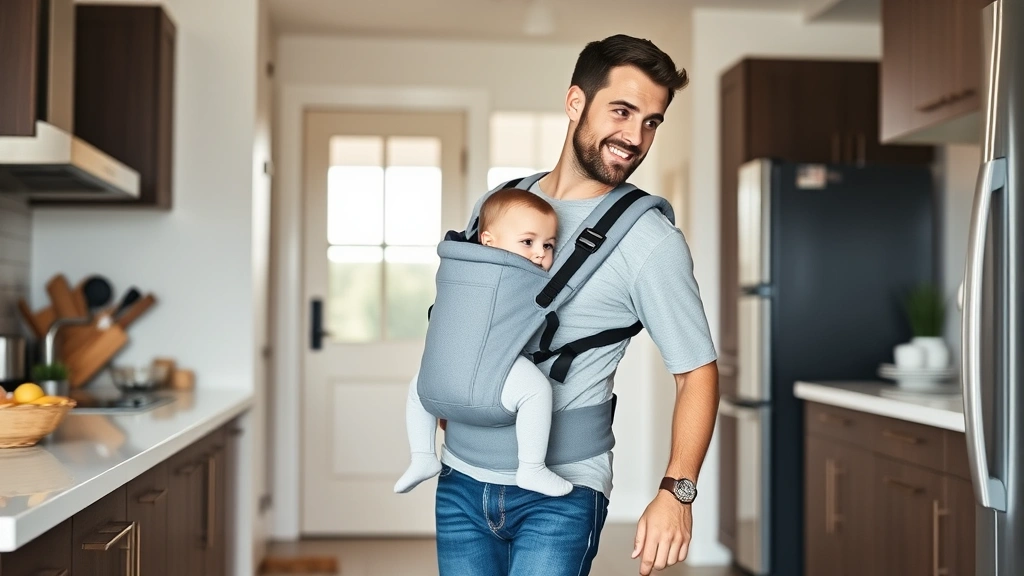
Consider babywearing for times when you need to move around your home. Your baby gets the closeness they need, and you have your hands free. This isn’t a permanent solution, but it can reduce stress during particularly demanding phases.
Separation Anxiety vs. Velcro Baby Behavior
It’s important to distinguish between normal velcro baby behavior and clinical separation anxiety, though they often overlap. Most velcro babies experience some degree of separation anxiety, but not all anxious babies are velcro babies.
Separation anxiety becomes concerning if:
- It persists intensely beyond 24 months without any improvement
- It interferes significantly with your baby’s ability to eat, sleep, or play
- It’s accompanied by other signs of extreme distress or regression
- Your baby seems unable to be comforted by anyone, including other trusted caregivers
If you’re concerned that your baby’s behavior goes beyond typical velcro baby tendencies, it’s worth discussing with your pediatrician. According to the CDC’s child development guidelines, most attachment-related concerns resolve naturally with consistent, responsive caregiving, but professional guidance can be helpful.
Taking Care of Yourself While Parenting a Velcro Baby
Here’s something nobody talks about enough: parenting a velcro baby is physically and emotionally exhausting. You can’t put your baby down, you’re constantly needed, and you might feel like you’re failing if you need a break. Let’s address that directly: you’re not failing. You’re human.
Normalize the need for breaks
You need time to yourself. This isn’t selfish; it’s necessary. A parent who’s burned out can’t show up fully for their baby. Brief, regular breaks are far better than rare, desperate ones.
Find creative solutions
If your baby won’t let you out of sight, get creative. Can you shower while they play in the bathroom? Can you do dishes while they’re in a high chair nearby? Can a trusted family member take them for 20 minutes while you take a walk? These small moments of solo time matter.
Connect with other parents
Knowing that other people have velcro babies too can be incredibly validating. Online communities, local parent groups, or even just talking to friends about the reality of your experience helps. You’re not alone in this.
Reframe the narrative
Instead of “my baby won’t let me do anything,” try “my baby really loves being near me and trusts me to meet their needs.” This perspective shift doesn’t change the reality of your day, but it can change how you experience it emotionally.
Learning to manage anger and stress effectively becomes particularly important when you’re feeling touched out and exhausted. Parenting a velcro baby requires emotional regulation on your part, which means taking care of your own mental health isn’t optional—it’s essential.
Set realistic expectations
You might not be able to do everything you used to do. That’s okay. This phase is temporary. Lower your standards for housework, meal prep, and productivity. Your job right now is to be present for your baby, and that’s enough.
Celebrate small wins
Did your baby play independently for five minutes? That’s progress. Did you get a shower without interruption? Victory. These small moments are worth acknowledging.
For more comprehensive insights on navigating different parenting challenges, exploring tips for different developmental stages can help you see that these phases evolve and change over time.
Frequently Asked Questions
At what age do velcro babies typically develop this behavior?
Velcro baby behavior can emerge as early as 4-6 months but typically becomes most pronounced between 6-18 months. This coincides with the development of separation anxiety, which is a normal developmental milestone. Some babies show these tendencies from birth due to temperament, while others develop it later in response to specific events or developmental leaps.
Is velcro baby behavior a sign of insecure attachment?
Counterintuitively, no. Velcro baby behavior often reflects secure attachment. Babies who are confident that their caregiver will respond to their needs actually show more of this behavior. It’s babies with insecure attachment who might show either extreme clinginess paired with resistance to comfort, or conversely, indifference to their caregiver’s presence.
Will my velcro baby ever become independent?
Absolutely. This is a phase, not a permanent personality trait. With consistent, responsive caregiving and gradual exposure to safe separations, velcro babies typically develop independence as they mature. Most children outgrow the most intense velcro behaviors by age 3-4, though some temperamental tendencies may persist.
Is it okay to let my velcro baby cry if I need a break?
There’s a difference between responsive parenting and neglect. If you’re at your limit, it’s better to put your baby in a safe space and take five minutes to breathe than to reach a breaking point. Brief periods of crying while you’re still nearby won’t harm your baby. However, hours of unresponsive crying is different. Know your limits and reach out for support when you need it.
Should I use sleep training methods with a velcro baby?
This is highly individual. Some velcro babies respond well to gentler sleep training approaches, while others benefit from co-sleeping or room-sharing arrangements. The key is choosing methods that align with your family’s values and your baby’s temperament. Consulting with your pediatrician or a child sleep specialist can help you find the right approach for your situation.
What’s the difference between a velcro baby and a baby with colic or reflux?
Babies with colic or reflux are often fussy and want to be held, but their behavior stems from physical discomfort rather than attachment needs. A velcro baby is generally content when held but becomes distressed when separated. If your baby seems uncomfortable even when held close, has feeding difficulties, or shows signs of pain, discuss this with your pediatrician to rule out physical issues.
Can I “spoil” a velcro baby by responding to their needs?
No. Responding to a baby’s legitimate needs for connection doesn’t spoil them; it builds the secure foundation they need for healthy development. According to parenting research and expert resources, babies cannot be spoiled by having their attachment needs met. In fact, babies whose needs are consistently met actually become more independent over time, not less.
How do I know if my velcro baby’s behavior is becoming a problem?
Velcro baby behavior becomes concerning if it’s accompanied by extreme distress, if it doesn’t improve at all as your child ages, or if it significantly impairs daily functioning. If your child can’t sleep, eat, or engage in any activities without you present, or if the behavior seems to worsen rather than gradually improve over time, consult your pediatrician or a child psychologist for evaluation.