What Is a Velcro Baby? Expert Insights into Attachment and Independence
If you’ve ever felt like your baby is permanently glued to your hip, you’ve likely encountered the phenomenon known as a “velcro baby.” This term, while somewhat playful, describes infants and toddlers who seem to need constant physical contact and proximity to their caregivers. They’re the little ones who protest loudly the moment you set them down, who want to be held during every waking moment, and who treat separation like a personal betrayal. Sound familiar?
The truth is, velcro babies aren’t broken, and neither are their parents. This developmental phase is actually quite normal and, believe it or not, a sign that your child’s attachment system is working exactly as nature intended. Understanding what’s happening behind those clingy moments can transform your frustration into compassion and help you navigate this stage with greater confidence and ease.
Whether you’re in the thick of it right now or dreading its arrival, this comprehensive guide will help you understand the science, the strategies, and the reassurance that yes, this phase does eventually pass.
What Exactly Is a Velcro Baby?
A velcro baby is an infant or toddler who demonstrates intense attachment behaviors, preferring constant physical contact with their primary caregiver. These babies resist being put down, cry intensely when separated from their parent or guardian, and show visible distress when left in another’s care. The term “velcro” perfectly captures the experience: your child sticks to you like adhesive, rarely willing to separate.
It’s important to distinguish between a velcro baby and typical infant attachment. All babies need secure attachment—it’s fundamental to their development. But velcro babies take this need to an extreme, often making it challenging for parents to accomplish basic tasks like showering, eating, or using the bathroom.
The intensity can vary widely. Some velcro babies are content as long as they can see you across the room. Others demand physical contact and will wail if you step out of sight for even a moment. Some are velcro babies primarily at night, while others are consistently clingy throughout the day. This variability is completely normal and doesn’t necessarily indicate a problem—it’s simply part of your individual child’s temperament and developmental journey.
When implementing positive parenting techniques, understanding your velcro baby’s specific attachment style helps you respond with greater effectiveness and patience.
Why Does This Happen? The Science Behind Clinginess
The behavior of a velcro baby isn’t random or manipulative—it’s rooted in evolutionary biology and brain development. Infants are born with an innate attachment system designed to keep them close to caregivers for survival. In our ancestral past, a baby who wandered away from their parent faced genuine danger from predators and the elements.
Your baby’s brain releases oxytocin—the bonding hormone—when they’re near you, which creates a powerful sense of security. When separated, their nervous system perceives threat, triggering the stress response system. This isn’t your baby being difficult; it’s their brain doing exactly what it evolved to do: maintain proximity to the person responsible for their survival.
The prefrontal cortex—the part of the brain responsible for reasoning, impulse control, and understanding that you’ll return—doesn’t fully develop until the early twenties. Your velcro baby literally cannot reason their way out of the anxiety of separation. They can’t tell themselves, “Mom will be back in five minutes.” Instead, they experience your absence as abandonment.
Additionally, some babies are born with temperaments that predispose them toward higher sensitivity and greater need for reassurance. These babies may be more responsive to stimuli, more emotionally reactive, and more dependent on caregiver proximity for regulation. This isn’t a flaw—many highly sensitive babies grow into deeply empathetic, intuitive adults.
Age Stages and When to Expect It
Understanding when velcro behavior typically emerges can help you anticipate and prepare for this phase.
0-3 Months: Newborns don’t yet have object permanence, so separation anxiety isn’t really a factor. However, they do need frequent feeding and comfort, which can make them seem quite clingy. This is normal newborn behavior, not true velcro clinginess.
3-6 Months: Around four to five months, babies begin recognizing familiar faces and may start showing preference for their primary caregiver. Some babies display early signs of clinginess during this period, though it’s typically not severe.
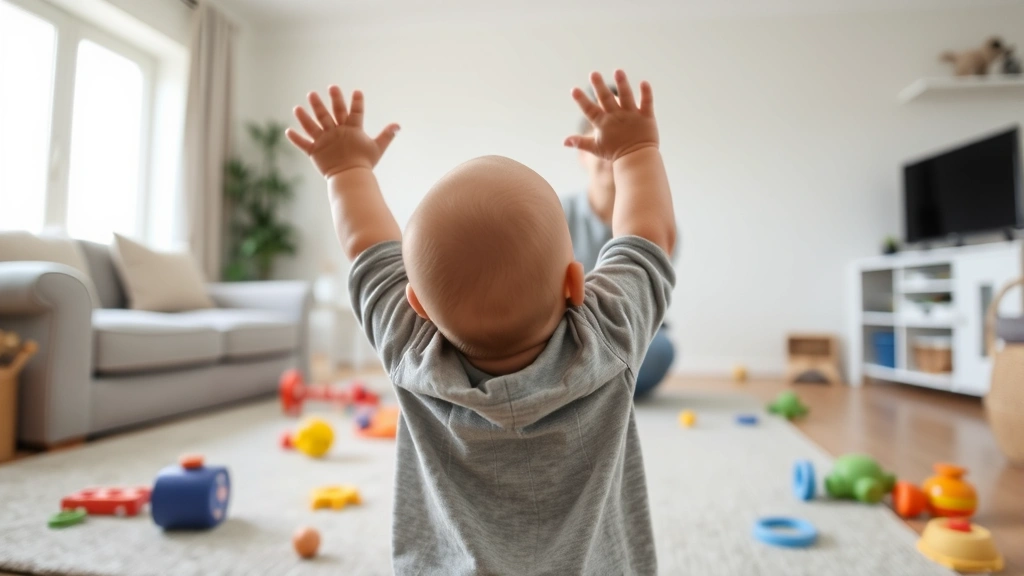
6-12 Months: This is often when true velcro behavior emerges. Separation anxiety peaks around 8-10 months as babies develop object permanence—they now understand that you exist even when they can’t see you, but they haven’t yet grasped that you’ll come back. The anxiety of your absence can be intense.
12-24 Months: Toddler velcro babies often remain clingy as they explore independence while still needing reassurance. The push-pull between wanting autonomy and needing security can make this phase particularly challenging.
2-3 Years: Most children begin to develop more independence, though separation anxiety can still flare up during transitions or stressful periods. Some children maintain clingy behaviors longer, particularly if they’re more sensitive or if their environment has been unpredictable.
Seeking comprehensive parenting advice during these transitions can provide valuable context for what to expect at each stage.
Managing Life with a Velcro Baby
Surviving the velcro baby phase requires practical strategies that honor your child’s emotional needs while maintaining your own sanity and basic functioning.
Gradual Separation Practice
Start with micro-separations. Step out of the room for 30 seconds, then return before your baby becomes distressed. Gradually extend these periods. Your goal isn’t to eliminate the attachment—it’s to help your baby’s brain learn that separation is temporary and survivable. Each successful reunion reinforces the lesson: you always come back.
Create a Separation Ritual
Develop a consistent goodbye routine. This might be a specific song, a kiss on the hand, or a wave from the window. Predictability is calming to anxious brains. When your child knows what to expect, the separation feels less frightening.
Involve Other Trusted Adults
Having your partner, grandparent, or trusted childcare provider spend time with your baby while you’re present helps build secondary attachment relationships. Start with short periods where you’re in the home but not in the room. Gradually increase the time and distance. This isn’t betrayal—it’s expanding your child’s circle of secure relationships.
Maintain Consistency
Velcro babies thrive on predictability. Keep routines stable. When separations are unpredictable or when reunions are chaotic, anxiety increases. Calm, consistent departures and arrivals help regulate your child’s nervous system.
Use Physical Connection Strategically
Sometimes you can meet your baby’s need for closeness without being completely immobilized. Babywearing allows you hands-free mobility while maintaining physical contact. Co-sleeping, if it’s your family’s choice, can reduce nighttime separation anxiety. Skin-to-skin contact provides regulatory benefits for both you and your baby.
Accept That Some Tasks Will Be Harder
During the peak velcro phase, showering might require your baby to cry in a safe space nearby. Cooking might mean your toddler at your feet. This is temporary. Setting realistic expectations prevents the frustration that comes from expecting your normal routine to continue unchanged.
Prioritize Your Own Regulation
Your baby’s anxiety is contagious. If you’re frustrated, anxious, or resentful about their clinginess, they sense it and become more clingy. Taking care of your own nervous system—through breaks, support from your partner, or professional help if needed—directly benefits your child. This isn’t selfish; it’s essential maintenance.
Building Independence Without Guilt
The goal isn’t to eliminate attachment; it’s to help your child develop secure independence—the ability to explore, separate, and eventually become their own person while maintaining a secure internal sense of your relationship.
Encourage Exploration in Safe Spaces
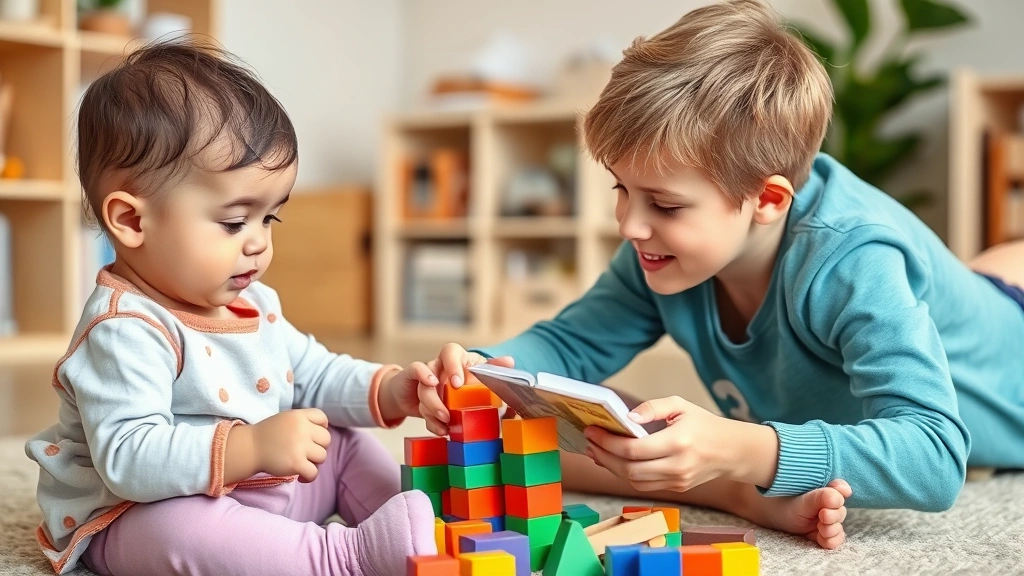
Set up play areas where your baby can safely explore while you’re nearby but not directly engaged. Narrate what you’re doing in the other room. “I’m making lunch in the kitchen. You’re playing with blocks in the living room. I can see you from here.” This helps develop the cognitive framework that you can be separate but still connected.
Praise Independence Moments
When your child plays independently for even brief periods, acknowledge it without making a huge deal of it. “I see you’re really enjoying that toy.” This reinforces the positive experience of autonomous play without creating pressure.
Normalize Brief Separations
Short, predictable separations—you going to the bathroom, stepping outside for a moment, or having a babysitter arrive for an hour—teach your child’s brain that separations are survivable. Each successful reunion builds confidence.
Validate Feelings While Setting Boundaries
“I know you’re sad that I’m leaving. Your feelings are okay. And I’m still going to work. I’ll be back after snack time.” This approach respects your child’s emotions while maintaining necessary boundaries. Avoiding separation to prevent tears actually reinforces the message that separation is dangerous.
Understanding essential parenting advice for raising healthy children includes recognizing that some discomfort during separations is actually developmentally important.
Avoid Sneaking Away
The temptation to slip out without saying goodbye is strong, but it backfires. Your child wakes to find you gone and panics, not knowing if you’ll return. Always say goodbye, even if it triggers tears. The tears are uncomfortable, but they’re not harmful, and they’re far less damaging than the betrayal of disappearing.
When Should You Be Concerned?
While velcro behavior is typically normal, certain patterns warrant professional attention from your pediatrician or a child development specialist.
Signs That Warrant Evaluation:
- Extreme separation anxiety that persists beyond age 3 or 4 and significantly interferes with daily functioning
- Panic-level responses to routine separations (hyperventilation, vomiting, extreme aggression)
- Complete inability to be comforted by anyone but one specific person
- Regression in previously mastered skills (toilet training, language, sleep)
- Signs of depression, such as withdrawn behavior, lack of interest in play, or persistent sadness
- Clinginess that emerges suddenly after a period of independence, particularly following a traumatic event or major life change
- Physical symptoms like stomachaches or headaches that appear only during separations
It’s also worth considering your family context. If your child has experienced inconsistent caregiving, loss, or trauma, their clinginess may reflect legitimate insecurity rather than typical developmental attachment. In these cases, trauma-informed parenting approaches and potentially professional support can help.
According to the American Academy of Pediatrics, while separation anxiety is normal, extreme cases may benefit from professional assessment to rule out anxiety disorders or attachment issues.
Frequently Asked Questions
Is my velcro baby going to be clingy forever?
No. Most children naturally develop independence as their cognitive abilities mature and their internal sense of security strengthens. By school age, most velcro babies are confidently separating from parents, though some temperamentally sensitive children may take longer. The key is consistency, reassurance, and patience with the process.
Should I let my baby cry it out when they’re clingy?
The answer depends on context. Cry-it-out methods can be harmful for very young infants whose brains are still developing attachment circuitry. For older toddlers, brief periods of crying while you remain calm and nearby can actually help them learn that their distress is manageable. The key difference: extinction (leaving them to cry alone) versus presence-based approaches (staying nearby while they process their emotions). Research from the American Psychological Association suggests responsive parenting approaches tend to produce better long-term outcomes than extinction methods.
Am I doing something wrong if my baby is a velcro baby?
Absolutely not. Velcro behavior often reflects secure attachment and a healthy attachment system. Some babies are simply born with temperaments that predispose them toward greater sensitivity and need for proximity. Additionally, environmental factors—moving to a new home, starting childcare, family stress—can increase clinginess. Your baby’s behavior is not a reflection of your parenting quality.
Can I spoil my baby by responding to their clinginess?
You cannot spoil an infant or toddler by meeting their legitimate attachment needs. Spoiling typically refers to giving excessive material goods or permitting inappropriate behavior. Responding to your child’s need for emotional security actually builds confidence and independence over time. Babies whose attachment needs are consistently met develop more secure attachment and, paradoxically, tend to be more independent as they grow.
What if I need to return to work and my baby is velcro?
Returning to work with a clingy baby is genuinely challenging, but it’s manageable. Start with gradual transitions if possible—a few hours away at first, then extending. Build a strong relationship between your baby and their childcare provider before you need to leave them for extended periods. Consider having your partner or a trusted family member provide initial childcare if possible. And give yourself grace; the transition is hard on everyone, but it does get easier as your child adjusts and realizes that you always return. Resources like the CDC’s parenting resources offer evidence-based guidance for working parents navigating these transitions.
Is there a difference between a velcro baby and a baby with anxiety?
Typical velcro behavior is context-dependent—the clinginess intensifies during separations but the child can be comforted and regulated with reassurance. Anxiety disorders involve persistent worry, physical symptoms, and difficulty being soothed even when reunited. If your child’s clinginess doesn’t improve with reassurance, involves physical symptoms like stomachaches, or is accompanied by other anxious behaviors, consultation with a pediatrician or child psychologist is warranted.
Should I be concerned if my toddler is still velcro at age 2 or 3?
Some lingering clinginess at age 2 or 3 is normal, particularly during transitions, stressful periods, or if your child is temperamentally sensitive. However, if your child cannot separate from you at all, cannot attend preschool or be cared for by others, or if the clinginess is accompanied by other concerning behaviors, professional evaluation is appropriate. Parenting Magazine regularly features expert insights on age-appropriate separation expectations.
Can babywearing make my baby more clingy?
No. Babywearing meets your baby’s need for proximity while allowing you mobility. It doesn’t create dependency; rather, it satisfies the legitimate need for closeness, allowing your baby’s nervous system to regulate. When this need is met, babies often become less clingy and more confident in exploration over time.
How do I know if my baby is a velcro baby or just has reflux, colic, or other physical issues?
Velcro babies are typically content when held but distressed when put down. Babies with physical discomfort (reflux, colic, ear infections) are often fussy regardless of position or proximity. If your baby seems uncomfortable even when held, or if clinginess is accompanied by other symptoms like fever, rashes, or changes in eating or elimination patterns, medical evaluation is important to rule out physical causes.