Water Wipes for Babies? Doctor’s Recommendations
When you’re preparing for your newborn’s arrival, diaper changes become one of the most frequent tasks you’ll face as a parent. Choosing the right wipes is an important decision that directly affects your baby’s delicate skin health. Water wipes have emerged as a popular alternative to traditional baby wipes, and many parents wonder whether they’re truly the best option for their little ones. Understanding what pediatricians recommend can help you make an informed choice that prioritizes your baby’s comfort and skin integrity.
Newborns have incredibly sensitive skin that requires gentle, minimal-chemical care. The diaper area is particularly vulnerable to irritation, rashes, and infections because it remains warm and moist throughout the day. Parents often face a bewildering array of wipe options at the store, from heavily fragranced products to “natural” formulations, making it challenging to determine what’s genuinely safe and effective. This guide explores what doctors recommend regarding water wipes, examining the science behind them, their benefits and limitations, and how they compare to other cleaning options.
Table of Contents
- What Are Water Wipes?
- What Do Doctors Recommend?
- Benefits of Water Wipes for Babies
- Limitations and Concerns
- How They Compare to Other Options
- Best Practices for Diaper Changes
- Frequently Asked Questions
What Are Water Wipes?
Water wipes are a minimalist approach to baby hygiene, consisting primarily of purified water combined with a tiny amount of preservative to maintain shelf stability. The most well-known brand contains 99.9% purified water and 0.1% sodium benzoate, a preservative that has been used safely in food and personal care products for decades. Unlike traditional baby wipes that contain lotions, fragrances, alcohols, and multiple chemical ingredients, water wipes offer a stripped-down formula designed specifically for newborns with ultra-sensitive skin.
The concept emerged from dermatological principles emphasizing that less is more when caring for infant skin. Newborns’ skin barrier is still developing during their first months of life, making it more permeable and prone to absorbing substances applied topically. This biological reality drives the water wipe philosophy: if you’re going to use a wipe product, make it as close to pure water as possible while maintaining product integrity and safety standards.
Water wipes come in convenient packaging similar to traditional wipes, with individually wrapped or packaged wet cloths that maintain moisture without drying out. They’re designed to be gentle enough for premature infants and those with diagnosed skin conditions, though their effectiveness for routine diaper cleaning has sparked considerable discussion among pediatric professionals.
What Do Doctors Recommend?
Pediatrician recommendations regarding water wipes vary slightly, but most align on several key principles. According to guidance from the American Academy of Pediatrics, the primary goal during diaper changes is gentle cleansing that removes urine and stool without damaging the skin barrier. The AAP emphasizes that fragrance-free, hypoallergenic products are preferable for babies under one year old.
Many pediatricians view water wipes favorably for newborns, particularly those with existing skin sensitivities, eczema, or diaper dermatitis. Healthy Children, an AAP resource, recommends that parents choose gentle, fragrance-free cleansing methods for diaper care. However, doctors often note that water alone may not be sufficient for all diaper changes, especially when dealing with substantial soiling or meconium in the first days of life.
The consensus among pediatric dermatologists is that water wipes serve as an excellent option for sensitive skin but work best as part of a comprehensive diaper care routine. Most doctors recommend having water wipes available for certain situations while acknowledging that parents need flexibility in their approach. This is particularly important as babies grow and their skin becomes more resilient, typically around three to four months of age.
When consulting your pediatrician about diaper care, they’re likely to ask about your baby’s skin condition, any existing rashes, and your family history of sensitive skin or eczema. Based on these factors, they can provide personalized recommendations that go beyond generic advice.
Benefits of Water Wipes for Babies
The primary advantage of water wipes lies in their minimal ingredient list, which significantly reduces the risk of allergic reactions and skin irritation. Babies with documented sensitivities to common wipe ingredients—such as fragrances, lotions, or specific preservatives—often experience marked improvement when switching to water wipes. Parents frequently report that their babies’ diaper rashes resolve or improve noticeably within days of making this switch.
Water wipes are particularly beneficial during the first few weeks of life when your newborn’s skin is adjusting to the external environment. The umbilical cord stump area, in particular, benefits from the gentlest possible cleansing method. Additionally, water wipes present an excellent option for babies with diagnosed conditions like atopic dermatitis or those born prematurely, whose skin maturation lags behind full-term infants.
Another significant benefit is psychological reassurance. Many parents appreciate knowing exactly what touches their baby’s skin, with no hidden chemicals or additives to worry about. This transparency can reduce parental anxiety about diaper care, allowing you to focus on bonding and responding to your baby’s needs rather than worrying about ingredient safety.
Water wipes also work well for facial and hand cleaning, beyond just diaper changes. Parents can use them for gentle cleaning around the eyes, nose, and mouth without concern about chemical exposure. This versatility makes them a worthwhile addition to your baby care supplies, even if they’re not your primary diaper wipe choice.
Cost-effectiveness is another consideration. While water wipes may have a higher per-unit price than budget wipes, they often last longer because parents use them more judiciously. Additionally, if they help prevent or resolve diaper rash, they may save money on treatment products and doctor visits.
Limitations and Concerns
Despite their benefits, water wipes have notable limitations that doctors want parents to understand. The primary concern is cleaning efficacy: water alone, even on a soft cloth, may not effectively remove all fecal matter, particularly during the newborn period when stools are frequent and liquid. Some parents find that water wipes leave residue that can contribute to diaper rash if not followed by thorough air-drying or if the baby is immediately redressed.
The preservative used in water wipes—sodium benzoate—is safe and widely used, but some parents with extreme ingredient-avoidance philosophies question its necessity. While the amount is minimal and extensively studied, this remains a consideration for families seeking absolutely zero additives. Additionally, water wipes may not be as effective for removing stubborn meconium in the first days of life or for cleaning up after explosive stools common in breastfed newborns.
Temperature sensitivity is another practical limitation. Water wipes straight from the package can feel cold on a baby’s skin, potentially triggering startled responses or discomfort. Some parents address this by warming the wipes slightly, though this requires extra steps during diaper changes.
Availability and cost present real-world challenges. Water wipes aren’t stocked everywhere, and their premium pricing makes them less accessible for families with limited budgets. Parents may find themselves unable to purchase them during travel or in certain geographic areas, requiring backup options.
From a dermatological standpoint, some pediatric skin specialists note that the minimal formulation, while gentle, doesn’t provide the same moisturizing benefits as wipes containing gentle emollients. For babies with already-dry skin or in winter months, this could be a consideration when planning comprehensive skin care.
How They Compare to Other Options
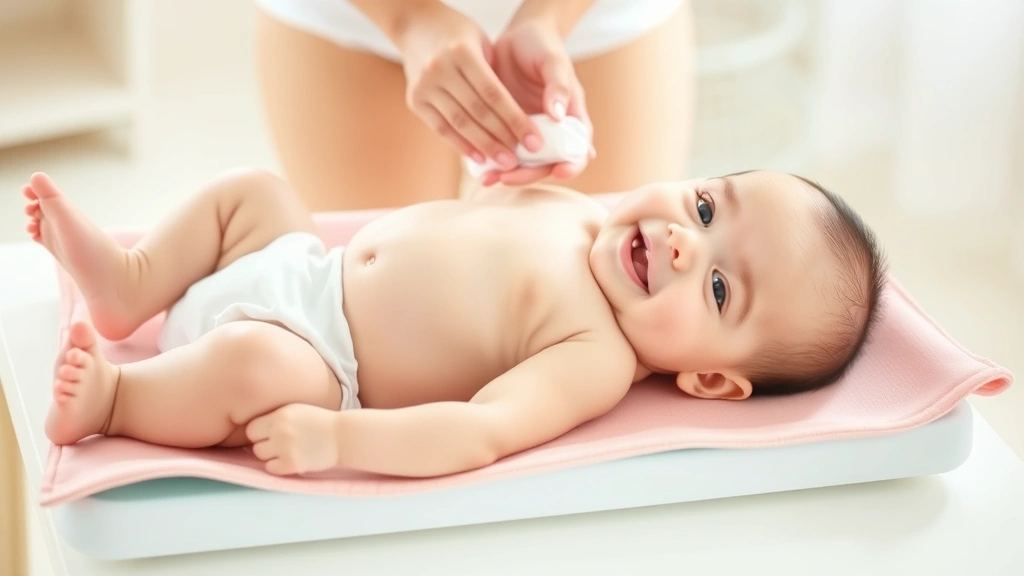
To understand water wipes’ role in diaper care, it’s helpful to compare them to alternative cleansing methods. Traditional commercial baby wipes, formulated with lotions and preservatives, offer better cleaning power and moisturizing properties but carry higher risks of irritation for sensitive babies. Parents switching from traditional wipes to water wipes often do so specifically to eliminate problematic ingredients.
Plain water and cotton pads or washcloths represent the most minimal approach and are often recommended by pediatricians as a gold standard for newborns, particularly those with skin conditions. Many doctors suggest using water with soft cotton pads for the first month, transitioning to other products as skin matures. This method offers maximum gentleness but requires more preparation and isn’t as convenient as packaged wipes.
Cloth wipes soaked in plain water provide a sustainable, customizable middle ground. Parents can prepare their own solution with filtered water and store cloth wipes in a warmer, addressing temperature and convenience concerns while maintaining ingredient control. This approach appeals to environmentally conscious families and those seeking long-term cost savings.
Wipes marketed as “sensitive” or “fragrance-free” occupy a middle position between traditional wipes and water wipes. They typically contain fewer additives than standard products but more than water wipes, offering a compromise for parents wanting better cleaning without maximum minimalism.
For comprehensive information on choosing baby products and establishing healthy routines, explore our parenting advice guide for modern parents, which covers product selection strategies and evidence-based recommendations.
Best Practices for Diaper Changes
Pediatricians recommend a flexible approach to diaper changes that adapts to your baby’s individual needs and circumstances. Rather than committing exclusively to one wipe type, consider having multiple options available and using what’s most appropriate for each situation.
For newborns (first month): Many pediatricians recommend water with cotton pads or water wipes for all diaper changes. This minimizes irritation risk during the critical early period when skin is most vulnerable. Pay special attention to thorough drying, as moisture left on skin can contribute to rash development.
For babies with sensitive skin or diagnosed conditions: Water wipes serve as an excellent primary choice. If diaper rash develops despite water wipe use, consult your pediatrician to rule out yeast infections or other conditions requiring specific treatment rather than just product changes.
For routine diaper changes after three months: As your baby’s skin matures, you have more flexibility. Many parents successfully transition to gentler commercial wipes or continue water wipes based on preference and budget. The key is choosing fragrance-free, hypoallergenic options.
For substantial soiling: Water wipes alone may require multiple wipes to achieve effective cleansing. Consider using water wipes as a first pass, followed by plain water and cotton if needed, to ensure thorough cleaning without excessive rubbing that might irritate skin.
For diaper rash: If rash develops, consult your pediatrician before assuming it’s a product reaction. Many diaper rashes result from yeast infections, bacterial overgrowth, or moisture retention rather than wipe ingredients. Your doctor can recommend appropriate treatment and whether switching to water wipes is indicated.
Temperature management matters more than many parents realize. Cold wipes can startle babies and make diaper changes unpleasant. If using water wipes, consider keeping them at room temperature or using a wipe warmer designed for this purpose.
Air drying is crucial regardless of which wipes you use. After cleansing, allow the diaper area to air dry for at least a minute before applying diaper cream and redressing. This simple step prevents moisture-related rash development more effectively than any product choice.
For additional guidance on establishing healthy parenting practices from infancy onward, our comprehensive guide for parents of teenagers emphasizes that decisions made in infancy, including health and hygiene practices, establish patterns that influence lifelong habits.
Frequently Asked Questions
Are water wipes safe for newborns?
Yes, water wipes are safe for newborns and are often recommended by pediatricians for babies with sensitive skin. The 99.9% purified water formulation with minimal preservatives poses virtually no safety concerns. However, consult your pediatrician if your newborn has specific skin conditions or if you have concerns about any ingredients.
Can water wipes cause diaper rash?
Water wipes are unlikely to cause diaper rash in most babies. However, inadequate drying after cleansing or leaving moisture in the diaper area can contribute to rash development. Always ensure thorough air drying before redressing your baby. If rash develops despite proper technique, consult your pediatrician to identify the underlying cause.
How do water wipes compare in price to regular wipes?
Water wipes typically cost 30-50% more per unit than standard baby wipes, though prices vary by location and retailer. Some families find the investment worthwhile for sensitive-skinned babies, while others prefer budget alternatives. Calculate your actual cost per diaper change to make an informed decision.
Can I use regular water and cotton instead of water wipes?
Absolutely. Many pediatricians consider plain water with soft cotton pads or washcloths the gold standard for newborn diaper care. This approach offers maximum gentleness and cost savings but requires more preparation. Water wipes provide convenience while maintaining the minimal-ingredient philosophy.
At what age can I stop using water wipes?
There’s no specific age requirement to transition away from water wipes. As your baby’s skin matures around three to four months, you have more flexibility in wipe choices. Many parents continue using water wipes if their baby’s skin remains sensitive or if they prefer the ingredient transparency regardless of age.
Do water wipes work for cleaning face and hands?
Yes, water wipes are excellent for cleaning your baby’s face, hands, and other areas beyond the diaper region. Their gentle formula makes them ideal for areas around eyes, nose, and mouth where sensitivity is heightened. Many parents find this versatility adds value to their purchase.
What should I do if my baby develops rash despite using water wipes?
Contact your pediatrician for evaluation. Diaper rash has multiple potential causes including yeast infections, bacterial overgrowth, friction, moisture retention, or food sensitivities. Your doctor can diagnose the specific cause and recommend appropriate treatment, which may or may not involve changing wipe products.
Are there any babies who shouldn’t use water wipes?
Water wipes are suitable for virtually all babies, including those born prematurely or with sensitive skin conditions. However, always inform your pediatrician about any diagnosed skin conditions or allergies so they can provide specific guidance tailored to your baby’s needs.