Hospital Bag Essentials: Midwife’s Checklist
Preparing for your hospital stay is one of the most exciting yet practical steps in your pregnancy journey. As you count down the final weeks, packing a thoughtfully organized hospital bag ensures you’ll have everything you need for labor, delivery, and those precious first days with your newborn. This comprehensive checklist, guided by midwifery best practices, covers every category you’ll need—from comfort items to postpartum essentials.
Whether this is your first baby or your fourth, the hospital bag can feel overwhelming. What do you really need? What’s just extra weight? We’ve consulted with experienced midwives and healthcare providers to create a practical guide that separates must-haves from nice-to-haves, helping you pack smart and arrive prepared for one of life’s greatest moments.
Table of Contents
- Items for Labor and Delivery
- Comfort Items for Mom
- Essential Items for Baby
- Postpartum Recovery Supplies
- Important Documents and Paperwork
- Extra Touches and Entertainment
- Frequently Asked Questions
Items for Labor and Delivery
Your labor bag should focus on comfort, practicality, and easy access. During active labor, you won’t want to dig through suitcases searching for essentials. Keep these items within arm’s reach:
- Comfortable going-home outfit: Pack in two sizes—one for immediately after birth and one for a few weeks postpartum. Many women are surprised they don’t fit pre-pregnancy clothes right away.
- Bathrobe or zip-front nightgown: Choose front-opening options for easy skin-to-skin contact and nursing. Button-ups are less convenient during labor and recovery.
- Slippers with non-skid soles: You’ll need stable footing when walking the halls during labor. Hospital floors can be slippery.
- Entertainment items: Tablet, headphones, or playlists can provide distraction and create a calming atmosphere during early labor.
- Pillow from home: Use a colored or patterned pillowcase to distinguish it from hospital pillows. Familiar comfort items make a real difference.
- Massage tools: A tennis ball or specialized massage roller helps your partner provide counterpressure during contractions.
- Toiletries: Bring your preferred shampoo, body wash, toothbrush, and toothpaste. Hospital-provided items work, but personal products feel more comforting.
” alt=”Pregnant woman organizing hospital bag with folded baby clothes and comfort items on bed”>
Comfort Items for Mom
Recovery begins immediately after delivery, and having the right comfort items accelerates healing and improves your hospital experience. These items specifically support your physical and emotional well-being:
- Several pairs of comfortable underwear: You’ll go through multiple pairs due to postpartum bleeding. Pack disposable or ones you don’t mind discarding.
- Extra-absorbent pads: Hospitals provide these, but some mothers prefer their preferred brands for peace of mind.
- Comfortable bras: Bring nursing bras in multiple sizes since your breast size will fluctuate. A comfortable, well-fitting bra supports your changing body and makes nursing easier.
- Loose-fitting pajamas: Choose front-opening styles for nursing and easy access during medical checks. Soft, breathable fabrics work best.
- Maternity pants or sweatpants: Hospitals provide gowns, but having your own clothes for walking, sitting, and recovery feels more normal.
- Extra socks: Hospitals provide these, but bringing extras in fun patterns makes you feel more like yourself.
- Hair ties and headbands: Keep hair out of your face during labor and recovery when you’re exhausted and may not feel like managing your appearance.
- Nipple cream and nursing pads: Start breastfeeding off right with products you trust. The American Academy of Pediatrics provides evidence-based breastfeeding guidance.
- Robe or cardigan: Hospitals keep rooms cool, and you’ll appreciate an extra layer that opens easily for skin-to-skin contact and nursing.
Essential Items for Baby
Hospitals provide basic supplies, but bringing your own items ensures your baby wears what you’ve chosen and tested. This is especially important if your baby has sensitive skin or you prefer specific brands:
- Newborn and 0-3 month clothing: Pack baby clothes in multiple sizes since you won’t know your baby’s exact weight or length beforehand. Include:
- 8-10 onesies
- 6-8 sleepers with built-in mittens
- 3-4 pairs of pants or leggings
- 3-4 long-sleeved shirts
- 2-3 cardigans or jackets
- 6-8 pairs of socks or booties
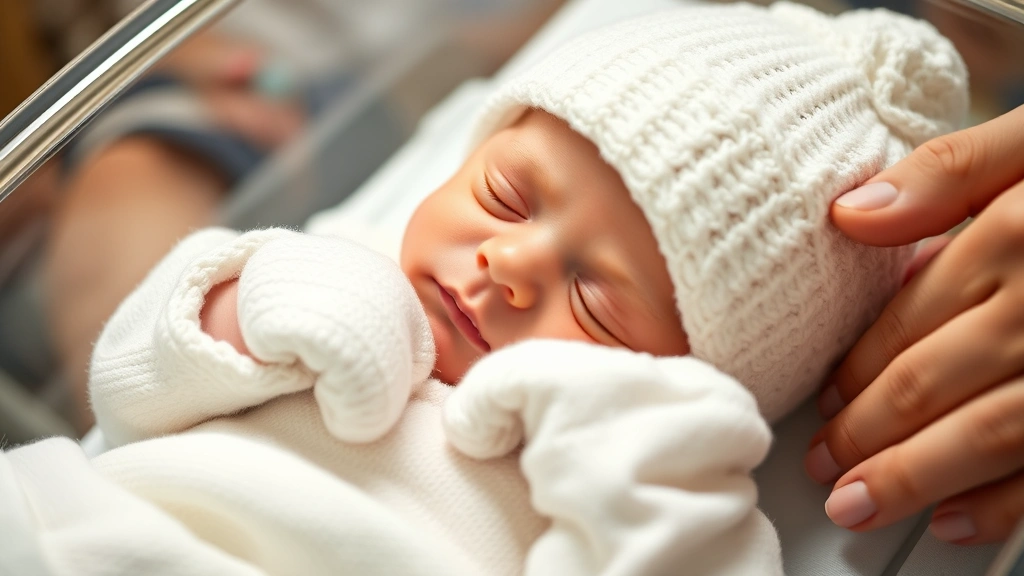
- 2 hats and mittens (babies lose heat through their heads)
- 2-3 swaddles or sleep sacks
- Going-home outfit in two sizes: Pack newborn and 0-3 month options. You won’t know which fits better until baby arrives.
- Cloth diapers or preferred diaper brand: Many hospitals provide diapers, but some parents prefer their own, especially for sensitive skin.
- Preferred baby wash and lotion: While hospitals provide these, your pediatrician may have specific recommendations for your baby’s skin.
- Pacifiers: Bring your preferred style and multiple backups. Some babies take to certain shapes better than others.
- Receiving blankets from home: Beyond the hospital’s blankets, these become cherished keepsakes. Bring 2-3 in easy-to-wash fabrics.
- Mittens and scratch guards: Newborns have sharp fingernails and can scratch their delicate faces.

” alt=”Newborn baby wearing soft white hat and mittens being held by smiling parent in hospital bed”>
Postpartum Recovery Supplies
The first days after birth involve significant physical changes. Prepare yourself with supplies that support healing and comfort:
- Maternity pads (maximum absorbency): Heavy postpartum bleeding is normal. Hospitals provide these, but bringing your preferred brand offers psychological comfort.
- Perineal cooling pads or witch hazel: These provide soothing relief if you have vaginal tearing or an episiotomy.
- Comfortable heating pad: Many hospitals allow personal heating pads for muscle soreness and cramping as your uterus contracts back to normal size.
- Stool softener: Ask your healthcare provider about this before delivery. Postpartum constipation is common and uncomfortable.
- Entertainment for recovery: Bring books, tablets, or streaming device access for those long recovery hours when you’re awake but resting.
- Snacks: Hospitals provide meals, but bringing your favorite non-perishable snacks (granola bars, nuts, dried fruit) helps when you’re hungry between meals or nursing frequently.
- Extra phone chargers: You’ll want to capture photos and share news. Multiple chargers ensure devices stay powered.
- Camera: While phones work, a dedicated camera captures better photos of those precious first moments with your newborn.
Important Documents and Paperwork
Administrative details matter as much as physical comfort. Organize these documents in an easily accessible folder:
- Insurance cards and ID: Essential for hospital check-in. Keep originals in a waterproof pouch.
- Hospital pre-registration forms: Complete these before labor begins to streamline check-in.
- Birth plan copies: Bring multiple copies for your medical team. See comprehensive parenting advice resources for birth planning guidance.
- Prenatal records: Your hospital may request these, especially test results and ultrasound images.
- Emergency contact information: List phone numbers for your partner, family, and pediatrician.
- Pediatrician information: Have your baby’s doctor’s name, address, and phone number readily available.
- Vaccination record: For any older children staying elsewhere during your hospital stay.
Extra Touches and Entertainment
While not essential, these items enhance your hospital experience and help you feel more comfortable:
- Bluetooth speaker: Play your favorite music or nature sounds to create a calming atmosphere during labor and recovery.
- Scented items: Essential oil diffuser or your favorite perfume makes your hospital room feel more personal.
- Comfort snacks: Beyond basic nutrition, bring treats you crave. Pregnancy cravings often continue postpartum.
- Maternity pillow: If you’re accustomed to sleeping with one, bring it with a colored pillowcase for easy identification.
- Birth affirmation cards: Positive messages from loved ones provide emotional support during labor and recovery.
- Newborn photo outfit: A special outfit for those first photos creates lasting memories. Check baby shower gift ideas for inspiration on special pieces.
Remember that preparation extends beyond packing. Consider taking a childbirth education class and reviewing evidence-based childbirth education resources to prepare mentally and emotionally for labor and delivery.
Smart Packing Strategies
Organization makes hospital bag management easier. Divide items into separate bags or clearly labeled sections:
- Labor bag: Keep essentials for active labor easily accessible. This includes comfort items, entertainment, and toiletries.
- Baby bag: Separate your baby’s clothing and supplies for quick access to specific sizes.
- Postpartum bag: Pack recovery supplies separately since you won’t need these until after delivery.
- Going-home bag: Keep outfits and special items in their own bag, ready to grab on departure day.
Pack your hospital bag between 34-36 weeks of pregnancy. This timing gives you peace of mind without packing so early that you might forget items or need to refresh supplies. Keep your bags in an easily accessible location and ensure your partner knows where they are.
What Hospitals Typically Provide
Understanding what your hospital supplies helps you avoid overpacking and knowing what gaps to fill:
- Hospital gowns for labor and recovery
- Linens, pillows, and blankets
- Basic toiletries (soap, shampoo, toothpaste)
- Towels and washcloths
- Diapers and wipes for baby
- Basic newborn clothing
- Meals for postpartum recovery
- Maternity pads
Call your hospital ahead of time to confirm what they provide. Policies vary, and knowing specifics helps you pack appropriately.
Frequently Asked Questions
How far in advance should I pack my hospital bag?
Pack between 34-36 weeks of pregnancy. This timing ensures you’re prepared for early labor while still having time to add last-minute items or refresh supplies if needed.
What’s the most important item to bring for baby?
Comfortable, well-fitting clothing in multiple sizes is essential. Hospitals provide basic supplies, but having clothing you’ve chosen and tested ensures your baby is comfortable and you have photos in outfits you love.
Should I bring my own pillow?
Yes, if you bring a pillow from home, use a distinctly colored or patterned pillowcase. This prevents mix-ups with hospital pillows and provides comforting familiarity during recovery.
Can I bring my own food to the hospital?
Most hospitals allow non-perishable snacks but restrict full meals. Confirm your hospital’s policy. Non-perishable items like granola bars, nuts, and dried fruit are usually permitted.
Is it necessary to pack entertainment items?
While not essential, entertainment helps during early labor and extended recovery. Music, books, or shows provide distraction and create a calming atmosphere.
What if my baby is larger or smaller than expected?
This is why packing multiple sizes is crucial. Include newborn through 0-3 month clothing. Most babies fall within this range, but having options ensures your baby has comfortable clothes regardless of size.
Should I wash baby clothes before packing?
Yes, wash all baby clothing before packing. Use a gentle, fragrance-free detergent. This removes manufacturing chemicals and ensures clothes are clean and soft for your newborn’s sensitive skin.
Can my partner stay overnight at the hospital?
Most hospitals accommodate partners in your room. Ask about pillow and blanket policies so you can bring comfortable items for them if needed.
What should I pack for my partner?
Include comfortable clothes, toiletries, snacks, phone charger, and entertainment. Your partner may be present for extended periods and should have items for comfort and hygiene.
Are there items I should avoid packing?
Avoid valuable jewelry, large amounts of cash, or irreplaceable items. Hospitals aren’t responsible for lost or damaged personal belongings. Keep valuables minimal and secure.
For additional support during this exciting transition, explore essential parenting advice for raising healthy children and visit the American College of Obstetricians and Gynecologists for labor and delivery information.
Your hospital bag represents more than practical preparation—it’s a tangible expression of your anticipation and love for your baby. By thoughtfully packing these essentials, you’re creating the conditions for a comfortable, supported birth experience. Trust your instincts, communicate with your healthcare provider about your specific needs, and remember that you’re preparing for one of life’s most remarkable journeys. Welcome to parenthood!