When Can Babies Sleep With a Blanket? Safety Tips Every Parent Should Know
The question of when babies can safely sleep with blankets keeps many parents up at night—sometimes literally. It’s one of those parenting decisions that feels simultaneously simple and surprisingly complicated, especially when you’re navigating conflicting advice from well-meaning relatives, pediatricians, and countless online sources.
Here’s the straightforward answer: most health experts recommend waiting until your baby is at least 12 months old before introducing blankets into the crib. But the real story is more nuanced than that single milestone, and understanding the why behind this guidance makes it infinitely easier to navigate the practical realities of keeping your little one cozy and safe.
Let’s walk through everything you need to know about blankets, safety standards, and the developmental milestones that make blankets appropriate for your growing child.
Why Blankets Matter (And Why the Wait)
Blankets represent one of those parenting symbols—that cozy, nurturing image of tucking your baby in at night. There’s something deeply comforting about the visual of a soft blanket, which is precisely why the restriction can feel unnecessarily rigid to parents who grew up with blankets in their own cribs.
The reasoning behind the 12-month guideline stems from the American Academy of Pediatrics’ recommendations for reducing Sudden Infant Death Syndrome (SIDS) risk. During the first year of life, babies haven’t yet developed the motor control or strength to move blankets away from their face if they become obstructed. Even a lightweight blanket can pose a suffocation hazard when a baby rolls onto it or it shifts during sleep.
Beyond the physical safety concerns, there’s also a developmental component. Infants under 12 months regulate their body temperature differently than older children. They’re more prone to overheating, which is itself a SIDS risk factor. A blanket, even a thin one, can contribute to excessive warmth in the crib environment.
The good news? There are genuinely effective alternatives that provide warmth and comfort without the risks.
Safe Sleep Guidelines for Infants
Creating a safe sleep environment for your baby involves more than just skipping the blanket. The CDC emphasizes a comprehensive approach to reducing SIDS risk, and understanding these guidelines helps you make informed decisions about every element of your baby’s sleep space.
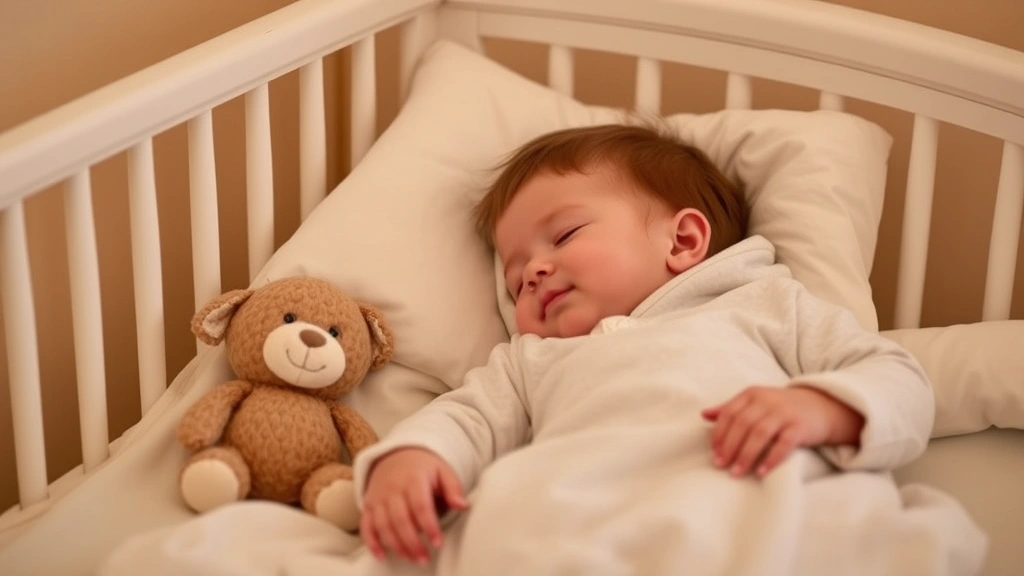
The bare crib principle: For the first 12 months, your baby’s crib should contain only a fitted sheet and your baby. No pillows, no bumpers, no blankets, no soft toys. This isn’t about being cold or uncomfortable—it’s about eliminating any potential suffocation hazard.
Room-sharing without bed-sharing: The American Academy of Pediatrics recommends keeping your baby’s crib in your bedroom for at least the first six months, ideally the first year. This proximity allows you to respond quickly to your baby’s needs while maintaining safe sleep practices.
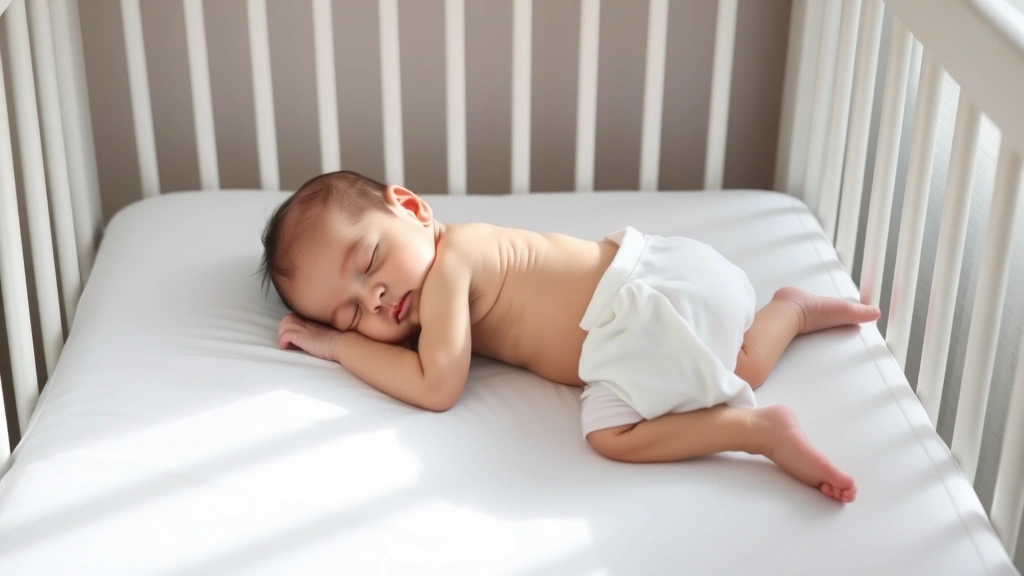
Back sleeping position: Always place your baby on their back for naps and nighttime sleep. This position significantly reduces SIDS risk. Once your baby can roll over consistently (usually around 6 months), they can stay in their preferred position, but you should continue placing them on their back initially.
Firm sleep surface: Your baby’s mattress should be firm and fit snugly in the crib. A mattress that’s too soft or a crib that’s too large increases suffocation risks.
Avoiding overheating: Keep the room at a comfortable temperature, and dress your baby appropriately for sleep. Many parents overdress their babies because they worry about cold, but overheating is actually more dangerous.
Cozy Alternatives Before 12 Months
If you’re concerned about your baby being cold, you have several excellent options that are both safe and effective.
Wearable sleep solutions: A sleep sack baby option provides consistent warmth without loose blankets. Sleep sacks are essentially wearable blankets—your baby wears them like a sleeping bag. They’re rated by TOG (thermal overall grade), which indicates warmth level. For most climates, a 1.0 TOG sleep sack is appropriate for room temperatures between 68-72°F.
Swaddling: For newborns, baby swaddle techniques can provide comfort and warmth. Swaddling mimics the snug feeling of the womb and can help soothe a fussy baby. However, swaddling should be discontinued once your baby shows signs of rolling over, typically around 2-3 months.
Appropriate clothing: Dress your baby in a onesie or sleep sack pajamas appropriate for the room temperature. Many parents find that a long-sleeved onesie plus a sleep sack provides adequate warmth without overheating.
Layering strategically: You can adjust warmth by using different weights of sleep sacks or adding layers under the sleep sack. This gives you flexibility as seasons change without introducing loose blankets.
Making the Transition: 12 Months and Beyond
Once your baby reaches 12 months, you can gradually introduce blankets into their sleep environment. However, this transition should still be thoughtful and gradual rather than immediately piling their crib with blankets.
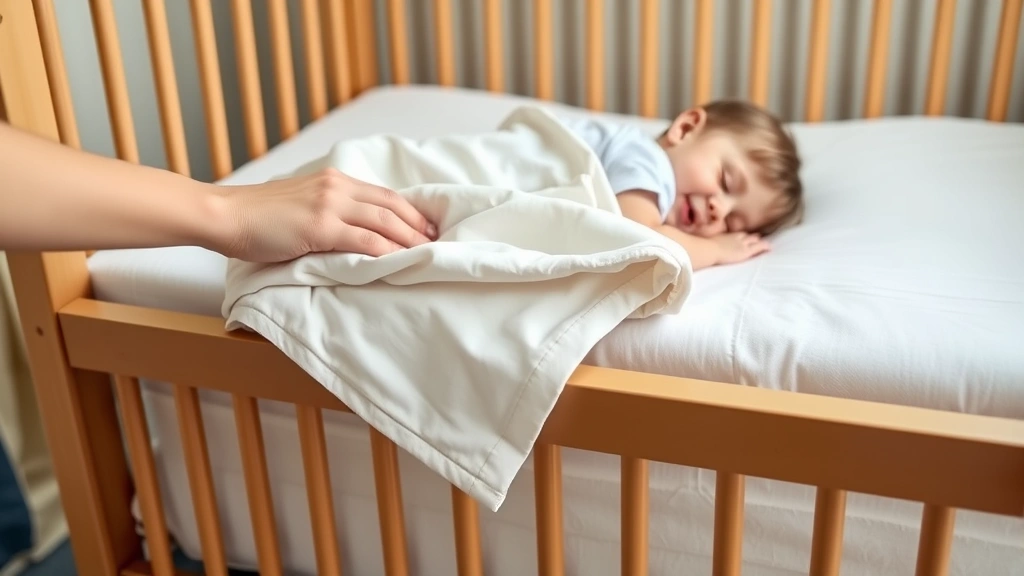
Start small and simple: When you do introduce a blanket, begin with a single, lightweight option. A baby blanket should be tucked securely under the mattress at the foot of the crib, reaching only to your toddler’s chest. This prevents them from pulling it over their face.
Assess your child’s development: By 12 months, most babies have developed better motor control and can move blankets away from their face. However, every child develops at their own pace. If your toddler seems to move around a lot during sleep or frequently pulls blankets over their head, you might wait a bit longer or stick with sleep sacks.
Monitor temperature carefully: Even with a blanket, your toddler shouldn’t be overheated. The room should still be kept at a comfortable temperature, and you should dress them appropriately. A blanket is supplementary, not the primary heat source.
Watch for behavioral changes: Some toddlers become more restless or sleep less well when blankets are introduced. This is completely normal and doesn’t mean something’s wrong. It might just mean your child isn’t ready for that particular change, and that’s okay.
Choosing Safe Blankets for Your Toddler
Not all blankets are created equal when it comes to safety. Once your child is old enough for blankets, selecting the right type makes a real difference.
Size considerations: A baby blanket size should be appropriate for your crib. Standard crib blankets are typically 36×48 inches, which is designed to fit safely in standard cribs without excessive overhang. Oversized blankets increase the risk of your toddler becoming tangled or pulling them over their face.
Material and weight: Choose blankets made from breathable materials like cotton or lightweight fleece. Avoid heavy quilts, comforters, or thick blankets that can cause overheating. The blanket should be light enough that if it does cover your toddler’s face, they can easily move it away.
Avoid embellishments: Skip blankets with loose buttons, ribbons, appliqués, or other decorations that could become choking hazards. Simple, straightforward designs are safest.
Personalized options: If you’re interested in something special, personalized baby blankets can add sentimental value without compromising safety. Just ensure any personalization is embroidered securely rather than using loose appliqués.
Handmade considerations: If you enjoy crafting, a crochet baby blanket can be lovely, but ensure the weave is tight enough that it’s not a suffocation risk and that there are no loose threads. Handmade blankets should still meet the same safety standards as commercial options.
Regular inspection: As your toddler uses their blanket, regularly check for wear, loose threads, or damage. A blanket that’s becoming frayed or deteriorating should be replaced.
Common Blanket Mistakes Parents Make
Even well-intentioned parents sometimes make choices that compromise their child’s sleep safety. Being aware of these common pitfalls helps you avoid them.
Introducing blankets too early: The most common mistake is offering blankets before 12 months, even if it seems like your baby is big enough or cold. Stick with the guidelines—they exist for a reason, and the alternative options genuinely work well.
Using oversized or heavy blankets: That beautiful heirloom quilt or thick comforter might feel cozy to you, but it’s genuinely dangerous in a crib with a toddler. Save special blankets for when your child is older and sleeping in a regular bed.
Tucking blankets loosely: If you do use a blanket with your toddler, it must be tucked securely under the mattress. A loosely placed blanket defeats the entire purpose of waiting until 12 months—it becomes a hazard rather than a comfort item.
Ignoring temperature cues: Some parents keep the room too warm and then add blankets, creating an overheating situation. Monitor your child’s actual temperature. If they’re sweating or feel clammy, they’re too warm, regardless of age.
Mixing sleep methods inconsistently: If you’re using sleep sacks sometimes and blankets other times, your child might struggle with the inconsistency. Choose a method and stick with it across all sleep situations (naps, nighttime, at grandparents’ house) for the best results.
Not communicating with caregivers: If your baby spends time with grandparents, daycare providers, or babysitters, ensure everyone understands your blanket policy. Inconsistent sleep environments can confuse babies and undermine safe sleep practices.
Forgetting about safety as children grow: Once your child moves to a toddler bed or regular bed (typically around 18 months to 3 years), blanket safety becomes less critical, but you should still avoid heavy quilts or excessive pillows until they’re older.
Frequently Asked Questions
What if my baby seems cold without a blanket?
Babies rarely get cold in a properly maintained sleep environment. If your room is at a comfortable temperature and your baby is dressed appropriately (onesie plus sleep sack), they’re almost certainly warm enough. Many parents worry their babies are cold when they’re actually at risk of overheating. Feel your baby’s back or neck to assess their temperature rather than relying on how their hands or feet feel—extremities are naturally cooler.
Can I use a blanket in a play yard or Pack ‘n Play?
The same guidelines apply to any enclosed sleep surface. Avoid blankets in play yards until your child is at least 12 months old. For portable sleep spaces, sleep sacks are even more practical than in cribs because they travel easily and work in any environment.
What about weighted blankets for my baby?
Weighted blankets are absolutely not appropriate for infants or toddlers under 2 years old. They significantly increase suffocation and overheating risks. Even for older children, weighted blankets should only be used under professional guidance and typically not in a crib setting.
Is it safe to use a blanket if my baby sleeps in a bassinet?
Bassinets have the same safety requirements as cribs regarding blankets. Keep bassinets bare of blankets until your baby is at least 12 months old and has transitioned to a crib. Sleep sacks work wonderfully in bassinets and are often easier to manage in the smaller space.
When can my child use a pillow and comforter?
Most experts recommend waiting until your child is at least 2-3 years old and sleeping in a toddler bed or regular bed (not a crib) before introducing pillows and comforters. Even then, keep pillows and blankets minimal and ensure they’re not so heavy or large that they pose hazards. Some children don’t actually need or want pillows until they’re even older.
My pediatrician said something different—who should I listen to?
Your pediatrician knows your child’s individual health situation and development. If they’ve given you different guidance than general recommendations, follow their advice. They may have specific reasons related to your child’s health or development. When in doubt, ask your pediatrician to explain their reasoning.
Can I use a blanket for cuddles and bonding if I remove it before sleep?
Absolutely! Using a blanket during awake time—for cuddles, tummy time, or playtime—is perfectly safe and can be a wonderful bonding experience. The restriction is specifically about blankets in the sleep environment, not blankets in general.
What’s the difference between a sleep sack and a blanket?
A sleep sack is a wearable garment that your baby wears during sleep, eliminating the risk of it shifting or covering their face. A traditional blanket is a separate item placed in the crib that can move around. Sleep sacks are safer for younger babies and remain a good option even after 12 months if your child prefers them.