When Do Babies Hold Bottles? Pediatric Advice for Developmental Milestones
One of the most exciting moments in your baby’s first year is watching them gain independence with feeding. Many parents wonder exactly when their little one will be ready to hold their own bottle, and the answer depends on several developmental factors. Understanding this milestone helps you support your baby’s growth while maintaining safe feeding practices.
Bottle holding represents more than just a convenient skill—it’s a sign of developing motor control, hand-eye coordination, and growing independence. Most babies begin showing interest in grasping and holding objects around 4-6 months, but the ability to reliably hold and drink from a bottle typically emerges between 6-9 months of age. Every baby develops at their own pace, so there’s a wide range of normal development in this area.
This comprehensive guide will walk you through the developmental stages, safety considerations, and practical tips for encouraging your baby to hold their own bottle. We’ll also address common concerns and help you recognize when your baby is truly ready for this exciting milestone.
Table of Contents
- Developmental Stages of Bottle Holding
- Signs Your Baby Is Ready
- Encouraging Bottle Independence
- Safety Considerations
- Common Parent Concerns
- Frequently Asked Questions
Developmental Stages of Bottle Holding
Understanding the progression of motor skill development helps you recognize where your baby falls on the developmental spectrum. Parenting advice for new parents often emphasizes that each stage builds upon the previous one, creating a foundation for more complex skills.
4-5 Months: Early Grasping
At this stage, babies are developing their raking grasp—using their whole hand to grab objects. They may reach for your hands during feeding or try to grab the bottle, but they lack the strength and coordination to hold it independently. Their grasp is reflexive rather than intentional, and they cannot yet support the bottle’s weight while drinking.
6-7 Months: Emerging Control
Around 6 months, babies begin developing a more refined pincer grasp and improved hand-eye coordination. Some babies may hold the bottle for brief moments with your support, though they still need you to maintain most of the weight. This is an excellent time to introduce the concept of bottle holding during supervised practice sessions.
8-9 Months: Growing Independence
Most babies between 8-9 months can hold their bottle with minimal assistance. Their grip strength increases significantly, and they develop better coordination between their hands and mouth. Many babies at this age can feed themselves for short periods, though they may still need help repositioning the bottle or finishing the feeding.
10-12 Months: Reliable Self-Feeding
By their first birthday, most babies can hold and drink from a bottle independently for entire feedings. They’ve developed sufficient strength, coordination, and understanding of the task to manage this skill reliably. This milestone often coincides with when you can stop burping a baby as frequently, as they gain more control over their feeding process.
According to the American Academy of Pediatrics, these developmental milestones represent typical progression, though individual variation is completely normal. Some babies may show these skills earlier or later depending on their unique development, birth weight, and individual temperament.
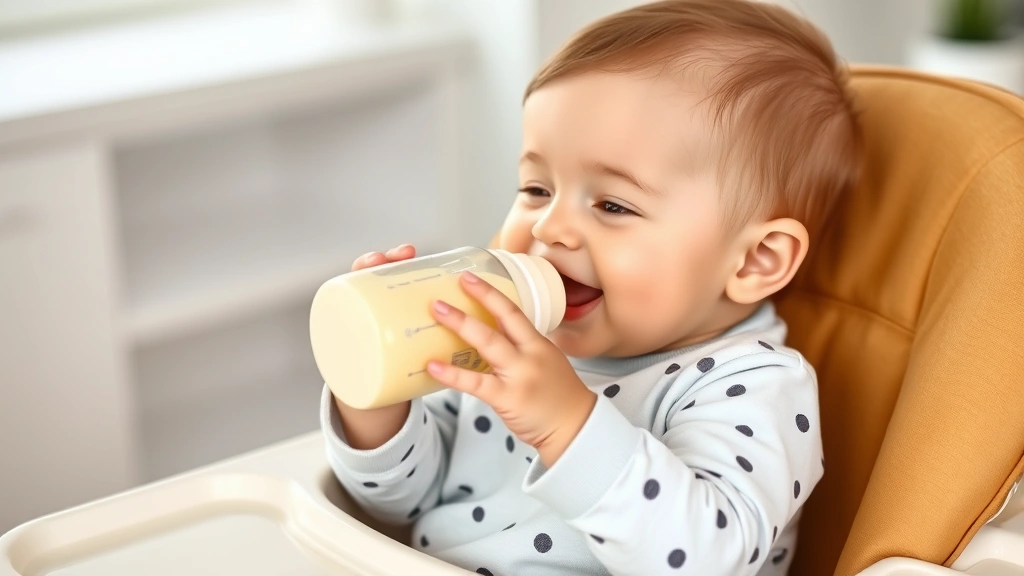
Signs Your Baby Is Ready to Hold Their Own Bottle
Rather than focusing solely on age, watch for specific developmental signs that indicate your baby is approaching bottle-holding readiness. These signs show that your baby has developed the necessary physical and cognitive skills.
Physical Development Indicators
- Can sit upright with minimal support for extended periods
- Demonstrates a strong, intentional grasp when reaching for objects
- Shows improved hand-eye coordination and reaches accurately toward targets
- Can transfer objects from one hand to another
- Brings hands to mouth consistently and with purpose
- Has developed enough neck and shoulder strength to support bottle weight
Behavioral and Cognitive Signs
- Shows interest in self-feeding and independence
- Reaches for the bottle or your hands during feeding
- Demonstrates understanding of cause and effect with toys
- Can track moving objects with their eyes
- Shows curiosity about how things work
If your baby demonstrates most of these signs, they’re likely ready to begin practicing bottle holding with your supervision. It’s important to remember that readiness isn’t an all-or-nothing milestone—babies develop these skills gradually over several weeks.
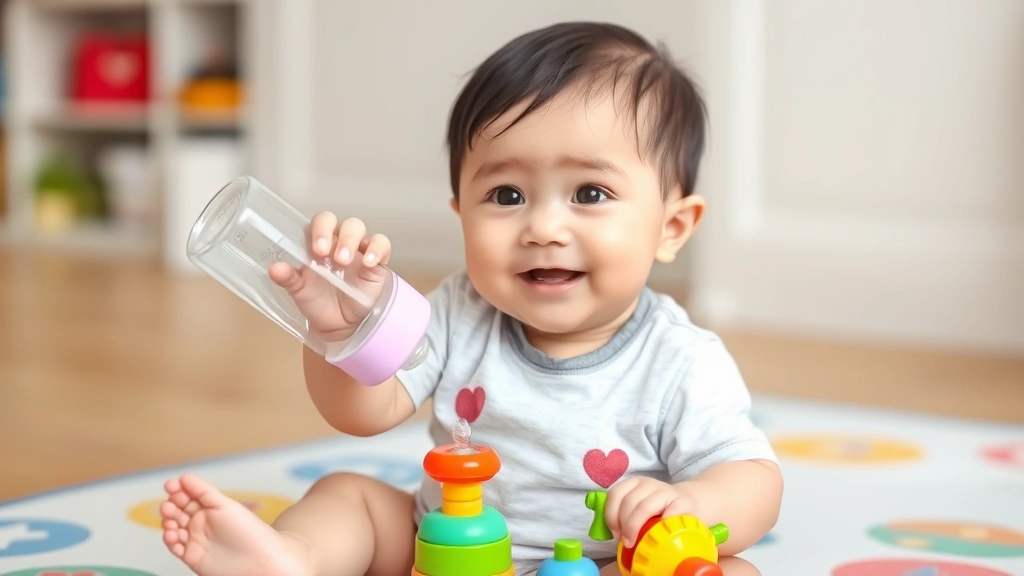
Encouraging Bottle Independence Safely
Once your baby shows signs of readiness, you can gradually introduce bottle-holding practice. This process should be patient, positive, and always supervised for safety.
Starting with Guided Practice
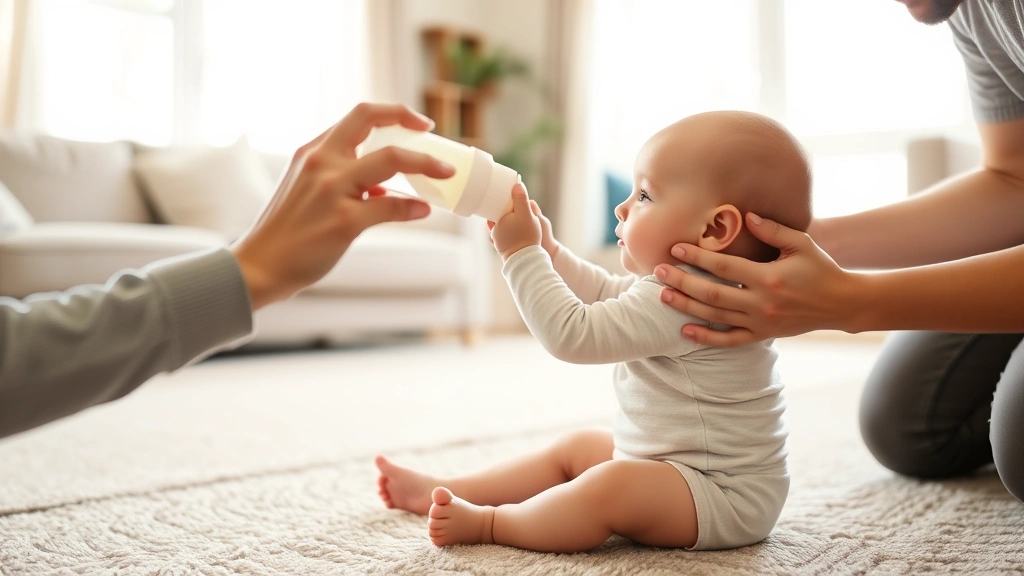
Begin by placing your hands over your baby’s hands while they hold the bottle. This helps them feel the weight and position while you maintain control. Use plenty of verbal encouragement and praise when they participate actively. Keep these practice sessions short—5-10 minutes is ideal—and always end on a positive note before your baby becomes frustrated.
Gradual Reduction of Support
Slowly decrease the amount of assistance you provide. Move from holding their hands to just steadying the bottle, then to simply having your hands nearby. This gradual transition helps build your baby’s confidence and muscle memory. Some babies progress quickly through these stages, while others need more time—both are completely normal.
Choosing the Right Bottles
Lighter bottles are easier for babies to hold independently. Consider bottles designed for self-feeding, which often have shorter, wider designs that are easier for small hands to grasp. Anti-colic bottles may be slightly heavier due to their design, so keep this in mind when your baby is learning to hold bottles independently.
Timing Your Practice Sessions
Choose times when your baby is alert, happy, and not overly hungry. A ravenous baby may become frustrated with the slower pace of self-feeding and lose interest in the learning process. Mid-feeding is often a good time to introduce bottle holding, once your baby’s initial hunger is satisfied.
Creating a Positive Environment
Make bottle holding practice fun and pressure-free. Celebrate small successes with enthusiasm, and never force your baby to hold the bottle if they’re resistant. Some babies take to this skill quickly, while others prefer having you hold the bottle for longer—this preference doesn’t indicate any developmental concern.
Safety Considerations for Self-Feeding Babies
As your baby learns to hold and drink from their bottle, several safety practices become important. Essential parenting advice includes understanding safety practices for all developmental stages, and bottle holding is no exception.
Never Leave Your Baby Alone
Always supervise your baby during bottle feeding, whether they’re holding it themselves or you’re holding it for them. Babies can accidentally drop bottles, spill milk, or position the bottle in a way that causes choking. Supervision is not optional—it’s a critical safety requirement at every stage of bottle feeding.
Monitor Bottle Position
Watch to ensure your baby keeps the bottle at an appropriate angle and doesn’t tilt it too far back, which can increase the risk of ear infections. The bottle should be tilted so the nipple remains full of liquid, preventing your baby from sucking air. Gentle repositioning from you may be necessary throughout the feeding.
Watch for Signs of Choking or Gagging
Know the difference between normal gagging (which is a protective reflex) and actual choking. If your baby coughs, gags, or seems to be struggling, be ready to help. Have your pediatrician demonstrate proper infant CPR and choking response techniques during your next visit.
Check Bottle Condition Regularly
Inspect bottles for cracks or damage that could occur from dropping. Damaged bottles may have sharp edges or could leak unexpectedly. Replace bottles that show signs of wear, and ensure the nipple is in good condition with no tears.
Maintain Proper Feeding Schedule
Continue following your pediatrician’s recommendations for feeding frequency and amounts. Allowing your baby to hold the bottle doesn’t change their nutritional needs or recommended feeding schedule. HealthyChildren.org provides detailed feeding guidelines for different ages and stages.
Practice Good Bottle Hygiene
Since your baby will be handling the bottle more, ensure all bottles, nipples, and caps are thoroughly cleaned and sterilized according to current guidelines. Babies who hold bottles may also put their fingers in their mouths more frequently, so hand cleanliness becomes increasingly important.
Common Parent Concerns About Bottle Holding
Many parents have questions and concerns about this developmental milestone. Understanding common concerns can help you feel more confident in supporting your baby’s development.
“My baby is 10 months old and still can’t hold their bottle—is something wrong?”
Not necessarily. While most babies can hold bottles by 9-10 months, some perfectly healthy babies develop this skill later. If your baby shows other signs of normal development and your pediatrician hasn’t expressed concerns, there’s likely nothing to worry about. However, if your baby shows delays in multiple areas or if you have specific concerns, discuss them with your pediatrician during your next visit.
“My baby was premature—does this affect bottle holding?”
Yes, you should use your baby’s corrected age (age since their due date, not birth date) when assessing developmental milestones until around age 2. A baby born three months early would be expected to reach milestones about three months later than a full-term baby of the same calendar age.
“Should I stop bottle feeding once my baby can hold it themselves?”
No. Many parents continue to hold bottles for their babies even after they can do it independently. Bottle feeding is a wonderful bonding opportunity, and there’s no developmental reason to stop holding the bottle just because your baby can. Let your baby’s interest and your family’s preferences guide this decision. Parent Path Daily Blog offers many resources about feeding practices and parent-child bonding.
“Could bottle holding cause tooth decay?”
Prolonged exposure to milk or formula can contribute to tooth decay, but this is more of a concern when babies fall asleep with bottles or drink from bottles throughout the day. If your baby is holding their bottle for regular feedings and you’re maintaining good oral hygiene, the risk is minimal. Avoid letting your baby have a bottle in bed or carry a bottle around all day.
“My baby refuses to hold their bottle—should I force them?”
Never force your baby to hold the bottle. Some babies prefer having a caregiver hold it, and this preference is perfectly fine. Continue offering opportunities to practice without pressure, and your baby may become interested as they develop more strength and coordination.
Frequently Asked Questions
At what age do most babies start holding their own bottles?
Most babies begin showing interest in holding bottles around 6 months and can do so with increasing independence between 8-12 months. However, there’s wide variation in normal development, and some babies may take longer or show interest earlier.
What if my baby is 12 months old and still can’t hold their bottle independently?
If your baby shows other signs of normal development, this isn’t necessarily concerning. Discuss any developmental worries with your pediatrician. They can assess whether your baby needs further evaluation or if they’re simply developing at their own pace.
Can bottle holding affect my baby’s teeth or mouth development?
Bottle holding itself doesn’t affect teeth development. However, allowing your baby to carry a bottle around or drink from a bottle frequently throughout the day can increase tooth decay risk. Limit bottles to scheduled feeding times and maintain good oral hygiene habits.
Should I transition to a sippy cup instead of bottle holding?
You can introduce sippy cups around 6 months, but bottle feeding and sippy cup use can coexist. Many families continue bottles while introducing cups, gradually transitioning fully to cups around 12-15 months. CDC nutrition guidelines provide information about appropriate beverages at different ages.
Is it okay to let my baby hold their bottle while playing?
It’s best to keep bottle feeding as a distinct activity rather than allowing your baby to carry a bottle around during play. This reduces choking risk, helps establish healthy feeding habits, and prevents constant milk exposure that could affect developing teeth.
How can I tell if my baby is drinking enough if they’re holding their own bottle?
You can monitor adequate intake by tracking wet diapers, weight gain, and your baby’s overall health and development. Your pediatrician will assess whether your baby is getting adequate nutrition during regular check-ups. If you’re concerned about intake, discuss this with your healthcare provider.
What if my baby drops the bottle frequently?
Frequent dropping is normal, especially when babies first learn to hold bottles. Use bottles with secure caps, clean up spills promptly, and have extra bottles available. As your baby’s coordination improves, dropping will decrease naturally. This is a normal part of learning.
Can my baby hold their bottle while lying down?
Babies should always be in an upright or semi-upright position during bottle feeding to reduce choking risk and prevent ear infections. Never prop a bottle or allow your baby to drink while lying flat, whether they’re holding the bottle or you are.
Watching your baby develop the ability to hold their own bottle is one of many exciting milestones you’ll experience during their first year. Remember that development varies widely, and your baby’s unique timeline is normal for them. If you have specific concerns about your baby’s development, your pediatrician is your best resource. In the meantime, enjoy this special time of bonding during feedings and celebrating each new skill your little one achieves.