Baby Shoe Size Chart: Expert Guide for Perfect Fit
Finding the right shoe size for your baby feels like solving a puzzle designed specifically to confuse parents. One month they’re swimming in those tiny sneakers, the next they’re busting out of them like they’re training for a growth spurt Olympics. The truth is, baby feet grow at a pace that would make your head spin—sometimes growing a full size every few months during the first couple of years.
Getting the fit right matters more than you might think. Shoes that are too tight can restrict circulation and interfere with proper foot development, while shoes that are too loose create safety hazards and make walking wobbly and uncomfortable. That’s where a reliable baby shoe size chart becomes your secret weapon for navigating the minefield of tiny footwear.
This guide walks you through everything you need to know about measuring your baby’s feet, understanding sizing across different brands, and knowing when it’s time to size up. We’ll also help you figure out which types of shoes work best for different stages, from your newborn’s first baby booties to their first real steps in baby walking shoes.
How to Measure Baby Feet Accurately
Before you even think about consulting a chart, you need an accurate measurement. This is where most parents go wrong. Many rely on their baby’s age or guess based on how shoes fit their older sibling. But here’s the reality: baby feet are as unique as snowflakes, and two babies born on the same day might wear completely different shoe sizes.
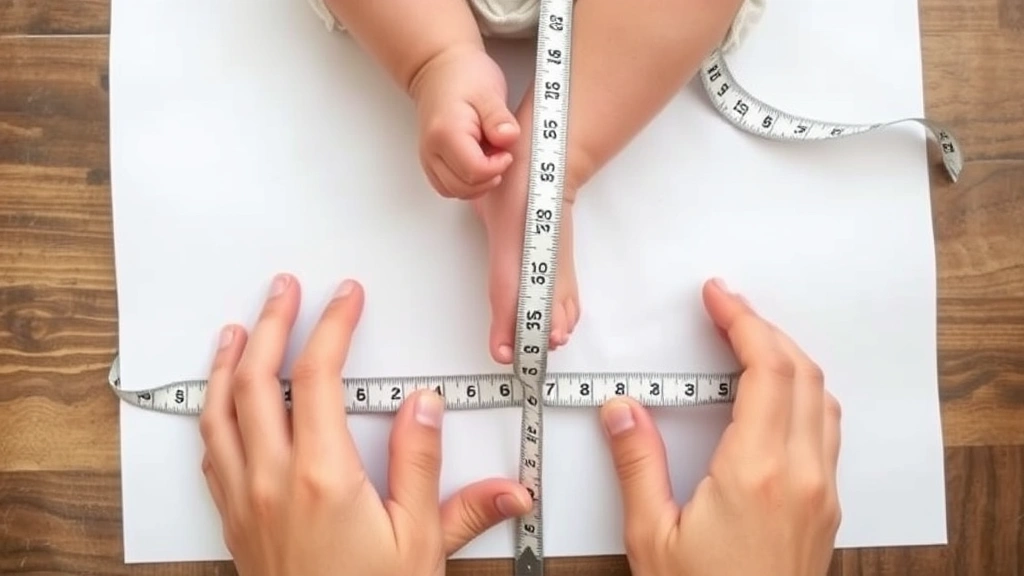
Start by gathering your supplies. You’ll need a piece of paper, a pen, and ideally a ruler or measuring tape. If you don’t have either, you can use the edge of another shoe or even print out a ruler template online. The key is having something to measure against.
Have your baby sit comfortably on your lap or a chair, preferably in the morning when their feet are less swollen. Babies’ feet tend to swell slightly throughout the day as they move around, so morning measurements are most reliable. Place the paper on a flat surface and have your baby step on it. You want their full foot on the paper, heel touching the back edge.
Using your pen, mark where the longest toe reaches. Measure from the heel mark to the toe mark. Do this for both feet—yes, babies can have slightly different sized feet, just like adults. Use the larger measurement as your baseline.
Pro tip: The American Academy of Pediatrics recommends leaving about a half-inch of space between your baby’s longest toe and the end of the shoe. You should be able to fit your pinky finger in that space comfortably.
Once you have your measurement in centimeters or inches, you can cross-reference it with a size chart. But here’s where things get tricky: not all brands use the same sizing system.
Baby Shoe Size Chart by Age
While every baby is different, here’s a general guideline based on age. Keep in mind this is approximate—your actual measurements are always more reliable than age-based sizing.
Newborn to 3 Months: Most newborns wear size 0 or 1. At this stage, many parents opt for baby booties or soft-soled shoes rather than structured footwear. These sizes typically accommodate feet measuring 3.5 to 4.5 inches.
3 to 6 Months: Babies usually progress to sizes 1-2 during this period. Feet are growing rapidly, and you might notice needing to size up more frequently than you’d expect. Measurements typically range from 4.5 to 5.25 inches.
6 to 12 Months: This is when babies start showing interest in their feet and may begin cruising or standing. Sizes 2-4 are common, with foot measurements between 5.25 and 6 inches. This is also when many parents transition to proper baby boy shoes or structured footwear designed for early walkers.
12 to 18 Months: Early walkers typically wear sizes 4-6. Feet measure approximately 6 to 6.5 inches. At this stage, proper support becomes more important as your little one masters the art of not falling on their face every five seconds.
18 to 24 Months: Toddlers usually wear sizes 6-8, with feet measuring around 6.5 to 7.25 inches. By this age, your toddler probably has strong opinions about shoe colors and styles too.
Remember, these are just ballpark figures. Growth spurts can throw everything off balance, and some babies simply have larger or smaller feet than average.
Understanding Brand Variations
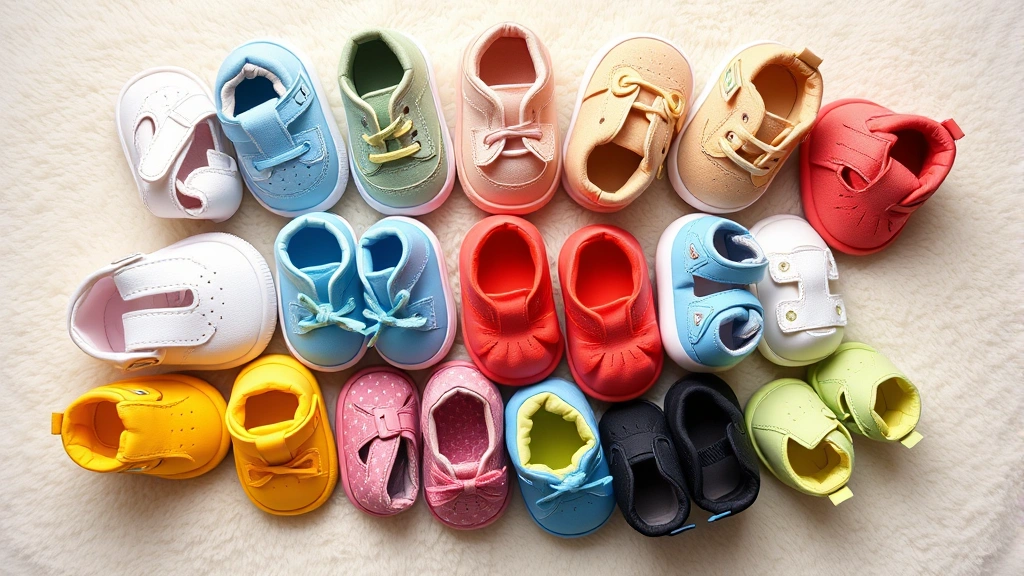
Here’s something that drives parents absolutely bonkers: a size 5 in one brand might fit completely differently than a size 5 in another brand. It’s not a glitch in the matrix—it’s just how the shoe industry works, and baby shoe brands are no exception.
European sizing differs from US sizing. A European size 17 is roughly equivalent to a US size 1, but conversion charts can vary between brands. Some premium brands like Stride Rite tend to run slightly narrow, while brands like See Kai Run are known for roomier fits. This is crucial information when you’re shopping online and can’t have your baby try shoes on.
The best approach is to check individual brand size charts rather than assuming consistency across brands. Most reputable baby shoe manufacturers provide detailed measurements for each size. Don’t just look at the size number—look at the actual foot length measurement the shoe accommodates.
When shopping for baby registry must-haves, include a note about your baby’s typical shoe size in your preferred brands. This helps gift-givers make smarter choices rather than guessing and buying shoes that don’t fit.
Parents Magazine offers comprehensive reviews of different baby shoe brands and their fit characteristics, which can be incredibly helpful when you’re trying to understand sizing variations.
Signs Your Baby Needs a Bigger Size
Babies can’t exactly tell you their shoes are too tight, so you need to watch for warning signs. The most obvious indicator is when your baby refuses to wear the shoes or seems uncomfortable in them. They might cry, kick them off repeatedly, or develop a distinct waddle that screams “these don’t fit.”
Look for red marks or indentations on your baby’s skin after removing the shoes. If you see pressure marks that take more than a few minutes to fade, the shoes are too tight. Check your baby’s toenails too—if they’re becoming ingrown or you notice any redness around them, it’s time to size up.
Watch how your baby walks. If they’re tripping more than usual or seem to be favoring one foot, the shoes might be the culprit. Some babies also develop a funny gait when their shoes are too constraining because they’re trying to compensate for the discomfort.
The pinky finger test is your friend here. After your baby has worn the shoes for a bit, slip your pinky finger between the heel and the back of the shoe. You should have some space but not so much that your finger slides around freely. If you can’t fit your pinky in at all, it’s definitely time to size up.
Another sign is rapid progression through shoe sizes. If your baby is outgrowing shoes every couple of months, that’s actually normal for the first couple of years. Babies’ feet grow at an astonishing rate—about one shoe size every three months on average during infancy.
Choosing the Right Shoe Type by Stage
Not all baby shoes serve the same purpose, and understanding the differences helps you make better choices for each developmental stage.
Soft-Soled Shoes and Booties
Newborns and pre-walkers benefit most from soft-soled options. Baby booties are perfect for keeping tiny feet warm without restricting movement. They’re flexible, comfortable, and won’t interfere with natural foot development. Many pediatricians actually recommend keeping babies barefoot indoors as much as possible, using booties primarily for warmth and outdoor protection.
Soft-soled shoes maintain this philosophy while providing slightly more structure. They allow the foot to move naturally while offering some protection from sharp objects and rough surfaces.
Pre-Walker Shoes
Once your baby shows interest in standing or cruising—usually around 6 to 9 months—pre-walker shoes become relevant. These have slightly more support than soft-soled options but maintain flexibility. They’re designed to protect developing feet while still allowing natural movement patterns.
First Walker Shoes
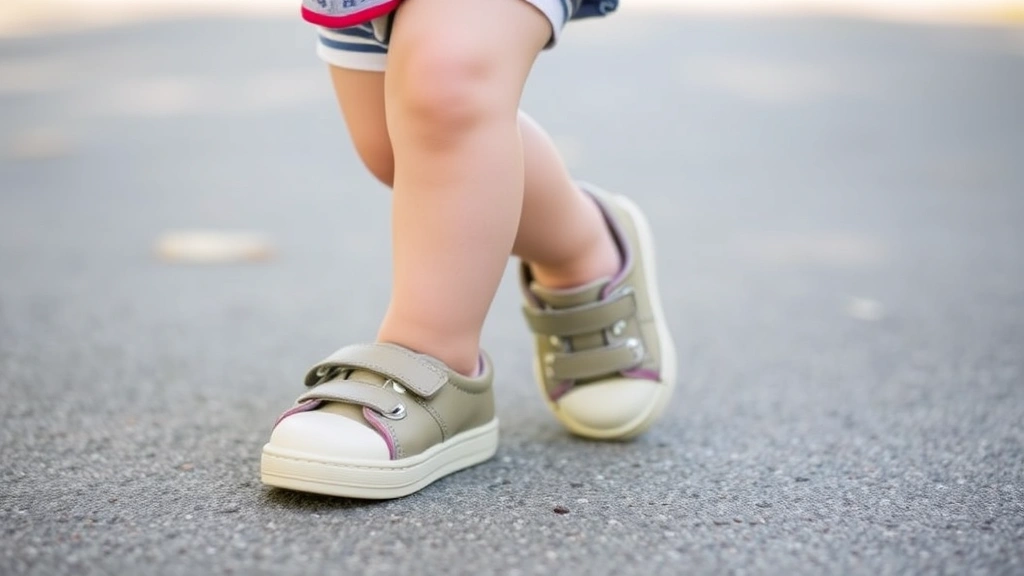
When your baby takes their first independent steps, they’re ready for proper walking shoes. This is where you want to focus on fit, support, and flexibility. Look for shoes with flexible soles that bend at the ball of the foot, not in the middle of the arch. The heel should be snug but not tight, and there should be room for growth without being sloppy.
Specialty Shoes
Some babies need specialized footwear for specific purposes. Baby boy shoes and girls’ shoes might differ in width and style, but both should prioritize comfort and proper fit over fashion. Water shoes are great for beach or pool time, while winter boots provide necessary insulation in cold climates.
Smart Shopping Strategies
Now that you understand sizing and fit, let’s talk strategy. Shopping for baby shoes doesn’t have to be a frustrating experience if you know what you’re doing.
Measure Regularly
Measure your baby’s feet every 4 to 6 weeks, especially during the first two years. Keep a record of the measurements so you can track growth patterns. This helps you anticipate when you’ll need to size up rather than being caught off guard.
Shop in Person When Possible
Having your baby actually try on shoes is invaluable. You can assess fit, comfort, and movement in real time. If your baby hates a particular shoe in the store, they’ll probably hate it at home too.
Consider Your Budget Wisely
Baby shoes are temporary—your little one will outgrow them in a few months. Expensive designer shoes might look adorable, but practical, comfortable options often make more sense financially. That said, don’t go for the cheapest option either. Quality matters when it comes to foot support and durability.
When building your baby registry must-haves, include a range of shoe prices and styles. This gives gift-givers flexibility and ensures you get a variety of options.
Think About Seasonality
Have appropriate shoes for different seasons and activities. Lightweight breathable shoes for summer, insulated options for winter, and water-friendly shoes for water play. Baby girl gifts and boy gifts often include seasonal shoe options, so keep this in mind when accepting or requesting gifts.
Check Return Policies
Always know the return policy before purchasing. If shoes don’t fit as expected or your baby refuses to wear them, you want the option to exchange or return them without hassle.
Don’t Fall for Marketing Hype
Just because a shoe is expensive or has celebrity endorsement doesn’t mean it’s better for your baby’s feet. Focus on actual fit and support rather than brand prestige. The CDC provides evidence-based guidance on child development, including physical development milestones that can inform your shoe choices.
Watch for Sales Strategically
Baby shoe sales happen frequently, especially at the end of seasons. However, don’t buy shoes in the next size up just because they’re on sale. Your baby might outgrow them before wearing them, and ill-fitting shoes can cause problems. Only purchase what fits now or will fit within the next month or two.
Frequently Asked Questions
At what age should babies start wearing shoes?
Babies don’t need shoes until they’re mobile and spending time outdoors. Newborns and young infants benefit from going barefoot indoors to develop natural foot strength and balance. Once they start crawling or cruising, soft-soled shoes or baby booties provide protection without restricting movement. True structured shoes become necessary around the time they take their first independent steps, usually between 12 and 18 months.
How often should I replace baby shoes?
During the first two years, you might replace shoes every 2 to 4 months as your baby’s feet grow rapidly. After age two, growth typically slows to about one size per year, so replacements become less frequent. Rather than replacing on a schedule, measure your baby’s feet regularly and replace when they’ve grown into the next size.
Should baby shoes be tight or loose?
Baby shoes should fit snugly without being tight. You should be able to fit your pinky finger between the heel and the back of the shoe, and there should be about half an inch of space between the longest toe and the end of the shoe. Shoes that are too tight restrict circulation and can interfere with foot development, while shoes that are too loose create tripping hazards and instability.
Is it better to buy baby shoes a size up for growth?
No. Buying shoes too large is actually counterproductive. Oversized shoes cause tripping, blistering, and poor gait development. It’s better to buy shoes that fit properly now and replace them every few months as your baby grows. Your baby’s safety and comfort are more important than trying to stretch out the life of a shoe.
How do I know if my baby’s shoes are causing problems?
Watch for red marks or indentations after removing shoes, complaints of discomfort (if your toddler can verbalize), unusual gait or tripping, or your baby constantly trying to remove their shoes. Also check for ingrown toenails, blisters, or redness around the toes. Any of these signs indicate it’s time to reassess fit or size.
Are expensive baby shoes worth it?
Not necessarily. While quality matters, expensive doesn’t always mean better. Focus on proper fit, support, and comfort rather than brand prestige. Mid-range shoes from reputable manufacturers often provide excellent value. The most important thing is that shoes fit properly and support your baby’s developing feet, not how much they cost.
Can I use hand-me-down shoes for my baby?
Hand-me-down shoes can work if they fit properly, but be cautious. Shoes mold to the previous wearer’s foot shape, and if your baby has different foot width or arch characteristics, hand-me-downs might not provide proper support. It’s safer to use hand-me-downs for occasional wear and invest in new shoes for daily use. This is especially important during the critical first walking stages when proper support matters most.
What’s the difference between baby shoes and toddler shoes?
Baby shoes are designed for pre-walkers and early walkers with maximum flexibility and minimal structure. Toddler shoes provide more support and durability for active children who are confident walkers. The transition typically happens around 18 to 24 months when your child needs more stability for running and playing. That said, the best shoes for your child depend on their individual needs rather than strict age categories.