Is Baby Oatmeal Healthy? Expert Insights on Nutrition and Development
When your little one reaches that exciting milestone of starting solids, oatmeal often lands on the menu as one of the first foods parents consider. It’s mild, easy to digest, and sits comfortably in that sweet spot between bland and nutritious. But here’s the thing—just because something is commonly recommended doesn’t mean you shouldn’t dig a little deeper to understand what you’re actually feeding your baby.
The question “Is baby oatmeal healthy?” deserves more than a simple yes or no. It requires understanding the nutritional profile, knowing how to prepare it safely, and recognizing when it fits best into your baby’s feeding journey. Whether you’re a parent planning ahead with a baby food maker or someone just starting to explore solid foods, this guide will walk you through everything you need to know.
Let’s break down the myths, examine the science, and help you make informed decisions about introducing oatmeal to your baby’s diet.
Nutritional Profile of Baby Oatmeal
Oatmeal isn’t just filler—it’s actually packed with nutrients that support your baby’s growing body and developing brain. A typical serving of plain, cooked oatmeal contains carbohydrates for energy, protein for growth, and fiber for digestive health. But the real stars are the micronutrients that often go unnoticed.
Oats are naturally rich in iron, which is crucial during the second half of your baby’s first year when maternal iron stores begin to deplete. They also contain zinc, essential for immune function and wound healing, and B vitamins that support metabolism and nervous system development. One serving can provide a meaningful percentage of your baby’s daily needs for these nutrients.
The beta-glucans in oats deserve special mention—these soluble fibers have been studied for their potential to support digestive and immune health. For babies transitioning to solid foods, this gentle fiber content can actually help establish healthy digestion patterns without overwhelming their still-developing systems.
What makes baby oatmeal particularly attractive to parents is its hypoallergenic nature. Unlike wheat or some other grains, oats rarely trigger allergic reactions, making them an excellent first grain choice. The gluten content is minimal, though not completely absent, which matters if your family has celiac disease concerns.
Health Benefits for Infants
Beyond the basic nutritional content, there are legitimate reasons why pediatricians have recommended oatmeal for generations. Understanding these benefits helps you appreciate why this humble grain deserves a place on your baby’s plate.
Digestive Support tops the list. The soluble fiber in oatmeal creates a prebiotic environment that encourages the growth of beneficial bacteria in your baby’s gut. A healthy microbiome during infancy has been linked to better immune function later in life, according to research from the American Academy of Pediatrics.
Sustained Energy is another significant advantage. Unlike refined grains that cause blood sugar spikes and crashes, oatmeal’s complex carbohydrates provide steady energy throughout the day. This means fewer cranky moments and better focus during playtime and learning.
Brain Development gets a boost from oatmeal’s mineral content. Iron supports cognitive development, while the B vitamins help form myelin, the protective coating around nerve fibers that enables faster neural communication. During the first two years when brain development is most rapid, these nutrients matter tremendously.
Parents often notice that babies who eat oatmeal seem more satisfied between meals. The combination of protein, fiber, and complex carbs creates a more satiating effect than simpler foods, which can actually help establish healthy eating patterns early on.
Safety Considerations and Concerns
No food is perfect for every baby, and oatmeal is no exception. Being aware of potential concerns helps you make the best choice for your individual child.
Arsenic in Rice and Oats has gotten significant media attention in recent years. Both rice and oats can absorb arsenic from soil and water, though oats typically contain lower levels than rice. The FDA has established guidelines for acceptable arsenic levels in foods, and commercial baby oatmeal products are tested and monitored. That said, varying your baby’s grains—rotating oatmeal with other options—is a smart strategy to minimize exposure to any single contaminant.
Choking Risk applies mainly to whole oat groats or chunks. Properly prepared baby oatmeal should be smooth and appropriately thick for your baby’s developmental stage. As your child progresses and begins self-feeding, you’ll adjust texture accordingly.
Gluten Sensitivity deserves mention even though oats are naturally gluten-free. Cross-contamination can occur during processing, so if gluten is a concern in your family, look for certified gluten-free baby oatmeal products. Additionally, introducing oatmeal alongside other foods makes it harder to identify if it causes any digestive upset.
Potential Allergic Reactions, while rare, do happen. Some babies may experience reactions to proteins in oats, manifesting as rashes, vomiting, or diarrhea. Introduce oatmeal on a day when you can observe your baby closely, and wait 3-5 days before introducing another new food.

When and How to Introduce Baby Oatmeal
Timing matters when introducing any new food, and oatmeal is no exception. Most pediatricians recommend waiting until your baby is around 6 months old and showing signs of readiness for solid foods. These signs include sitting up with minimal support, showing interest in food, and the disappearance of the tongue-thrust reflex.
Starting with single-grain baby oatmeal—not mixed cereals—makes it easier to monitor your baby’s response. Pure oatmeal lets you observe how your baby’s digestive system handles it before adding other ingredients into the mix.
The introduction process should be gradual. Begin with a small amount—about one or two teaspoons mixed with breast milk or formula to achieve a very thin consistency. Your baby might reject it at first; this is completely normal. Babies need exposure to new foods multiple times before accepting them, sometimes up to 15 exposures.
Watch for signs of readiness to progress. After a week or two of successful introduction, you can gradually thicken the oatmeal and increase portion sizes. By 8-9 months, many babies can handle thicker oatmeal with small soft lumps, supporting the development of chewing skills.
If you’re planning your baby’s nutrition strategy, consider creating a feeding plan using resources like a comprehensive baby book that covers developmental feeding milestones and nutrition requirements.
Preparing Oatmeal Safely
How you prepare baby oatmeal significantly impacts its safety and nutritional value. Proper preparation ensures your baby gets maximum benefits while minimizing risks.
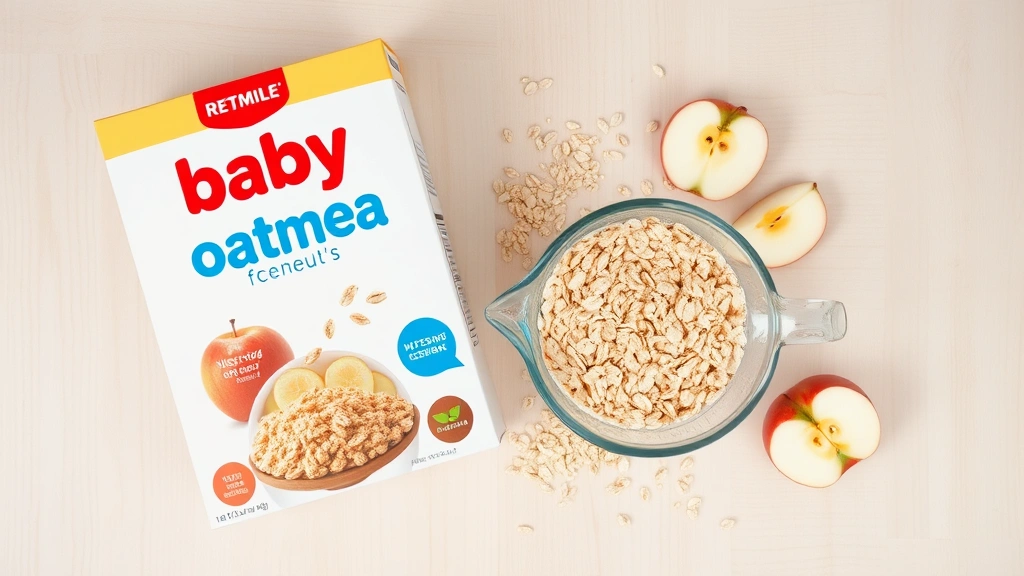
Choosing the Right Type is your first decision. Baby oatmeal cereal—the finely ground, pre-processed variety—is specifically designed for infant digestion. Regular rolled oats or steel-cut oats need more processing to reach the appropriate texture for young babies. If using a baby food maker, you have more flexibility, but starting with commercial baby oatmeal is simpler and safer for beginners.
Mixing Ratios Matter for safety and enjoyment. For young babies just starting solids, aim for a very thin consistency—about 1 part oatmeal to 4 parts liquid. As your baby gets older and more experienced with eating, gradually increase the oatmeal-to-liquid ratio. By 9-10 months, you might use a 1:2 ratio for a thicker, more substantial consistency.
Liquid Selection affects both nutrition and safety. Breast milk or formula provides optimal nutrition and familiarity for young babies. As your baby gets older, you can use water or a combination of milk and water. Avoid adding salt, sugar, honey (until after 12 months), or other sweeteners.
Storage and Freshness ensure food safety. Prepare oatmeal fresh for each feeding when possible. If you prepare larger batches, store them in airtight containers in the refrigerator for up to 48 hours, or freeze in ice cube trays for longer storage. Always check for signs of spoilage before serving.
Water Quality shouldn’t be overlooked. If your tap water quality is questionable, use filtered or bottled water for mixing. This is particularly important during the early months when your baby’s immune system is still developing.
Simple Baby Oatmeal Recipes
Basic First Oatmeal (4-6 months)
Mix 1 tablespoon of baby oatmeal cereal with 4 tablespoons of breast milk or formula. Stir until smooth, adding more liquid if needed to achieve a thin, pourable consistency. Serve at room temperature or slightly warm.
Apple-Cinnamon Oatmeal (8+ months)
Cook 2 tablespoons of baby oatmeal with 6 tablespoons of water or breast milk. Once cooked and cooled slightly, stir in 1 tablespoon of unsweetened applesauce and a pinch of cinnamon. The natural sweetness of apples satisfies babies without added sugar.
Banana-Oatmeal Blend (7+ months)
Prepare 2 tablespoons of baby oatmeal with 6 tablespoons of water. Once cooked, mash ¼ of a ripe banana and stir into the oatmeal. Bananas add creaminess and natural sweetness while boosting potassium content.
Pear and Oatmeal (8+ months)
Mix cooked oatmeal with pureed pear in a 1:1 ratio. Pears are gentler on digestion than some fruits and pair beautifully with oatmeal’s mild flavor.
Prune-Oatmeal for Gentle Digestion (9+ months)
If your baby experiences occasional constipation, combine oatmeal with a small amount of prune puree. The natural fiber combination supports digestive regularity without being harsh.
Planning ahead for your baby’s nutrition transitions? Don’t forget to check out baby shower food ideas if you’re hosting or attending celebrations during your baby’s feeding journey.
Frequently Asked Questions
Can I give my baby oatmeal before 6 months?
Most pediatricians recommend waiting until around 6 months when your baby shows clear signs of developmental readiness. Introducing solids too early can increase choking risk and may interfere with breast or bottle feeding. Always consult your pediatrician about your baby’s individual readiness.
Is store-bought baby oatmeal better than homemade?
Commercial baby oatmeal is specifically processed to the right consistency and is tested for contaminants. Homemade oatmeal requires careful preparation and blending to achieve appropriate texture. For convenience and safety, store-bought is generally recommended for young babies, though homemade options work fine once your baby is eating thicker foods.
What should I do if my baby refuses oatmeal?
Rejection is normal and doesn’t mean your baby dislikes oatmeal forever. Babies need multiple exposures to new foods before accepting them. Try again in a few days or weeks. Sometimes adjusting the consistency, temperature, or mixing it with a familiar flavor helps. Avoid forcing it—pressuring babies to eat can create negative associations with food.
Can oatmeal cause constipation in babies?
While oatmeal contains fiber that generally supports healthy digestion, some babies initially experience slight changes in bowel movements when starting solids. Ensure your baby is drinking adequate breast milk or formula, and introduce oatmeal gradually. If constipation persists, discuss it with your pediatrician.
Is organic baby oatmeal worth the extra cost?
Organic oatmeal has fewer synthetic pesticide residues, which some parents prefer. However, conventional baby oatmeal is also safe and meets FDA standards. The choice depends on your priorities and budget. Varying your baby’s grains regardless of organic status is a good strategy.
How do I know if my baby has an oatmeal allergy?
True oat allergies are rare but possible. Watch for symptoms like rash, vomiting, diarrhea, or difficulty breathing within a few hours of eating oatmeal. If you suspect an allergy, stop feeding oatmeal and contact your pediatrician. They may refer you to an allergist for testing.
Can I mix oatmeal with other foods right away?
Wait 3-5 days after introducing plain oatmeal before mixing it with other foods. This waiting period helps you identify any adverse reactions to the oatmeal itself. Once you’re confident your baby tolerates it, feel free to combine it with fruits, vegetables, and other foods.
What’s the difference between baby oatmeal and regular oats?
Baby oatmeal cereal is finely ground to a smooth powder, making it appropriate for young babies. Regular rolled oats or steel-cut oats are coarser and require significant blending to reach suitable consistency. Baby oatmeal is also formulated for easy digestion and faster preparation.