What Are Baby Puffs? Nutritional Insights and Everything Parents Need to Know
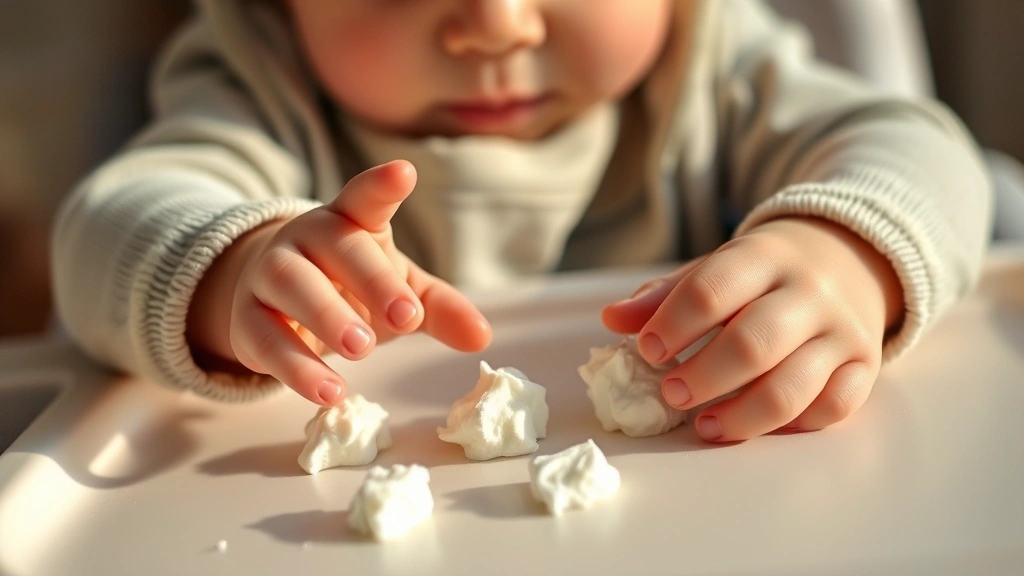
If you’ve recently entered the world of introducing solid foods to your little one, you’ve probably encountered those tiny, cloud-like snacks dissolving on your baby’s tongue—baby puffs. They’re everywhere in the parenting sphere, and for good reason. These seemingly magical morsels have become a staple in households with babies learning to self-feed, but what exactly are they, and more importantly, are they actually nutritious?
Baby puffs represent a milestone moment in your child’s eating journey. They’re one of the first foods many parents offer when their babies show signs of readiness for self-feeding, typically around six to eight months old. The appeal is obvious: they’re mess-manageable, they dissolve instantly, and babies absolutely love the experience of grabbing something and popping it in their mouth. But beneath the convenience lies a question every thoughtful parent asks: what’s really in these little puffs, and do they deserve a permanent spot in your baby’s snack rotation?
This guide breaks down everything you need to know about baby puffs—from their composition and nutritional value to practical guidance on introducing them safely and choosing quality options that align with your family’s feeding philosophy.
What Exactly Are Baby Puffs?
Baby puffs are lightweight, airy snacks specifically formulated for infants and toddlers who are beginning their self-feeding journey. They’re typically made from a combination of rice, corn, or other grain bases that are puffed or expanded through various manufacturing processes. The result is a snack with an almost impossibly delicate texture that dissolves rapidly on contact with saliva—a feature that makes them particularly suitable for babies without teeth or those still developing their chewing abilities.
The manufacturing process involves mixing grain flour with water and sometimes additional ingredients like fruits, vegetables, or fortified nutrients. This mixture is then subjected to high heat and pressure, creating those characteristic hollow pockets that give puffs their signature crunch and dissolvability. The final product is shelf-stable, easy to portion, and designed to be grabbed by tiny fingers still mastering the pincer grasp.
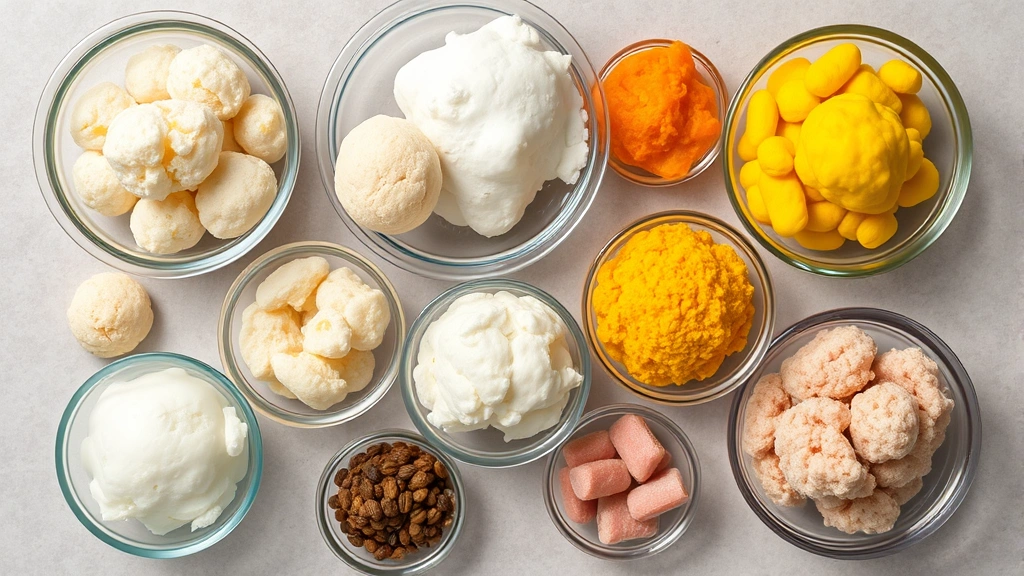
Most commercial baby puffs come in flavors ranging from plain rice to fruit blends, vegetable combinations, and even cheese varieties. They’re engineered to be safe for gums, dissolve quickly enough to prevent choking hazards, and provide a satisfying sensory experience that encourages babies to practice independent feeding skills.
Nutritional Breakdown and Content Analysis
Understanding what’s actually in baby puffs requires looking beyond the playful packaging to the nutrition label. Most store-bought puffs are primarily carbohydrates—typically ranging from 12 to 15 grams per serving—with minimal protein (usually 0 to 1 gram) and very little fat. A standard serving (about 7 to 10 puffs) contains roughly 40 to 50 calories.
Many manufacturers fortify their puffs with iron, which is genuinely valuable since babies need adequate iron intake starting around six months old. Calcium and other minerals are also commonly added. However, here’s where the nuance matters: these are supplemental nutrients, not the primary nutritional foundation your baby should rely on. Think of puffs as a vehicle for practicing motor skills rather than a meaningful source of nutrition.
The ingredient lists vary considerably between brands. Some puffs contain added sugars (sometimes disguised as fruit juice concentrate), while others are sugar-free. Sodium content can also vary, though most baby-specific brands keep it minimal. Some puffs include probiotics, organic ingredients, or vegetable powders to boost their nutritional appeal. When you’re comparing options, checking these details matters more than the marketing claims on the front of the package.
If you’re looking to round out your baby’s overall nutrition, consider pairing puff snacking with other nutrient-dense options. Introducing baby oatmeal as part of your feeding routine can provide additional fiber and nutrients that puffs alone don’t offer. Similarly, using a baby food maker allows you to prepare fresh, whole-food options that complement commercial snacks.
A 2022 analysis published by the American Academy of Pediatrics noted that while fortified grain snacks like puffs can contribute to a baby’s overall nutrient intake, they shouldn’t replace whole foods. The takeaway: baby puffs are a practical tool for development, not a nutritional powerhouse.
Safety Considerations and Choking Risk
The most critical conversation around baby puffs centers on safety. While these snacks are specifically designed to dissolve quickly and reduce choking risk, they’re not completely risk-free. Parents need to understand both the genuine safety benefits and the realistic precautions required.
Baby puffs are engineered to dissolve in saliva within seconds, which is a significant advantage over harder snacks. However, this doesn’t mean you can offer them without supervision. Babies can still aspirate food particles if they’re not developmentally ready, if they’re eating too quickly, or if they’re distracted or playing while eating.
The CDC provides guidelines on choking prevention, emphasizing that babies should be sitting upright and supervised during all eating occasions. Before introducing puffs, your baby should be able to sit with minimal support and show interest in self-feeding. Most babies demonstrate these skills between six and eight months old.
Watch for signs that your baby isn’t ready: if they’re still reflexively pushing food out of their mouth with their tongue, if they can’t sit up independently, or if they seem disinterested in self-directed eating, wait a few more weeks. Developmental readiness varies considerably, and there’s no race to introduce puffs.
One often-overlooked safety consideration: the environment matters. A baby eating puffs in a high chair at the dining table is safer than one munching while crawling around the living room. Consistency in feeding location and posture reduces risk significantly.
How to Introduce Baby Puffs
Introducing baby puffs should be a gradual process that respects your baby’s developmental stage and feeding readiness. Begin by offering just a few puffs—maybe three or four—during a mealtime when you’re already feeding your baby other foods. This approach allows you to observe how your baby handles them and ensures they’re not filling up on puffs instead of more nutritious options.
Start with plain rice puffs before moving to flavored varieties. This helps you identify any sensitivities or preferences without introducing multiple new flavors simultaneously. Offer them on a clean tray or plate rather than directly from the container, which gives you better control and allows for easier cleanup.
Watch your baby’s technique. Are they able to pick them up with their thumb and forefinger (the pincer grasp)? Can they transfer them to their mouth? Do they gum them and wait for them to dissolve, or do they try to swallow them whole? These observations tell you whether they’re truly ready and help you identify any concerns.
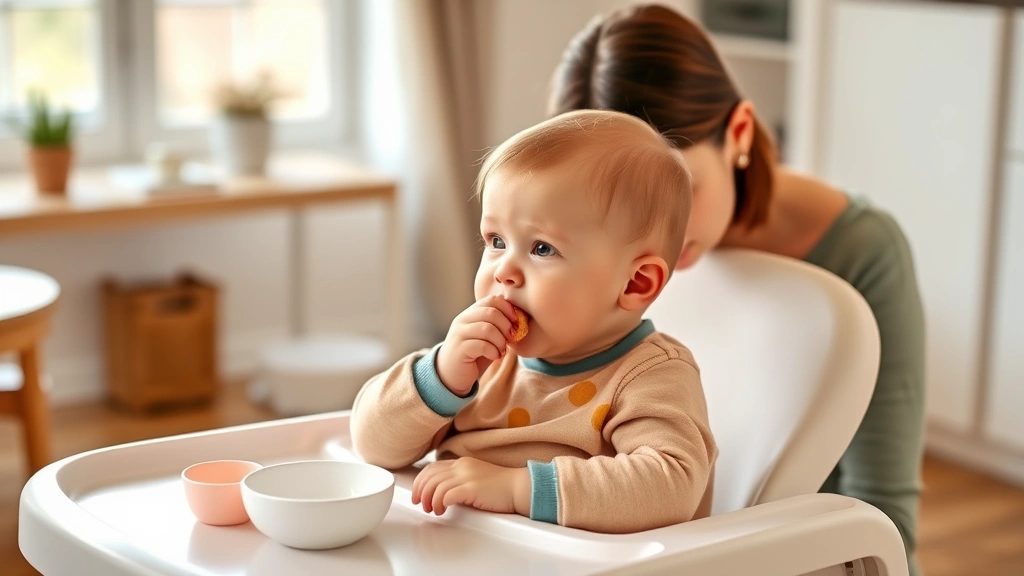
Frequency should be moderate. Baby puffs are a nice addition to your feeding toolkit, but they shouldn’t become the primary snack or meal component. Offer them a few times per week as part of a varied diet that includes fresh fruits, vegetables, proteins, and grains. If you’re building a comprehensive feeding plan, exploring options like making homemade baby food ensures variety and control over ingredients.
As your baby becomes more comfortable with self-feeding, you can gradually increase the quantity. By around nine to twelve months, most babies can handle a small handful of puffs without issue. However, continue supervising closely and maintain a sitting-down eating environment.
Selecting Quality Baby Puffs
Not all baby puffs are created equal. The market offers everything from minimally processed organic options to highly processed products laden with added sugars and artificial ingredients. Knowing what to look for helps you choose options that align with your family’s values and your baby’s nutritional needs.
Read the ingredient list first. Quality puffs should have recognizable ingredients. Whole grain rice flour, corn flour, or oat flour should be the primary ingredients. If you see a long list of unpronounceable additives, preservatives, or multiple forms of sugar, that’s a signal to keep looking.
Check for added sugars. Some puff brands contain 1 to 2 grams of added sugar per serving, which might seem minimal but adds up if puffs become a frequent snack. Look for products with zero added sugars or those sweetened with whole fruit rather than concentrates.
Consider organic certification if it matters to you. Organic puffs typically have fewer pesticide residues and no synthetic additives, though they’re generally more expensive. If budget is a concern, focus on other priorities like sugar content and ingredient simplicity.
Look for fortification. Iron-fortified puffs are particularly valuable for babies around six to twelve months old, as this nutrient is essential for development. Some brands also include probiotics or DHA, though research on their specific benefits for babies in this age group is still emerging.
Evaluate brand reputation. Established brands with transparent manufacturing practices and strong safety records are generally safer bets than unknown options. Check reviews from other parents and look for any recalls associated with the brand.
When you’re considering gifts for your growing family, quality snack options become part of the bigger picture. If you’re building your baby registry must haves, including a quality baby puff brand reflects thoughtful planning. Similarly, baby boy gifts or gifts for any baby often include practical feeding items that parents genuinely appreciate.
Natural Alternatives to Commercial Puffs
While commercial baby puffs are convenient, they’re not your only option for practicing self-feeding. Many parents enjoy creating or sourcing alternatives that offer more whole-food nutrition.
Homemade puffs: You can make simple puffs at home using whole grain flours, water, and minimal additional ingredients. Baking them creates a similar texture to commercial versions without the added processing or preservatives. Recipes typically yield puffs in about 15 to 20 minutes.
Rice crackers and whole grain options: Age-appropriate crackers made from whole grains offer a slightly firmer texture that still dissolves relatively quickly. These work well for babies around nine months and older who have more developed chewing abilities.
Soft finger foods: Pieces of banana, avocado, soft-cooked sweet potato, or well-cooked pasta allow babies to practice self-feeding with whole foods. These options provide more substantial nutrition than puffs and introduce varied textures.
Teething crackers: Some parents use teething crackers as a puff alternative, though these are typically firmer and better suited for older babies with more developed chewing skills.
If you’re interested in making more of your baby’s food from scratch, investing in a baby food maker opens up possibilities for creating custom snacks and meals tailored to your baby’s preferences and your family’s dietary approach.
Research from Parents Magazine’s feeding section suggests that variety in textures and food types during the first year supports better long-term eating habits and reduces picky eating later. This doesn’t mean you can’t use puffs—it means they work best as part of a diverse eating experience.
Frequently Asked Questions
At what age can babies eat puffs?
Most babies can safely begin eating puffs around six to eight months old, once they can sit with minimal support and show interest in self-feeding. However, developmental readiness varies. Your pediatrician can help confirm whether your specific baby is ready.
Are baby puffs a choking hazard?
Baby puffs are specifically designed to dissolve quickly, reducing choking risk compared to harder snacks. However, no food is completely risk-free. Supervision during eating and ensuring your baby is sitting upright are essential precautions.
How many puffs should I give my baby?
Start with just a few puffs—three to four—and gradually increase as your baby becomes comfortable. A reasonable serving for a baby around nine months old is roughly a small handful (about 7 to 10 puffs). They should complement other foods, not replace them.
Do baby puffs contain allergens?
Most traditional rice or corn-based puffs don’t contain major allergens, but always check the label. Some varieties contain milk, soy, or tree nuts. If your baby has known allergies or if allergies run in your family, consult your pediatrician before introducing puffs.
Are organic baby puffs worth the extra cost?
Organic puffs typically have fewer pesticide residues and no synthetic additives. Whether they’re worth the premium depends on your budget and values. If cost is a concern, prioritizing other aspects like sugar content or ingredient simplicity might be more important.
Can I make baby puffs at home?
Yes, homemade puffs are possible, though they require some trial and error to achieve the right texture. Most recipes use whole grain flour, water, and minimal additional ingredients, then bake them to create the characteristic light, airy texture.
What’s the difference between baby puffs and adult snacks?
Baby puffs are specifically formulated to dissolve quickly and are generally lower in sodium and added sugars than adult snacks. They’re also designed for babies without teeth or with limited chewing ability, making them safer for this developmental stage.
Should puffs be a regular part of my baby’s diet?
Baby puffs work well as an occasional snack that supports self-feeding practice, but they shouldn’t be a dietary staple. A varied diet including whole fruits, vegetables, proteins, and grains provides better nutrition. Think of puffs as a practical tool rather than a nutritional foundation.