Baby Registry Checklist: Expert Essentials Guide
Creating a baby registry feels like preparing for the most important project of your life—because, well, it is. But here’s the thing: most first-time parents get absolutely overwhelmed by the sheer volume of products available. You’ll find yourself staring at seventeen different types of diaper pails, wondering if your baby’s future happiness somehow depends on choosing the right one. Spoiler alert: it doesn’t.
The truth is, babies need far fewer things than marketing departments would have you believe. What they actually need is thoughtful planning, honest assessment of your lifestyle, and a registry that reflects your family’s real needs rather than aspirational Pinterest boards. This guide cuts through the noise and gives you a practical baby registry checklist based on what parents and pediatricians actually recommend.
Whether you’re a minimalist parent or someone who likes having backup options for everything, this comprehensive breakdown will help you build a registry that sets you up for success without the buyer’s remorse or wasted nursery space.
Sleep Essentials: Creating a Safe Sleep Space
Your baby will spend roughly 16-17 hours per day sleeping during those first weeks. That’s not an exaggeration—it’s actually how development works. So investing in quality sleep infrastructure makes genuine sense, even if you’re budget-conscious.
Start with a safe sleep surface. The American Academy of Pediatrics recommends room-sharing without bed-sharing for at least the first six months, ideally the first year. This means your baby sleeps in their own crib, bassinet, or play yard in your bedroom. A full-size crib is the most versatile option since it works from birth through toddlerhood, though a bedside sleeper offers convenience for nighttime feedings.
For your registry, include:
- A quality crib or bassinet that meets current safety standards (look for CPSC certification)
- A firm, well-fitting mattress specifically designed for your chosen sleep surface
- Fitted crib sheets (at least 3-4 to rotate through laundry cycles)
- Waterproof mattress protectors for inevitable accidents
- Sleep sacks or wearable blankets instead of loose blankets, pillows, or bumpers
- Blackout curtains for the nursery (yes, they actually help with sleep patterns)
When exploring baby registry must haves, sleep items consistently top expert recommendations because poor sleep affects everything—baby development, parental sanity, and household functioning.
Skip the fancy crib bedding sets with decorative pillows and bumpers. The American Academy of Pediatrics specifically recommends against these items in the crib, and they’re genuinely unnecessary. A sleep sack keeps your baby warm without the SIDS risk that loose bedding presents.

Feeding and Nutrition Basics
Whether you’re planning to breastfeed, formula feed, or combine both, your registry should accommodate your actual feeding method without judgment or pressure. Every feeding choice is valid, and your registry should reflect what works for your family.
For breastfeeding parents:
- A comfortable nursing pillow (though a regular pillow works fine)
- Nipple cream and breast pads
- A quality breast pump if you plan to express milk
- Nursing bras (3-4, since you’ll be wearing them constantly)
- A sterilizer for pump parts and bottles
- Milk storage containers or bags
For formula feeding parents:
- Bottles in various sizes (start with 4-6 bottles to test what your baby prefers)
- Bottle brushes and sterilizer
- A bottle warmer (convenient but not essential)
- Formula dispenser containers for organized storage
- Burp cloths (buy more than you think you need)
Universal feeding items:
- Bibs and burp cloths—you’ll go through these constantly
- High chair (when baby reaches 6 months, though you can wait to register for this)
- Spoons and bowls designed for self-feeding exploration
The best baby registry items for feeding tend to be practical, durable products rather than trendy gadgets. Focus on functionality over aesthetics, and don’t feel pressured to buy premium versions of everything.
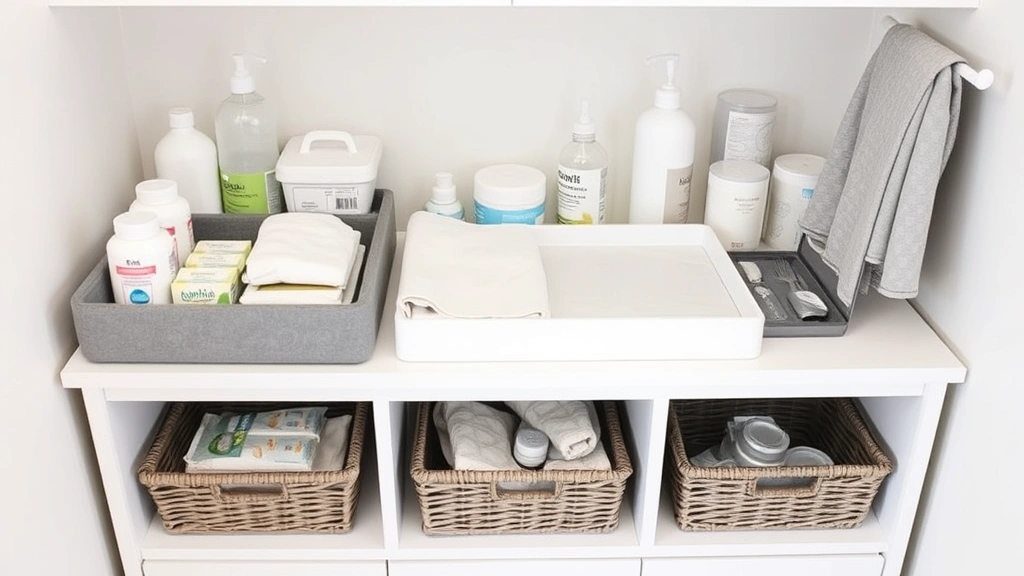
Diapering and Changing Station Setup
You’ll change approximately 8-12 diapers daily for the first few months. That’s not a reason to panic—it’s just context for understanding why having an organized, efficient changing station matters for your sanity.
Essential items for your changing station:
- A changing table or dresser-top changing pad at comfortable height to prevent back strain
- A waterproof, washable changing pad that fits securely on your chosen surface
- Diaper pail (a basic one works fine; fancy models aren’t necessary)
- Diaper cream for prevention and treatment
- Wipes and wipe warmer (optional but surprisingly nice for nighttime changes)
- Diapers in multiple sizes (newborn and size 1, since babies grow quickly)
- Waterproof storage containers to keep supplies organized
- Disposable changing pad liners for portability
Pro tip: Don’t register for an enormous quantity of diapers. You won’t know your baby’s best fit until they’re born, and different brands work better for different babies. Register for a reasonable amount and let family fill in gaps based on what you discover works best.
Many parents find a second, simpler changing station helpful for upstairs or the living room. You don’t need fancy setups everywhere—a basket with essentials and a waterproof pad works perfectly.
Clothing and Accessories
This is where most registries become unnecessarily complicated. Here’s the reality: babies outgrow clothing constantly, spit up frequently, and honestly don’t care if their outfit coordinates. Function matters infinitely more than fashion.
Newborn clothing essentials:
- Onesies in newborn and 0-3 month sizes (6-8 pieces)
- Sleepers with zippers or snaps for easy diaper changes (8-10 pieces)
- Sleep sacks in multiple sizes for temperature regulation
- Lightweight jackets or cardigans for layering
- Mittens to prevent self-scratching
- Socks and booties (babies lose these constantly)
- Hats and mittens for temperature regulation
- One or two special outfits for photos and outings
Avoid registering for:
- Excessive amounts of newborn-size clothing (babies outgrow it in weeks)
- Dry-clean-only items (impractical with spit-up and diaper explosions)
- White clothing if you want to maintain your sanity
- Clothes with complicated closures or tiny buttons
When considering baby shower gift ideas, simple, practical clothing pieces are always appreciated because parents genuinely need multiples of everything.
Transportation and Mobility
Once you bring baby home, you’ll need reliable ways to move around safely—from hospital discharge through daily life.
Critical transportation items:
- Infant car seat (non-negotiable; you legally can’t leave the hospital without one)
- Stroller that fits your lifestyle (jogging stroller if you’re active, lightweight umbrella stroller if you prioritize portability)
- Baby carrier or wrap for hands-free carrying and bonding
- Travel system if your car seat clicks into your stroller frame
The car seat is the one item where you absolutely shouldn’t compromise on quality or safety. Choose one with excellent crash test ratings, intuitive installation, and features that match your vehicle. Some parents prefer rear-facing convertible seats that work longer; others prefer infant seats that click into stroller bases. Both are valid—choose based on your actual needs.
For strollers, resist the urge to buy multiple types. Most parents do fine with one versatile option. If you’re very active, a jogging stroller makes sense. If you live in a city, a lightweight, compact stroller wins. If you have multiple kids, a double stroller becomes relevant. For one baby in typical circumstances, one good stroller is sufficient.
Baby carriers range from simple wraps to structured carriers. If you plan to keep your hands free regularly, a quality carrier is genuinely useful. If you prefer stroller life, a basic wrap for occasional use is fine.
Health, Safety, and Monitoring
Preparing for health and safety needs is about creating peace of mind and having tools for genuine emergencies. This category includes items that protect your baby and help you feel confident in your parenting decisions.
Health and safety essentials:
- Thermometer (digital rectal for accuracy with newborns)
- Nasal aspirator for clearing congestion
- Humidifier for dry air or congestion support
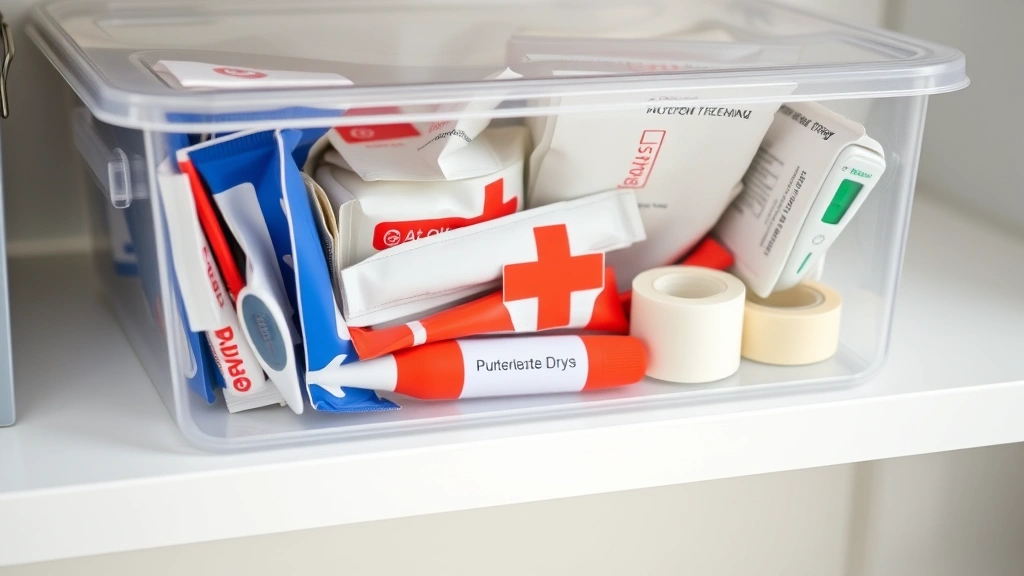
- First aid kit specifically stocked for babies
- Baby nail clippers (those tiny nails grow surprisingly fast)
- Grooming supplies like soft brush and comb
- Outlet covers and safety gates for when baby becomes mobile
- Baby monitor if you want visual or audio monitoring
When selecting a pediatrician, you’re making one of the most important decisions for your baby’s health. This article on how to choose a pediatrician offers detailed guidance on finding the right fit for your family’s needs and values.
Baby monitors are genuinely helpful for peace of mind, but expensive models aren’t necessary. A simple audio monitor or even your phone’s camera works. Many parents find video monitors particularly reassuring for checking on sleeping babies without entering the room.
Don’t register for excessive amounts of baby-specific products. A regular humidifier works fine, standard first aid supplies adapted for babies work well, and most safety items are affordable purchases you can make as needed.
Smart Shopping Strategies
Building your registry is as much about strategy as it is about knowing what items to include. These approaches help ensure your registry actually serves your family.
Avoid common registry mistakes:
First, don’t register for everything you see. Seriously. You’ll be tempted by gadgets that promise to solve problems that don’t actually exist. That baby food warmer? Unnecessary. The deluxe humidifier with app connectivity? Nice to have, not essential. Focus on genuine needs rather than wants disguised as needs.
Second, include a range of price points. Not everyone can afford $400 strollers, and that’s completely fine. Having items at various price levels means more people can contribute meaningfully to your registry. Include some $20 items alongside bigger purchases.
Third, be honest about your lifestyle and values. If you’re minimalist, don’t register for every baby gadget just because it exists. If you value convenience over minimal consumption, register for the products that genuinely make your life easier. Your registry should reflect your actual parenting style, not some imaginary version of yourself.
Fourth, consider registering for services or experiences alongside physical items. Photography sessions, meal delivery, cleaning services, or postpartum doula support are incredibly valuable and often overlooked. Many people genuinely want to help but don’t know what would be most useful.
Exploring resources like essential tips for new dads can help partners understand their role in preparation and parenting, which informs what items and support your family actually needs.
Registry best practices:
- Start your registry by week 20 of pregnancy (gives time to research and update)
- Register at multiple retailers so guests have options
- Include quantities that reflect realistic needs
- Update your registry as you learn what matters to you
- Use your registry’s completion discount to fill gaps before baby arrives
- Don’t feel obligated to register for items you don’t actually want
Remember that your registry is a tool for communication, not a binding contract. It helps people who genuinely want to support you understand what’s actually useful. That’s its entire purpose.
For comprehensive parenting guidance beyond registry planning, parenting advice resources offer broader perspective on preparing for the journey ahead.
According to the American Academy of Pediatrics safe sleep guidelines, room-sharing without bed-sharing remains the gold standard for infant sleep safety. This recommendation directly influences what sleep items genuinely matter on your registry.
The CDC provides evidence-based information about preparing for pregnancy and parenthood, offering context for registry decisions grounded in actual health data rather than marketing.
Final registry wisdom:
Your registry doesn’t need to be perfect. It needs to be honest and practical. Babies are remarkably resilient and adaptable—they don’t need luxury versions of everything. They need safety, cleanliness, nutrition, and connection with their caregivers. Everything else is supporting those core needs.
The best registries are the ones that reflect your actual family, your real lifestyle, and your genuine values. When you register for what you actually need and want, you end up with useful items that serve your family well. You avoid the clutter of impulse gifts you never wanted, and you give the people who care about you clear direction for meaningful support.
Frequently Asked Questions
How many items should be on my baby registry?
Most experts recommend 50-100 items across all categories. This gives gift-givers options at various price points while ensuring you have what you genuinely need. Quality matters more than quantity—focus on useful items rather than volume.
Should I register for expensive items like strollers and car seats?
Absolutely. These are significant expenses, and many people want to contribute to substantial items. Include a range of price points, but don’t exclude expensive essentials. Someone in your community might be thrilled to purchase the stroller that seemed out of reach for your budget.
What if I don’t know my baby’s gender before birth?
Register for neutral colors and designs. You’ll have options in every category, and neutral doesn’t mean boring—there are beautiful neutral palettes available. This approach also makes hand-me-downs more practical for future children.
Can I return unregistered gifts?
This varies by retailer, but many stores accept returns of baby items without receipts within certain timeframes. However, it’s better to have a registry so you receive items you actually want. Most people genuinely want to give useful gifts—your registry makes that possible.
Should I register for items I plan to buy myself?
If you have specific preferences for something essential (like a particular car seat model), register for it. But if you’re planning to purchase something anyway, you don’t need to register for it. Your registry should help others understand what would genuinely help your family.
What’s the best way to share my registry?
Include registry links in your baby announcement, baby shower invitation, and birth announcement. Many registries have sharing features that make it easy. You can also simply tell people where you’re registered when they ask how they can help.
Is it tacky to have a registry if I’m not having a baby shower?
Not at all. Registries are helpful for anyone who wants to give gifts—baby showers are just one occasion. Many people use registries for family who want to help, friends who ask what you need, and your own reference when you realize you’re missing something.
Should I register for items that will be useful later, like toddler beds?
You can include a few items for later stages, but focus primarily on newborn and infant needs. You’ll have clearer preferences for toddler gear once your baby is older, and your needs may change. Register for what you need now and supplement later.