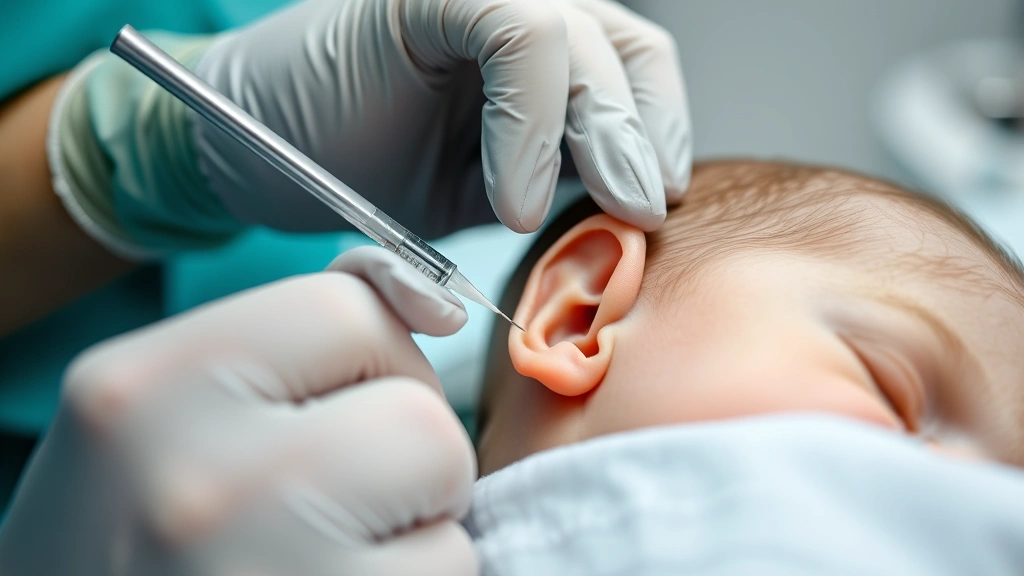
What Makes a Baby Chubby: Insights and Facts
There’s something undeniably adorable about a chubby baby—those rolls, the dimpled cheeks, the squeezable thighs. But beyond the cuteness factor, parents often wonder what’s actually behind their little one’s rounder appearance. Is it normal? Should we be concerned? Or is it simply a natural part of infant development?
Baby chubbiness is a complex topic that intersects genetics, nutrition, growth patterns, and cultural perspectives. In many cultures, including traditional perspectives on infant health, a well-fed, rounded baby has historically been viewed as a sign of good health and proper care. However, modern pediatrics has evolved to understand that healthy baby weight exists on a spectrum, and what matters most is appropriate growth for each individual child.
This article dives deep into the science behind baby body composition, explores the factors that contribute to infant chubbiness, and provides practical guidance for parents navigating this aspect of early childhood development.
Understanding Baby Body Composition
Babies are essentially little fat-storage machines in their first year of life—and that’s completely normal and healthy. Infants are born with a higher percentage of body fat compared to older children and adults, ranging from 12-16% at birth. This isn’t a concern; it’s biology.
The reason babies carry more fat is straightforward: they need it. Fat serves as an energy reserve, helps regulate body temperature, and supports crucial brain development. The human brain is roughly 60% fat by dry weight, and those early months are critical for neural development. Babies’ fat stores literally fuel their rapid growth and cognitive advancement.
What many parents don’t realize is that babies naturally “thin out” as they grow. A chubby six-month-old often becomes a leaner toddler by age two, not because their diet changed drastically, but because their body composition naturally shifts as they become more mobile and their growth rate slows. It’s a predictable developmental pattern, not a permanent condition.
One important distinction: baby fat is predominantly subcutaneous fat—the soft, squishy fat under the skin. This is metabolically different from visceral fat (the kind that accumulates around organs in adults) and poses different health considerations. The chubby appearance of healthy babies reflects normal infant physiology rather than metabolic dysfunction.
Genetic Factors and Family Patterns
If you and your partner are naturally rounder individuals, there’s a strong likelihood your baby will be too—at least initially. Genetics plays a significant role in determining how babies distribute weight and how efficiently their bodies metabolize calories. This isn’t predestination, but rather a starting point.
Research consistently shows that children with overweight parents are more likely to develop overweight themselves, but this reflects both genetic predisposition and shared environmental factors like eating habits and activity levels. A baby with a genetic tendency toward a rounder build can still grow into a healthy, active child through appropriate nutrition and lifestyle patterns established early on.
Family history also influences metabolism, growth velocity, and how quickly babies reach developmental milestones. Some babies are simply built stockier—broader bones, more muscle mass, denser body composition. These babies may appear “chubby” but be perfectly healthy when evaluated against their individual growth curve rather than arbitrary standards.
The key insight: genetics loads the gun, but environment pulls the trigger. Your family’s genetic blueprint matters, but it doesn’t determine your child’s health outcome. This understanding can help parents avoid unnecessary anxiety while still maintaining commitment to healthy practices.
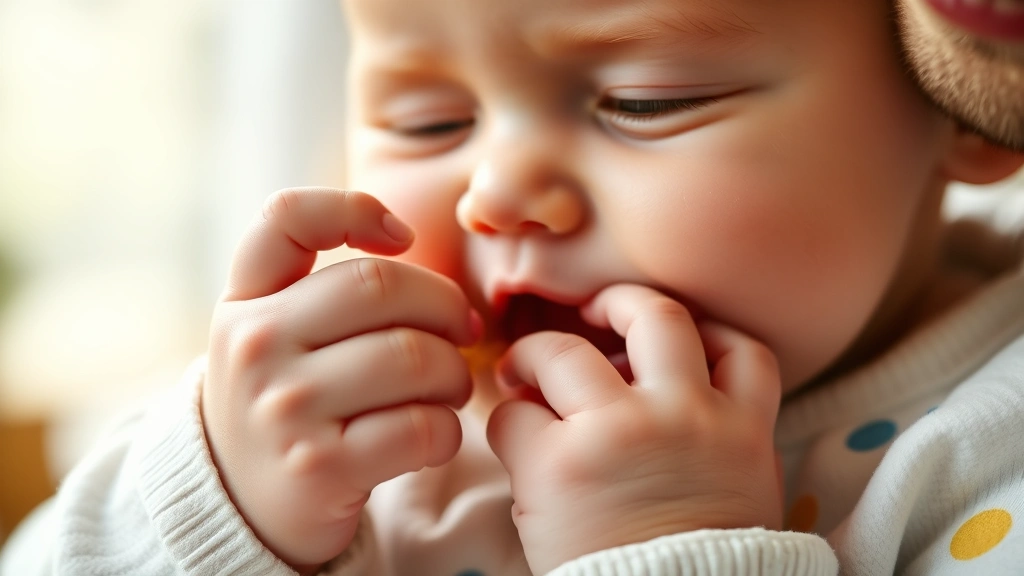
Nutrition’s Role in Infant Growth
What babies eat during their first year significantly impacts their growth trajectory. Whether a baby is exclusively breastfed, formula-fed, or combination-fed creates different nutritional profiles that influence weight gain patterns.
Breastfed babies typically gain weight more rapidly in the first few months, then level off around six months. Breast milk composition changes throughout lactation—early milk is different from mature milk—and adapts to baby’s needs. Breastfed babies often appear chubbier at three to four months, then naturally become leaner as they approach their first birthday.
Formula-fed babies sometimes gain weight more steadily and may appear consistently rounder. This happens partly because formula is uniform in composition and partly because bottle-feeding can inadvertently lead to overfeeding if caregivers encourage babies to finish bottles. The ability to see exactly how much formula a baby consumed can sometimes create pressure to ensure “adequate” intake, even when the baby signals fullness.
When introducing solids around six months, the type and quantity of foods matter. While the CDC recommends exclusive breastfeeding for the first six months, the introduction of complementary foods should be guided by baby’s developmental readiness and hunger cues rather than a predetermined schedule.
Consider how different first foods impact growth patterns. Baby oatmeal and grain-based cereals were historically recommended as first foods but are now understood to be calorie-dense options. In contrast, vegetable and fruit purees offer important nutrients with lower caloric density. The sequencing and types of foods introduced can influence how quickly a baby gains weight.
Introducing nutrient-dense foods—avocado, eggs, full-fat yogurt—supports healthy development without necessarily creating excessive weight gain. The goal isn’t to restrict calories but to ensure that calories consumed are nutritionally valuable.
Growth Charts and Developmental Milestones
Pediatricians use growth charts to track whether a baby’s growth is appropriate for their age and genetics. The standard assessment includes weight, length, and head circumference. A baby who is consistently in the 75th percentile for weight and 50th percentile for length is growing proportionally and healthily—even if they appear chubby.
The percentile system is crucial for understanding what “healthy” actually means. A baby in the 90th percentile for weight isn’t automatically overweight if their length and head circumference track proportionally. Growth charts account for individual variation; they’re not pass-or-fail assessments.
The American Academy of Pediatrics emphasizes that tracking growth over time matters more than single measurements. A baby who jumps from the 50th to 85th percentile between visits warrants conversation with your pediatrician, but a baby who consistently tracks at the 70th percentile is showing stable, healthy growth.
It’s also worth noting that growth charts have been updated over the years. The WHO growth charts, which are based on breastfed infant data from multiple countries, show different patterns than older CDC charts. These updated charts often show breastfed babies as slightly leaner than older growth standards suggested was normal, which has helped reduce unnecessary concerns about “inadequate” milk supply.

Cultural Perspectives on Baby Weight
Cultural context significantly shapes how families interpret baby chubbiness. In many Asian cultures, including traditional Chinese perspectives on child health, a plump baby has long been considered a marker of prosperity, good parenting, and optimal health. The concept of a “fat Chinese baby” reflects historical cultural values where food security wasn’t guaranteed, and a well-fed baby represented family stability and adequate resources.
This cultural perspective isn’t merely aesthetic—it reflects genuine historical wisdom about infant survival. In contexts where malnutrition was common, babies with visible fat stores had better survival prospects during illness or food scarcity. These cultural values developed from real, practical concerns about child health and mortality.
However, modern pediatric science has evolved, and current recommendations emphasize appropriate growth rather than maximum weight gain. This creates an interesting tension for families navigating both cultural expectations and contemporary medical guidance. Grandparents who grew up in different food-security contexts may have different perspectives on what constitutes “healthy baby chubbiness” compared to modern pediatric standards.
The resolution isn’t to dismiss cultural perspectives but to integrate them thoughtfully with current evidence. You can honor family traditions around food and celebration while also following pediatric guidelines for healthy infant nutrition. These aren’t mutually exclusive.
When to Talk to Your Pediatrician
While baby chubbiness is usually normal, certain situations warrant professional evaluation. Schedule a conversation with your pediatrician if:
- Your baby’s weight percentile is increasing dramatically (jumping multiple percentile lines between visits)
- Your baby appears to be gaining weight disproportionate to length (wider than they are tall)
- You’re concerned about feeding patterns—excessive hunger, difficulty with satiation, or feeding struggles
- Your baby shows signs of metabolic issues (excessive thirst, frequent urination, developmental delays)
- You want guidance on introducing solids or adjusting feeding practices
- Family history of early-onset obesity or metabolic conditions exists
Your pediatrician has access to your baby’s complete growth history and can contextualize current measurements within their individual growth curve. They can also assess whether feeding practices are supporting healthy development or require adjustment.
It’s also reasonable to discuss what constitutes healthy baby nutrition for your specific family. Different babies have different needs, and what works beautifully for one infant might not be optimal for another. A pediatrician can provide personalized guidance rather than generic recommendations.
Healthy Feeding Practices for Infants
Supporting healthy infant development involves thoughtful feeding practices that go beyond simply providing calories. Here’s what the evidence supports:
Responsive feeding: Pay attention to your baby’s hunger and fullness cues rather than external schedules or finishing bottles. Babies are remarkably good at self-regulation when we allow them to be. Trust their signals about how much they need.
Avoid using food as comfort: While it’s tempting to offer a bottle or snack whenever a baby fusses, distinguishing between hunger cries and other needs helps establish healthy eating patterns. Sometimes babies need holding, not feeding.
Introduction timing: Begin solids around six months when your baby shows developmental readiness (sitting upright with minimal support, losing the tongue-thrust reflex, showing interest in food). Starting earlier or later doesn’t automatically make babies chubbier or leaner.
Food variety: When introducing baby puffs and other finger foods, include diverse options—vegetables, fruits, proteins, grains. Variety exposes babies to different nutrients and helps establish diverse palates.
Avoid added sugars: Skip honey, added sugars, and processed foods. Babies don’t need sweetened foods to thrive, and establishing preferences for unsweetened foods early supports long-term health.
Family meals: When developmentally appropriate, include your baby in family mealtimes. Watching family members eat models healthy behaviors and creates positive associations with food and togetherness.
If you’re selecting gifts for your growing baby, baby boy gifts or baby girl gifts that encourage movement—play mats, balls, eventually push toys—support healthy development better than toys that encourage extended stationary play.
Frequently Asked Questions
Is my chubby baby overweight?
Not necessarily. Baby chubbiness is normal during infancy. Whether your baby is overweight depends on their individual growth curve, proportionality, and growth trajectory rather than appearance alone. Your pediatrician can assess this accurately using growth charts and clinical evaluation.
Will my chubby baby become an overweight child?
Not automatically. Many chubby babies naturally lean out as they become mobile toddlers. However, babies with rapidly accelerating weight gain or disproportionate growth may warrant monitoring. Family patterns and lifestyle factors matter, but infant chubbiness alone doesn’t predict future weight status.
Should I limit feeding to prevent excessive weight gain?
Generally, no. Restricting calories during infancy can interfere with healthy brain development and growth. Trust your baby’s hunger and fullness cues. If your pediatrician has specific concerns about growth patterns, they’ll provide targeted guidance.
Does breastfeeding prevent baby chubbiness?
Breastfed babies sometimes appear chubbier initially than formula-fed babies, though patterns vary. Breastfeeding supports responsive feeding and infant self-regulation, which can support healthy growth patterns, but it’s not a guarantee against any particular growth trajectory.
When should I introduce solids to my chubby baby?
Introduce solids around six months based on developmental readiness, not baby’s size. Starting solids earlier won’t necessarily reduce chubbiness, and starting later won’t increase it. The timing should be guided by developmental milestones and your pediatrician’s recommendations.
Are there health risks associated with baby chubbiness?
Healthy baby chubbiness during infancy doesn’t carry the same health risks as overweight in older children. However, extremely rapid weight gain or disproportionate growth may warrant evaluation. Your pediatrician can determine whether your baby’s growth pattern is healthy.
How can I support healthy growth without focusing on weight?
Focus on behaviors rather than numbers: responsive feeding, offering nutritious foods, encouraging movement and play, limiting screen time, and modeling healthy habits. These practices support healthy development regardless of your baby’s size.