What Is Baby Broccoli? A Gourmet Guide to Introducing This Nutritious Vegetable
If you’ve wandered the produce aisle lately, you’ve probably spotted baby broccoli sitting alongside its larger cousin. It looks like miniature broccoli, tastes slightly sweeter, and honestly? It’s become something of a darling in the world of introducing solids to little ones. But what exactly is baby broccoli, and why should it land on your family’s dinner table?
Baby broccoli isn’t actually a separate species—it’s harvested earlier in the growing cycle, before the florets fully mature. This timing creates a vegetable that’s tender, less bitter, and surprisingly elegant on the plate. For parents navigating the sometimes-overwhelming world of introducing vegetables to babies and toddlers, baby broccoli offers a gentle entry point that doesn’t taste like you’re forcing them to eat something unpleasant.
This guide walks you through everything you need to know about baby broccoli: from nutritional benefits and preparation methods to creative ways to serve it alongside other staple foods. Whether you’re just starting your weaning journey or looking to expand your little one’s palate, baby broccoli deserves a spot in your rotation.
What Is Baby Broccoli, Exactly?
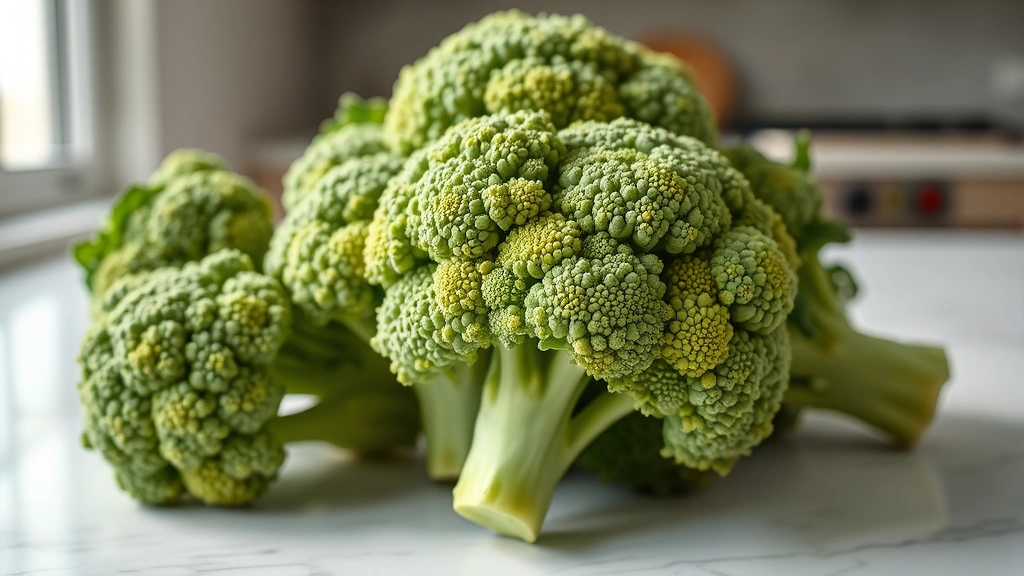
Baby broccoli is a young broccoli floret that’s harvested before it reaches full maturity. The entire plant—stem included—is edible, which makes it fundamentally different from regular broccoli where you typically discard the woody stalk. The florets are smaller and more delicate, and the stem is tender enough to eat without any special preparation.
You might also encounter baby broccoli sold under the name “broccolini” or “broccoli rabe,” though these are technically different vegetables. True baby broccoli is simply conventional broccoli picked young. The difference in taste is noticeable: it’s sweeter, less sulfurous, and lacks that strong cabbage-like flavor that turns some kids (and let’s be honest, some adults) away from regular broccoli.
The texture is another game-changer for babies transitioning to solid foods. The tender stems practically melt in the mouth when steamed, and the florets break apart easily without requiring aggressive chewing. This makes baby broccoli an excellent choice for babies around 6 months old who are just beginning their solid food journey, as well as for toddlers developing their eating skills.
Nutritional Benefits That Matter
Baby broccoli packs serious nutritional punch into those tiny florets. It’s loaded with vitamin C, which supports immune function and helps your baby’s body absorb iron. A single serving provides roughly 30% of the daily recommended vitamin C intake for infants, making it particularly valuable during cold and flu season.
The vegetable is also rich in folate, a B vitamin essential for cell division and brain development. For growing babies, this is crucial. You’ll also find potassium for heart health, calcium for bone development, and fiber for digestive health. Additionally, baby broccoli contains sulforaphane, a compound with anti-inflammatory properties that researchers have linked to various long-term health benefits.
When you’re building a balanced diet for your little one, baby broccoli works beautifully alongside other nutrient-dense foods. Consider pairing it with baby yogurt for a calcium-rich combination, or serve it with whole grains like baby oatmeal for complete nutrition. The combination ensures your baby gets diverse micronutrients from different food sources.
For parents concerned about iron intake, baby broccoli is a solid plant-based source. While not as iron-dense as meat-based foods, the vitamin C content actually enhances iron absorption, making it a smart strategic pairing with iron-fortified cereals or legumes.
Selecting and Preparing Baby Broccoli
When shopping for baby broccoli, look for bright green florets without any yellowing or browning. The stems should feel firm but not woody, and the entire plant should have a fresh smell—not sulfurous or musty. Smaller specimens tend to be more tender than larger ones, so don’t hesitate to choose the delicate-looking bunches.
Preparation is refreshingly simple. Start by rinsing the baby broccoli under cool running water, gently rubbing the florets to remove any dirt. You can peel the stem lightly if it seems particularly tough, though this is rarely necessary with true baby broccoli. Then choose your cooking method:
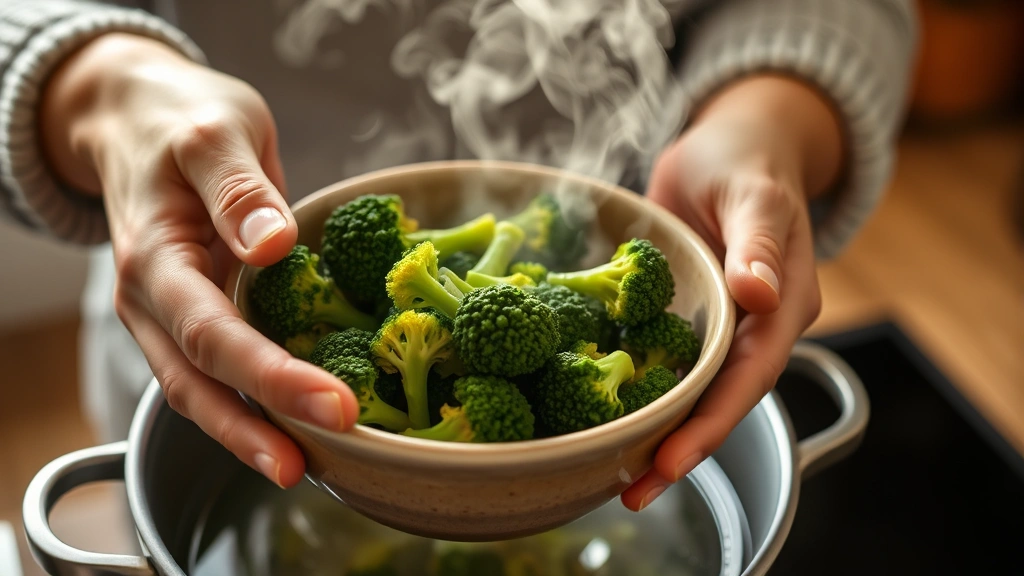
- Steaming: Place baby broccoli in a steamer basket over boiling water for 4-6 minutes until tender. This preserves the most nutrients and creates the perfect texture for babies.
- Roasting: Toss with a tiny bit of olive oil and roast at 400°F for 8-10 minutes. This brings out natural sweetness and creates appealing texture variation for older babies and toddlers.
- Boiling: Submerge in boiling water for 3-5 minutes. This is the fastest method but results in some nutrient loss compared to steaming.
- Blending: Steam first, then blend with breast milk, formula, or vegetable broth to create a smooth puree for younger babies just starting solids.
Many parents find that investing in a baby food maker streamlines the preparation process, especially when you’re making batches to freeze. These devices handle steaming and blending in one unit, saving significant time during meal prep.
Creative Serving Ideas for Your Little One
The beauty of baby broccoli is its versatility. For younger babies (6-8 months), steam and puree it until completely smooth. Mix the puree with breast milk or formula to reach the desired consistency. Some babies take to it immediately; others need a few exposures before accepting it. This is completely normal and doesn’t indicate a problem.
For babies 8-10 months old, you can offer steamed baby broccoli cut into small, manageable pieces. The tender stems are particularly easy for babies to grasp and chew, making them excellent finger food options for self-feeding practice. Roasted baby broccoli offers a slightly firmer texture that requires more chewing effort, which is wonderful for developing oral motor skills.
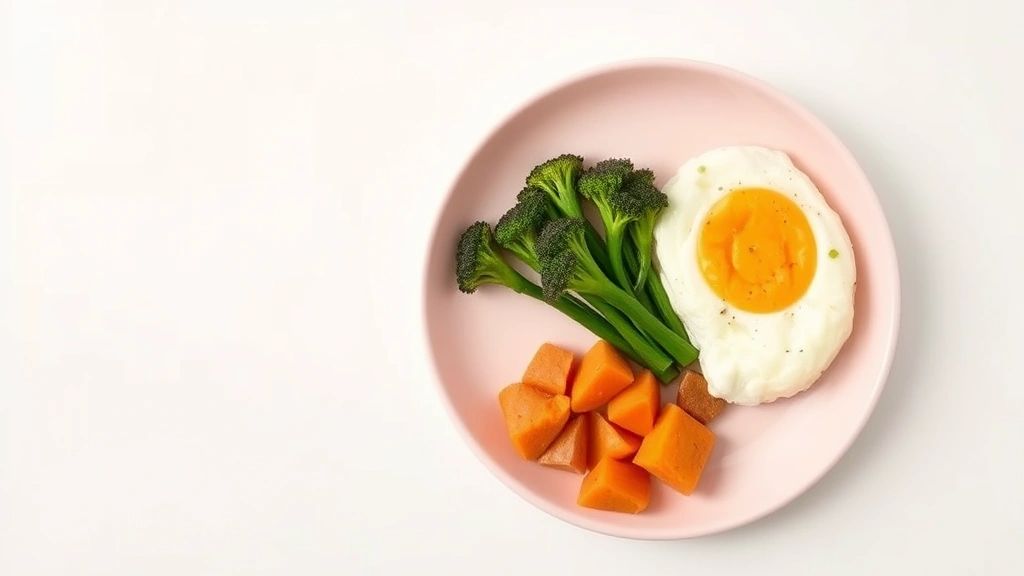
Toddlers enjoy baby broccoli in countless combinations. Try mixing it with baby puffs for a crunchy texture contrast, or include it in simple pasta dishes with mild cheese sauce. Many toddlers find the presentation more appealing when baby broccoli is arranged artfully on the plate rather than mixed into other foods—the novelty of picking up individual florets often encourages consumption.
Here are some combination ideas that work beautifully:
- Steamed baby broccoli with mashed sweet potato and a touch of butter
- Roasted baby broccoli tossed with finely grated mild cheese
- Baby broccoli mixed into mild chicken or vegetable broth for a simple soup
- Steamed baby broccoli served alongside scrambled eggs and whole grain toast
- Baby broccoli puree swirled into plain baby yogurt for a colorful snack
- Roasted baby broccoli with a tiny drizzle of sesame oil for older toddlers
If you’re planning meals strategically, consider how baby broccoli fits into your overall menu planning. When you’re reviewing your baby registry checklist, think about which feeding tools and storage containers will make vegetable preparation easiest for your lifestyle.
Safety Considerations and Allergies
Baby broccoli is generally considered a safe first food with minimal allergy risk. True broccoli allergies are rare, though some babies may have sensitivities to cruciferous vegetables. Signs of an allergic reaction include hives, vomiting, diarrhea, or difficulty breathing—though the latter is extremely uncommon with vegetables.
When introducing baby broccoli for the first time, follow the standard protocol: offer a small amount (about a teaspoon) and wait 3-5 days before introducing another new food. This waiting period helps you identify any adverse reactions and pinpoint the culprit if one occurs. According to the American Academy of Pediatrics, there’s no evidence that delaying introduction of allergenic foods prevents allergies, so don’t worry about waiting too long.
One consideration specific to cruciferous vegetables like broccoli: they contain compounds called goitrogens that can interfere with thyroid function in very large quantities. For babies eating normal portions of baby broccoli as part of a varied diet, this is not a concern. However, if your baby has a thyroid condition, discuss vegetable choices with your pediatrician.
Always ensure baby broccoli is cooked to appropriate softness. Undercooked pieces present a choking hazard for babies and young toddlers. The florets should break apart easily with gentle pressure from your tongue against the roof of your mouth—if you can’t break it easily, your baby shouldn’t eat it.
According to resources from pediatric health organizations, introducing a variety of vegetables early in life helps establish healthy eating patterns. Baby broccoli’s mild taste makes it an excellent gateway vegetable for this purpose.
Storage and Meal Prep Tips
Fresh baby broccoli keeps for about 4-5 days in the refrigerator when stored in a plastic bag or container in the crisper drawer. Don’t wash it until you’re ready to use it, as excess moisture accelerates deterioration.
For meal prep, steamed baby broccoli freezes beautifully for up to three months. Steam it until just tender, cool completely, then arrange pieces on a baking sheet and freeze for 2-3 hours before transferring to freezer bags. This method prevents clumping and makes it easy to grab just the amount you need.
Purees also freeze well in ice cube trays. Once frozen, pop the cubes out and store them in labeled freezer bags. Each cube typically contains about 1 ounce of puree, making portion control straightforward. Thaw frozen baby broccoli in the refrigerator overnight or warm it gently in a saucepan over low heat. Never use a microwave for frozen purees, as it creates hot spots that can burn your baby’s mouth.
If you’re batch-cooking multiple vegetables, consider how baby broccoli stores compared to other options. It holds up better in the freezer than softer vegetables like zucchini, making it ideal for long-term meal prep. Combine it with other freezer-stable vegetables to create diverse flavor profiles throughout the week.
Frequently Asked Questions
At what age can babies eat baby broccoli?
Babies can begin eating baby broccoli around 6 months old when they’re ready for solid foods. Start with a smooth puree and progress to small pieces as their chewing ability develops. Always consult your pediatrician before introducing solids, as some babies may benefit from waiting slightly longer.
Why does baby broccoli taste better than regular broccoli?
Baby broccoli is harvested earlier in the growth cycle, before the plant develops the sulfur compounds that create the strong, bitter taste associated with mature broccoli. The younger florets are also more tender and delicate, contributing to a sweeter, milder flavor profile that many children find more palatable.
Can I give my baby raw baby broccoli?
Raw baby broccoli presents a choking hazard for babies and young toddlers due to its firm texture. Always cook baby broccoli until it’s tender enough to break apart easily. Once children reach preschool age and have developed stronger chewing skills, they may be able to manage raw baby broccoli, but supervision is essential.
How much baby broccoli should I serve?
For babies 6-8 months old, start with 1-2 teaspoons of puree. For babies 8-10 months, offer 2-4 tablespoons of small pieces. Toddlers can eat larger portions—typically 1/4 to 1/2 cup—depending on their appetite and overall meal composition. Always follow your child’s hunger cues rather than forcing them to finish.
Is baby broccoli organic worth the extra cost?
Broccoli is on the Environmental Working Group’s “Dirty Dozen” list of vegetables with higher pesticide residues, so organic baby broccoli is a reasonable choice if your budget allows. Conventional baby broccoli is still safe and nutritious; washing it thoroughly under running water removes surface residues. The most important factor is getting your child to eat vegetables—whether organic or conventional is secondary.
What should I do if my baby refuses baby broccoli?
Rejection is common and rarely permanent. Continue offering baby broccoli alongside foods your baby already enjoys, without pressure. Research suggests it takes 10-15 exposures to a new food before babies accept it. Vary the preparation method—sometimes roasted tastes better than steamed, or mixed into other foods rather than served alone. Stay patient; taste preferences evolve.
Can I serve baby broccoli every day?
Yes, baby broccoli can be served daily as part of a varied diet. However, nutritional variety is important, so rotate it with other vegetables like sweet potato, carrots, peas, and green beans. This ensures your baby receives diverse micronutrients and helps prevent food boredom.
Does cooking baby broccoli destroy its nutrients?
Steaming preserves the most nutrients, while boiling results in some nutrient loss as vitamins leach into the cooking water. Roasting causes minimal nutrient loss. The difference is relatively minor—cooked baby broccoli is still highly nutritious. The most important factor is getting your child to eat it; a cooked vegetable your baby enjoys provides more nutrition than a raw one they refuse.