What Is Sugar Babies Candy? A Sweet Guide for Parents
If you’ve spotted a box of Sugar Babies at the candy aisle and wondered what all the fuss is about, you’re not alone. This nostalgic confection has been a staple in American candy bowls since 1935, yet many parents today aren’t quite sure what they’re dealing with when it comes to this distinctive treat. Sugar Babies candy represents a unique intersection of retro charm and modern parenting concerns—a sweet that grandparents remember fondly but that today’s health-conscious families might approach with more caution.
The beauty of understanding what Sugar Babies actually are lies in making informed choices about what treats your family enjoys. Rather than dismissing them outright or handing them over without thought, knowing the facts helps you decide whether they fit into your family’s approach to candy consumption. This guide walks you through everything you need to know about this classic confection, from its composition to practical tips for incorporating it (or not) into your family’s lifestyle.
Whether you’re a nostalgic parent reconnecting with childhood favorites or someone discovering this candy for the first time, this comprehensive overview will help you understand what Sugar Babies candy really is and how to approach it thoughtfully.
What Exactly Are Sugar Babies?
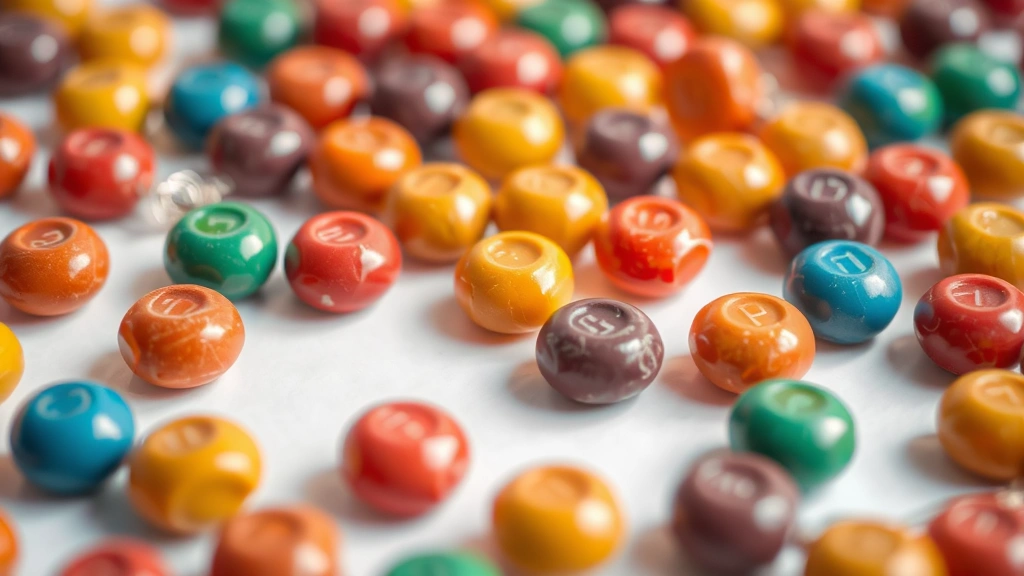
Sugar Babies candy consists of small, round pieces of caramel that have been coated with a thin layer of hard candy shell. Each piece is roughly the size of a marble, making them convenient for snacking and portion control—at least in theory. The exterior has a satisfying crunch that gives way to a chewy caramel center, creating a textural experience that keeps people coming back for more.
The candy falls into the caramel category, though it’s distinctly different from other caramel treats you might find on store shelves. Unlike caramel apples or caramel corn, Sugar Babies are designed to be eaten straight from the box, without the mess of sticky fingers that typically accompanies caramel consumption. This makes them particularly appealing to parents looking for less-messy snacking options, even if they’re not the healthiest choice.
The name itself is somewhat whimsical—there’s no actual sugar baby involved, of course. The term appears to reference the small, round shape of the candies and their sweet nature. If you’re curious about other sweet treats with interesting names, you might enjoy learning about Sugar Baby watermelon, which is an entirely different product despite the similar naming convention.
The Sweet History Behind the Brand
Sugar Babies have been delighting candy enthusiasts since 1935, when they were first introduced by the Welch Company. This means the candy has been around for nearly nine decades, making it a genuine classic that spans multiple generations. Many grandparents have fond memories of enjoying Sugar Babies during their childhood, and some of those same people now share them with their own grandchildren.
The longevity of Sugar Babies speaks to something meaningful about American candy culture. While countless candies have come and gone, Sugar Babies have maintained their market presence through consistency and that nostalgic appeal. The brand has changed hands several times over the decades, but the product itself has remained remarkably consistent—a testament to the formula that made it successful in the first place.
Today, Sugar Babies are owned by Ferrara Candy Company, one of the largest candy manufacturers in North America. This ownership ensures the candy continues to be produced with quality control standards, though the recipe has undergone minor adjustments over the years to comply with modern food regulations and ingredient sourcing requirements. Understanding this history helps contextualize why so many families have a connection to this particular treat.
Understanding Candy in Your Family’s Diet

When considering any candy for your family, it’s helpful to think about where it fits within your overall approach to nutrition and treats. Some families embrace an everything-in-moderation philosophy, while others prefer to minimize processed sugar intake. Neither approach is inherently wrong—they’re simply different values that families choose based on their own priorities and circumstances.
Sugar Babies, like all candies, are best understood as an occasional treat rather than a dietary staple. If you’re exploring other snacking options for your family, you might consider comparing them with items like baby puffs, which offer a different nutritional profile entirely. Similarly, if you’re thinking about sweet treats that might fit better into a health-conscious approach, exploring options like baby oatmeal could provide interesting alternatives for younger family members.
Understanding the Ingredients
The ingredient list for Sugar Babies is relatively straightforward: sugar, corn syrup, corn starch, milk fat, cocoa, soy lecithin, sodium bicarbonate, and vanilla flavoring. For most people without specific allergies or dietary restrictions, these ingredients are standard fare in the candy world. However, parents with children who have allergies should note that Sugar Babies contain both milk and soy.
The primary components—sugar and corn syrup—make up the bulk of the candy’s composition. Corn starch contributes to the texture and helps prevent stickiness, while milk fat adds richness to the caramel. The cocoa provides that subtle chocolate undertone that distinguishes Sugar Babies from plain caramel candies. Soy lecithin serves as an emulsifier, helping the ingredients blend smoothly.
One thing worth noting is that Sugar Babies don’t contain artificial colors or flavors, which aligns with a growing consumer preference for more natural ingredient lists. While this doesn’t make them a health food, it does mean they’re not laden with synthetic additives that some parents actively try to avoid. For those interested in the ingredient transparency aspect of candy and food products, this detail might influence your purchasing decision.
Nutritional Breakdown and What Parents Should Know
A standard serving of Sugar Babies (about 15 pieces or 40 grams) contains approximately 150 calories, with 3 grams of fat, 32 grams of carbohydrates, and 26 grams of sugar. To put that sugar content in perspective, the American Heart Association recommends that children aged 4-18 consume no more than 25 grams of added sugar per day, meaning a single serving of Sugar Babies nearly reaches that daily limit on its own.
The candy provides virtually no nutritional benefit beyond calories. There’s no significant protein, fiber, vitamins, or minerals to speak of. This is typical for hard candies and caramel treats—they’re essentially concentrated sugar with flavoring and texture agents. Understanding this helps you make conscious decisions about when and how often to offer them to your family.
The calorie density is also worth considering if your family is managing weight or if your children are particularly active. While 150 calories isn’t excessive, it’s worth weighing against other snack options that might provide more satiety or nutritional value. Baby yogurt, for instance, offers protein and probiotics alongside its calories, making it a more nutrient-dense option if you’re looking for a sweet snack with added benefits.
How Sugar Babies Compare to Other Candies
In the candy world, Sugar Babies occupy an interesting middle ground. They’re sweeter and stickier than hard candies like lollipops, but less sticky than chewy candies like taffy. Compared to chocolate candies, they contain significantly less fat and no cocoa solids, though they do include a small amount of cocoa flavoring. This positioning makes them appealing to people who want the chew of caramel without the heaviness of chocolate.
When compared to similar caramel-based candies, Sugar Babies are actually relatively restrained in portion size. A single piece is small enough that you can’t mindlessly consume excessive amounts without noticing. Compare this to something like a caramel apple or a caramel latte, where the sugar content can accumulate without the same conscious awareness.
From a dental health perspective, Sugar Babies present similar concerns to other sticky candies. The sticky nature means they can adhere to teeth, and the sugar content feeds the bacteria that cause cavities. If your family enjoys these candies, following up with water and good dental hygiene becomes especially important. Unlike hard candies that dissolve relatively quickly, the sticky nature of caramel means it lingers on teeth longer.
Smart Serving Strategies for Families
If you decide that Sugar Babies have a place in your family’s treat rotation, approaching them strategically makes sense. Rather than keeping them readily available for daily snacking, consider reserving them for special occasions or weekend treats. This reinforces the idea that they’re a special indulgence rather than an everyday food.
Portion control becomes your best friend when dealing with small candies. Since each piece is individual, you can easily offer a specific number—perhaps five or ten pieces—rather than letting children free-access to the box. This creates a clear boundary while still allowing enjoyment of the treat. Many parents find that this approach actually increases satisfaction because children feel like they received a deliberate, intentional treat rather than just grabbing from a pile.
Pairing Sugar Babies with other activities can also help frame them appropriately. Enjoying a few pieces during a movie night, at a carnival or fair, or as part of a special celebration creates positive associations and natural boundaries. This is very different from keeping them in the pantry for mindless snacking when boredom strikes.
If you’re planning special events for your family, you might explore baby shower food ideas that could incorporate various treats, including candies, as part of a balanced refreshment menu. The key is intentionality rather than accident.
Exploring Alternatives and Similar Treats
For families seeking alternatives to Sugar Babies, the candy aisle offers numerous options. Caramel corn provides a similar caramel experience but with added fiber from the popcorn. Chewy caramels offer a different texture while maintaining the caramel appeal. Fruit-flavored hard candies provide sweetness with less stickiness and potentially longer-lasting enjoyment per piece.
If you’re looking to reduce sugar intake overall, consider treating with non-candy items entirely. Small toys, stickers, extra screen time, or special activities often appeal to children just as much as candy but provide different value systems. This approach can be particularly effective with younger children who are still forming their relationships with sweets.
For parents interested in homemade alternatives, making simple caramel from scratch allows you to control ingredients and sugar content more directly. While homemade caramel requires more effort, some families find the process itself becomes a bonding activity that adds value beyond the finished product.
Frequently Asked Questions
Are Sugar Babies safe for young children?
Sugar Babies aren’t recommended for children under age four due to choking risk. The small, round shape and sticky texture can pose challenges for children who are still developing their chewing and swallowing coordination. For older children, they’re generally safe, though supervision is still appropriate for younger elementary-aged kids. Always consider your individual child’s maturity level and eating habits.
Do Sugar Babies contain allergens?
Yes, Sugar Babies contain milk and soy, which are common allergens. They’re manufactured in facilities that also process peanuts and tree nuts, so cross-contamination is possible. If your child has any of these allergies, Sugar Babies should be avoided. Always check the label for the most current allergen information, as manufacturing processes can change.
How should Sugar Babies be stored?
Store Sugar Babies in a cool, dry place in an airtight container. They can absorb moisture from humidity, which affects their texture and shelf life. Kept properly, an unopened box can last for an extended period. Once opened, transferring them to a sealed container helps maintain freshness and prevents them from becoming stale or sticky.
Can Sugar Babies be part of a healthy diet?
Sugar Babies can be part of a balanced diet when consumed occasionally and in moderation. They shouldn’t be a regular snack due to their high sugar content and lack of nutritional value. Think of them as an occasional treat to be enjoyed mindfully rather than a food to incorporate regularly into your family’s nutrition plan.
What age is appropriate for Sugar Babies?
Generally, children age four and older can safely enjoy Sugar Babies, provided they don’t have relevant allergies. However, many parents wait until children are older—perhaps six or seven—before introducing them, depending on individual chewing maturity. There’s no specific age requirement; it’s more about your child’s individual development and your family’s candy policies.
How do Sugar Babies compare nutritionally to other childhood treats?
Most traditional candies are nutritionally similar to Sugar Babies—primarily sugar with minimal other nutrients. If you’re comparing to processed snacks like crackers or cookies, Sugar Babies typically contain more concentrated sugar. If comparing to fresh fruit or yogurt, Sugar Babies offer significantly less nutritional value. The comparison really depends on what you’re measuring against.
Are there any benefits to Sugar Babies?
From a strict nutritional standpoint, Sugar Babies offer calories and enjoyment—that’s essentially it. They don’t provide health benefits in the traditional sense. However, from a psychological and cultural perspective, enjoying traditional treats can contribute to positive family experiences and food memories. Occasional indulgence as part of a balanced approach to eating has merit beyond pure nutrition.
What should I do if my child eats too many Sugar Babies?
If your child accidentally consumes more than intended, don’t panic. Encourage them to drink water and rinse their mouth. Follow up with normal meals and return to your regular eating schedule. A single over-indulgence won’t cause lasting harm. Use it as a learning opportunity to discuss portion control and reinforce your family’s approach to treats. For ongoing concerns about sugar consumption or dental health, consult your pediatrician or dentist.
When it comes to understanding what Sugar Babies candy really is, the bottom line is straightforward: they’re a nostalgic, small-portioned caramel treat that’s been around for nearly a century. They’re neither the worst candy choice nor a nutritional powerhouse—they’re simply a sweet indulgence that fits into some families’ treat philosophies and doesn’t fit into others. The key is making conscious, informed decisions about whether and how they appear in your family’s life. According to the American Heart Association, understanding sugar content in foods helps families make better choices. The CDC offers guidance on children’s nutrition that can help contextualize candy consumption within overall dietary goals. For additional parenting perspectives on treats and nutrition, Parents Magazine’s nutrition section provides evidence-based information. The American Academy of Pediatrics also offers resources about children’s oral health as it relates to sugar consumption. By understanding what these candies are, you’re better equipped to make decisions that align with your family’s values and health priorities.