Are Baby Birkenstocks Worth It? A Parent’s Guide
There’s something undeniably charming about seeing a toddler waddle around in tiny Birkenstocks. Those miniature cork footbeds and signature straps have become a status symbol in certain parenting circles, but the real question isn’t whether they look adorable—it’s whether they’re worth the investment. At $60-$90 for shoes a child will outgrow in months, the math alone makes parents pause. Let’s cut through the marketing hype and examine whether baby Birkenstocks deserve a spot in your child’s shoe rotation.
The decision to buy premium footwear for babies and toddlers involves more than aesthetics. You’re weighing durability, foot health, growth considerations, and yes, your budget. Some parents swear by them as a multi-child investment piece, while others view them as an unnecessary luxury. We’ll explore both perspectives and help you make an informed decision that aligns with your family’s needs and values.
Understanding Baby Birkenstock Construction
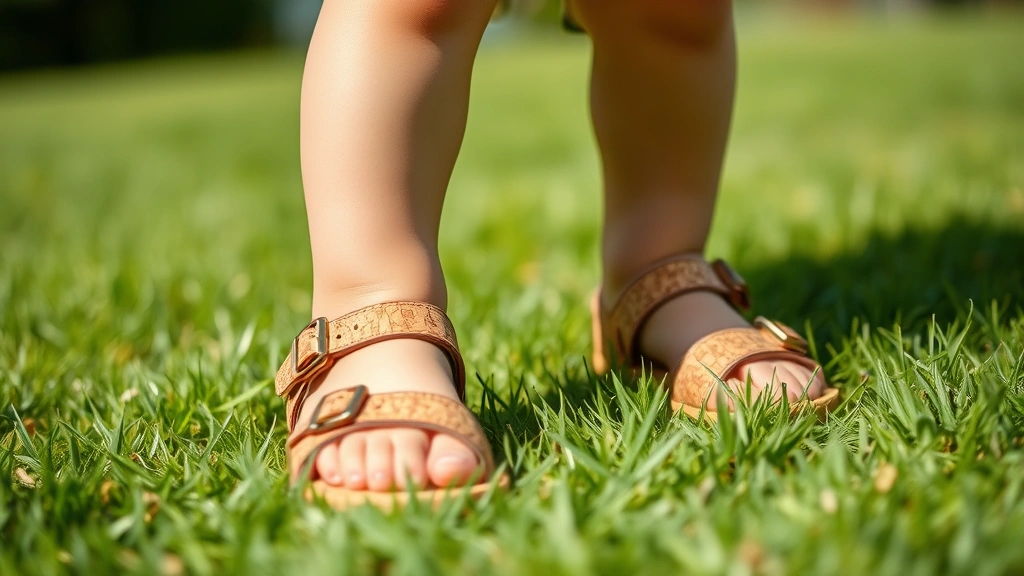
Birkenstocks have maintained their design philosophy for decades, and the baby versions follow the same principles as their adult counterparts. The signature anatomical cork footbed is the main draw—it’s designed to contour to your child’s foot, providing arch support from day one. The footbed is made from a cork and latex blend that naturally molds to individual foot shapes over time.
The construction quality is undeniably solid. The suede lining is soft against delicate skin, and the straps are adjustable, which matters when dealing with chubby baby ankles that fluctuate with growth spurts. Unlike flimsy sandals that fall apart after a season, Birkenstocks are built to withstand repeated wear and can theoretically be passed down to younger siblings. The rubber soles provide genuine grip, reducing slips on smooth floors—a practical safety feature parents genuinely appreciate.
However, it’s worth noting that the premium price point reflects both the construction quality and the brand name. You’re paying for heritage and design consistency, not necessarily breakthrough technology. Other brands have attempted to replicate the cork footbed concept with varying degrees of success, which we’ll explore later.
Foot Health and Development Considerations
Here’s where the conversation gets more nuanced. Pediatricians generally agree that babies and toddlers need minimal foot support during their earliest years. According to the American Academy of Pediatrics, children’s feet are naturally flexible and developing, and excessive support can sometimes interfere with natural development.
That said, once children begin walking and spending more time on their feet, having proper footwear becomes more relevant. The Birkenstock footbed’s arch support is gentle rather than aggressive, which aligns with expert recommendations for growing feet. The key advantage is that the cork naturally adapts—it doesn’t force your child’s foot into a predetermined shape but rather supports the natural arch as it develops.
For children with specific foot concerns like flat feet or pronation issues, consulting a pediatric podiatrist makes sense before investing in any premium footwear. Some children benefit from structured support, while others do perfectly fine in minimal shoes. The Birkenstock option sits comfortably in the middle ground—more supportive than bare feet or soft sandals, but not overly rigid like some orthopedic shoes.
One often-overlooked benefit is the breathability factor. The cork and suede construction allows air circulation, which reduces moisture buildup and fungal concerns. Parents dealing with persistent foot issues in their children sometimes find that Birkenstocks actually improve the situation compared to closed, synthetic shoes.
Durability and Longevity Assessment
This is where baby Birkenstocks potentially justify their premium pricing. Unlike most children’s shoes that deteriorate within a season or two, Birkenstocks are genuinely built to last. The cork footbed doesn’t compress or flatten as quickly as foam alternatives, and the suede resists everyday wear remarkably well.
Real-world parent feedback consistently shows that these shoes survive multiple children. A pair purchased for your first child can realistically transition to younger siblings with minimal visible wear. That $75 shoe suddenly becomes $25-$40 per child when spread across siblings—a much more reasonable investment. Some parents report their Birkenstocks outlasting three or four children before showing significant signs of age.
The resale market also works in your favor. If you’re not planning additional children, Birkenstock baby sandals hold their value better than most children’s shoes. You can recoup 40-50% of the original purchase price through secondhand platforms, which further reduces the effective cost.
However, durability depends on proper care. Birkenstocks require occasional cleaning and shouldn’t be left in harsh direct sunlight for extended periods, as this can degrade the materials. They’re also not ideal for extremely wet environments—while they handle occasional puddle-jumping fine, they’re not waterproof. Parents in rainy climates might find themselves buying backup shoes anyway.
Cost-Benefit Analysis for Growing Feet
Let’s talk numbers without sugarcoating it. A new pair of baby Birkenstocks costs $60-$90 depending on the style and where you purchase. Your child will typically wear them for 6-12 months before outgrowing them. That’s roughly $5-$15 per month for a single child, or significantly less when calculated across multiple siblings.
Compare this to budget shoe alternatives at $15-$25 that often require replacement every 4-6 months due to wear or growth. You’re looking at potentially similar or higher total spending on cheaper shoes over time. The calculation shifts dramatically if you have multiple children—the cost per child plummets when one pair serves three or four kids.
The gift-giving angle also matters. Baby Birkenstocks make excellent gifts from grandparents or family friends, particularly if they’re comfortable with the price point. They’re practical, attractive, and solve a genuine parenting need in a way that many baby gifts don’t.
That said, if you’re a single-child household or have significant financial constraints, there’s absolutely no judgment in choosing more affordable options. The financial benefit really crystallizes when you have multiple children or plan for future siblings.
Comparing to Alternative Options
The market offers several worthy competitors. If you’re looking for structured support without the Birkenstock price tag, brands like Stride Rite and See Kai Run offer solid construction at lower price points. These aren’t quite the same durability tier as Birkenstocks, but they’re respectable alternatives in the $35-$55 range.
For parents interested in minimalist footwear, brands like Bobux and Robeez provide flexible options that still offer some structure. These typically cost $30-$50 and work well for children whose feet don’t need significant support. They’re also lighter weight, which some children prefer.
When shopping for baby boots or other seasonal options, you’ll find that Birkenstock doesn’t dominate the market in the same way. Their sandal offerings are their strength; other brands have more competitive options for closed-toe styles.
The key difference between Birkenstocks and alternatives boils down to longevity and resale value. You might save $20-$30 upfront with a competitor, but you’ll likely spend more replacing them sooner or won’t recoup anything when reselling.
Styling and Lifestyle Factors
Let’s be honest—Birkenstocks have become a status symbol in certain parenting communities. They photograph well, coordinate with trendy children’s clothing, and signal that a parent has thought carefully about their child’s footwear. That’s not a trivial factor if you’re active on parenting social media or enjoy curating your child’s aesthetic.
For families with a more minimalist or eco-conscious approach, Birkenstocks align well with that philosophy. The natural materials, durability, and multi-generational use fit neatly into sustainable parenting values. Parents who prioritize environmental impact often find the longevity aspect more important than the upfront cost.
Lifestyle matters too. If your child spends most days at home or in controlled environments, the premium footwear investment matters less. But if they’re in daycare, attending multiple activities, or spending significant time outdoors, the durability factor increases in importance. Heavy-use scenarios favor the Birkenstock investment.
Consider also your child’s personality. Some toddlers are content in the same shoes for extended periods; others want variety and novelty. If your child gets bored wearing the same shoes repeatedly, Birkenstocks might not be the best investment since you’d want to rotate options anyway.
For parents shopping baby girl shoes or baby boy shoes, the gender-specific styling considerations are minimal with Birkenstocks—they’re fairly unisex in design, which appeals to many modern parents.
Practical Tips for Making the Most of Your Purchase
If you decide to invest in baby Birkenstocks, maximize that investment with smart strategies. First, buy during off-season sales when possible. End-of-summer clearance can yield significant discounts, and you can store them for future use or pass them along.
Second, purchase the adjustable strap versions rather than fixed styles. The Birkenstock Arizona and Mayari styles have multiple adjustment points, allowing them to fit through more of your child’s growth stages. This extends the useful life from 6 months to potentially 12-18 months depending on your child’s growth rate.
Third, invest in basic maintenance. Clean them regularly with a soft brush, condition the suede occasionally, and store them in a cool, dry place away from direct sunlight. This simple care extends their lifespan and maintains their appearance for future children.
Consider purchasing two pairs if you’re planning multiple children. Rotate them to reduce wear on any single pair, and you’ll have backup options for when one is being cleaned or repaired. This strategy actually improves the cost-per-child calculation.
If you’re uncertain about the investment, start with a single pair and see how your child responds. Many retailers accept returns if your child doesn’t tolerate them well, though this is rare—most children adapt quickly to the comfortable fit.
For parents exploring other footwear investments, check out guides on baby walking shoes to understand how different shoe types support development at various stages. Similarly, if you’re thinking about footwear as gifts, baby girl gifts and baby boy gifts categories often feature premium shoe options worth considering.
Frequently Asked Questions
At what age can babies wear Birkenstocks?
Most babies can start wearing Birkenstocks once they’re walking confidently, typically around 12-18 months old. Younger infants don’t need structured footwear, and Birkenstocks are designed for children who are mobile. Always ensure proper sizing—your child should have minimal room to slip inside the shoe while still allowing toe movement.
Do Birkenstocks help with flat feet in children?
Birkenstocks provide gentle arch support that can be beneficial for children with flat feet, but they’re not a medical treatment. According to the CDC, most children naturally have flatter arches that develop over time. If your child has concerning foot development, consult a pediatric podiatrist rather than relying solely on footwear. That said, many parents report that supportive shoes like Birkenstocks help their children with foot comfort.
How long do baby Birkenstocks last?
With proper care, a single pair can last 12-18 months for one child and potentially 3-4 children when passed down. The actual lifespan depends on usage frequency, your child’s growth rate, and maintenance quality. Some parents report their Birkenstocks remaining usable for even longer.
Are there sizing concerns with Birkenstocks?
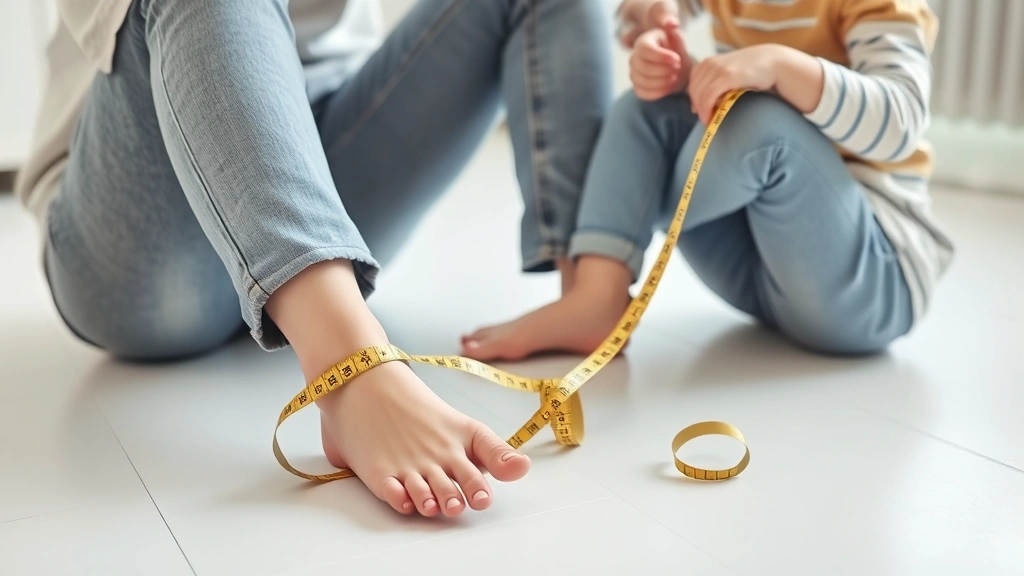
Birkenstocks run true to size, but always measure your child’s feet before ordering online. Children’s feet grow rapidly, and proper fitting is essential for comfort and safety. The adjustable straps accommodate some growth, but when your child’s heel slips significantly during walking, it’s time to size up.
Can Birkenstocks be repaired?
Yes, Birkenstocks are repairable by authorized dealers. Common repairs include footbed replacement, strap adjustments, and sole work. This repairability is another advantage over cheaper shoes that are typically discarded when damaged. However, repair costs might approach the price of a new pair for very young children’s sizes.
Do pediatricians recommend Birkenstocks specifically?
Pediatricians generally don’t recommend specific brands but rather focus on fit, support, and appropriate footwear for developmental stages. According to Parents Magazine, the best shoe is one that fits properly, allows natural foot movement, and suits your child’s lifestyle. Birkenstocks meet these criteria for many children, but they’re not universally necessary.
Should I buy Birkenstocks for a single child?
For a single child, the cost-benefit calculation is tighter. If you have significant disposable income and appreciate the aesthetic, go for it. If budget is a concern, solid mid-range alternatives will serve your child just as well developmentally. The real financial advantage emerges with multiple children.
Are there gender-specific considerations?
Birkenstocks come in various colors and styles suitable for any child, regardless of gender. The sizing and construction are identical across their children’s lines. Choose based on your child’s preferences and your family’s style rather than marketing categories.