Are Baby Headbands Safe? A Parent’s Guide to Style Without Compromise
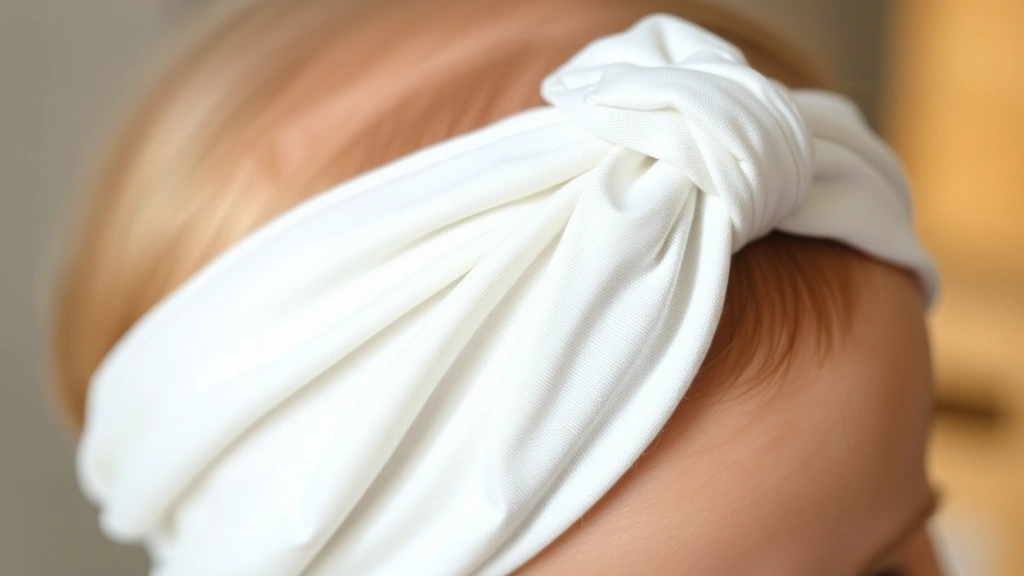
You’ve probably scrolled through Instagram and seen those adorable photos of babies sporting tiny headbands, complete with delicate bows and precious details. They’re undeniably cute, but if you’re a parent wondering whether these accessories are actually safe for your little one, you’re asking exactly the right question. The truth is nuanced—baby headbands can be perfectly fine when chosen thoughtfully, but they do come with considerations worth understanding.
As parents, we want our babies to look their best while keeping their safety as the top priority. The good news? You don’t have to choose between one or the other. With the right knowledge and a few practical guidelines, you can confidently decide whether baby headbands are right for your family and how to use them safely if you do.
Let’s dive into what every parent should know about this surprisingly complex topic.
Understanding the Safety Concerns
Before we talk solutions, let’s address the elephant in the room: why do baby headbands get a questionable reputation in the first place? The concerns aren’t unfounded, and understanding them helps you make informed choices.
The primary worry centers on circulation and scalp health. A baby’s head is still developing, and their skull bones haven’t fully fused. If a headband is too tight, it could theoretically restrict blood flow or create uncomfortable pressure on delicate developing areas. Additionally, babies can’t tell you if something is uncomfortable, which means you need to be their advocate.
Another consideration involves overheating. Babies regulate their temperature differently than older children and adults. Adding fabric layers around the head, especially in warm weather, could contribute to overheating—a serious concern for infant safety. The American Academy of Pediatrics emphasizes keeping babies’ heads uncovered during sleep for this reason, though awake-time accessories are a different story.
There’s also the matter of distraction and choking hazards. If a headband has decorative elements like beads, sequins, or loosely attached bows, these pieces could potentially come loose and pose a choking risk. Babies are notorious for grabbing at things near their face and putting objects in their mouths.
Finally, some parents worry about hair damage. Tight headbands can create tension on fine baby hair, and while babies will eventually lose their newborn hair anyway, unnecessary stress isn’t ideal.

Age Matters: When Baby Headbands Are Okay
Not all babies are created equal when it comes to headband safety. Age plays a significant role in whether this accessory makes sense for your little one.
Newborns (0-3 months): Skip the headbands during this phase. Newborns have extremely delicate skin and developing skull structures. Their temperature regulation is still establishing itself, and they spend significant time sleeping. If you want to add festive flair during this stage, consider baby bows designed specifically for newborn photography that aren’t actually worn on the baby’s head.
Babies 3-6 months: This is where cautious introduction becomes possible. At this age, babies are more alert and their skulls are slightly more developed. However, headbands should still be very loose, worn only during supervised awake time, and removed immediately if baby seems uncomfortable. Think of this as an experimental phase where you’re learning what works for your individual baby.
Babies 6-12 months: Once your baby is sitting up more reliably and spending extended periods awake and engaged, headbands become a more reasonable option. Their heads are more developed, they’re better at regulating temperature, and they’re less likely to spend hours sleeping in the same position. This is the sweet spot for most parents who want to use headbands regularly.
Toddlers and beyond: Once your child can express discomfort and remove their own headband, the safety profile improves dramatically. That said, always supervise and ensure the headband still meets current safety standards.
How to Choose Safe Baby Headbands
Now that you understand the concerns and age considerations, let’s talk about actually selecting a headband that prioritizes safety. Not all baby headbands are created equal, and the details matter tremendously.
Look for proper sizing. A safe baby headband should be snug enough to stay in place but loose enough to slip a finger underneath comfortably. If you can’t fit your pinky finger between the headband and your baby’s head, it’s too tight. Test this regularly as your baby grows.
Check for certifications and standards. Look for products that meet safety standards like CPSC (Consumer Product Safety Commission) guidelines or ASTM standards. These certifications indicate the product has been tested for safety concerns including choking hazards and material safety.
Examine construction quality. A well-made headband should have secure seams and no loose threads. All decorative elements should be firmly attached—if something can be pulled off with gentle tugging, it’s not safe for a baby. This is especially important if you’re considering baby shower gift ideas that include accessories.
Prioritize breathability. The material should allow air circulation to prevent overheating. Mesh panels or stretchy knits are better choices than thick, non-breathable fabrics.
Avoid elastic that digs in. Some headbands use elastic bands that can leave marks or create pressure points. Look for options with wider elastic or those designed specifically to distribute pressure evenly.
Material Guide: What’s Best for Baby Skin
Your baby’s skin is remarkably delicate, and the material you choose for a headband directly impacts comfort and safety. Let’s break down the best and worst options.
Cotton and cotton blends (excellent choice): Organic cotton is breathable, soft, and naturally hypoallergenic. It won’t trap heat and is gentle on sensitive skin. Cotton blends that include a small percentage of elastic maintain stretch while keeping most of the benefits of pure cotton. This is your gold standard.
Bamboo fabric (excellent choice): Bamboo-derived fabrics are incredibly soft, naturally antimicrobial, and excellent at temperature regulation. They’re slightly more expensive than cotton but worth it if your baby has particularly sensitive skin or eczema. Bamboo is also sustainably sourced, which appeals to many eco-conscious parents.
Stretchy knits (good choice): High-quality stretchy knits designed for babies offer flexibility and comfort. They move with your baby’s head, reducing pressure points. Ensure they’re made from baby-safe materials without synthetic dyes.
Synthetic blends (use with caution): Polyester blends are often used because they’re affordable and durable, but they don’t breathe as well as natural fibers. If you choose synthetic materials, ensure they’re specifically labeled as baby-safe and free from harmful dyes.
Avoid these materials: Steer clear of anything with rough textures, heavy embellishments, or materials known to irritate sensitive skin. Anything plastic-based, heavily dyed with non-baby-safe dyes, or containing small parts should be avoided entirely.
When shopping for baby girl clothes and accessories, this material consideration applies broadly. Always check labels for material composition and care instructions.
Smart Styling Tips for Safety
Using baby headbands safely involves more than just choosing the right product—it’s also about how and when you use them.
Wear time matters. Limit headband wearing to a few hours at a time, especially in the beginning. This allows you to monitor for any skin irritation or discomfort and prevents prolonged pressure on developing areas. Many parents find that using headbands for special occasions or photo sessions is the safest approach.
Check frequently. Every 30 minutes or so, remove the headband and inspect your baby’s head and skin. Look for red marks, irritation, or any signs of discomfort. Your baby can’t tell you something feels wrong, so you need to be vigilant.
Never sleep in headbands. This is non-negotiable. Remove the headband before naps and bedtime. The risk of overheating increases significantly during sleep, and your baby doesn’t need anything around their head while sleeping.
Watch the weather. On hot days, skip the headband entirely or use only the thinnest, most breathable option for minimal time. In cool weather, you have more flexibility, but still prioritize breathability.
Pair with appropriate clothing. If your baby is wearing a headband, ensure the rest of their outfit isn’t too heavy. You want to prevent overheating overall, not just at the head level.
Supervise constantly. Never leave your baby unattended while wearing a headband. They might grab it, twist it, or it could shift in an uncomfortable way without you noticing.
Safe Alternatives to Traditional Headbands
If you’re still uncertain about headbands or your baby seems uncomfortable wearing them, plenty of other adorable options exist. These alternatives let you express your style preferences without the potential risks.
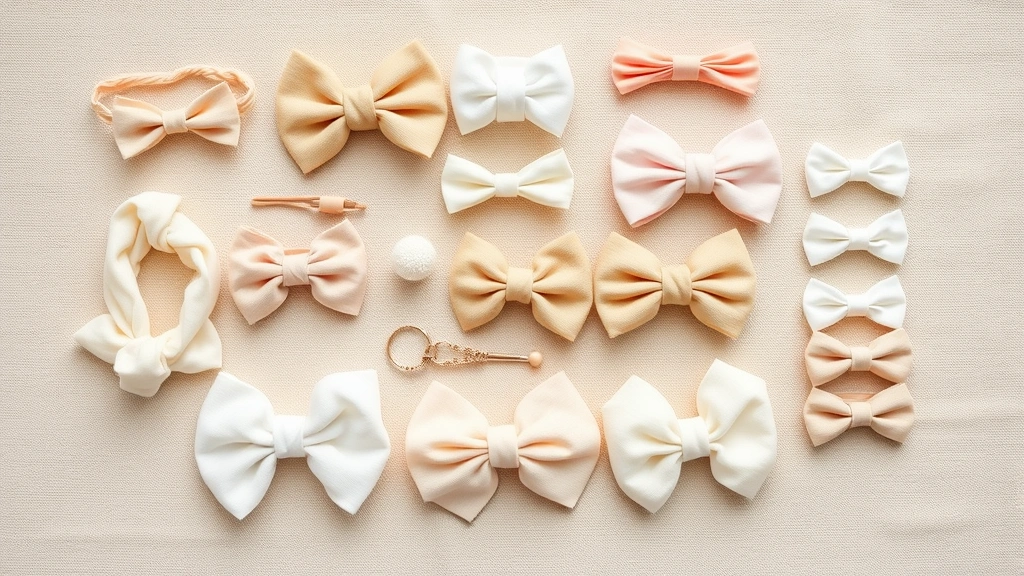
Hair clips and bows: For babies with enough hair, gentle clips and baby bows designed for infant hair offer the same cute factor without the pressure around the head. Choose clips with soft, rounded edges and secure attachment mechanisms.
Hats and bonnets: Lightweight, breathable hats are often safer than headbands because they sit differently on the head. Bonnets with soft ties are particularly cute for newborns and young babies, though ties should be kept short and supervised.
Cute clothing choices: Sometimes the best way to achieve a particular aesthetic is through clothing. Adorable outfits can express your style preferences without any head accessories. Explore options in baby girl clothes that feature fun patterns, colors, or themes you love.
Photography props: If you’re primarily interested in headbands for photos, consider props designed specifically for photography sessions that aren’t actually worn by the baby. Many professional baby photographers have safe alternatives that look fantastic in pictures.
Teething accessories: For babies who love grabbing at things, soft teething accessories shaped like rings or designed as sensory toys can satisfy that urge safely. These are particularly useful for the 6-12 month range.
Milestone markers: Instead of headbands, many parents use safe monthly milestone markers or props that capture growth without being worn on the baby’s body.
Frequently Asked Questions
Can newborns wear baby headbands safely?
Newborns should not wear baby headbands regularly. Their skull structures are still forming, temperature regulation is establishing, and they sleep frequently. If you want headband-style accessories for newborn photos, use props designed for photography that aren’t worn by the baby. After three months, you can cautiously introduce very loose, supervised headband wearing during awake time.
What’s the difference between a safe and unsafe baby headband?
Safe headbands are loose enough to fit a finger underneath, made from breathable natural materials, have no loose decorative elements, and meet safety certifications. Unsafe ones are tight, made from non-breathable synthetics, have small detachable parts, or lack safety testing. Always check construction quality and material composition before purchasing.
How tight should a baby headband be?
A baby headband should be snug enough to stay in place but loose enough to comfortably fit your pinky finger underneath. You should be able to move it slightly on the head without it slipping off completely. If you can’t fit your finger underneath, it’s too tight and could restrict circulation.
Are baby headbands a choking hazard?
Headbands themselves aren’t typically choking hazards if properly constructed, but any decorative elements like beads, sequins, or loosely attached bows could pose risks. Always inspect accessories carefully and choose products with securely attached embellishments. For babies under 12 months, simpler designs without small parts are safest.
Can baby headbands cause flat head syndrome?
Baby headbands themselves don’t cause flat head syndrome (plagiocephaly), which results from prolonged pressure on one area of the skull. However, combined with extended time in one position (like car seats or swings), they could theoretically contribute. This is another reason to limit wearing time and rotate your baby’s position frequently throughout the day.
What should I do if my baby shows signs of discomfort?
Remove the headband immediately if you notice red marks, irritation, excessive fussiness, or your baby repeatedly trying to remove it. Not every baby tolerates headbands comfortably, and that’s completely okay. There are plenty of other adorable options available. Consider baby doll accessories as a fun way to explore styles without putting them on your baby.
Are expensive baby headbands safer than affordable ones?
Price doesn’t always correlate with safety. What matters is the material quality, construction, fit, and whether it meets safety standards. A well-made affordable headband can be safer than an expensive one with poor construction. Always read reviews from other parents and check for safety certifications regardless of price point.
Can I use baby headbands in hot weather?
Use extreme caution with headbands in hot weather. Babies overheat easily, and adding fabric around the head increases this risk. If you choose to use headbands in warm weather, limit wearing time significantly and opt for the thinnest, most breathable options available. Many pediatricians recommend skipping headbands entirely during hot months.