What Are Baby Sambas? A Stylish Guide to Iconic Infant Footwear
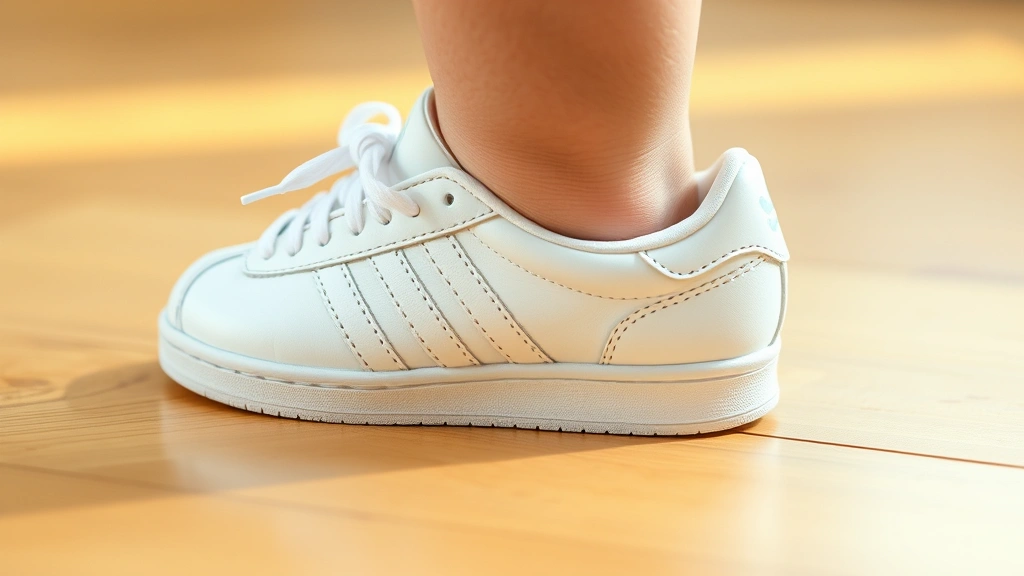
If you’ve scrolled through parenting forums or peeped into trendy nursery photos lately, you’ve probably spotted them: those unmistakable three stripes, the classic silhouette, and the undeniable cool factor. Baby Sambas have become something of a phenomenon in the world of infant fashion, and honestly, it’s not hard to see why. These miniature versions of the legendary Adidas Samba sneaker have captured the hearts of style-conscious parents everywhere, blending heritage athletic design with genuine practicality for little feet.
But here’s the thing—baby Sambas aren’t just about looking adorable (though they absolutely do). They represent a broader shift in how we think about children’s footwear, where comfort, durability, and aesthetic appeal actually coexist rather than compete. Whether you’re a sneakerhead parent, someone who appreciates timeless design, or simply searching for shoes that won’t look ridiculous in family photos, understanding what makes baby Sambas special matters.
This guide breaks down everything you need to know about baby Sambas, from their heritage and construction to sizing tips, styling ideas, and whether they’re truly worth the investment for your little one.
The History Behind the Baby Samba
The Adidas Samba isn’t some flash-in-the-pan trend. This shoe has serious pedigree. Originally created in 1950 as an indoor soccer training shoe, the Samba became legendary for its exceptional grip and agility on polished gymnasium floors. Over seven decades, it’s remained virtually unchanged—a testament to design perfection that doesn’t need reinvention.
When Adidas extended the Samba line to include baby sizes, they weren’t just slapping a logo on a tiny shoe. They maintained the core DNA of the original while adapting it for infant development needs. The result? A shoe that carries cultural weight and heritage credibility while actually serving the practical requirements of growing feet.
What makes this particularly appealing to parents is that you’re not buying into a manufactured trend. You’re investing in a silhouette that’s been trusted for generations. There’s something genuinely reassuring about choosing footwear with that kind of historical validation, especially when you’re navigating the overwhelming world of baby gear decisions.
The baby Samba also taps into something deeper in parenting culture: the desire to share our interests with our children. Sneaker enthusiasts, athletes, and design lovers can introduce their kids to something they genuinely care about, creating a subtle but meaningful form of connection through something as simple as footwear.
Understanding Construction and Materials
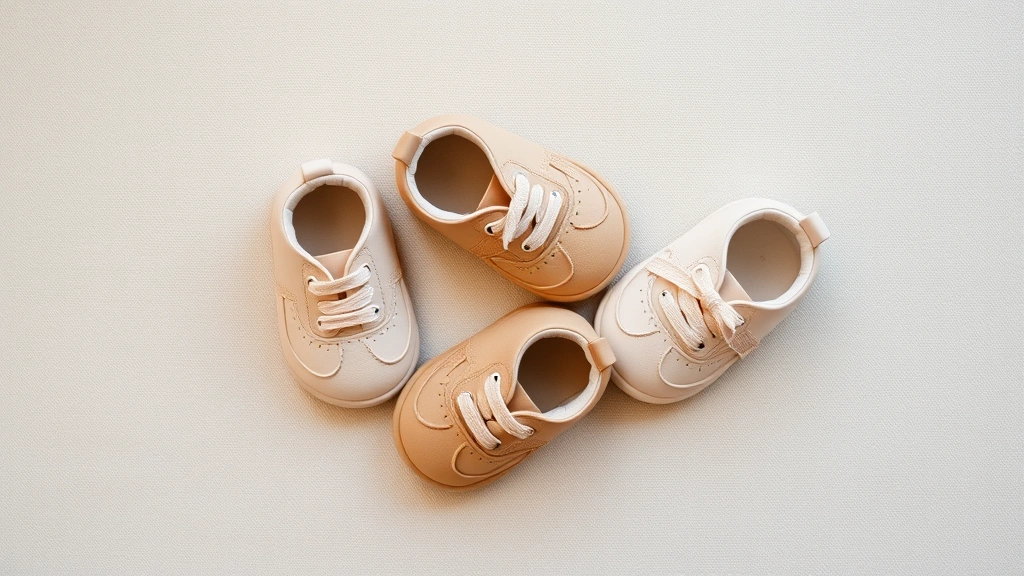
Baby Sambas maintain the quality construction standards you’d find in adult versions, which is genuinely impressive given the smaller price point. The upper typically features a combination of leather and suede in the classic colorways, providing both durability and breathability. This matters more than you might think—little feet sweat, and breathable materials help prevent moisture buildup and discomfort.
The sole construction deserves particular attention. Adidas uses their signature gum rubber sole (that warm tan color you see in classic Sambas), which offers excellent grip and flexibility. For babies who are beginning to cruise or walk, this matters. The sole needs to be flexible enough to support natural foot development while providing enough traction to prevent slipping on various surfaces, whether that’s hardwood floors, tile, or outdoor pavement.
The insole is another thoughtful element. Unlike some infant shoes that skimp on internal support, baby Sambas include a padded insole that provides cushioning without being overly rigid. This balance is crucial because developing feet need some support, but excessive rigidity can actually interfere with natural gait development.
The stitching quality is noticeably consistent, with clean seams and secure construction. This isn’t just aesthetic—it means these shoes can actually withstand the rough-and-tumble nature of infant life. If you’re planning to pass them down to younger siblings or friends, quality construction becomes even more valuable.
When considering other footwear options like baby boots, you’ll notice that Sambas prioritize flexibility and breathability, making them ideal for everyday wear rather than specific weather conditions.
Sizing and Fit Essentials
Getting sizing right with baby Sambas is non-negotiable. Unlike adult shoes where a half-size off might be manageable, infant footwear demands precision. Babies’ feet grow incredibly quickly—sometimes a full size every three to four months during the first year—so proper measurement matters.
Here’s the practical approach: measure your baby’s foot in the afternoon when swelling is naturally at its peak. Have your child stand (or sit with feet flat if they’re not walking yet) and measure from the heel to the longest toe. Add about half an inch for growth room, but not more. Excessive space can actually cause tripping and instability.
Baby Sambas typically run true to size, which simplifies the guessing game considerably. However, they do have a slightly narrower fit compared to some other brands, so if your baby has particularly wide feet, you might need to size up slightly or explore alternative options.
Consider the sock situation too. Babies wearing thicker socks might need a size up compared to wearing thin socks or going barefoot. This seems obvious, but it’s easy to overlook when you’re trying on shoes in a store or ordering online.
The heel counter (the back of the shoe) should fit snugly without slipping, but not so tight that it leaves marks on the skin. You should be able to fit one finger between the heel and the shoe when your baby is standing. This sweet spot ensures the shoe stays put during active play while allowing room for natural foot movement.
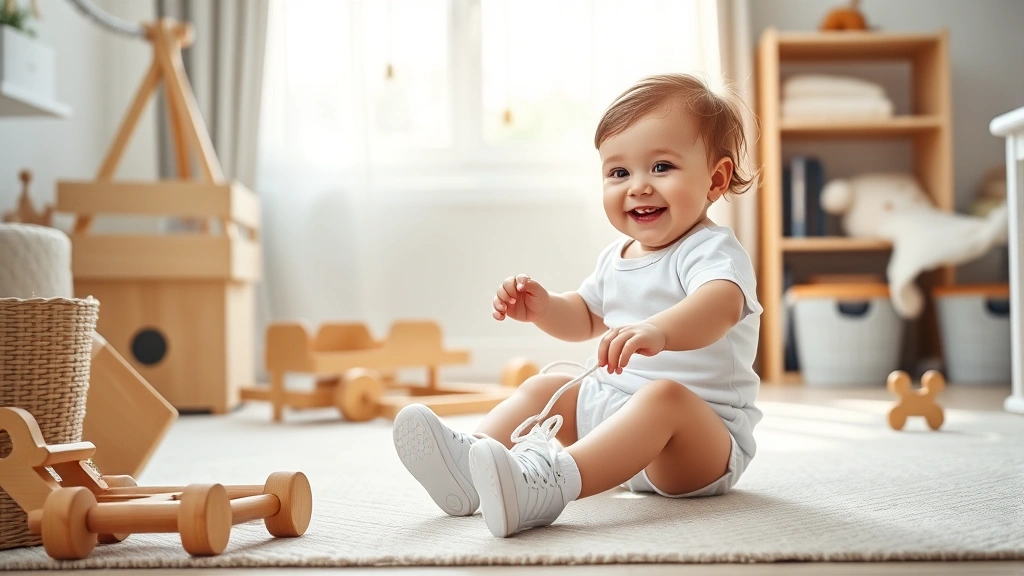
If you’re torn between baby Sambas and similar options, comparing them with baby vans can help you understand different fit profiles, as each brand has slightly different width and heel cup characteristics.
Style and Versatility
Here’s where baby Sambas genuinely shine: they’re absurdly versatile. The classic colorways—white leather with the iconic three stripes, or neutral combinations—pair with virtually everything in a baby’s wardrobe. Whether your aesthetic leans minimalist, preppy, sporty, or eclectic, Sambas work.
For baby boy shoes, Sambas offer a refreshing alternative to the typical athletic sneaker look. They feel slightly more refined without being fussy, which appeals to parents who want their kids to look put-together without appearing overdressed for everyday activities.
Similarly, baby girl shoes in Samba silhouettes break the mold of overly cute or frilly options. They’re confident and understated, which feels increasingly popular among parents raising kids without rigid gender-based styling.
The styling possibilities extend beyond the shoes themselves. Pair baby Sambas with baby boy clothes ranging from simple onesies to structured outfits, and they anchor the look with credibility. The same applies to baby girl clothes—Sambas complement everything from casual playwear to more intentional outfits.
Think about the practical styling angle too. These shoes photograph beautifully, which matters if you’re the type of parent who documents milestones. The classic design photographs timeless rather than trendy, meaning your photos won’t look dated in a few years when you look back at them.
The versatility also extends to season and occasion. Baby Sambas work for casual park days, family outings, holiday photos, and everyday wear. You’re not buying shoes for a specific purpose—you’re buying shoes that work across contexts.
Care and Maintenance Tips
Baby Sambas are relatively low-maintenance, but treating them properly extends their lifespan, especially if you’re planning to pass them along to other children.
Regular cleaning: Wipe them down with a soft, damp cloth after outdoor activities. The suede and leather combination is forgiving but benefits from regular attention. For stubborn dirt, a soft brush works well without damaging the material.
Spot treatment: For small stains, mix mild soap with water and gently dab the affected area. Avoid aggressive scrubbing, which can damage the suede sections.
Storage: Keep them in a cool, dry place away from direct sunlight, which can fade the colors. Avoid storing them in plastic bags, which trap moisture. A breathable shoe bag or simply keeping them on a shelf works better.
Sole care: The gum rubber sole can be cleaned with a soft brush or cloth. If the sole becomes slippery, gentle roughing with fine-grit sandpaper can restore grip without damaging the shoe.
Insole replacement: If the original insole wears down or becomes compressed, you can replace it with an aftermarket infant insole. This is particularly useful if you’re planning to reuse the shoes for a second child.
Avoid the washing machine: Despite the temptation, machine washing can damage the construction and materials. Hand cleaning is genuinely the better approach.
According to the American Academy of Pediatrics, proper shoe maintenance contributes to foot health by maintaining structural integrity and hygiene, which matters more during the critical years of foot development.
Comparing Baby Sambas to Other Options
Baby Sambas aren’t the only quality infant shoe option available, so understanding how they compare helps you make a confident decision.
Premium athletic brands: Nike, Puma, and New Balance all offer infant sneakers with quality construction. Baby Sambas distinguish themselves through heritage design and a narrower, more structured fit. If your baby prefers wider shoes or you want more cushioning, other brands might suit better.
Minimalist shoes: Brands like Freshly Picked or See Kai Run focus on minimal construction and maximum flexibility. They’re excellent for developing feet but lack the structured support Sambas provide. If your baby is just beginning to walk, minimalist options might be worth exploring first, then transitioning to Sambas as they become more confident walkers.
Specialty footwear: Orthopedic or corrective shoes serve specific medical purposes that Sambas aren’t designed for. If your pediatrician has recommended corrective footwear, Sambas wouldn’t be appropriate, regardless of how much you love the aesthetic.
Price point: Baby Sambas sit in the mid-to-premium range for infant shoes. You’re paying for brand heritage and quality construction, not just a logo. If budget is a primary concern, there are certainly less expensive options, but they typically don’t offer the same durability or timeless design appeal.
The decision ultimately depends on your priorities. Do you value heritage and design? Sambas excel. Do you need maximum flexibility for a newly-walking baby? Minimalist options might be better. Do you want shoes that work across multiple children? Sambas’ durability makes them excellent hand-me-downs.
Frequently Asked Questions
At what age can babies wear Sambas?
Baby Sambas are typically available starting at size 3 (roughly 0-3 months), though most parents find them most practical once their baby is beginning to cruise or walk, around 9-12 months. For younger babies, softer, more minimal shoes or going barefoot indoors is often recommended. Consult your pediatrician about the best timing for your individual baby.
Do baby Sambas support proper foot development?
Yes, when properly fitted. The flexible sole allows natural foot movement, while the structured heel and cushioned insole provide appropriate support. However, research from Healthy Children indicates that babies don’t necessarily need shoes while indoors—barefoot time is actually beneficial for developing balance and proprioception. Sambas work well for outdoor wear and structured outings.
Are baby Sambas worth the investment?
That depends on your priorities and budget. If you plan to reuse them for multiple children, appreciate timeless design, and want shoes that work across various occasions, they’re excellent value. If you’re on a tight budget or your baby will outgrow them before they show significant wear, more affordable options exist. Consider your specific situation rather than viewing them as universally necessary.
How quickly do babies outgrow Sambas?
Infant feet grow rapidly. Most babies will outgrow a size within 3-6 months during the first two years. This is why the durability of Sambas becomes valuable—they can be passed to younger siblings or friends rather than discarded.
Can I find baby Sambas in different colors beyond the classic white?
Yes. Adidas regularly releases colorway variations including pastels, earth tones, and seasonal colors. However, the classic white with three stripes remains the most versatile and timeless option. If you’re considering a more trendy color, think about whether it will still appeal to you in a few years.
What’s the difference between Samba and Samba OG for babies?
The Samba OG (original) is the classic model that stays closest to the 1950s design. Standard Sambas may have slight modern modifications. For babies, the differences are minimal—both offer excellent construction and the iconic silhouette. Choose based on availability and color preference rather than worrying about the OG distinction.
How do I know if the fit is correct?
Your baby should be able to wiggle their toes comfortably. You should fit one finger between the heel and the back of the shoe when they’re standing. There shouldn’t be excessive space in the toe box, but enough room for growth (roughly half an inch). If your baby seems uncomfortable or the shoes cause red marks, they need adjustment or sizing up.