Best Baby Sandals: Choosing the Right Pair for Your Little One
There’s something undeniably sweet about tiny feet in tiny sandals. But beyond the aesthetic appeal, selecting the right baby sandals involves more than just picking the cutest pair you can find. Your baby’s feet are still developing, and the shoes they wear during these crucial early years can impact their comfort, safety, and healthy foot development.
Whether you’re gearing up for summer adventures, planning a beach vacation, or simply looking for breathable footwear for warm weather, understanding what makes a quality baby sandal is essential. The stakes feel higher when it comes to your child’s wellbeing, and rightfully so. We’re going to walk you through everything you need to know about choosing baby sandals that are both adorable and genuinely good for your little one’s feet.
Let’s dive into the world of baby footwear and discover how to make choices that keep those precious toes happy, protected, and free to grow as nature intended.
Why Baby Sandals Matter
Baby feet are remarkably different from adult feet. According to the American Academy of Pediatrics, babies’ feet contain mostly cartilage rather than bone, making them incredibly flexible and susceptible to pressure and constraint. This is precisely why choosing appropriate footwear matters so much during infancy and toddlerhood.
When temperatures rise, parents often wonder whether their babies need footwear at all. The truth is nuanced. While barefoot time is wonderful for sensory development and natural foot strengthening, sandals serve important protective purposes. They shield delicate skin from sun exposure, prevent scrapes and cuts, and offer protection on hot surfaces like pavement or sand that could otherwise cause burns.
Beyond protection, the right sandals support healthy foot development. Poor-fitting shoes can lead to issues that persist into childhood and beyond. This is why investing time in understanding proper sandal selection now pays dividends for your child’s long-term foot health.
Key Features to Look For
Not all baby sandals are created equal. Understanding the essential features separates mediocre options from truly excellent ones.
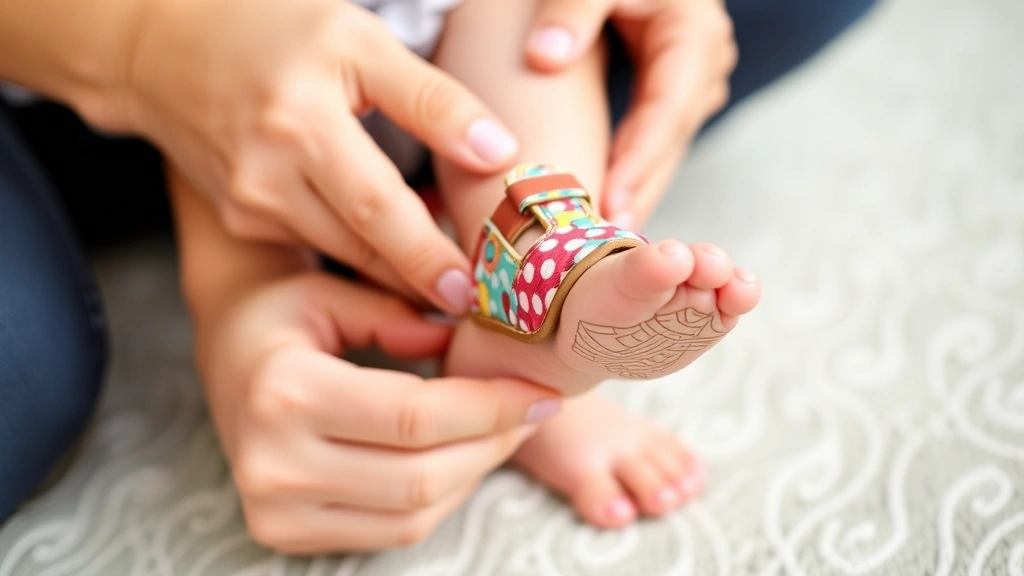
Flexible Soles: Baby sandals should bend easily at the ball of the foot, mimicking natural walking motion. Try the flexibility test yourself—if you can’t bend the sandal with minimal effort, it’s too rigid for developing feet.
Lightweight Construction: Babies and toddlers shouldn’t be weighed down by their footwear. Heavy sandals can interfere with natural gait development and cause fatigue during play. Look for options that feel almost insubstantial when you hold them.
Proper Arch Support: While baby feet don’t have fully developed arches, sandals should provide gentle support without being restrictive. The footbed should have a slight contour that encourages healthy foot positioning.
Secure Fastening Systems: Whether using velcro, buckles, or straps, your baby’s sandals must stay on during active play. A sandal that constantly falls off becomes a safety hazard and a frustration for both parent and child.
Breathability: Open-toed sandals excel at keeping feet cool, but the materials should also allow air circulation around the foot. Mesh panels and perforated designs enhance breathability without sacrificing protection.
Toe Protection: While sandals are more open than closed shoes, some protection for the toes is wise. A reinforced toe cap or slightly raised toe box prevents stubbed toes during those adorably clumsy toddler moments.
Sizing and Fit Guide
Getting the size right is perhaps the most critical factor in sandal selection. Babies’ feet grow rapidly—sometimes an entire shoe size in just a few months—so you’ll likely need multiple pairs as your child grows.
Measuring Your Baby’s Feet: The best time to measure is late afternoon when feet are slightly swollen from daily activity. Have your child stand on a piece of paper and trace around the foot with a pen, then measure from heel to longest toe. Add about half an inch for growing room. Visit a professional shoe fitting service if you’re uncertain; many children’s shoe stores offer this service free of charge.
The Fit Test: Once you have sandals in hand, check the fit by sliding your pinky finger between the heel and the sandal’s back. You should be able to fit it snugly but not with excessive room. At the toe, there should be approximately a quarter-inch of space beyond the longest toe.
Watch for Red Flags: Marks or indentations on the foot after wearing sandals indicate poor fit. Your baby shouldn’t be limping, toe-walking, or constantly trying to remove their sandals. These are all signs the fit isn’t right.
Growth Consideration: Resist the urge to buy sandals significantly larger to “get more wear” from them. Oversized sandals cause tripping hazards and don’t provide proper support. Plan to purchase new sandals every few months during the growth-intensive toddler years.
Best Styles for Different Ages
Baby development progresses in stages, and sandal needs evolve accordingly.
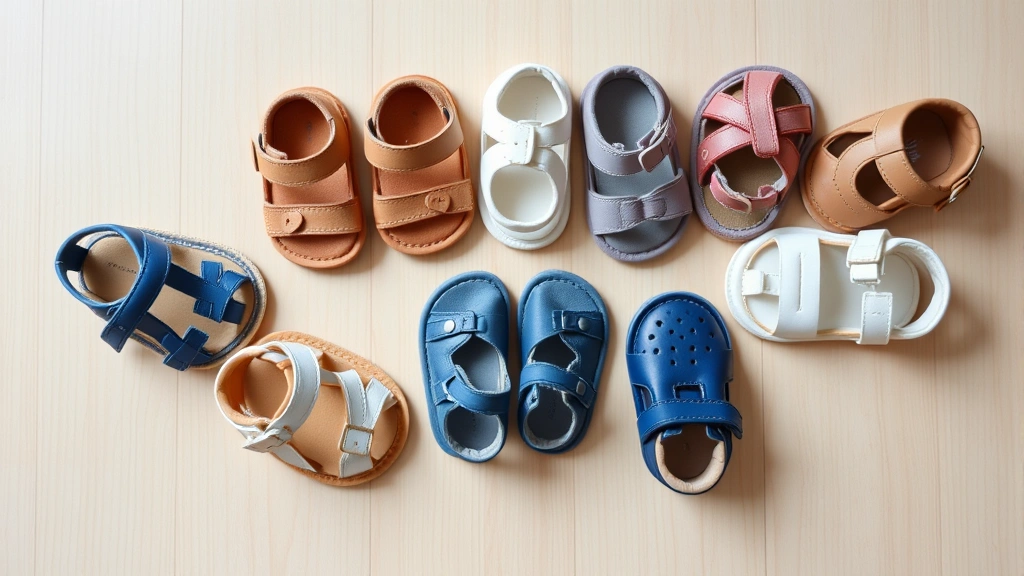
Birth to 6 Months: Most babies at this age don’t wear sandals regularly. When you do need foot protection—perhaps for outdoor outings—soft, flexible sandals with secure straps work best. Many parents find that baby boots in lightweight materials also serve well during this period for special occasions.
6 to 12 Months: As babies begin crawling and preparing for walking, introduce sandals that encourage natural foot development. Look for minimal cushioning and maximum flexibility. Soft leather or fabric uppers are ideal, and velcro closures simplify on-and-off routines.
12 to 24 Months: Once toddlers are walking, they can handle slightly more structured sandals. This is when you might explore styles with modest heel support and toe protection. Many parents transition their toddlers into baby girl shoes or baby boy shoes with sandal options available in many lines.
2+ Years: Older toddlers can wear more substantial sandals with better-defined support structures. They’re more coordinated, so sandals with multiple strap points become viable options. This age group often enjoys choosing their own sandal styles, so involving them in the selection process adds an element of fun.
Material Matters
The materials used in baby sandals directly impact comfort, durability, and foot health.
Leather: Premium leather is breathable, molds to the foot over time, and ages beautifully. It’s more expensive than alternatives but often worth the investment for frequently-worn sandals. Ensure leather is soft and supple, not stiff or restrictive.
Soft Fabric: Canvas and other soft fabrics offer excellent breathability at budget-friendly prices. They’re easy to clean and often machine-washable, which is a major plus for parent-approved footwear. The downside is they don’t provide as much structure as leather.
Rubber and EVA: These synthetic materials are durable, waterproof, and easy to clean—perfect for beach days and water play. Look for non-toxic options, as some cheaper rubber sandals can contain harmful chemicals. Quality EVA footbeds provide surprising comfort despite their synthetic nature.
Avoid: Steer clear of sandals with strong chemical odors, rigid plastics, or materials that don’t breathe. Your baby’s skin is sensitive, and their feet sweat more than you might expect, making breathability genuinely important.
Safety Considerations
Beyond fit and comfort, several safety factors warrant attention.
Sun Protection: According to the CDC, children’s skin is particularly vulnerable to UV damage. Sandals that cover more of the foot provide better sun protection. Consider pairing sandals with baby sunscreen on exposed areas and UV-protective clothing for extended outdoor time.
Non-Slip Soles: Wet surfaces, smooth floors, and slippery decks pose risks for toddlers. Ensure sandal soles have adequate grip and aren’t smooth rubber that slides easily. Test this by rubbing the sole against your palm—you should feel some resistance.
Choking Hazards: Inspect sandals for any small parts that could detach. Buttons, decorative elements, or loose straps shouldn’t be present or should be firmly secured. This is especially important for younger babies who explore everything with their mouths.
Temperature Monitoring: Hot sand and pavement can burn delicate feet quickly. Always test surfaces with your hand before letting your baby play barefoot, and remember that sandals provide limited protection against extreme heat. Seeking shade and timing outdoor play appropriately is essential.
Proper Supervision: Sandals don’t eliminate the need for watchfulness. Continue supervising your child during play, especially near water or on uneven terrain where sandals might come loose.
Top Brands and Options
Several brands have earned reputations for quality baby sandals.
Stride Rite: This heritage brand specializes in children’s footwear with a focus on foot development. Their sandals incorporate supportive features while maintaining lightness and flexibility.
Keen: Known for outdoor footwear, Keen’s baby sandals feature excellent grip, protective toe caps, and quality materials. They’re pricier but built to last through multiple children.
Birkenstock: Their children’s sandal line maintains the brand’s reputation for comfort and support. Birkenstocks mold to your baby’s feet and improve with wear.
Native Shoes: Lightweight and fun, Native offers colorful options that appeal to toddlers. Their EVA material is comfortable and easy to clean.
Merrell: This outdoor brand brings their expertise to children’s sandals, offering excellent traction and durability for active toddlers.
When planning best family travel destinations, consider packing sandals from a trusted brand you know works well for your child’s feet.
Care and Maintenance
Proper care extends your sandals’ lifespan and maintains hygiene.
Regular Cleaning: Wipe sandals down after beach or park days to remove sand, salt, and debris. Most fabric sandals can be gently hand-washed with mild soap and water. Leather requires specific cleaning products designed for children’s footwear.
Drying: Air-dry sandals away from direct heat or sunlight, which can damage materials and cause shrinkage. Stuff them loosely with newspaper to maintain shape while drying.
Storage: Keep sandals in a cool, dry place. During off-season storage, clean them thoroughly and store in breathable bags rather than plastic, which can trap moisture and encourage mold.
Inspection: Regularly check for wear patterns, loose straps, or deteriorating soles. Catching issues early prevents injuries and extends usable life.
Odor Management: If sandals develop odors, sprinkle baking soda inside overnight to absorb smells. Ensure they’re completely dry before using again.
Coordinate your baby’s sandal selections with their overall wardrobe. Pairing quality sandals with well-chosen baby girl clothes or baby boy clothes creates cohesive, practical outfits for warm weather.
Frequently Asked Questions
At what age can babies wear sandals?
Babies can technically wear sandals from birth, though most parents wait until their babies are mobile. Once crawling begins around 6-8 months, sandals become more practical. The key is ensuring they fit properly and don’t restrict natural foot development.
Are sandals bad for baby feet?
Not when chosen thoughtfully. Parents Magazine experts confirm that appropriate, well-fitting sandals support rather than hinder foot development. The problems arise with poor-fitting, overly restrictive, or unsupportive options.
Should baby sandals have arch support?
Baby feet don’t have developed arches yet, but sandals should provide gentle, natural support. Avoid sandals with aggressive arch supports designed for adult feet. Look for slight contouring in the footbed that encourages healthy foot positioning without constraint.
How often should I replace baby sandals?
Growing feet often require new sandals every 2-3 months during infancy and toddlerhood. Check fit regularly, especially if your child hasn’t worn sandals in a while. Even a few weeks of growth can significantly impact fit.
Can babies wear sandals to the beach?
Absolutely, and many would argue it’s advisable. Sandals protect developing feet from hot sand, sharp shells, and rocks. Choose water-friendly options that dry quickly and won’t be damaged by saltwater. Ensure they stay on securely during water play.
What’s the difference between sandals and water shoes?
Water shoes typically have closed toes and are designed for aquatic activities, while sandals are more open and breathable for general wear. For beach and pool play, water shoes offer more foot protection, but traditional sandals work fine for casual water exposure.
Are expensive sandals worth it?
Quality matters more than price, but premium brands typically offer better materials, construction, and support. That said, mid-range options from reputable manufacturers often provide excellent value. Invest more in sandals your child will wear frequently and less in occasional-use pairs.
How do I know if sandals are causing problems?
Watch for red marks, indentations, limping, toe-walking, or constant attempts to remove sandals. If your child seems uncomfortable or develops blisters, discontinue use immediately and reassess fit. Some resistance to new sandals is normal, but genuine discomfort signals a problem.