Best Baby Shower Venues: Top 10 Picks for an Unforgettable Celebration
Planning a baby shower is equal parts exciting and overwhelming. You’ve got the guest list sorted, you’re dreaming up themes, and suddenly you’re faced with the biggest question: where on earth do you actually host this thing? The venue sets the entire tone for your celebration, and choosing the right one can mean the difference between a cramped, stressed gathering and a genuinely memorable event that your guests will still be talking about months later.
The good news? You have more options than you might think. Whether you’re envisioning an intimate backyard gathering or a sophisticated restaurant celebration, there’s a perfect baby shower place waiting for you. The key is understanding what each type of venue offers and matching it to your vision, budget, and guest count.
Let’s walk through ten outstanding baby shower venues that cater to different styles, budgets, and preferences. We’ll break down what makes each special, what to watch out for, and how to make the most of your chosen space.
Your Home or Backyard
There’s something genuinely special about hosting a baby shower in your own space. You control everything—the music, the temperature, the bathroom situation—and there’s zero commute for you on the day of. Your home is familiar, comfortable, and it already has your personal touch baked in.
The beauty of a home or backyard shower is flexibility. You can start whenever you want, end whenever you want, and linger over dessert without worrying about a venue coordinator tapping their watch. If you’re planning to serve baby shower food that requires last-minute prep, having your own kitchen is invaluable.
That said, home venues require honest self-assessment. Do you have enough seating? Is your bathroom situation comfortable for 20+ guests? Can you actually relax and enjoy your own party, or will you be stressed about crumbs on your couch? If you have a spacious backyard, weather becomes a consideration—having a tent rental backup plan is smart thinking.
Budget-wise, hosting at home is typically the most economical option. You’re mainly investing in baby shower decorations and catering, rather than a venue fee on top of everything else.
Restaurant Private Dining Rooms
Many restaurants offer private dining spaces that are absolutely perfect for baby showers. You get a professional setting, catering is handled by experts, and cleanup isn’t your problem. It’s a win-win-win scenario.
What makes restaurants particularly appealing is that they handle the food logistics entirely. You don’t need to worry about keeping dishes warm, running out of drinks, or having enough plates. Most restaurants offer customizable menus, so you can tailor the experience to your guests’ preferences and dietary restrictions. The staff is trained to manage events smoothly, which means you can actually focus on celebrating rather than managing details.
Private dining rooms typically accommodate anywhere from 15 to 100+ guests, depending on the restaurant. The ambiance is usually elegant and sophisticated without feeling stuffy. Plus, if your shower runs long or shorter than expected, restaurants are generally flexible.
The main consideration is cost—restaurant venues include a per-person food and beverage minimum, which adds up quickly with larger groups. However, when you factor in that you’re not buying, preparing, or serving food yourself, the value often makes sense. Ask about their policies on outside decorations and whether you can bring in a cake from a favorite baker.
Garden or Botanical Centers
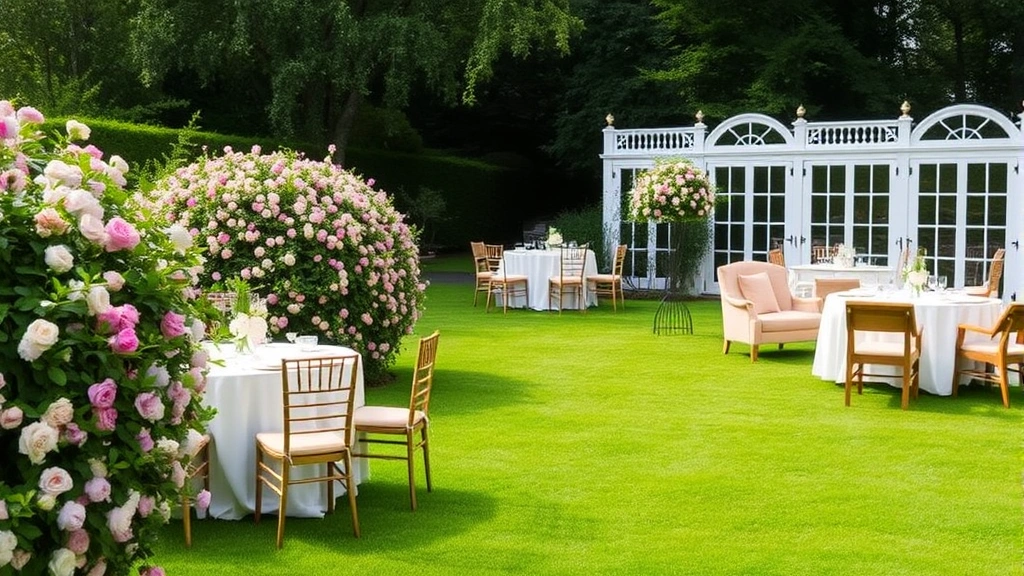
If you’re dreaming of a naturally beautiful backdrop without needing to spend hours on decoration, a botanical garden or public garden venue is magical. These spaces are inherently photogenic—your guests will be snapping pictures without you needing to do much styling.
Gardens offer a refreshing, airy feeling that works beautifully for spring and summer showers. The natural lighting is phenomenal for photos, and there’s something about being surrounded by blooming flowers that just feels celebratory. Many botanical centers have covered pavilions or indoor spaces for weather backup, which is essential peace of mind.
When booking a garden venue, clarify what’s included. Some centers provide tables, chairs, and basic setup, while others require you to rent everything separately. Ask about their policies on outside catering—some gardens require you to use their approved vendors, which can limit your options. Confirm accessibility for guests with mobility challenges and whether there are adequate restroom facilities.
Garden venues work wonderfully if you’re planning baby shower games ideas that involve outdoor activities or lawn games. The natural space gives you room to spread out in ways that indoor venues sometimes can’t match.
Event Halls and Banquet Spaces
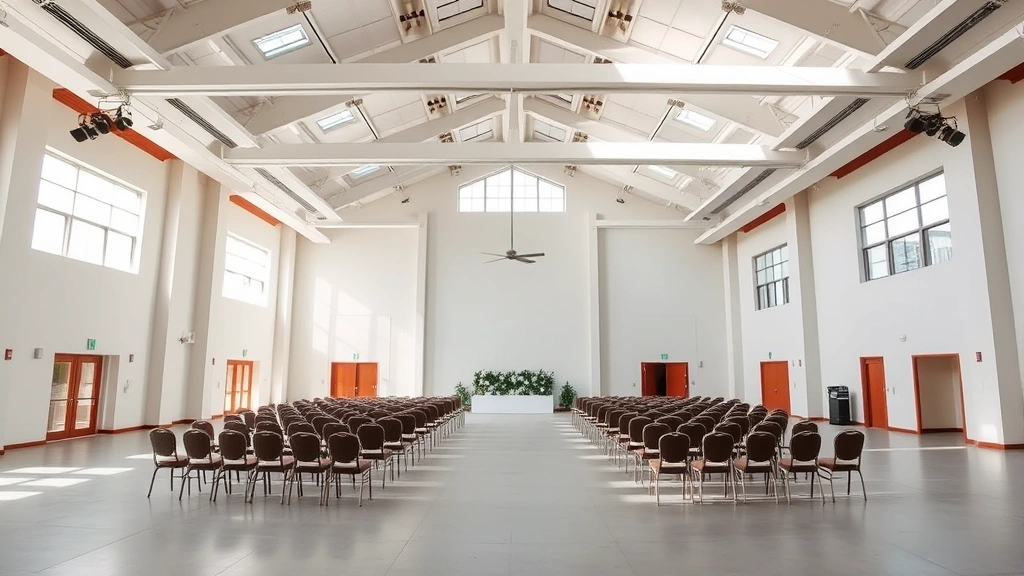
Dedicated event halls are the workhorses of the venue world. They’re designed specifically for gatherings, which means they have the infrastructure you need: ample parking, built-in sound systems, flexible layouts, and professional event coordinators on staff.
The advantage of event halls is predictability and control. You know exactly what you’re getting—the square footage, the lighting, the temperature control. Most have vendor lists with catering companies, florists, and photographers they’ve worked with successfully, which takes guesswork out of the equation.
Event halls range from ultra-modern and minimalist to ornate and traditional, so you can find one that matches your aesthetic vision. Many offer package deals that bundle venue rental with basic setup, tables, chairs, and linens, which can simplify budgeting.
The downside? They can feel a bit sterile without thoughtful decoration. This is where your baby shower decorations really need to shine to create warmth and personality. Also, event halls typically have strict time blocks—you pay for a specific number of hours, and overages can get expensive.
Country Clubs and Golf Courses
Country clubs and golf courses offer a sophisticated, upscale setting that feels special without being pretentious. These venues typically have beautiful manicured grounds, elegant clubhouses, and a sense of occasion built in.
The hospitality culture at country clubs is strong—their staff is trained to anticipate needs and handle details gracefully. They often have multiple room options, so you can choose an intimate space or something larger depending on your guest count. Many have outdoor terrace options that are stunning during pleasant weather.
Membership requirements vary by club, and some require you to be a member or be sponsored by a member to book. Costs can be higher than other venues, but you’re paying for ambiance, service quality, and often an all-inclusive experience. Ask whether they offer preferred catering or if you have flexibility with outside vendors.
Golf course venues are particularly wonderful if you want to incorporate baby shower games ideas that play to the setting—lawn games, putting contests, or outdoor activities that take advantage of the grounds.
Boutique Hotels
Boutique hotels are having a major moment as event venues, and for good reason. They combine the professionalism of hospitality with unique character and style that chain hotels often lack.
Many boutique hotels have charming event spaces, beautiful courtyards, or rooftop terraces that feel special and Instagram-worthy. They often have on-site catering, room packages for out-of-town guests, and a cohesive aesthetic that means you need less decoration to make the space feel polished.
What’s particularly appealing about boutique hotels is that they often feel more intimate than traditional event venues. The staff tends to be more flexible and creative, willing to work with your vision rather than defaulting to their standard setup. Plus, if guests are traveling from out of town, having hotel rooms available on-site is genuinely convenient.
Booking a boutique hotel also gives you options. You could host your shower, then have guests stay overnight and do a casual brunch the next morning. This transforms the baby shower into more of a weekend celebration, which feels extra special.
Bridal Shops and Boutiques
If you’re having a co-ed baby shower or want to incorporate baby shower dresses as part of the experience, some upscale bridal shops and boutiques offer event spaces. These are typically elegant, well-lit spaces designed to showcase beautiful things—which is perfect for a baby shower.
Boutique venues often have a curated, stylish aesthetic already built in. The lighting is usually excellent for photos, and there’s a sense of sophistication that requires minimal additional decoration. Many boutiques are located in charming shopping districts or historic buildings, which adds character.
These spaces are usually more intimate, working well for smaller gatherings of 20-50 people. Some boutiques require that you purchase items from them or use their recommended vendors, so clarify expectations upfront. The rental cost is often reasonable because the boutique sees it as a marketing opportunity to connect with potential customers.
Vineyards and Orchards
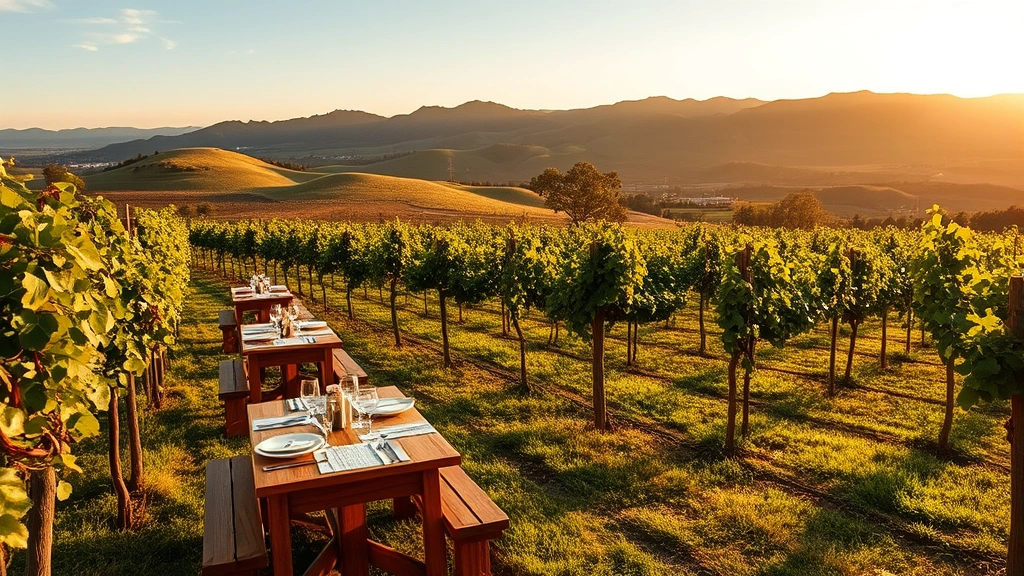
For a rustic-elegant or farm-to-table vibe, vineyards and orchards are absolutely stunning. These venues offer natural beauty, a sense of place, and an inherently celebratory atmosphere.
Vineyard showers feel luxurious and special. Most vineyards have event spaces, beautiful views, and often provide wine service (non-alcoholic options for the mom-to-be, of course). The natural landscape means you need less decoration to create impact. Orchards offer similar benefits with a slightly more casual, pastoral feel.
These venues typically work best during their growing season—spring through fall—when the landscape is at its most beautiful. Winter bookings are possible but may lack some of the visual magic that makes these spaces special. Ask about weather contingencies and whether they have indoor backup spaces.
Many vineyards and orchards require you to use their catering or approved vendors, which can limit flexibility but often ensures quality. They’re wonderful if you’re planning a food-focused shower with locally-sourced options.
Community Centers
Don’t overlook community centers. They’re often underrated as baby shower venues, but they offer real advantages: affordability, accessibility, and flexible spaces.
Community centers typically have multiple room configurations, making them adaptable to your guest count and layout preferences. The rental cost is usually very reasonable, which leaves more budget for catering, decorations, and other elements. Many are conveniently located and have ample parking, which matters when you’re inviting a larger group.
The main consideration is that community centers require more work from you in terms of setup and decoration. The spaces are often fairly neutral or institutional-looking, so you’ll need to bring personality through thoughtful design choices. However, this also means you have complete creative freedom—no restrictions on what you can do.
Community centers work particularly well if you’re planning interactive showers with lots of baby shower games ideas and activities. The flexible space allows you to set up different stations or activity areas.
Unique Alternative Spaces
Think beyond traditional venues. Museums, art galleries, libraries with event spaces, historic homes, and even warehouses converted into event spaces offer distinctive settings that make your shower memorable.
Alternative venues are perfect if you want a shower that truly reflects the mom-to-be’s personality and interests. A book lover could celebrate in a library. An art enthusiast might love a gallery opening. Someone adventurous could host in a unique urban loft or converted barn.
These spaces often come with built-in character, which means less decoration is needed to create visual interest. However, they may have fewer amenities than traditional venues, so you’ll need to think through logistics—catering options, restroom access, parking, temperature control, and setup requirements.
Alternative venues also tend to be more flexible about customization. You’re often working directly with the venue manager rather than following a standard event package, which means you can negotiate terms and create a truly custom experience.
How to Choose Your Baby Shower Venue
With so many options, how do you actually decide? Start by clarifying your non-negotiables. What matters most: budget, aesthetics, guest capacity, accessibility, or convenience?
Consider your guest count realistically. A venue that feels spacious with 30 people might feel cramped with 60. Conversely, a large venue can feel empty and echo-y if you’re only expecting 20 guests.
Think about your theme and vision. If you’re planning an elaborate themed shower with specific color schemes and decorative elements, you might prefer a neutral venue like an event hall that serves as a blank canvas. If you want minimal decoration stress, choose a naturally beautiful venue like a garden that does the heavy lifting for you.
Budget realistically. Know your total budget, then work backward. If you’re spending $2,000 total and your venue alone costs $1,200, that leaves $800 for everything else—catering, decorations, games, favors. Make sure the math works before committing.
Visit venues in person. Photos lie. A space that looks huge in pictures might feel cramped when you’re standing in it. Visit during a similar time of day as your planned shower to see how the lighting actually works.
Ask about hidden costs. Venue rental might be $500, but are there fees for setup, breakdown, parking, or outside catering? Do you need to rent tables, chairs, and linens separately? Clarify the complete cost picture before booking.
Confirm policies on outside vendors. If you want to use a specific caterer or have a favorite baker provide your baby shower food, confirm the venue allows it. Some venues require you to use their approved vendors or charge significant outside vendor fees.
Check accessibility thoroughly. Can all your guests easily access the venue? Are there steps, narrow doorways, or parking challenges? Is there an accessible bathroom? These details matter for elderly guests, guests with mobility challenges, or anyone with disabilities.
Understand the timeline and flexibility. How early can you arrive for setup? How late can you stay? Can you extend if the party is going well? Are there strict end times with penalty fees?
According to the Parents Magazine guide to baby shower planning, choosing a venue that aligns with the mom-to-be’s personality and lifestyle creates a more meaningful celebration. The best venue isn’t necessarily the fanciest—it’s the one that fits your vision and makes hosting manageable.
Frequently Asked Questions
What’s the average cost of renting a baby shower venue?
Venue rental costs vary dramatically based on location, season, and venue type. Home or backyard hosting is free. Community centers might cost $50-300. Restaurant private dining typically requires a per-person food minimum of $25-75. Event halls and dedicated venues range from $300-2,000+. Luxury venues like country clubs or boutique hotels can exceed $2,000. Your specific location and guest count heavily influence pricing—major cities cost more than rural areas, and larger groups require larger spaces.
How far in advance should I book a baby shower venue?
Ideally, book 2-3 months in advance for popular venues, especially if your shower falls during peak season (spring and early summer). For less common dates or smaller venues, 4-6 weeks might be sufficient. If you’re planning a shower for a specific holiday period or weekend, book earlier—these slots fill quickly. Always confirm the venue’s cancellation policy in case your plans change.
Can I decorate the venue however I want?
Policies vary. Home venues are completely flexible. Restaurants and event halls typically allow decorations but may have restrictions on what can be attached to walls or used on surfaces. Some venues charge a decoration fee or require you to use their preferred decorators. Always ask about decoration policies, prohibited items (like nails or adhesive), and whether the venue provides any basic setup. Review your contract carefully.
What if I’m worried about weather for an outdoor venue?
Always have a weather backup plan for outdoor venues. Ask whether the venue has a covered pavilion, tent, or indoor space you can shift to. Confirm whether weather-related cancellations are covered under their policy. Many venues allow you to rent a tent as backup, though this adds cost. Check the weather forecast a few days before and have a communication plan for guests if you need to change locations or timing.
Is it better to have a shower at a venue with catering included or bring in outside caterers?
Included catering simplifies logistics and is often more cost-effective, especially for larger groups. Outside caterers offer more flexibility and personalization but require more coordination and may incur additional fees. Consider your comfort level with vendor management, your budget, and whether you have specific catering needs or preferences. If the venue’s included catering doesn’t match your vision, the flexibility of outside caterers might be worth the extra effort.
How many guests can different venue types typically accommodate?
Home showers: 15-40 guests. Boutique shops: 20-60 guests. Restaurant private dining: 15-100+ guests. Community centers: 30-150+ guests. Event halls: 50-500+ guests. Gardens/outdoor spaces: 25-200+ guests. Country clubs: 50-300+ guests. Boutique hotels: 30-500+ guests. Your specific guest count should match the venue’s comfortable capacity—oversized venues feel empty, undersized venues feel cramped.
What questions should I ask when touring a potential venue?
Ask about the rental cost, what’s included, capacity, available dates, setup and breakdown times, parking, restroom facilities, kitchen access (if needed), outside vendor policies, decoration restrictions, weather contingencies, cancellation policies, and whether the venue provides tables, chairs, linens, and basic setup. Ask to see photos of the space set up for events (not just empty). Request references from recent clients if possible.