What Is a Baby Three Blind Box? Discover the Trend Taking Over Nurseries
If you’ve scrolled through parenting forums or walked down the toy aisle recently, you’ve probably encountered the phrase “blind box” at least once. But what exactly is a baby three blind box, and why are parents everywhere suddenly obsessed with them? Whether you’re a seasoned collector or completely new to the concept, this guide will walk you through everything you need to know about this surprisingly addictive trend.
The blind box phenomenon isn’t just for adults anymore. What started as a niche collectible market has evolved into a family-friendly activity that parents and babies enjoy together. These mystery boxes tap into our natural curiosity and the thrill of the unexpected—a feeling that transcends age. For parents looking for engaging, interactive gifts that spark joy and wonder, baby three blind boxes offer something genuinely different from the standard plastic toys cluttering your living room.
But before you dive headfirst into collecting, it’s worth understanding what these boxes actually are, how they work, and whether they’re the right fit for your family’s lifestyle and values.
What Are Baby Three Blind Boxes?
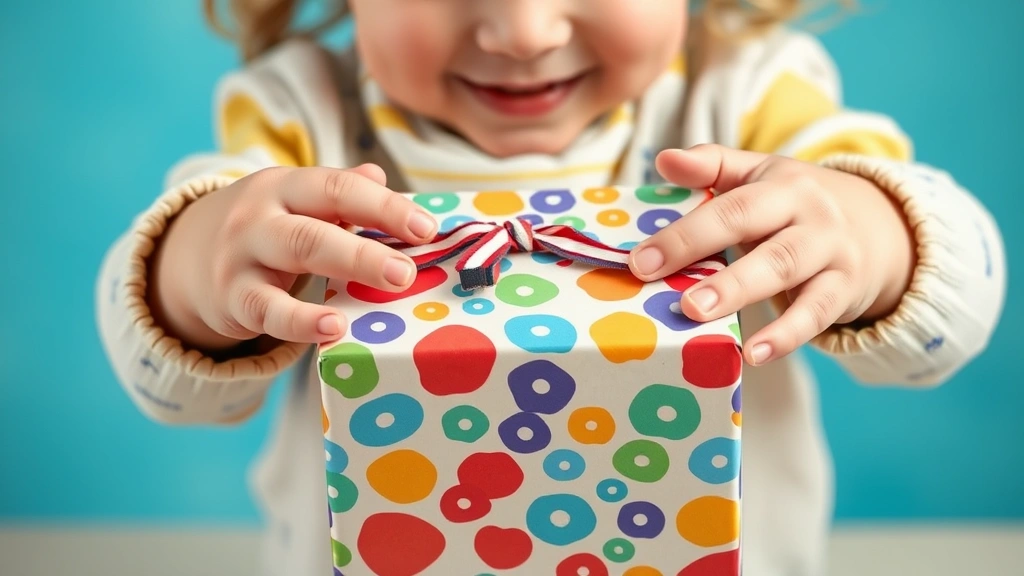
A baby three blind box is a sealed, mystery package containing a small figurine or collectible toy. The “blind” part means you don’t know which specific character or design you’re getting until you open it. It’s essentially a surprise gift wrapped in anticipation and sealed in cardboard. The “three” typically refers to either a series number, a collection tier, or a set of three items bundled together—though this varies depending on the brand and product line.
These boxes originated in Asia, particularly in Japan and China, where collectible culture runs deep. The concept has since exploded globally, with brands like Pop Mart, Sonny Angel, and others creating entire ecosystems of characters and designs. Each collection usually features multiple characters with varying rarity levels, creating a collecting game where enthusiasts hunt for specific figures or complete entire sets.
What makes them different from traditional toys is the element of surprise combined with the collectibility factor. Parents aren’t just buying a toy; they’re participating in a mini treasure hunt. Some boxes contain common figures, while others hide rare or special edition variants worth significantly more to collectors.
How Do They Blind Boxes Actually Work?
The mechanics are straightforward but cleverly designed. When you purchase a blind box, you receive a sealed package with no indication of which character inside. Some boxes have subtle weight differences or sound cues that collectors use to guess contents, but officially, it’s purely random. You open the box, discover your figure, and either celebrate landing the character you wanted or add it to your collection for trading.
Most blind box collections include a range of characters—typically between 8 and 12 different designs per series. Some figures appear more frequently (common), while others are intentionally rarer (chase figures or secret variants). This rarity system keeps collectors engaged because completing a full set requires either lucky draws or strategic trading with other collectors.
The experience is genuinely interactive. Your baby or toddler gets to participate in the unboxing, touching the packaging, hearing the reveal, and discovering the surprise. It’s tactile, exciting, and creates a moment of shared joy—something that scrolling through endless toy options online simply doesn’t replicate.
Why Has This Trend Exploded Among Parents?
The popularity isn’t accidental. There are several psychological and practical reasons why parents gravitate toward blind boxes. First, there’s the genuine element of surprise in an age of algorithmic predictability. Everything else in parenting feels planned and scheduled—feeding times, nap times, developmental milestones. A blind box introduces controlled spontaneity.
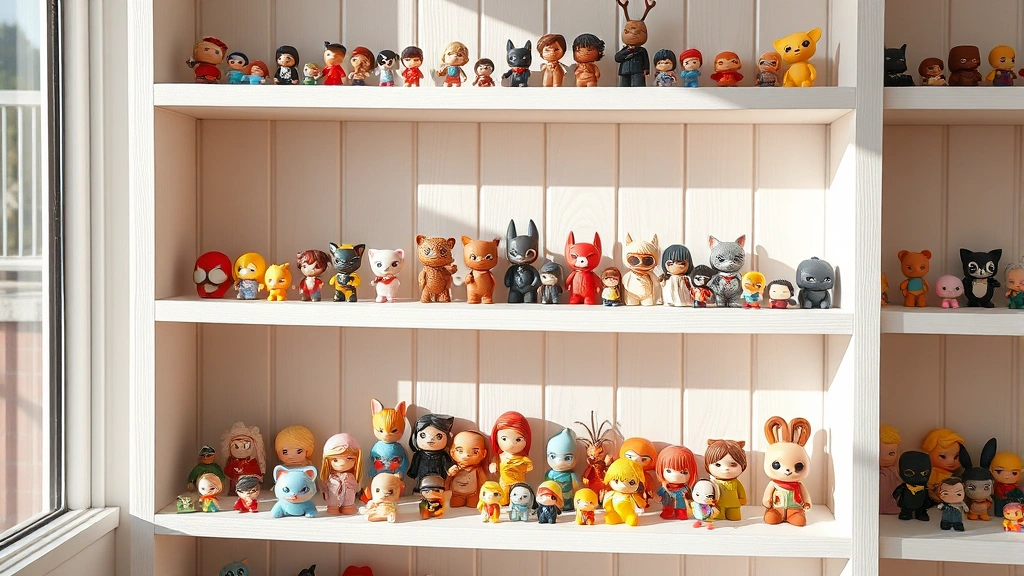
Second, these collectibles often feature genuinely cute, well-designed characters. Unlike mass-produced plastic toys, many blind box figures are aesthetically pleasing to adults too. Parents don’t mind displaying them on shelves, which means these toys become part of your home décor rather than eyesores you hide away.
Third, they’re excellent baby gifts for people who already have everything. They’re affordable, exciting, and create an element of discovery. Whether you’re shopping for a first birthday or a baby shower, blind boxes hit differently than another stuffed animal or rattle.
There’s also a community aspect. Parents join collecting groups, trade duplicates, and share unboxing videos. It transforms a simple purchase into a social activity, which appeals to parents seeking connection beyond the typical parenting circles.
Additionally, baby toys in this category often encourage imaginative play. The characters typically have backstories, colors, and designs that spark creativity. Your toddler isn’t just playing with a generic toy; they’re engaging with a character that has personality and context.
Safety and Age Appropriateness Concerns
Before purchasing blind boxes for your little one, safety is paramount. Most blind box figures contain small parts, making them unsuitable for babies under three years old due to choking hazard risks. Always check the manufacturer’s recommended age range before buying.
The figures themselves are typically made from vinyl or plastic, which are generally safe when produced by reputable manufacturers. However, sourcing matters. Counterfeit blind boxes exist, and these knockoffs may contain harmful materials or poor quality construction. Purchase from authorized retailers and established sellers to ensure authenticity and safety standards compliance.
According to the Consumer Product Safety Commission, always inspect figurines for loose parts, sharp edges, or paint issues before giving them to your child. Some collectors recommend hand-washing newly purchased boxes as an extra precaution.
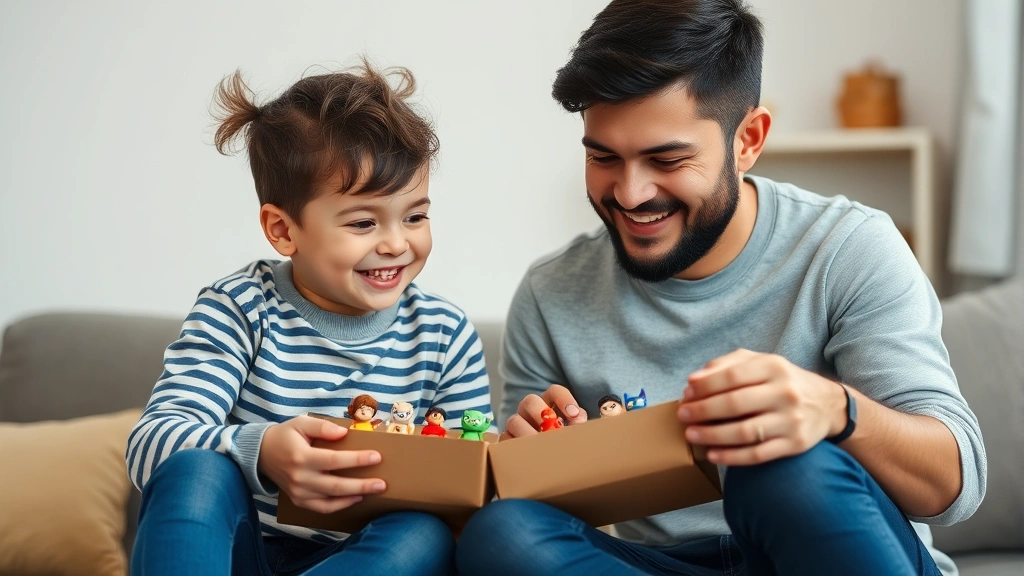
For younger babies, blind boxes work better as parental collectibles rather than direct toys. Your child can observe and enjoy them from a distance, but they’re not developmentally appropriate for mouthing or unsupervised play. For toddlers and older children (three years and up), they become more suitable, though supervision remains important.
The addictive nature of collecting also warrants consideration. Some children (and adults!) can become obsessive about completing sets or obtaining rare figures. Setting clear boundaries around spending and frequency of purchases prevents the fun from becoming compulsive or financially stressful.
Smart Tips for Collecting Blind Boxes with Your Family
If you’ve decided blind boxes are right for your family, approach collecting strategically. Start by researching which brands align with your values and budget. Pop Mart is the industry leader, but other quality options exist at various price points. Read reviews from other collectors to understand rarity rates and authentic sourcing.
Set a realistic budget before you start. Blind boxes typically range from $10 to $20 per box, but special editions can cost significantly more. Decide whether you’re collecting casually or seriously, and let that guide your spending. Many parents allocate a monthly “fun budget” specifically for blind boxes, treating it like any other discretionary expense.
Join collecting communities online. Platforms like Reddit, Facebook groups, and dedicated forums connect you with other enthusiasts who trade duplicates, share unboxing experiences, and provide collecting tips. These communities are generally welcoming and knowledgeable, especially to newcomers.
Consider purchasing baby boy gifts and baby girl gifts from blind box collections when you want something unique and memorable. They work particularly well as baby shower gift ideas because they’re conversation starters and genuinely thoughtful without being generic.
Store your collection properly. Display boxes protect figures from dust, fading, and damage. Many collectors invest in shelving specifically designed for displaying blind box collections, turning their hobby into attractive home décor.
Don’t feel pressured to complete entire sets immediately. Collecting should be enjoyable, not stressful. Some people find the hunt more satisfying than the completion. Embrace the journey rather than fixating solely on the destination.
Making Blind Box Collecting Budget-Friendly
Loving blind boxes doesn’t require unlimited spending. Here are practical strategies for enjoying the trend without financial strain. First, set a monthly cap. Decide you’ll purchase only two boxes per month, or one every other week. This containment prevents impulse buying and makes each purchase feel special.
Buy strategically during sales. Retailers often discount blind boxes during holiday seasons or clearance events. Following official brand social media accounts alerts you to upcoming promotions and limited releases.
Trade with other collectors. Instead of buying every figure to complete a set, connect with other enthusiasts who have duplicates you want. Trading is free, fun, and builds community. Many collectors find the trading experience as enjoyable as the initial purchase.
Purchase blind box bundles or multi-packs occasionally. While individual boxes cost more per unit, buying sets of three or five sometimes offers slight discounts compared to individual purchases.
Consider secondary markets cautiously. While resale platforms exist, prices for rare figures can inflate significantly. If you’re budget-conscious, stick to primary retail sources and community trading rather than chasing expensive rare variants.
Remember that blind boxes work best as occasional treats rather than weekly purchases. The anticipation builds when they’re not routine. Spacing out purchases maintains the excitement and keeps the hobby sustainable financially and psychologically.
Frequently Asked Questions
Are blind boxes safe for babies?
Blind boxes contain small figurines unsuitable for babies under three years old due to choking hazards. They’re better suited for toddlers and older children (three years and up) or as collectibles for parents to enjoy. Always supervise young children with small toys and choose authentic products from reputable manufacturers. Check the American Academy of Pediatrics guidelines for age-appropriate toy safety.
What’s the difference between common and rare blind box figures?
Most blind box collections include figures at different rarity levels. Common figures appear frequently in production runs, while rare or “chase” figures are intentionally produced in smaller quantities. Secret variants are hidden figures not listed on the official checklist. Rarity affects both collectibility and resale value, with rare figures commanding higher prices among collectors.
Where should I buy authentic blind boxes?
Purchase from authorized retailers, official brand websites, and established toy retailers. Avoid suspicious third-party sellers or unusually cheap options, as counterfeits exist. Check seller ratings and reviews before purchasing. Reputable sources include Pop Mart official stores, major toy retailers, and established online marketplaces with buyer protection.
Can blind boxes help with child development?
Blind boxes can support development in several ways. The unboxing experience engages sensory skills and fine motor control. The characters often inspire imaginative play and storytelling. Collecting teaches organizational skills, decision-making, and patience. However, they’re supplementary to comprehensive play experiences—not replacements for traditional toys or outdoor activities.
How do I know if my child is becoming obsessive about collecting?
Watch for signs like constant requests for new boxes, distress when unable to purchase, neglecting other activities, or difficulty accepting duplicates. If collecting becomes compulsive rather than enjoyable, have conversations about boundaries and redirect focus to other interests. Frame collecting as an occasional treat rather than a constant need. Consider consulting parenting resources or professionals if obsessive behaviors persist.
Are there educational benefits to blind boxes?
Yes, several potential benefits exist. Collecting teaches probability and statistics (understanding rarity rates). Trading develops negotiation and social skills. Organizing collections builds classification and organizational thinking. Following collecting communities online exposes children to reading and research skills. However, these benefits work best when parents engage actively rather than allowing passive consumption.
What’s the best age to introduce blind boxes?
For direct play, three years old is the minimum safe age due to choking hazard concerns. From three to five years, children can enjoy opening boxes with supervision and playing with figures. From six years onward, children can participate in collecting more independently. That said, parents can enjoy blind boxes as collectibles at any point, sharing the experience with their children appropriately.