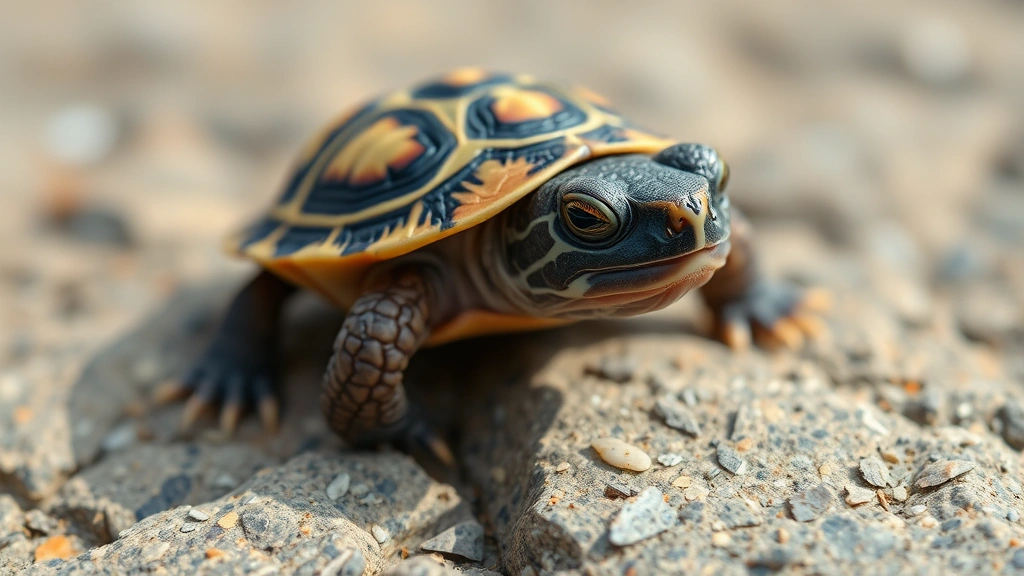
Where to Buy Baby Turtles: Trusted Sources for Your New Shelled Friend
Thinking about bringing a baby turtle into your home? It’s an exciting decision that comes with real responsibility. Unlike impulse purchases at big-box pet stores, finding a healthy, ethically-sourced turtle requires knowing where to look and what questions to ask. Whether you’re drawn to the charm of a tiny hatchling or the long-term commitment of turtle ownership, this guide walks you through legitimate sources and red flags to avoid.
Turtles aren’t low-maintenance pets, despite what popular culture suggests. They require specific habitats, temperature control, proper nutrition, and can live 20-40+ years depending on the species. Before you search for “baby turtles for sale,” make sure you’re prepared for the journey ahead. The good news? There are plenty of reputable places to find healthy, well-cared-for baby turtles when you know where to look.
Reputable Private Breeders
Private breeders who specialize in turtles often provide the healthiest and most ethically-sourced hatchlings. These aren’t casual hobbyists—they’re dedicated enthusiasts who understand genetics, proper incubation, and care protocols. A legitimate breeder will:
- Provide detailed health records and lineage information
- Allow you to ask extensive questions about care requirements
- Offer support after purchase, not just a transaction
- Keep their turtles in clean, temperature-controlled environments
- Be transparent about their breeding practices and motivations
- Never pressure you into buying immediately
Finding quality breeders requires some detective work. Start by connecting with local herpetological societies or checking if your area has a reptile club. These organizations maintain networks of trusted breeders and can vouch for their practices. You can also search online forums dedicated to turtle keeping—these communities are surprisingly helpful and will call out sketchy sellers quickly.
When you contact a breeder, expect them to ask you questions about your setup, experience level, and long-term plans. If they’re more interested in your money than your turtle’s welfare, that’s a warning sign. Reputable breeders typically charge between $50-$300 depending on species rarity and health status, though some specialty breeds cost more.
Specialty Reptile Pet Stores
Unlike chain pet stores that stock everything from hamsters to houseplants, specialty reptile shops focus exclusively on scaled, shelled, and cold-blooded friends. This specialization matters tremendously. Staff members at these stores actually understand turtle care, not just how to scan items at a register.
Quality specialty shops will:
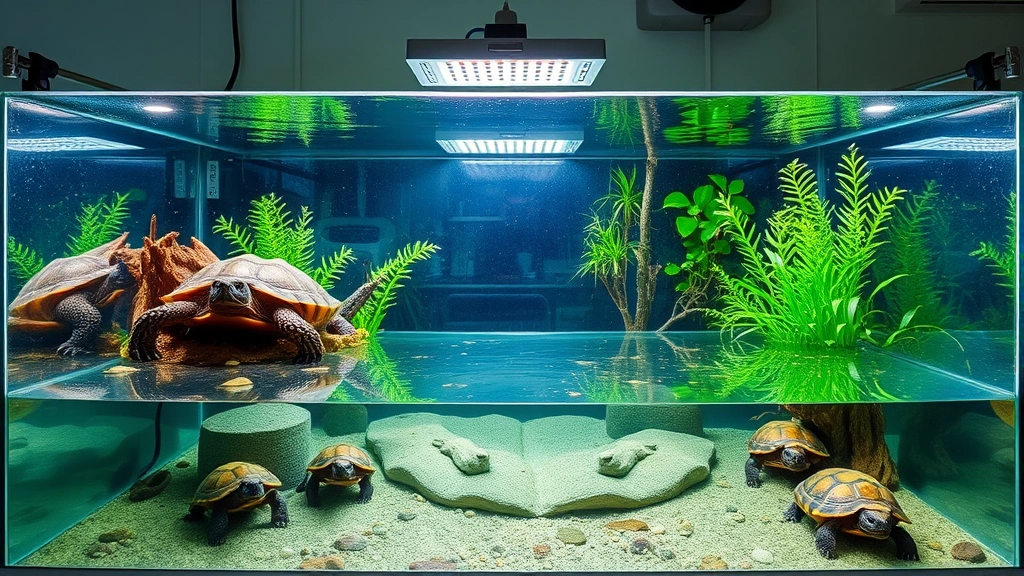
- House turtles in appropriate enclosures with proper heating and lighting
- Employ knowledgeable staff who can discuss specific care needs
- Source animals from reputable breeders, not wholesale operations
- Provide written care guides and species-specific information
- Stand behind their animals with health guarantees
- Maintain clean facilities free from visible disease or injury
When visiting a specialty store, observe the conditions carefully. Healthy baby turtles should be alert, responsive, and have clean shells without soft spots or discoloration. The water should be clean and clear, not murky. Ask the staff about the turtle’s origin—where it was bred, how long they’ve had it, and what it’s been eating. If staff members seem annoyed by questions or can’t answer basics about care, keep shopping.
Online Marketplaces and Reptile Communities
The internet connects you with breeders and sellers worldwide, but this convenience comes with increased risk. Online purchasing means you can’t inspect the animal before buying, and shipping adds stress to young turtles. Still, legitimate online sources exist if you’re careful.
Reputable online options include:
- Dedicated reptile websites—Established online retailers with physical addresses, customer reviews, and clear return policies
- Breeder personal websites—Individual breeders who maintain professional sites with detailed information and photos
- Facebook groups and forums—Communities like Turtle and Tortoise Keepers groups where members buy, sell, and recommend each other
- Morphmarket—A specialized reptile marketplace with seller ratings and buyer protection
If buying online, insist on:
- Clear photos from multiple angles showing the turtle’s health and condition
- Detailed description of age, size, and feeding habits
- Health guarantee and return policy
- Proper shipping methods that minimize stress (usually overnight or 2-day shipping with heat packs)
- References from previous customers
Never buy from sellers without reviews, clear contact information, or those pressuring you to pay via untraceable methods like gift cards or cryptocurrency.
Rescue Organizations and Adoption
Here’s something most people don’t realize: thousands of turtles end up in rescues every year because owners didn’t understand the commitment. Adopting a turtle from a rescue organization is ethical, often cheaper, and incredibly rewarding. These turtles need homes, and many are already past the fragile hatchling stage.
Turtle-specific rescues exist in many regions. Search online for “turtle rescue near me” or check if your area has general exotic animal rescues that handle reptiles. Organizations like the Turtle Rescue League or local wildlife rehabilitation centers often have turtles available for adoption.
Adoption benefits include:
- Lower cost (often $20-$100 versus $100+ for baby turtles for sale through breeders)
- Health evaluations and vaccinations often already completed
- Older turtles may be past the most fragile life stage
- Support from rescue staff who understand the animal’s history
- Peace of mind knowing you’ve saved a life
If you’re interested in a specific species like a baby snapping turtle, rescues sometimes have them available. The advantage is that rescue staff can tell you about the individual turtle’s personality and needs.

Red Flags and What to Avoid
Unfortunately, the pet trade includes many unethical operations. Learning to spot red flags protects both your wallet and your future pet’s health. Avoid purchasing from:
- Mass-market chain stores—Big box retailers prioritize volume over animal welfare. Their turtles often come from large-scale breeding operations with minimal quality control
- Street vendors and flea markets—These operators have zero accountability and frequently sell sick animals
- Sellers with no traceable history—If you can’t find reviews, references, or a physical location, it’s risky
- Suspiciously cheap prices—If a turtle costs $15 when others charge $100+, there’s usually a reason (disease, poor genetics, unethical practices)
- Sellers who won’t answer questions—Legitimate sellers want to ensure you’re a good match for the turtle
- Operations with visible health issues—Cloudy eyes, shell rot, lethargy, or abnormal behavior indicates poor care
- Anyone offering wild-caught turtles—Many species are protected, and wild-caught animals carry parasites and stress
Be especially cautious with sellers who:
- Pressure you into immediate purchase
- Won’t provide health records or origin information
- Offer no guarantee or return policy
- Use vague descriptions or stock photos
- Won’t let you speak with previous customers
Popular Baby Turtle Species and Where to Find Them
Different species have different availability and price points. Understanding what’s realistic to find helps you shop smarter.
Red-Eared Slider Turtles are the most common and widely available. You’ll find them at specialty stores, from breeders, and occasionally in rescues. They’re relatively affordable ($30-$80) and hardy, making them good for first-time turtle owners. However, they grow large and live 20-40 years, so don’t let the “baby” stage fool you.
Box Turtles are popular but increasingly difficult to find legally. Many species are protected, and wild collection is restricted or banned. If you want a box turtle, work with established breeders or rescues—not random online sellers.
Map Turtles are beautiful and available from specialty breeders. They’re more expensive ($100-$200+) and require precise care, so they’re better for experienced turtle keepers.
If you’re considering baby snapping turtle ownership, know that many states restrict or prohibit keeping them. Check your local regulations first. When legal, snapping turtles are available from specialized breeders but rarely from standard pet stores.
Other popular species include painted turtles, diamondback terrapins, and wood turtles. Each has different availability and care requirements. Research your desired species thoroughly before shopping—this narrows your legitimate source options considerably.
Preparing Before You Buy
The worst time to learn about turtle care is after you’ve brought one home. Proper preparation ensures you’re ready and that your new turtle has the best chance of thriving.
Set up the habitat first. Baby turtles need:
- Appropriate tank size (not a small bowl—they need room to grow)
- Basking area with a heat lamp maintaining 85-90°F
- UVB lighting (essential for shell and bone health)
- Clean, dechlorinated water at proper temperature
- Hiding spots and enrichment
- Filtration system to keep water clean
Research feeding requirements. Different species eat different diets. Some are omnivorous, others primarily herbivorous or carnivorous. Baby turtles often need more protein than adults. Ensure you can source appropriate food—live insects, vegetables, or specialized turtle pellets depending on species.
Find a veterinarian experienced with reptiles. Regular turtles require veterinary care just like any pet. Having a vet identified before you need one is crucial. Ask specialty pet stores for recommendations or search for exotic animal veterinarians in your area.
Understand local regulations. Some species are protected, and certain areas restrict turtle ownership. Check your state and local wildlife regulations before purchasing. You don’t want to fall in love with a turtle you’ll legally have to surrender.
Budget for the long term. Initial setup costs $300-$800. Annual maintenance runs $200-$400. Veterinary emergencies can cost $500+. Over a 30-year lifespan, turtle ownership is a significant financial commitment.
Consider exploring baby pets more broadly before settling on a turtle. While turtles are rewarding, they’re not ideal for everyone. Some families find that baby bearded dragon ownership or other baby animals better suit their lifestyle and capabilities.
Frequently Asked Questions
Is it legal to buy baby turtles online and have them shipped?
In the United States, it’s legal to ship most turtle species, though some states restrict certain species. Check your state’s wildlife regulations first. The seller should be familiar with shipping laws and pack the turtle safely with heat packs to minimize stress. Federal law prohibits shipping hatchling turtles under 4 inches, so any legitimate seller won’t offer tiny hatchlings for shipping.
How can I tell if a baby turtle is healthy before buying?
Healthy baby turtles are alert and responsive. Check for: clear, bright eyes; smooth, unblemished shell with no soft spots; clean vent; appropriate weight for size; and normal swimming behavior. Ask the seller about the turtle’s feeding habits and request to watch it eat if possible. Avoid turtles with cloudy eyes, shell discoloration, wheezing sounds, or lethargy.
What’s the difference between wild-caught and captive-bred turtles?
Wild-caught turtles are taken directly from nature and typically carry parasites, stress, and disease. They’re often illegal to collect in many regions. Captive-bred turtles are healthier, legal, and better for conservation. Always buy captive-bred turtles from responsible sources.
How much should I expect to pay for a baby turtle?
Prices vary by species. Common species like red-eared sliders run $30-$100. Rarer or specialty species cost $150-$500+. Rescued turtles are often $20-$100. Be wary of prices that seem too good to be true—they usually indicate poor breeding practices or health issues.
Can I return a turtle if it gets sick?
Reputable sellers and breeders offer health guarantees, typically 14-30 days. This covers obvious illness present at purchase. However, illness developing after that period is usually your responsibility. This is why proper care setup and feeding are critical. Ask about the seller’s return policy before purchasing.
Should I buy a baby turtle or an adult?
Baby turtles are adorable but fragile and require more precise care. Adults are hardier and past the most critical life stage. If you’re new to turtle keeping, an adult from a rescue might be smarter than a baby. If you specifically want the baby experience, ensure your setup is perfect and your knowledge is solid.
What should I ask a breeder before buying?
Ask about: the turtle’s age and size; genetic lineage and health history; feeding habits and current diet; any health issues or treatments; incubation and rearing practices; care requirements and recommendations; health guarantee and return policy; and references from previous customers. A good breeder will have detailed answers and ask you questions too.