Delicious Baby Broccoli Recipes: A Complete Guide
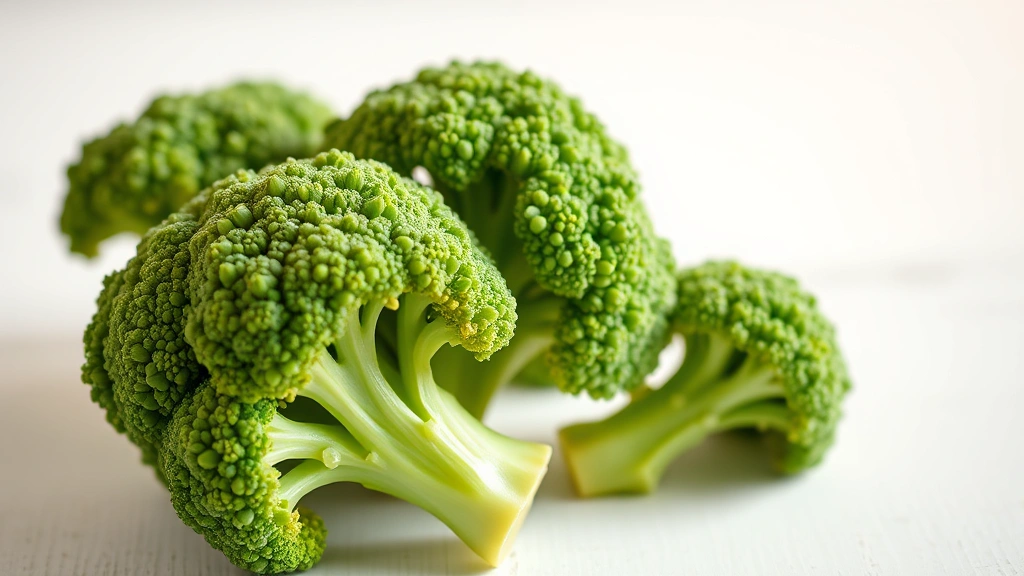
If you’re navigating the exciting world of introducing vegetables to your little one, baby broccoli might just become your new best friend. These tender, miniature florets are packed with nutrients, naturally sweet, and surprisingly versatile in the kitchen. Unlike their larger cousins, baby broccoli has a milder flavor and softer texture that makes it perfect for tiny taste buds learning to love their greens.
Getting your baby excited about vegetables early sets the foundation for healthy eating habits that can last a lifetime. The beauty of baby broccoli is that it’s not intimidating—it’s manageable in size, gentle in flavor, and genuinely delicious when prepared thoughtfully. Whether you’re starting solids at six months or expanding your toddler’s palate, these recipes offer practical solutions that actually work in real kitchens with real busy parents.
This guide walks you through everything from preparation basics to creative recipe ideas that your whole family will enjoy. You’ll discover that feeding your baby nutritious food doesn’t require complicated techniques or exotic ingredients.
When to Introduce Baby Broccoli
Baby broccoli can typically be introduced around six months of age when your little one shows signs of readiness for solid foods. Look for the classic markers: sitting up with minimal support, showing interest in food by watching others eat, and the ability to move food from the front to the back of their mouth. Every baby develops at their own pace, so consult with your pediatrician before starting solids.
The nutritional profile of baby broccoli makes it an excellent early vegetable choice. It’s rich in vitamin C, vitamin K, folate, and fiber—nutrients that support healthy growth and development. Starting with vegetables rather than fruits helps establish a preference for savory flavors before introducing sweeter tastes. According to the American Academy of Pediatrics, introducing a variety of vegetables early can reduce picky eating later on.
If broccoli runs in your family’s allergy history, introduce it slowly and watch for any reactions over the next few days. Most babies tolerate broccoli beautifully, but it’s always wise to introduce one new food at a time and wait several days before adding another.
Preparation and Safety Basics
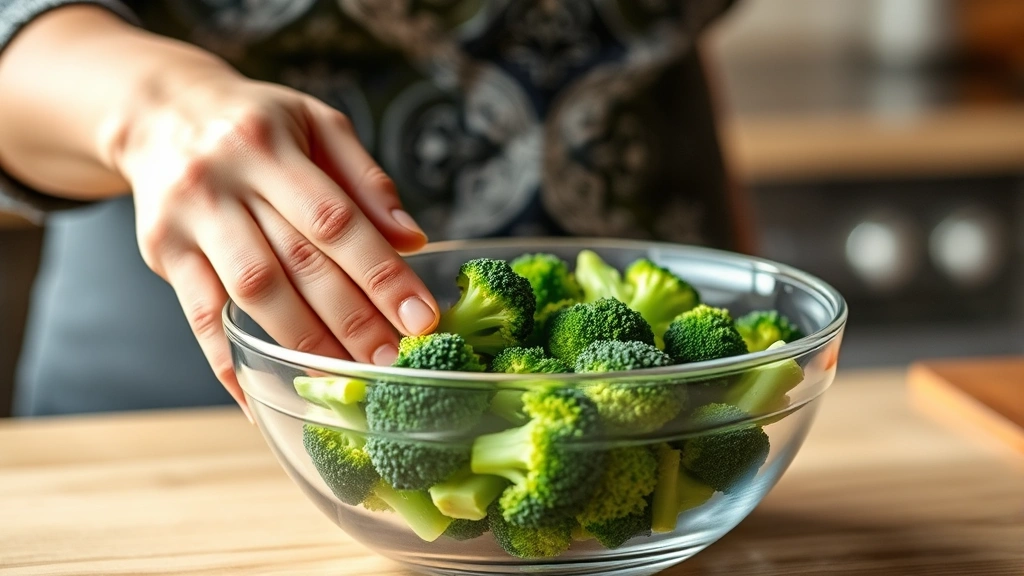
Proper preparation ensures your baby gets the most nutrition while staying completely safe. Start by selecting fresh baby broccoli with tight, vibrant green florets and no yellowing or wilting. Rinse thoroughly under running water, gently rubbing the florets to remove any dirt or debris.
For babies just starting solids, steam baby broccoli until it’s very soft—typically five to seven minutes. This cooking method preserves more nutrients compared to boiling. You can use a steamer basket, microwave steamer, or even a colander placed over a pot of simmering water. The florets should be so tender they easily break apart with gentle pressure.
Once cooked, you have several texture options depending on your baby’s age and development stage. A food processor or baby food maker creates smooth purees for younger babies, while slightly older babies might enjoy a chunkier mash. Always ensure pieces are appropriately sized for your baby’s age and chewing ability to prevent choking hazards.
The stems of baby broccoli are absolutely edible and nutritious—don’t discard them. Peel away any tough outer layer and use the tender interior. These stems are actually sweeter than the florets and many babies prefer them. Cut stems into appropriate sizes for your baby’s age group.
Temperature matters too. Never serve baby broccoli directly from the refrigerator. Let it cool to room temperature or warm it gently before serving. Test the temperature on your inner wrist to ensure it’s comfortable for your baby.
Simple Baby Broccoli Recipes
Classic Steamed and Pureed Baby Broccoli
This foundational recipe is perfect for introducing baby broccoli to your little one. Steam eight ounces of baby broccoli until very tender, approximately six minutes. Transfer to a food processor or blender with two to three tablespoons of the steaming water or breast milk. Blend until completely smooth, adding more liquid as needed to reach your desired consistency. For younger babies, aim for a silky texture; for older babies, keep it slightly thicker.
Baby Broccoli with Sweet Potato
Combine the nutrition of two powerhouse vegetables in one recipe. Steam four ounces of baby broccoli and four ounces of peeled, diced sweet potato together until both are tender. Blend together with a splash of the cooking water until smooth. The natural sweetness of the sweet potato complements broccoli beautifully and introduces your baby to flavor combinations early on.
Mild Cheese and Broccoli Blend
For babies around eight months and older, try this gentle introduction to cheese. Steam six ounces of baby broccoli until very soft. Blend with two tablespoons of unsalted, mild cheese like ricotta or finely grated cheddar, along with two tablespoons of breast milk or formula. The cheese adds creaminess and a subtle flavor boost without overwhelming tiny taste buds.
Combination Meals and Flavor Pairings
Once your baby tolerates baby broccoli well on its own, creative combinations keep mealtimes interesting and expand their developing palate. Baby broccoli pairs wonderfully with mild proteins and grains, making it a natural addition to balanced meals.
Broccoli and Chicken Medley
Steam baby broccoli alongside boneless, skinless chicken breast until both are completely tender. Shred the chicken finely and blend with the broccoli, adding a small amount of low-sodium chicken broth. This combination provides protein and iron alongside the broccoli’s vitamins, creating a nutritionally complete meal.
Creamy Broccoli and Pasta
Cook small pasta shapes until very soft, then combine with steamed baby broccoli. Blend together with a small amount of unsalted butter and a splash of breast milk or formula to create a creamy consistency. This introduces your baby to pasta while maintaining vegetable nutrition. You can also explore creative grain-based dishes that pair beautifully with vegetables.
Broccoli and Rice Cereal Combination
Mix pureed baby broccoli into baby rice cereal for a savory option that changes up typical breakfast routines. Use a one-to-one ratio of puree to cereal, adjusting consistency with breast milk or formula. This introduces your baby to savory breakfast options and demonstrates that vegetables work throughout the day.
Consider pairing baby broccoli with foods you already know your baby enjoys. If they love baby oatmeal, try blending a small amount of broccoli puree into their regular serving. If they’re enjoying air fryer baby potatoes, combine them with broccoli for a vegetable-rich meal.
The 6 to 12 months baby food chart provides guidance on appropriate food combinations and portion sizes as your baby grows. Refer to it when planning weekly menus and introducing new flavor combinations.
Storage and Make-Ahead Tips
Preparing baby broccoli in batches saves time during busy weeks and ensures you always have nutritious food available. Steam a larger batch of baby broccoli, puree it to your desired consistency, and divide into portions for storage.
Refrigerator Storage
Pureed baby broccoli keeps in an airtight glass container for up to three days in the refrigerator. Always use clean containers and store promptly after preparation. Label containers with the date prepared to track freshness easily.
Freezer Storage
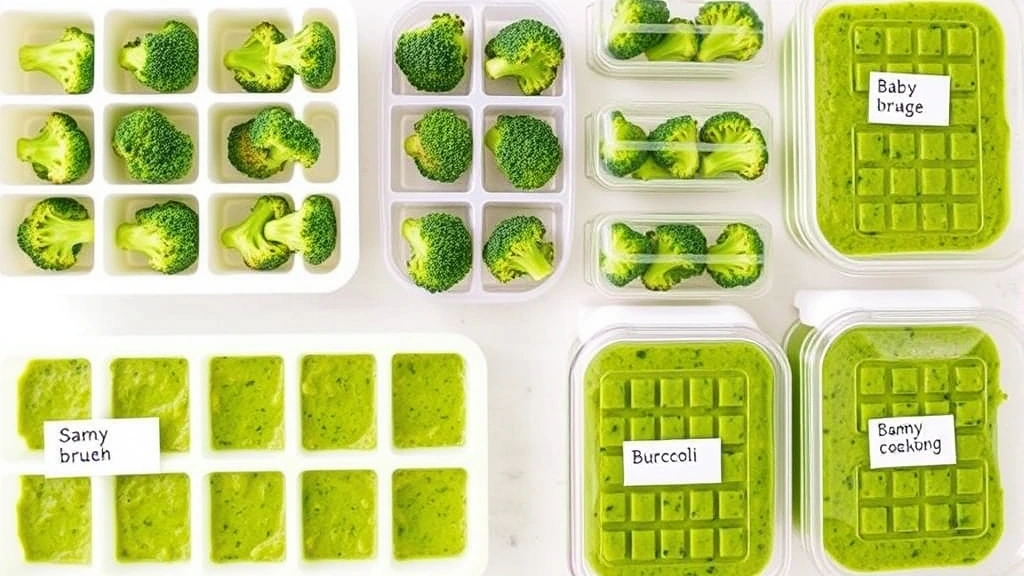
For longer storage, freeze pureed baby broccoli in ice cube trays. Once frozen solid, pop cubes into labeled freezer bags for up to three months. This method gives you perfect portion control—each cube typically equals about one ounce. Simply thaw a cube or two in the refrigerator overnight or warm gently before serving.
Silicone freezer trays designed specifically for baby food make this process even easier. They pop out cleanly and stack efficiently in your freezer. Many parents prepare several batches on weekend afternoons, creating a month’s worth of vegetables ready to go.
Thawing Guidelines
Always thaw frozen baby broccoli in the refrigerator overnight rather than at room temperature to prevent bacterial growth. In a pinch, you can place a sealed container of frozen puree in warm water for fifteen to twenty minutes. Never use a microwave to thaw, as it creates hot spots that can burn your baby’s mouth.
Troubleshooting Common Challenges
My Baby Refuses Baby Broccoli
Rejection is completely normal and doesn’t mean your baby dislikes broccoli permanently. Babies often need exposure to a new food ten to fifteen times before accepting it. Try mixing a tiny amount of broccoli puree into foods you know they enjoy. Offer it again in a few weeks without pressure. Sometimes texture preferences change—if they rejected smooth puree, try a chunkier consistency or cooked florets they can self-feed.
Gas and Digestive Upset
Broccoli contains compounds that can cause gas in some babies. Start with very small amounts and gradually increase portions. Ensure the broccoli is cooked until very soft, as this aids digestion. If digestive upset persists, discuss it with your pediatrician. Some babies simply need more time before their digestive systems can handle cruciferous vegetables comfortably.
Constipation Concerns
While broccoli contains fiber that generally supports healthy digestion, some babies experience constipation when introducing it. Ensure your baby drinks adequate breast milk or formula and offer water in a sippy cup if they’re old enough. If constipation persists beyond a few days, contact your pediatrician for guidance.
Allergic Reactions
True broccoli allergies are rare but possible. Watch for signs including hives, facial swelling, vomiting, or difficulty breathing. Most reactions occur within minutes of eating. If you suspect an allergic reaction, stop serving broccoli and contact your pediatrician or seek emergency care if symptoms are severe. According to the CDC, introducing potential allergens early may actually reduce allergy development.
Difficulty with Texture
If your baby struggles with the texture of pureed broccoli, try different consistency levels. Some babies prefer extremely smooth purees initially, while others do better with slightly chunky textures. You can also try offering soft cooked florets for self-feeding once your baby shows interest in finger foods, typically around eight to ten months.
Frequently Asked Questions
Can I give my baby raw baby broccoli?
Raw baby broccoli is not recommended for babies under one year. The raw florets present a choking hazard and are difficult for young babies to digest. Always cook baby broccoli until soft before serving. Once your toddler is older and chewing confidently, small soft cooked florets can become part of self-feeding experiences.
How much baby broccoli should I serve?
Portion sizes depend on your baby’s age and appetite. For babies just starting solids, begin with one to two tablespoons of pureed broccoli. As they grow and eat more, increase to two to four tablespoons per serving. By one year, many toddlers enjoy a quarter to half cup of cooked baby broccoli. Always follow your baby’s hunger cues rather than forcing them to finish a specific amount.
Is frozen baby broccoli as nutritious as fresh?
Frozen baby broccoli is typically frozen at peak ripeness, preserving nutrients effectively. In many cases, frozen broccoli contains comparable or even higher nutrient levels compared to fresh broccoli that’s traveled long distances and spent time in storage. Both are excellent choices. Select frozen broccoli without added salt or sauces.
Can I use baby broccoli from a jar or pouch?
Commercial baby broccoli products are convenient and safe options. Check ingredient lists to ensure they contain only broccoli without added salt, sugar, or preservatives. While convenient for busy days, homemade options often cost less and let you control preparation methods. Many parents use a combination of homemade and store-bought options.
When can my baby start eating whole broccoli florets?
Most babies can begin exploring soft cooked broccoli florets around eight to ten months when they show interest in self-feeding. Cut florets into appropriate sizes—roughly the size of a pea or small chickpea—and ensure they’re very soft. Supervise closely and watch for proper chewing before swallowing. This developmental milestone varies by baby, so follow your child’s individual readiness signs.
Does baby broccoli need to be organic?
While organic options are available, conventionally grown baby broccoli is safe and nutritious. The FDA monitors pesticide residues and maintains strict safety standards. Whether you choose organic or conventional, thorough washing removes surface residues. Budget considerations often make conventional options more accessible while still providing excellent nutrition.
Can I add salt or seasoning to baby broccoli?
Babies under one year should not consume added salt or significant seasonings. Their kidneys are still developing and cannot process excess sodium. Introduce unseasoned, simply prepared vegetables to allow babies to taste natural flavors. After one year, small amounts of mild herbs like mild garlic or fresh herbs can be introduced gradually, but continue avoiding salt.
My baby is constipated—should I stop offering broccoli?
Constipation from broccoli is usually temporary and resolves as your baby’s digestive system adjusts. Rather than eliminating broccoli, ensure adequate hydration and continue offering it in small amounts. If constipation persists beyond a few days or seems uncomfortable, contact your pediatrician. They may recommend temporarily reducing broccoli while increasing other foods and fluids.