Is My Baby Manatee Safe? Expert Insights on Marine Mammal Care and Protection
Manatees are gentle, fascinating marine mammals that capture the hearts of wildlife enthusiasts and families alike. If you’ve encountered a baby manatee or are curious about their safety in the wild, you’re likely wondering about the threats they face and how conservation efforts protect them. Whether you’re a parent teaching your children about marine life or someone concerned about a specific manatee encounter, understanding these creatures’ needs is essential.
Baby manatees, called calves, face unique challenges in their ocean environment. From boat strikes to habitat loss, these vulnerable young mammals depend on their mothers and marine protection laws for survival. This comprehensive guide explores the safety concerns surrounding baby manatees, expert recommendations for their protection, and what you can do to help ensure their wellbeing.
Table of Contents
- Primary Threats to Baby Manatees
- Maternal Care and Development
- Legal Protection and Conservation
- Human Interaction Guidelines
- Habitat Safety and Water Quality
- Frequently Asked Questions
Primary Threats to Baby Manatees
Baby manatees face numerous threats that compromise their safety and survival rates. Understanding these dangers helps explain why conservation efforts are so critical for this endangered species. The most significant threat comes from human activities, particularly in coastal waters where manatees congregate.
Boat strikes represent the leading cause of manatee injuries and deaths. Baby manatees are particularly vulnerable because they’re smaller, less experienced at navigating waterways, and often stay close to their mothers. When boats travel at high speeds, manatee calves cannot react quickly enough to avoid collision. The injuries sustained from propellers and hull impacts are often fatal or result in permanent scarring and disability.
Habitat destruction and water quality degradation pose serious long-term threats. Baby manatees depend on seagrass beds for nutrition once they begin supplementing their mothers’ milk with vegetation. When coastal development, pollution, and agricultural runoff destroy these critical feeding areas, calves struggle to obtain adequate nutrition. This malnutrition weakens their immune systems and makes them susceptible to disease.
Entanglement in fishing gear, marine debris, and man-made objects injures thousands of manatees annually. Baby manatees, driven by curiosity, may investigate nets, lines, and plastic materials, becoming trapped and unable to surface for air. This threat extends throughout their lives but is particularly dangerous during their vulnerable youth.
Red tide and harmful algal blooms create toxic environments that poison manatees. These natural phenomena, sometimes exacerbated by pollution, can kill entire populations of seagrass and fish—eliminating food sources and causing respiratory distress in marine mammals. Baby manatees, still dependent on their mothers, suffer when their mothers cannot find adequate nutrition.
Maternal Care and Development
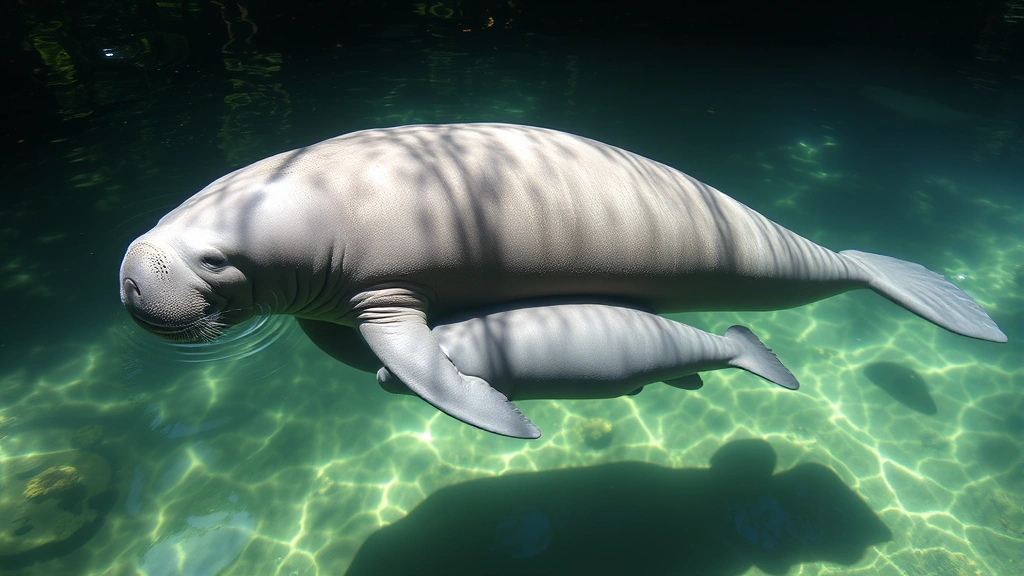
Mother manatees are devoted caregivers who provide essential protection and guidance to their calves. Understanding maternal behavior helps explain how baby manatees develop and what factors support their safety. A calf typically remains with its mother for approximately two years, learning critical survival skills during this bonding period.
Manatee mothers nurse their calves with milk produced from mammary glands, similar to human mothers. A newborn calf weighs approximately 60 pounds and consumes milk for the first several months of life. During this nursing period, the mother is extremely protective and rarely leaves her calf unattended. She teaches the young manatee how to navigate currents, find warm-water refuges during winter months, and locate food sources.
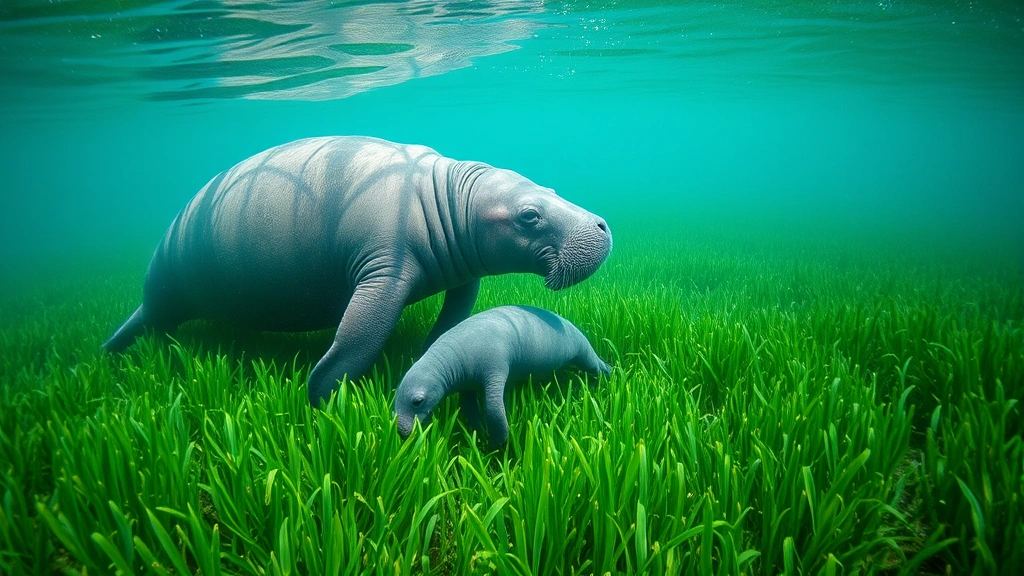
Baby manatees begin eating vegetation around six months of age, though they continue nursing until weaning occurs around 18 months. This transition period is critical for the calf’s development. The mother demonstrates where to find nutritious seagrass and other aquatic plants while the youngster learns through observation and experimentation. This educational process, passed from generation to generation, is disrupted when habitat destruction eliminates traditional feeding grounds.
Weaning is a vulnerable time for young manatees. Once independent, juvenile manatees must fend for themselves in an increasingly dangerous environment. Many do not survive this transition, particularly if they’ve been separated from their mothers prematurely due to injury, death, or human interference. This is why understanding parenting guidance across species helps us appreciate the importance of maternal bonds in all animals.
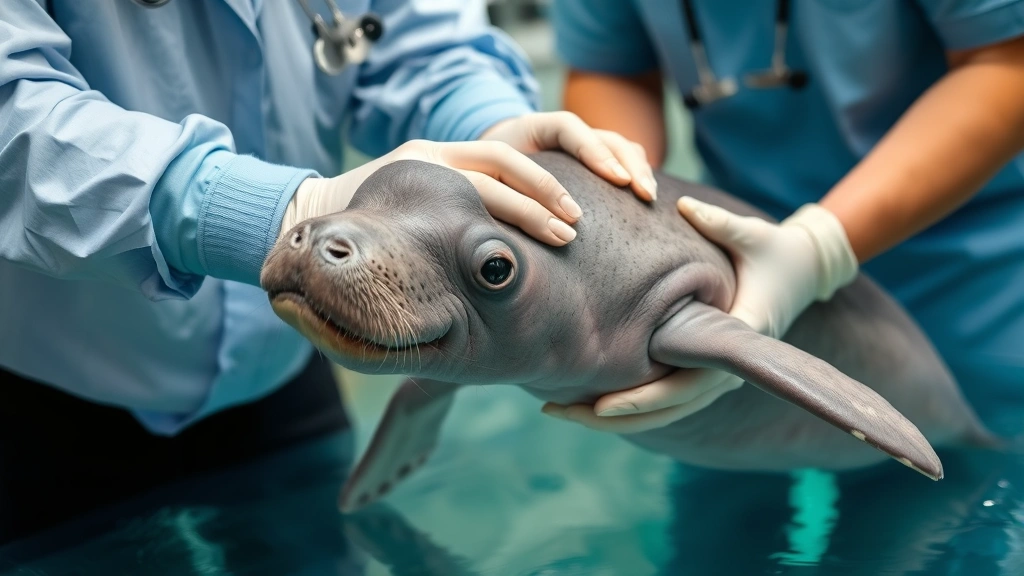
Orphaned or injured baby manatees sometimes enter rehabilitation facilities where trained professionals provide care. These rescue centers attempt to replicate maternal care by providing appropriate nutrition, medical treatment, and behavioral enrichment. However, rehabilitation is challenging and expensive, and not all rescued calves survive despite intensive care efforts.
Legal Protection and Conservation
Multiple laws and conservation initiatives work together to protect baby manatees and their mothers. The Marine Mammal Commission oversees federal protections, while state agencies implement local conservation strategies. Understanding these legal frameworks demonstrates society’s commitment to manatee safety.
The Marine Mammal Protection Act (MMPA), enacted in 1972, provides federal protection for all marine mammals, including manatees. This law prohibits harassment, hunting, capturing, or killing manatees without federal permits. Baby manatees receive the same protections as adults, and violations carry significant penalties. The MMPA has been instrumental in preventing commercial exploitation of manatees.
The Endangered Species Act (ESA) affords additional protections to manatees, which are listed as threatened species. This designation requires federal agencies to ensure their actions do not jeopardize manatee populations. Development projects, water management decisions, and industrial activities must consider impacts on manatees. Baby manatees benefit from habitat protections established under ESA requirements.
Manatee protection zones and speed zones limit boat traffic in areas where baby manatees are frequently observed. Florida, home to the largest manatee population in the United States, has established extensive protection zones in key habitat areas. These zones require boats to travel at idle speed or no-wake speeds, significantly reducing collision risks. Signs marking these zones help educate boaters about manatee safety.
State and federal agencies conduct regular population surveys to monitor baby manatee numbers and assess population health. These surveys provide critical data for conservation planning and help identify emerging threats. When populations decline or specific areas show concerning trends, agencies can implement targeted protection measures. This data-driven approach ensures resources are directed where they’re most needed.
Conservation organizations work alongside government agencies to rescue injured baby manatees, conduct research, and advocate for stronger protections. Groups like the Save the Manatee Club educate the public, fund research, and support rehabilitation efforts. Their work complements official government protection programs and extends resources available for manatee care.
Human Interaction Guidelines
If you encounter a baby manatee in the wild, understanding proper interaction guidelines protects both the calf and yourself. Federal law prohibits touching, feeding, or pursuing manatees, but many people don’t understand why these restrictions exist. Learning the reasoning behind these rules helps support conservation efforts.
Never touch a baby manatee, even if it appears approachable or injured. Human contact can stress the calf and separate it from its mother. Additionally, human touch can remove the protective mucus layer covering a manatee’s skin, making it vulnerable to infection. If a baby manatee approaches you, remain still and allow it to move away naturally. Resist the urge to pet or interact with the animal.
Do not feed baby manatees or their mothers. Feeding wild manatees teaches them to associate humans with food, causing them to approach boats and human-populated areas more frequently. This habituation increases collision risks and other dangers. Additionally, human food is nutritionally inappropriate for manatees and can cause digestive problems.
Maintain a safe distance from baby manatees and their mothers. If a mother manatee perceives a threat to her calf, she may act defensively. Observing from at least 50 feet away allows for safe wildlife viewing without stressing the animals. Use binoculars or cameras with zoom lenses to get closer views without physical proximity.
Report injured or distressed baby manatees to wildlife authorities immediately. If you observe a calf that appears sick, injured, or separated from its mother for an extended period, contact your local wildlife agency or marine animal rescue center. Trained professionals can assess the situation and provide appropriate intervention. Early reporting can be lifesaving for vulnerable calves.
Boaters should always operate vessels at appropriate speeds in designated zones and remain vigilant for manatees. Wearing polarized sunglasses helps you spot manatees in the water, reducing collision risks. Teaching your children about responsible environmental stewardship starts with modeling safe boating practices around marine wildlife.
Habitat Safety and Water Quality
Baby manatees depend on clean, healthy water and abundant seagrass beds for survival. Protecting their habitat is as important as direct legal protections. Water quality issues and habitat degradation create invisible threats that compromise calf safety and population viability.
Seagrass beds provide the primary food source for manatees. These underwater meadows also offer shelter and protection for young calves. Coastal development, dredging, and water pollution destroy seagrass habitats. When these critical areas disappear, baby manatees and their mothers must travel farther to find food, increasing exposure to boat traffic and other dangers. Scientific research consistently demonstrates the direct correlation between habitat loss and manatee population decline.
Winter survival depends on access to warm-water refuges. Baby manatees cannot tolerate cold water and rely on natural warm springs or power plant discharge areas to survive cold months. Climate change and changes in power plant operations threaten these critical refuges. Without adequate warm-water areas, baby manatees cannot survive Florida winters.
Fresh water availability is another critical habitat component. Manatees need access to fresh water for drinking and to maintain proper salt balance in their bodies. Drought conditions, water diversion projects, and saltwater intrusion into freshwater sources create water stress for manatees. Baby manatees, dependent on their mothers’ knowledge of water sources, suffer when traditional areas become unavailable.
Pollution from agricultural runoff, industrial discharge, and urban stormwater degrades water quality and promotes harmful algal blooms. These toxic blooms kill seagrass, poison fish, and create respiratory hazards for manatees. Baby manatees are particularly susceptible to toxins because their immune systems are still developing. Reducing pollution protects both immediate calf survival and long-term population health.
Supporting habitat protection initiatives ensures baby manatees have safe environments to grow and thrive. This might include supporting policies that limit coastal development, funding seagrass restoration projects, or advocating for stronger water quality standards. Even individual actions, like reducing fertilizer use and properly disposing of waste, contribute to cleaner waters that support manatee populations.
Frequently Asked Questions
How long do baby manatees stay with their mothers?
Baby manatees typically remain with their mothers for approximately two years. During this period, the calf learns essential survival skills, including where to find food, how to navigate waterways, and which areas provide warm-water refuge during winter. The bond between mother and calf is strong, and separation before natural weaning can result in the calf’s death.
What should I do if I find an injured baby manatee?
Contact your local wildlife agency or marine animal rescue center immediately. In Florida, you can call the Florida Fish and Wildlife Conservation Commission’s wildlife alert hotline at 1-888-404-3922. Provide specific location information and describe the calf’s condition. Do not attempt to help the animal yourself, as improper handling can cause additional injury or stress. Trained professionals have the expertise and equipment to safely assist injured manatees.
Are baby manatees endangered?
Manatees are listed as threatened under the Endangered Species Act, which means their populations are at risk but not yet critically endangered. However, recent population surveys show concerning declines in some regions, particularly in Florida. Baby manatees face numerous threats that could push populations toward critical status if conservation efforts are not maintained and strengthened. The U.S. Fish and Wildlife Service continues monitoring populations and adjusting protection strategies based on current data.
Can baby manatees survive in captivity?
Baby manatees can survive in rehabilitation facilities when properly cared for, but captivity is not ideal long-term. Rehabilitation centers aim to treat injuries or medical conditions and release manatees back to the wild. However, many orphaned calves struggle with the transition to independent life after rehabilitation. Success rates vary, and resources for long-term captive care are limited. Prevention of injury and orphaning through habitat protection and boating safety is far more effective than rehabilitation.
How can I help protect baby manatees?
You can support manatee protection through multiple avenues: follow boating safety guidelines and speed zones, support organizations dedicated to manatee conservation, advocate for stronger environmental protections, reduce your personal pollution footprint, and educate others about manatee threats and conservation needs. Teaching your children about marine wildlife, similar to how you’d explore developmental milestones in human infants, builds the next generation of conservation advocates.
What is a baby manatee’s diet?
Newborn manatees consume only their mother’s milk for the first several months. Around six months of age, calves begin supplementing with vegetation, particularly seagrass. By 18 months, most manatees are weaned and eating primarily aquatic plants. Adult manatees eat up to 10% of their body weight daily in vegetation, spending most of their time foraging. A healthy diet depends on access to abundant, uncontaminated seagrass beds and other aquatic vegetation.
Baby manatees represent hope for the future of this endangered species. By understanding the threats they face, supporting conservation efforts, and making responsible choices regarding marine environments, we can ensure these gentle giants have a safe world in which to grow. Whether you’re a parent teaching children about marine conservation or someone passionate about wildlife protection, your actions matter. Visit the Parent Path Daily Blog for more insights on raising environmentally conscious children and families committed to protecting our planet’s precious wildlife.