Are Baby Body Carriers Safe? Expert Advice on Choosing the Right Option
Baby body carriers have become an essential tool for modern parents, allowing you to keep your little one close while keeping your hands free. Whether you’re running errands, hiking, or simply navigating daily life, carriers offer convenience and bonding opportunities. However, safety is paramount when it comes to your baby, and understanding which carriers are safest and how to use them correctly is crucial for every parent.
The market is flooded with options—from soft structured carriers to wraps, ring slings, and buckle carriers. Each type has unique benefits and considerations. In this comprehensive guide, we’ll explore what experts say about baby carrier safety, help you understand the different types available, and provide practical advice for selecting and using carriers correctly to protect your baby’s health and development.
By the end of this article, you’ll have the knowledge needed to make informed decisions about babywearing and feel confident that you’re keeping your baby safe while enjoying the many benefits of close carrying.
Baby Carrier Safety Standards: What You Need to Know
When evaluating baby carrier safety, it’s important to understand the standards that govern these products. The Consumer Product Safety Commission (CPSC) oversees baby carrier regulations in the United States, ensuring that products meet minimum safety requirements before reaching consumers.
The American Academy of Pediatrics (AAP) has also weighed in on babywearing safety. AAP guidelines emphasize that while carriers can be beneficial for bonding and development, they must be used correctly to prevent risks such as positional asphyxia or hip dysplasia. These guidelines recommend that babies’ airways remain clear, their chins off their chests, and their hips properly supported.
Look for carriers that have been tested for safety and come with clear instruction manuals. Reputable manufacturers provide detailed guidance on proper use, age recommendations, and weight limits. Don’t hesitate to reach out to customer service if you have questions—safety-conscious companies are always happy to help.
Certification marks from organizations like the International Hip Dysplasia Institute indicate that a carrier has been designed with proper hip ergonomics in mind. This is particularly important for your baby’s long-term musculoskeletal development.
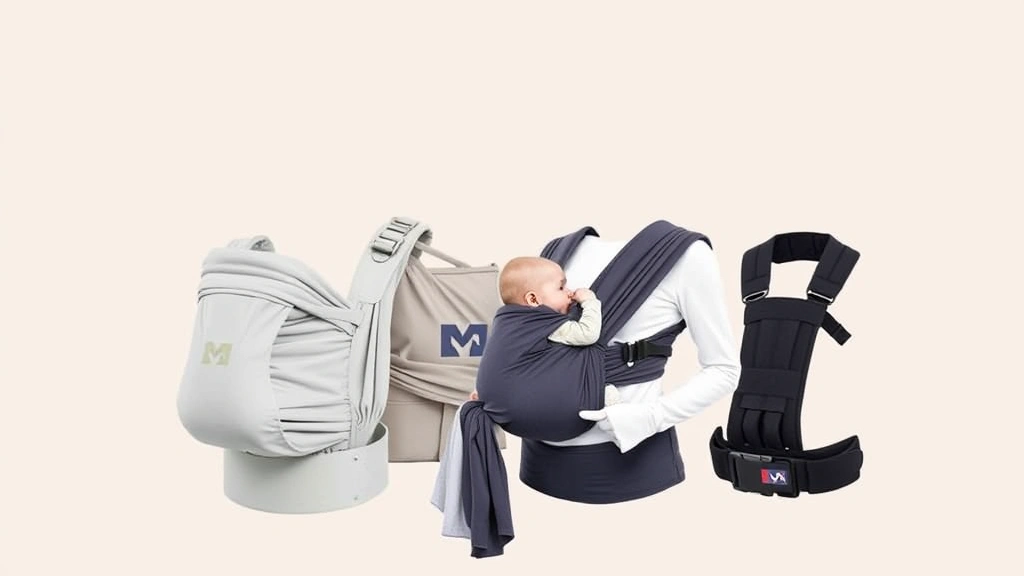
Types of Baby Carriers and Their Safety Profiles
Different carrier styles have different safety considerations. Understanding each type helps you make the best choice for your family’s needs.
Soft Structured Carriers (SSCs)
Soft structured carriers, like popular brands with shoulder straps and buckles, are often considered among the safest options when used correctly. They distribute your baby’s weight evenly across your shoulders and back, reducing strain on your body. These carriers typically have clear guidelines for positioning and are relatively foolproof for beginners. They work from newborn age (with proper inserts) through toddlerhood, making them a long-term investment.
Baby Wraps and Slings
Stretchy wraps and ring slings offer wonderful bonding experiences but require more technique to use safely. These carriers demand careful positioning to ensure your baby’s airway remains clear. The learning curve is steeper, so watching instructional videos and practicing before taking your baby out is essential. When used correctly, they’re safe and comfortable for both parent and child.
Buckle Carriers and Frame Carriers
Simple buckle carriers and frame carriers are straightforward to use and typically have fewer safety concerns related to positioning. However, ensure that your baby’s weight is within the manufacturer’s specifications and that all straps are properly fastened.
Mei Tai and Hybrid Carriers
These carriers combine elements of wraps and structured carriers. They offer flexibility and proper ergonomics when used correctly. Many parents appreciate their adjustability and compact storage, though they may require some practice to master proper tying and positioning techniques.

Proper Positioning and TICKS Guidelines
One of the most important safety concepts in babywearing is the TICKS acronym, developed by babywearing experts. This guideline helps ensure your baby maintains a healthy position in any carrier:
- T = Tight: The carrier should be snug enough that your baby doesn’t move around inside it. This prevents slumping and ensures proper support.
- I = In view at all times: You should always be able to see your baby’s face without looking down. Position the carrier so your baby is centered on your chest.
- C = Close enough to kiss: Your baby’s head should be close enough to yours that you could kiss their forehead. This ensures the chin-to-chest position that keeps airways clear.
- K = Keep chin off chest: Your baby’s chin should rest on their chest naturally, not be forced down. This position prevents positional asphyxia.
- S = Supported back: Your baby’s back should be supported in a natural, slightly rounded position—not arched or slumped.
These guidelines apply regardless of which carrier you choose. Practicing the TICKS position before you need to use the carrier while out and about builds confidence and ensures you’re doing it right.
Age and Weight Considerations for Safe Babywearing
Different carriers are appropriate for different ages and weights. Understanding these parameters is crucial for safety.
Newborns (0-3 months): Newborns require extra support for their heads and necks. Soft structured carriers designed for newborns include inserts that provide this support. Some parents prefer wraps for newborns because they allow for a natural, ergonomic position. Always follow manufacturer guidelines for minimum weight requirements.
Infants (3-6 months): As your baby develops better head control, you have more carrier options. Most soft structured carriers work well at this stage. Continue to monitor positioning and ensure your baby remains secure and comfortable.
Older babies and toddlers (6+ months): Once your baby can sit upright with support, you have maximum flexibility in carrier choice. Hip carries become an option, distributing weight differently and offering a new perspective for your child. Check weight limits carefully, as some carriers have maximum weight specifications around 35-45 pounds.
Always check your specific carrier’s age and weight guidelines. These aren’t arbitrary—they’re based on the carrier’s design and ability to safely support your baby at different developmental stages.
Common Safety Mistakes to Avoid When Babywearing
Even well-intentioned parents sometimes make mistakes with baby carriers. Being aware of common errors helps you avoid them:
- Loose or improperly fastened straps: Straps should be snug but not cutting off circulation. Double-check all buckles and ties before heading out.
- Covering your baby’s face: Never cover your baby’s face with fabric, blankets, or the carrier itself. This increases risk of overheating and breathing difficulties.
- Ignoring weight limits: Using a carrier beyond its maximum weight capacity compromises its structural integrity and your safety.
- Using damaged carriers: Torn straps, broken buckles, or damaged fabric should mean the carrier is retired. Don’t try to repair critical safety components.
- Improper newborn positioning: Using adult carriers without inserts on newborns can lead to unsafe positioning. Always use inserts designed for your baby’s weight.
- Overheating: Babies in carriers can overheat, especially in warm weather. Dress your baby appropriately and monitor for signs of overheating.
- Skipping the instruction manual: Each carrier is unique. Reading the manual thoroughly before use prevents countless safety issues.
How to Choose a Safe Baby Carrier for Your Family
Selecting the right carrier involves considering multiple factors beyond just safety—though safety is always the priority.
Consider your lifestyle: Do you plan to babywear primarily at home or while traveling? Will you be hiking, running errands, or both? Your lifestyle influences which carrier style makes sense for your family. Comprehensive parenting advice often includes recommendations for matching gear to your lifestyle.
Think about comfort: A carrier that’s comfortable for you is more likely to be used correctly and consistently. Try carriers on before buying if possible. Consider your body type, back strength, and preferences for weight distribution.
Research the manufacturer: Choose companies with strong reputations for customer service and safety. Read reviews from other parents, but remember that individual experiences vary based on body type and baby preferences.
Check certifications: Look for carriers certified by the International Hip Dysplasia Institute or that meet CPSC standards. These certifications indicate the carrier has been tested for safety and proper hip ergonomics.
Verify age and weight ranges: Ensure the carrier is appropriate for your baby’s current age and weight, and ideally has room for growth. Some carriers work from newborn through toddlerhood, offering better long-term value.
Read the manual thoroughly: Before purchasing, see if the manual is available online. A clear, detailed manual with diagrams is a good sign that the manufacturer prioritizes user safety.
As you explore essential parenting advice for raising healthy children, you’ll find that babywearing is one tool among many for supporting your baby’s development and your family’s wellbeing.
For additional guidance on baby developmental milestones and what to expect at different ages, consulting multiple parenting resources helps you make informed decisions about all aspects of baby care, including babywearing practices.
The American Academy of Pediatrics website provides evidence-based information on infant care and safety practices. Their recommendations are regularly updated based on the latest research.
Frequently Asked Questions About Baby Carrier Safety
At what age can babies use body carriers?
Most soft structured carriers are safe for newborns when used with proper newborn inserts. However, some carriers are designed for babies 6 months and older. Always check your specific carrier’s age guidelines. Wraps can often be used from birth, but proper positioning is critical. When selecting baby gifts, parents often appreciate carriers that grow with their child from newborn through toddlerhood.
How can I tell if my baby is positioned correctly in a carrier?
Use the TICKS guidelines as your checklist. Your baby should be tight in the carrier, visible to you at all times, close enough to kiss, with their chin off their chest, and their back properly supported. If you’re unsure, take a photo from the front and side and compare it to the carrier’s instructional photos.
Is babywearing safe for babies with hip dysplasia?
Carriers certified by the International Hip Dysplasia Institute support proper hip positioning. However, if your baby has been diagnosed with hip dysplasia, consult your pediatrician before babywearing. They may recommend specific carriers or positioning to support your baby’s treatment.
Can I use a baby carrier while pregnant?
Many pregnant parents successfully babywear, but comfort and safety depend on individual factors like pregnancy size and back strength. Soft structured carriers distributed weight more evenly than other styles. Always consult your healthcare provider, especially if you have pregnancy complications or back issues.
How do I clean and maintain my baby carrier?
Check the manufacturer’s instructions, as cleaning methods vary by material. Most carriers can be spot-cleaned or machine washed on gentle cycles. Inspect your carrier regularly for damage. Don’t use a damaged carrier until it’s properly repaired by the manufacturer.
What should I wear while babywearing?
Wear comfortable, breathable clothing. Avoid anything that restricts your movement or makes it hard to maintain proper posture. You and your baby together generate heat, so dress slightly lighter than you normally would. Check your baby regularly for signs of overheating.
Can I babywear while driving?
No. Babies should be in properly installed car seats while driving, not in carriers. Car seats provide the safety features needed in case of accidents. Once you reach your destination, you can transfer your baby to a carrier.
Are there any health conditions that make babywearing unsafe?
Some conditions may require caution with babywearing. Babies with certain heart conditions, respiratory issues, or severe reflux may need special positioning considerations. Always discuss babywearing with your pediatrician if your baby has any health concerns.