Is a Baby DJ Table Worth It? Expert Insights on Musical Play for Your Little One
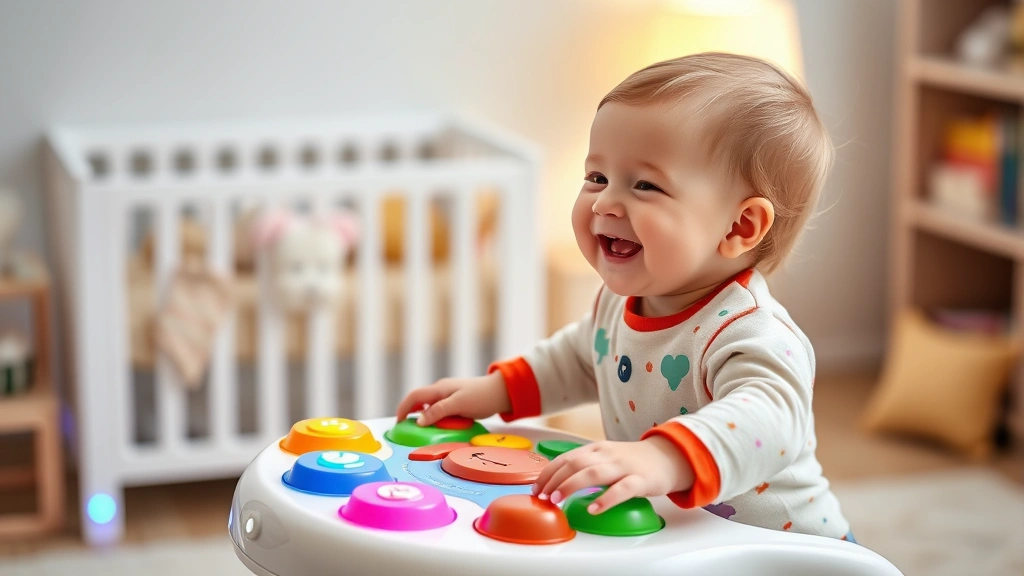
Picture this: your toddler stands in front of a colorful DJ table, tiny fingers dancing across illuminated buttons, eyes wide with wonder as sounds and lights respond to their touch. It’s undeniably adorable, but here’s the question every thoughtful parent asks—is this investment actually worth your money, or is it just another toy destined for the donation pile?
The baby DJ table phenomenon has exploded in recent years, with manufacturers positioning these interactive devices as essential tools for early childhood development. Yet the reality is more nuanced than the marketing suggests. Some families swear by them as gateways to musical exploration and cognitive growth, while others question whether the hefty price tag delivers genuine developmental benefits or merely capitalizes on parental hopes.
Let’s cut through the noise (pun intended) and explore what experts actually say about these musical toys, whether they align with your family’s needs, and how to make an informed decision that won’t leave you feeling buyer’s remorse.
What Exactly Is a Baby DJ Table?
A baby DJ table is an interactive musical toy designed for infants and toddlers, typically featuring buttons, knobs, lights, and sound effects. These devices range from simple models with basic melodies to sophisticated versions mimicking adult DJ equipment with turntables, drum pads, and pre-recorded songs.
Most baby DJ tables operate on batteries and include features like volume control, light shows synchronized with music, and various musical modes. Some models connect to smartphones or tablets, offering extended content and customization. The typical price range spans from $40 for basic models to over $150 for premium versions packed with features.
These toys have become popular nursery staples, often appearing alongside baby shark toys and other trending infant entertainment options. Parents are drawn to their colorful designs and the promise of developmental enrichment wrapped in an entertaining package.
Developmental Benefits: Separating Fact from Marketing
Here’s where we need to be honest: the developmental claims surrounding baby DJ tables are often exaggerated. That said, they’re not entirely without merit either.
According to research from the American Academy of Pediatrics, musical play does contribute positively to infant development. Exposure to rhythm, melody, and cause-and-effect relationships through music supports cognitive development. When your baby presses a button and hears a sound, they’re learning that their actions produce results—a fundamental concept in brain development.
However—and this is crucial—the same developmental benefits occur with far less expensive alternatives. A wooden spoon banged against a pot, a simple rattle, or even your own voice singing nursery rhymes activates similar neural pathways.
The genuine advantage of a baby DJ table lies not in some magical developmental superiority, but in its ability to maintain engagement over extended periods. Babies have notoriously short attention spans, and the variety of sounds, lights, and interactive elements can keep your little one entertained while you accomplish other tasks. That’s valuable, but it’s not quite the same as claiming developmental superiority.
Sensory Learning and Musical Exploration
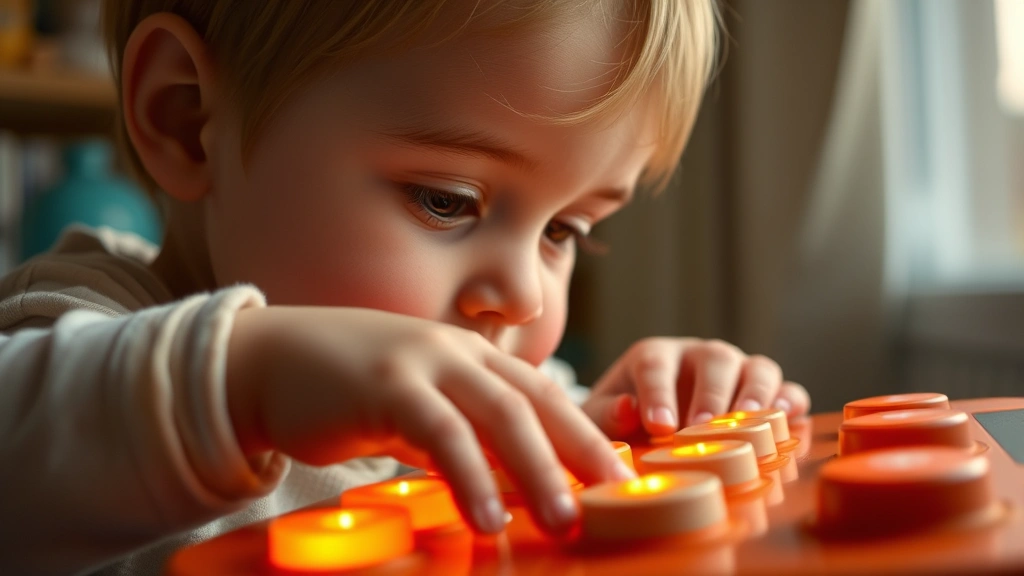
Where baby DJ tables genuinely shine is in multisensory engagement. These toys stimulate simultaneously through sound, light, and tactile feedback. Your baby sees the lights flash, hears the music, and feels the button resistance—creating a rich sensory experience that engages multiple developmental pathways at once.
This multisensory approach can be particularly valuable for children with different learning styles. Some babies are visual learners who light up (literally) when presented with bright, flashing displays. Others respond more to auditory stimulation. The variety built into most DJ tables means you’re likely hitting multiple sensory preferences simultaneously.
Music itself offers documented benefits for infant development. Research from Healthy Children indicates that musical exposure supports language development, emotional regulation, and social bonding. A baby DJ table introduces your child to rhythm and melody in an interactive context, which differs from passive listening to recorded music.
However, it’s worth noting that interactive play with a caregiver—you singing, dancing, and playing alongside your baby—produces even stronger developmental outcomes than solo play with a toy. The human connection amplifies the benefits of musical exploration.
Cost Versus Real Value: The Financial Reality
Let’s address the elephant in the room: baby DJ tables aren’t cheap, and they have a frustratingly short lifespan in most households.
A quality model typically costs between $60 and $150. That’s a significant investment for a toy your child might enthusiastically use for six months before moving on to the next shiny thing. When you break down the cost per month of actual use, you’re potentially looking at $10-25 monthly—or more if your child loses interest quickly.
This is where you need to consider your family’s financial situation honestly. If budget flexibility exists and you view this as occasional entertainment investment, the cost might be acceptable. If every toy purchase requires careful deliberation, you’d likely find better value elsewhere.
One practical consideration: resale value. Baby DJ tables hold their value reasonably well on secondhand markets, particularly well-known brands. You might recoup 40-60% of your initial investment if you sell after your child outgrows it. This effectively reduces your true cost.
Additionally, consider whether you’re purchasing for a single child or whether younger siblings might use it subsequently. That amortizes the cost across multiple children, improving the value proposition significantly.
Age Appropriateness and Developmental Stages
Not all baby DJ tables work equally well at every age. Timing matters tremendously for getting genuine value from this purchase.
Under 6 months: Skip it. Newborns and very young babies lack the motor control and cognitive understanding to interact meaningfully with a DJ table. They might startle at loud sounds, and the visual stimulation could be overwhelming rather than engaging.
6-12 months: This is the sweet spot for introducing a basic DJ table. Babies are developing cause-and-effect understanding and fine motor skills. They’ll enjoy pressing buttons and discovering that their actions produce results. However, they’ll primarily bash buttons randomly rather than creating intentional patterns.
12-24 months: Toddlers in this range get the most value from DJ tables. They have sufficient motor control to deliberately press buttons, understand cause-and-effect relationships, and can follow simple musical patterns. Their engagement typically remains strong during this period.
2+ years: Interest often begins declining as toddlers develop preferences for toys offering more complex play patterns or physical activity. Some children maintain interest longer, particularly if musically inclined, but many move on to other attractions.
Understanding where your child falls developmentally helps determine whether now is the right time for this purchase. Buying too early means wasting features your baby can’t yet appreciate. Buying too late means missing the developmental window where they’d gain maximum benefit.
Smart Alternatives to Consider
Before committing to a baby DJ table, explore these alternatives that might deliver similar or superior value:
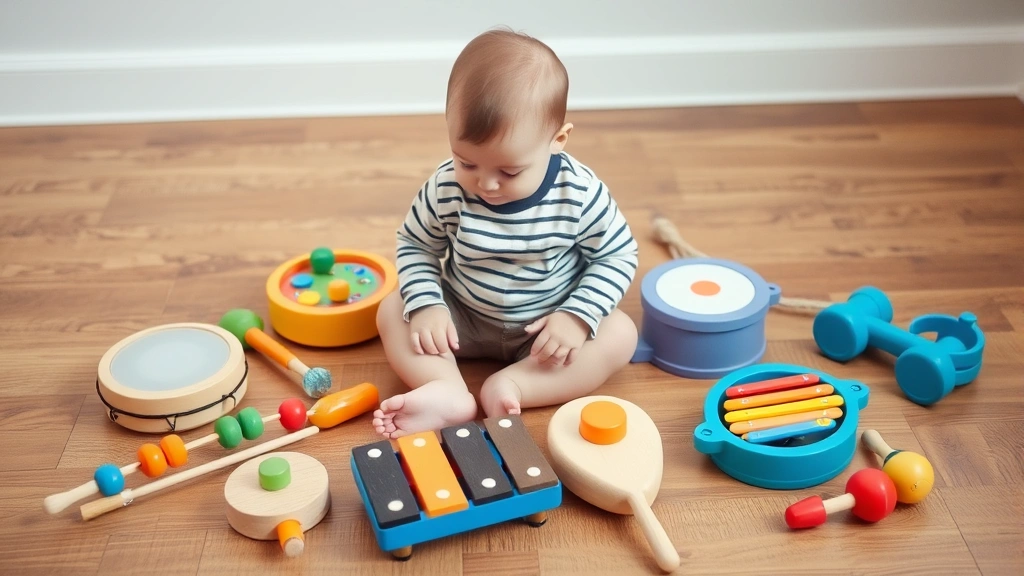
- Musical instruments designed for babies: Simple drums, xylophones, or maracas encourage active music-making rather than passive button-pressing. They develop fine and gross motor skills more effectively than stationary toys.
- Quality speakers with curated playlists: For a fraction of the cost, you can play high-quality music throughout your home. This provides auditory stimulation without the flashing lights and plastic bulk. Consider pairing speakers with baby book reading sessions for multisensory learning.
- Interactive apps and tablets: If you’re comfortable with screen time (and many experts recommend limiting it for young children), educational apps often provide similar interactive experiences at lower cost.
- Homemade sensory toys: Containers filled with dried beans, pasta, or rice offer similar sensory engagement with minimal expense. You can create your own musical instruments from household items.
- Classes and group experiences: Mommy-and-me music classes or library story time with music components provide similar developmental benefits with added social interaction and professional guidance.
These alternatives aren’t necessarily better than a baby DJ table—but they’re worth considering before making your purchase decision. Sometimes the best choice is combining several affordable options rather than investing heavily in a single toy.
Making Your Final Decision
So, is a baby DJ table worth it for your family? The answer depends on several personal factors:
Ask yourself these questions:
- Is my child in the 6-24 month developmental window where they’d genuinely engage with this toy?
- Do I have budget flexibility to absorb this cost without financial strain?
- Will I be comfortable with the space this toy occupies in my home?
- Am I buying this because it genuinely meets my family’s needs, or because I feel pressured by marketing?
- Would alternative toys or experiences better serve my child’s development?
- Can I plan to resell or donate this toy after my child outgrows it?
If you answer affirmatively to most questions, a baby DJ table could be a worthwhile investment. You’re not getting a miracle developmental tool, but you’re purchasing quality entertainment and sensory engagement for a child in the ideal developmental stage to appreciate it.
If you’re uncertain, remember that you don’t need every trendy toy to support your child’s development. Sometimes the best parenting decisions involve thoughtful restraint rather than enthusiastic consumption. Your baby thrives with your attention, interaction, and love far more than with any single toy.
If you do decide to purchase, research specific models carefully. Read reviews from other parents about durability and long-term engagement. Compare features against price points. Consider starting with a mid-range model rather than the most expensive option. And perhaps most importantly, commit to engaging with your child while they play—singing along, dancing, and creating shared musical experiences amplifies whatever developmental benefits the toy might offer.
Remember too that other nursery staples like baby hangers for organizing clothes or a quality baby food maker might deliver more practical value to your daily routine than entertainment toys. And if you’re planning celebrations, baby shower decorations create memorable moments without ongoing household presence.
Frequently Asked Questions
At what age should I introduce a baby DJ table?
The ideal age range is 6-24 months, with peak engagement typically occurring between 12-18 months. At six months, babies are developing cause-and-effect understanding but lack the motor control to interact meaningfully. By two years, many children’s interests shift toward more complex play patterns.
How long will my child actually use a baby DJ table?
This varies significantly by child and toy quality. Most children show sustained interest for 4-12 months. Some children lose interest after a few weeks; others maintain engagement longer, particularly if musically inclined. Resale options help offset the cost after your child outgrows it.
Are expensive baby DJ tables better than budget models?
Not necessarily. Budget models often provide similar sensory engagement and developmental benefits as premium versions. The differences typically involve durability, sound quality, and feature complexity rather than fundamental developmental value. Consider your child’s age and interests when evaluating whether premium features justify higher costs.
Can a baby DJ table replace live music and musical interaction?
Absolutely not. Research consistently shows that interactive music-making with caregivers produces superior developmental outcomes compared to solo toy play. A baby DJ table complements musical engagement with you, but it shouldn’t replace singing, dancing, and playing instruments together.
Is screen-free really better than interactive toys with lights and sounds?
For very young infants, excessive sensory stimulation can be overwhelming. However, age-appropriate interactive toys like baby DJ tables used in moderation don’t harm development. The key is balance—ensuring your child also experiences quiet play, outdoor exploration, and screen-free interaction with caregivers.
What should I look for when comparing baby DJ table options?
Consider volume control (essential for protecting hearing), durability of buttons and components, battery life, variety of sounds and features, and whether the toy grows with your child through different engagement modes. Read reviews specifically addressing long-term durability rather than just initial impressions.
Can I use a baby DJ table for multiple children?
Yes, this significantly improves value. If you have or plan to have additional children within a few years, a quality baby DJ table can serve multiple kids through similar developmental stages, effectively amortizing the cost across children.