What Is a Baby Doll Top? Fashion Insights for Modern Parents
If you’ve scrolled through children’s fashion lately, you’ve probably encountered the term “baby doll top” more than once. But what exactly is it, and why has this silhouette become such a staple in kids’ wardrobes? The answer is simpler than you might think, yet there’s more depth to this trend than meets the eye.
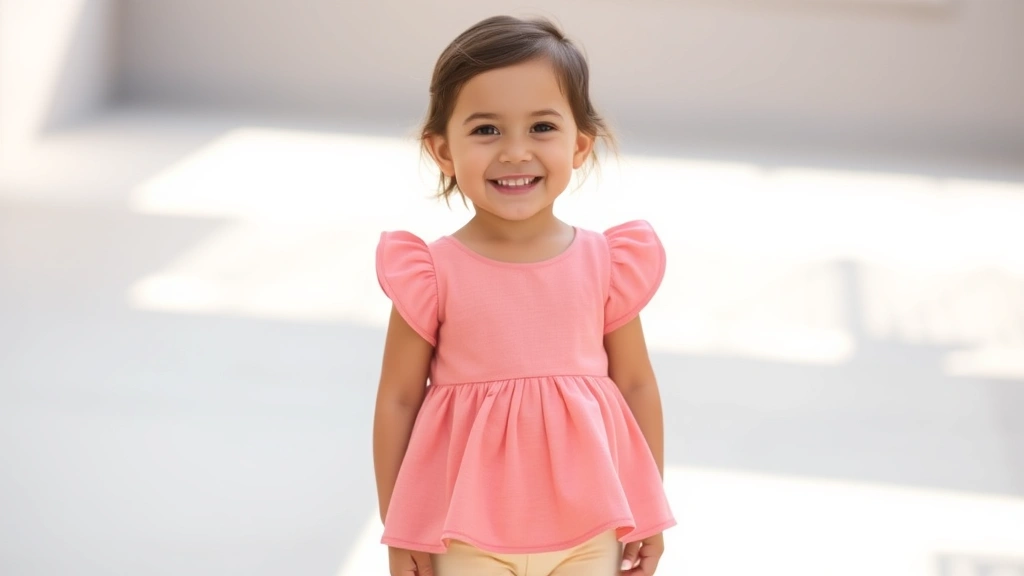
A baby doll top is a fitted garment that cinches at the empire waist—typically just below the bust—and then flares out loosely over the stomach and hips. Think of it as the cheerful opposite of a fitted shirt. It’s playful, comfortable, and surprisingly versatile, making it a go-to choice for parents shopping for their little ones. The style works beautifully for babies, toddlers, and older children, adapting to different body types and occasions with ease.
What makes the baby doll top particularly appealing to parents is its combination of comfort and style. Kids can move freely, play without restriction, and still look put-together. It’s the kind of piece that works equally well at a family brunch, a casual playdate, or even a special occasion when styled right.
The History and Origin of Baby Doll Tops
The baby doll silhouette didn’t originate in children’s fashion—it actually emerged from adult women’s clothing in the 1950s and 1960s. Fashion designers drew inspiration from the A-line dresses popularized during that era, creating a silhouette that emphasized femininity through contrast rather than body-hugging fit. The term “baby doll” referred to the innocent, youthful aesthetic the style conveyed.
When this design made its way into children’s fashion, it was a natural fit. Parents appreciated how the style allowed kids to move comfortably while maintaining a polished appearance. The loose fit over the midsection meant children could grow without immediately outgrowing their clothes, making it economically sensible for families. Over decades, the baby doll top has remained relatively consistent in concept, though modern interpretations have evolved to include various necklines, sleeve lengths, and embellishments.
Today’s baby doll tops often incorporate contemporary elements while maintaining that classic silhouette. You’ll find versions with graphic prints, lace details, and varied fabric textures that speak to current fashion trends while honoring the timeless appeal of the original design.
Key Style Features and Design Elements
Understanding what defines a baby doll top helps you identify quality pieces and make informed shopping decisions. The most distinctive feature is the empire waistline—that horizontal seam or gathering point positioned higher than a natural waist. From this point, the fabric flows outward, creating a gentle A-line or trapeze shape.
The neckline can vary significantly. You’ll encounter crew necks, v-necks, scoop necks, and even peter pan collars, depending on the designer and current trends. Sleeves range from sleeveless to short puffs, three-quarter length, or full-length options. This versatility means baby doll tops work across seasons and occasions.
When shopping for baby girl clothes, you’ll notice many retailers feature baby doll silhouettes because the style is inherently flattering and practical. The gathered or ruched area at the empire waist often creates visual interest, whether through decorative stitching, ruching, smocking, or subtle texture variations.
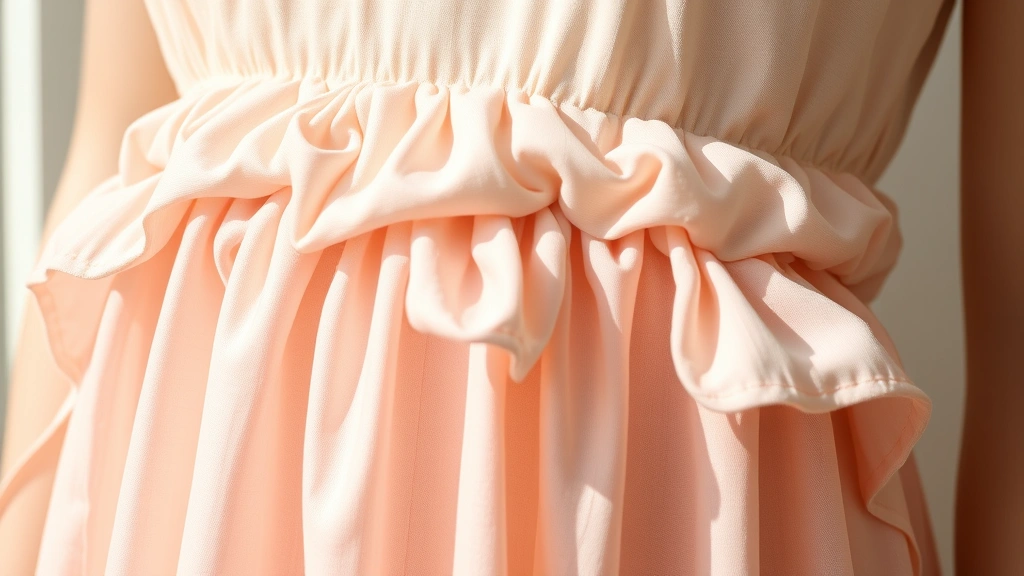
The hem length is another defining characteristic. Baby doll tops typically hit around mid-thigh or knee level, though some styles are shorter for a more playful look. This length provides coverage and modesty while allowing freedom of movement—essential for active children.
Fashion Versatility: From Casual to Dressy
One reason baby doll tops have maintained popularity is their remarkable versatility. The same silhouette works for multiple occasions by simply changing what you pair it with and how you accessorize.
Casual Everyday Wear: Pair a printed baby doll tee with denim shorts or leggings for effortless weekend style. Add sneakers and you’ve got the perfect outfit for playground time or running errands. This is where kids can really enjoy the comfort factor—unrestricted movement combined with a polished appearance.
School and Structured Settings: A solid-colored baby doll top worn with neutral pants or a skirt creates a neat, appropriate look for school or formal activities. The structured silhouette photographs well and maintains its shape throughout the day, which matters when kids are sitting, bending, and playing.
Special Occasions: Dress up a baby doll top by choosing versions in special fabrics like velvet or satin. Pair with formal pants or a skirt, add a cardigan or blazer, and suddenly you have event-ready attire. Many parents opt for this style for holiday photos because it’s both comfortable for kids and visually appealing in pictures.
Seasonal Adaptations: The baby doll silhouette works year-round. In warmer months, sleeveless or short-sleeved versions provide breathability. During cooler seasons, long-sleeved baby doll tops layered under cardigans or jackets offer warmth without bulk. Some parents even use baby doll tops as base layers under jumpers or pinafores.
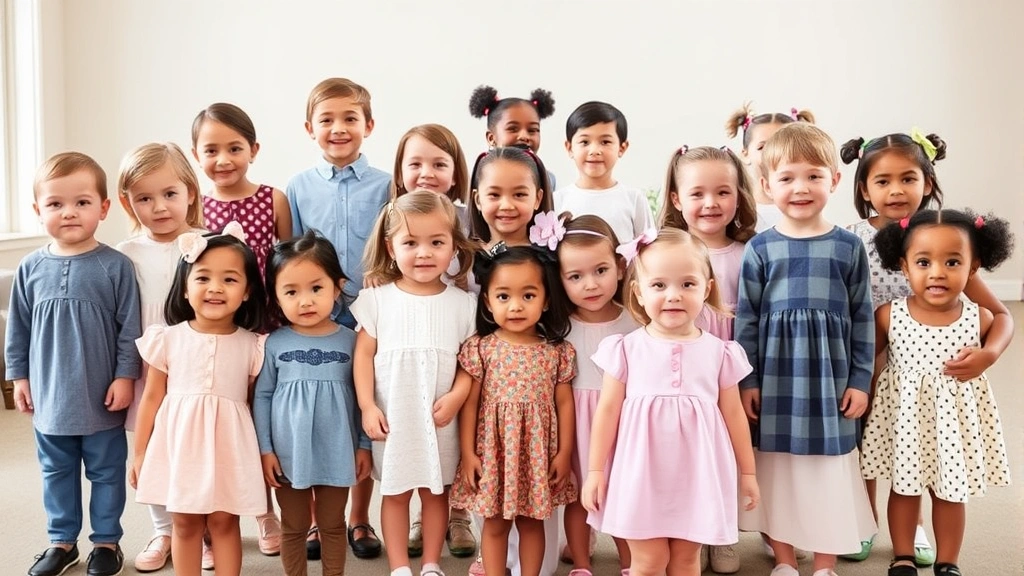
This adaptability makes baby doll tops economical choices for parents building a functional wardrobe. A single top can transition between multiple outfits and occasions, maximizing value from each purchase.
Sizing and Fit Considerations
Because baby doll tops feature that distinctive empire waist, sizing works slightly differently than traditional children’s clothing. The fit depends primarily on where that empire seam sits relative to your child’s natural waist and bust.
For babies and toddlers, baby doll tops typically rest just below the natural waistline, creating that signature A-line silhouette. The gathered or flared portion provides room for diapers and movement without appearing oversized.
For older children, the empire waist sits higher, often just below where a natural waist would be on an adult. This placement is intentional—it creates visual balance and proportion appropriate for growing bodies. When shopping for baby tees, pay attention to the length and where the empire waist is positioned relative to your child’s measurements.
One advantage of baby doll tops is that they accommodate growth better than fitted styles. A child can grow vertically without the top becoming too tight, and the loose fit over the midsection means slight weight fluctuations don’t affect wearability. This characteristic makes them excellent for growing children or situations where you need pieces that last through multiple seasons.
When sizing up, consider whether you want the top to grow with your child or prefer a more fitted appearance. Some parents size up intentionally for longevity, while others prefer the proper proportions that come with correct sizing.
Styling Tips for Different Ages
Babies (0-12 months): Soft fabrics are essential at this age. Look for breathable cotton baby doll tops in simple patterns or solid colors. Pair with soft pants or leggings. The loose fit makes diaper changes easier, and the style doesn’t restrict movement for crawling babies. Many parents appreciate how baby doll tops in this age range are forgiving as babies grow rapidly.
Toddlers (1-3 years): This is where baby doll tops truly shine. Toddlers need clothing that accommodates constant movement and play. Graphic prints and fun colors appeal to this age group, and the comfortable fit means fewer complaints about clothing. Consider baby doll dress versions for special occasions—they’re essentially the same silhouette but longer and often in dressier fabrics.
Preschool and Kindergarten (3-6 years): At this stage, kids develop preferences about what they wear. Baby doll tops offer enough variety in styles, colors, and patterns to appeal to developing personalities. Pair them with coordinating bottoms and let kids feel involved in getting dressed. The comfortable fit means kids aren’t distracted by their clothing during school or activities.
School-Age Children (6+ years): Older children often appreciate the style aspect of baby doll tops. The silhouette is flattering without being too mature, and it works well for creating outfits that feel intentional rather than just thrown together. Mix printed baby doll tops with solid bottoms and vice versa for visual interest.
Fabric Choices and Care Instructions
The fabric composition of a baby doll top significantly impacts its durability, comfort, and care requirements. Understanding these differences helps you make purchases that align with your family’s needs and lifestyle.
Cotton: The most common choice for children’s baby doll tops, cotton offers breathability, durability, and ease of care. It’s soft against sensitive skin and can withstand frequent washing. Look for high-quality cotton that won’t pill or fade quickly. Organic cotton is an option if you prefer garments free from synthetic pesticides.
Cotton Blends: Mixing cotton with polyester or elastane creates fabric that’s wrinkle-resistant and maintains its shape better than pure cotton. These blends are practical for families who prefer minimal ironing and clothing that holds up through active play.
Specialty Fabrics: Velvet, corduroy, and jersey knit baby doll tops offer different aesthetics. Velvet works beautifully for dressy occasions, corduroy adds texture and visual interest, and jersey knit provides stretch and comfort. Each requires slightly different care, so always check labels.
When considering baby shower dresses or formal baby doll tops, fabric quality becomes even more important. Special occasion pieces often use higher-quality materials that justify careful laundering.
Care Tips: Most baby doll tops can be machine washed in cool water with gentle detergent. Turning the garment inside out before washing helps preserve colors and prints. Avoid bleach unless the label specifies it’s safe. Tumble dry on low or air dry to extend the life of the garment and prevent shrinkage. For special pieces, consider hand washing or professional cleaning.
Check the care label carefully—different fabrics and construction methods require different approaches. A baby doll top made from delicate lace requires different handling than one made from sturdy cotton jersey.
Frequently Asked Questions
What’s the difference between a baby doll top and a regular fitted top?
The primary difference is the silhouette. A baby doll top features an empire waist that gathers or flares out over the midsection, while a fitted top follows the natural contours of the body. Baby doll tops provide more room and comfort, particularly around the stomach and hips, making them ideal for active children. The structured empire waist of a baby doll top also creates a distinctive visual style that fitted tops don’t offer.
At what age can children start wearing baby doll tops?
Baby doll tops are appropriate from infancy onward. Babies can wear them from birth, and the style actually becomes more flattering and practical as children grow. The loose fit accommodates diaper changes for babies and toddlers, and the silhouette works well for all ages through the pre-teen years.
Are baby doll tops appropriate for all body types?
Yes. The loose fit over the midsection is universally flattering, which is partly why this style has remained popular for decades. Whether a child is petite, average, or larger, the baby doll silhouette works without drawing attention to any particular area. This inclusivity makes baby doll tops a smart choice for parents shopping for children with different body types.
Can I wear a baby doll top to formal events?
Absolutely. While baby doll tops are casual by default, dressing them up is simple. Choose a version in a formal fabric like velvet or satin, pair it with dress pants or a skirt, add a cardigan or blazer, and accessorize appropriately. Many parents choose baby doll tops for holiday photos and special occasions specifically because they’re comfortable for kids while looking polished and intentional.
How do I style a baby doll top for different seasons?
In warm months, sleeveless or short-sleeved baby doll tops with shorts or skirts work perfectly. During cooler seasons, opt for long-sleeved versions or layer short-sleeved tops under cardigans and jackets. Baby doll tops work as base layers under jumpers or pinafores, extending their versatility. The silhouette adapts beautifully to seasonal styling.
Where can I find quality baby doll tops?
Department stores, specialty children’s retailers, and online marketplaces all carry baby doll tops. When shopping, examine fabric quality, check seams and construction, and read reviews if buying online. According to the American Academy of Pediatrics, prioritizing comfort and appropriate sizing ensures children wear their clothes willingly. Look for retailers that provide detailed sizing information and clear return policies.
Are baby doll tops suitable for all seasons?
Yes, baby doll tops work year-round. The key is choosing appropriate fabrics and sleeve lengths for the season. Summer versions in lightweight cotton with short sleeves or sleeveless options provide breathability. Winter versions in heavier cotton blends or layered with long sleeves offer warmth. Spring and fall versions in medium-weight fabrics bridge seasonal transitions.
How should I care for a special occasion baby doll top?
Check the care label first. Many special occasion baby doll tops require hand washing or dry cleaning to preserve delicate fabrics and embellishments. Store in a cool, dry place away from direct sunlight to prevent fading. If the piece includes lace, beading, or other details, extra care during washing ensures longevity. For valuable pieces, professional cleaning may be worthwhile.