What Is a Sugar Baby Watermelon? Expert Guide to Growing and Enjoying This Delicious Variety
If you’ve wandered through a farmers market lately, you might have spotted a peculiar watermelon variety labeled “Sugar Baby.” Despite its whimsical name, this isn’t a genetically modified fruit or some newfangled hybrid—it’s actually a classic, heirloom variety that’s been delighting families for decades. The Sugar Baby watermelon represents everything wonderful about homegrown produce: it’s sweet, manageable in size, and perfect for families looking to add fresh, nutritious options to their summer gatherings.
The charm of Sugar Baby watermelons lies in their perfect balance of practicality and flavor. Unlike those massive watermelons that require industrial-strength cutting techniques and feed a small army, Sugar Baby varieties are compact, weighing between 8 to 12 pounds. This makes them ideal for family meals, intimate dinner parties, or even meal prep sessions. Parents particularly appreciate these smaller watermelons because they fit comfortably in refrigerators and require less waste.
Whether you’re planning a summer celebration, considering growing your own produce, or simply curious about what makes this variety special, this comprehensive guide will walk you through everything you need to know about Sugar Baby watermelons.
What Exactly Is a Sugar Baby Watermelon?
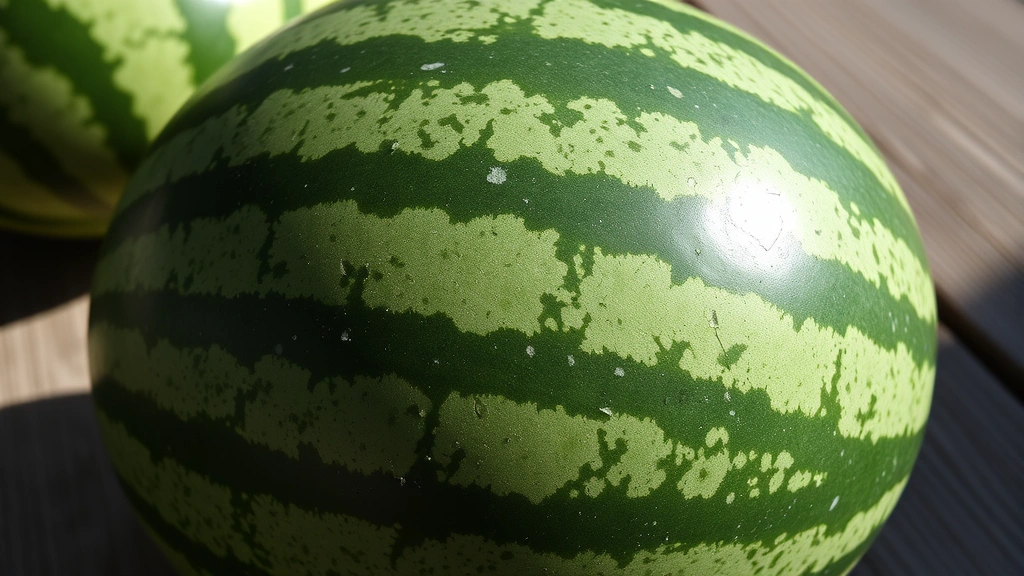
A Sugar Baby watermelon is a small, round variety of watermelon that’s prized for its exceptional sweetness and compact size. These watermelons typically have a dark green exterior with faint striping, and their flesh is a vibrant red color with relatively few seeds. The defining characteristic is their dense, crisp texture and remarkably high sugar content—hence the charming name.
The fruit’s shape is distinctly globe-like, almost spherical, which distinguishes it from longer, oblong watermelon varieties. This rounded form isn’t just aesthetically pleasing; it actually contributes to more even ripening throughout the fruit. The rind is moderately thick, providing protection during transport while remaining thin enough that cutting isn’t an arduous task.
What makes Sugar Baby watermelons particularly special is their sugar concentration, which typically ranges from 11 to 13 percent Brix (a measurement of sugar content). To put this in perspective, many commercial watermelons contain between 8 to 10 percent sugar. This higher sweetness level means you’re getting genuine flavor complexity rather than just watery fruit.
The flesh consistency is another selling point. Sugar Baby watermelons have a firm, almost meaty texture that doesn’t become mushy quickly after cutting. This makes them excellent for meal planning, as they maintain their quality for several days when properly stored. Families who prepare fruit platters in advance appreciate this characteristic tremendously.
History and Origin of the Variety
The Sugar Baby watermelon variety emerged in the 1950s as American agricultural research focused on developing watermelons suited to home gardeners rather than commercial farming operations. Before this era, most watermelons available to consumers were large varieties designed for shipping to distant markets and storage in warehouses. The introduction of Sugar Baby varieties revolutionized home gardening and suburban agriculture.
This heirloom variety was developed with specific characteristics in mind: compact growth habits, reliable ripening in shorter growing seasons, and exceptional flavor. The breeding program that created Sugar Baby watermelons prioritized home gardeners’ needs, making them one of the first commercially successful small watermelon varieties marketed directly to families.
The name itself reflects the affectionate relationship American home gardeners developed with this fruit. It conveys both the diminutive size and the sweet nature of the watermelon. Over the decades, Sugar Baby has maintained its popularity among gardening enthusiasts and farmers markets, becoming synonymous with quality home-grown watermelons.
Today, Sugar Baby remains one of the most reliable and beloved heirloom watermelon varieties. Seed catalogs consistently offer multiple Sugar Baby cultivars, and home gardeners across the United States continue to grow them for family consumption and local markets. This longevity speaks volumes about the variety’s genuine appeal and consistent performance.
How to Select the Perfect Sugar Baby Watermelon
Selecting a ripe Sugar Baby watermelon requires developing a few sensory skills, but it’s absolutely learnable. The first indicator is appearance. Look for a melon with a uniform dark green color and minimal blemishes. The striping pattern should be visible and relatively even across the surface. Avoid melons with large soft spots, as these indicate overripeness or decay.
The weight test is crucial. Pick up the watermelon and assess its heft relative to its size. A ripe Sugar Baby watermelon should feel surprisingly heavy for its compact dimensions. This density indicates high water and sugar content. A watermelon that feels light relative to its size likely contains excess air and less flavor.
The sound test, while somewhat subjective, provides valuable information. Tap the watermelon gently with your knuckle. A ripe melon produces a hollow, resonant sound. If it sounds dull or thuddy, it’s likely underripe. However, don’t rely solely on this method—combine it with visual and tactile assessments.
Examine the bottom spot, called the field spot. This is where the watermelon rested on the ground while growing. A creamy yellow or golden field spot indicates full ripeness. If this spot is white or pale green, the melon likely picked too early and won’t have developed its full sweetness.
Press gently on the melon’s surface. The rind should be firm and resistant to pressure, not yielding or soft. If your thumb leaves an indentation, the watermelon is overripe. A properly ripe Sugar Baby watermelon has a firm exterior that resists gentle pressure.
When shopping at farmers markets, engage with the grower directly. They can tell you exactly when the melons were picked and provide insights into their growing practices. This personal interaction often leads to better selections than supermarket shopping, where melons may have been in transit for days.
Consider purchasing from sources that specialize in heirloom varieties. These vendors typically understand Sugar Baby watermelons intimately and can guide you toward the finest specimens. Many farmers markets also offer the opportunity to taste before purchasing, which eliminates guesswork entirely.
Growing Sugar Baby Watermelons at Home
Growing Sugar Baby watermelons in your home garden is remarkably achievable, even for gardeners with moderate experience. These plants are less demanding than many heirloom vegetables and reward consistent care with abundant harvests. The first step is understanding your climate. Sugar Baby watermelons thrive in warm weather and require full sun—at least six to eight hours daily.
Soil preparation is fundamental. Watermelons prefer well-draining soil enriched with organic matter. Before planting, incorporate compost or aged manure into your planting beds. The soil pH should ideally range between 6.0 and 7.0. If you’re unsure about your soil composition, consider getting a soil test through your local agricultural extension office.
Timing matters significantly. Plant Sugar Baby watermelon seeds or transplants after the last frost date when soil temperatures reach at least 60 degrees Fahrenheit, ideally 70 degrees or higher. The seeds germinate within seven to ten days under proper conditions. Space plants about three feet apart to allow adequate air circulation and room for vine growth.
Watering requirements are consistent but not excessive. Watermelons need approximately one inch of water weekly, either from rainfall or irrigation. Water deeply but infrequently, encouraging deep root development. Drip irrigation or soaker hoses work wonderfully, as they deliver water directly to the root zone while minimizing leaf wetness, which can promote disease.
Fertilization should be moderate. While watermelons are heavy feeders, excessive nitrogen produces lush foliage at the expense of fruit development. Apply a balanced fertilizer when vines begin running, then switch to a lower-nitrogen formula once flowering begins. Many gardeners use organic options like fish emulsion or compost tea with excellent results.
Pest management in home gardens typically requires minimal intervention. Sugar Baby watermelons face occasional challenges from cucumber beetles and squash vine borers, but these can usually be managed through physical removal, netting, or organic insecticides like neem oil. Regular garden inspection catches problems early, before they become serious.
Harvesting occurs approximately 70 to 80 days after planting, depending on your climate and growing conditions. The telltale signs of ripeness are the same as when selecting at markets: firm rind, hollow sound when tapped, creamy field spot, and that characteristic heavy weight. Cut the melon from the vine using a sharp knife rather than pulling, which can damage the plant.
Nutritional Benefits and Health Advantages
Sugar Baby watermelons deliver impressive nutritional value despite their high water content. These fruits are approximately 92 percent water, making them exceptionally hydrating—particularly valuable during hot summer months when families spend time outdoors. This high water content means you’re getting substantial volume with minimal calories, making watermelon an excellent choice for weight-conscious eating.
The nutritional profile is genuinely impressive. A typical serving contains lycopene, a powerful antioxidant that gives watermelon its red color. Research from the National Institutes of Health indicates that lycopene consumption supports heart health and may reduce certain cancer risks. Sugar Baby watermelons contain particularly high concentrations of this beneficial compound.
Citrulline, an amino acid abundant in watermelon, converts to arginine in the body, supporting cardiovascular function and blood flow. Athletes and fitness enthusiasts have discovered that watermelon consumption can enhance exercise performance and recovery. Families incorporating watermelon into their diet benefit from these cardiovascular advantages across all age groups.
Vitamins and minerals present in Sugar Baby watermelons include vitamin C, which supports immune function, and potassium, essential for heart rhythm and muscle function. These nutrients work synergistically with the fruit’s other components to support overall wellness. The natural sugars in watermelon provide quick energy without the refined sugar crash associated with processed foods.
For parents introducing solid foods to infants, watermelon can be an excellent option once appropriate developmental stages are reached. The soft texture and natural sweetness appeal to young palates. Always consult your pediatrician regarding appropriate timing for introducing new foods, and when you’re ready to explore nutritious options, consider resources about baby food maker options for preparing fresh fruit purees.
Delicious Ways to Serve and Prepare
The versatility of Sugar Baby watermelons extends far beyond simple slicing and eating. While that’s certainly enjoyable, creative preparation methods unlock additional culinary possibilities. Fresh watermelon salads combining the fruit with feta cheese, fresh mint, and lime juice have become modern classics. The interplay between sweet melon, salty cheese, and bright citrus creates sophisticated flavor combinations.
Watermelon gazpacho, a chilled soup, showcases how versatile this fruit truly is. Blended with tomatoes, cucumbers, and a touch of red wine vinegar, it becomes an elegant summer appetizer. Families hosting gatherings can prepare this ahead, making it ideal for entertaining. The beautiful pink color and refreshing taste impress guests while requiring minimal last-minute preparation.
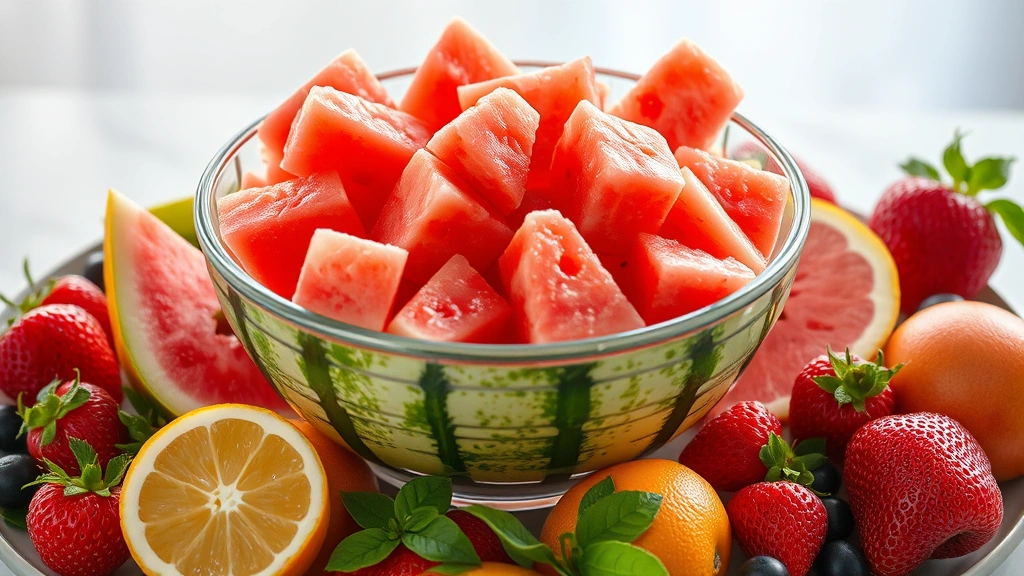
For special occasions, consider incorporating Sugar Baby watermelon into your baby shower food ideas. Watermelon-based fruit platters with complementary fruits create visually stunning presentations. The natural sweetness pairs beautifully with other summer fruits, and the bright red color adds festive appeal to any gathering.
Grilled watermelon has become increasingly popular among adventurous cooks. Slice the melon into thick planks, grill briefly until char marks appear, then drizzle with balsamic reduction and fresh herbs. The heat intensifies the sweetness while adding subtle smoky notes. This preparation method surprises and delights diners expecting cold, raw fruit.
Watermelon agua fresca, a traditional Mexican beverage, transforms the fruit into a refreshing drink. Blend watermelon with lime juice and water, strain, and serve over ice. It’s hydrating, naturally sweet, and requires no added sugars. Families can prepare large batches for picnics or outdoor activities, keeping everyone refreshed throughout the day.
For those planning baby shower food presentations, watermelon carved into decorative shapes creates memorable centerpieces. While this requires some artistic skill, watermelon’s firm texture makes it surprisingly workable for carving projects. Consider simple designs like baskets or flowers that complement your event’s theme.
Frozen watermelon treats offer another dimension of enjoyment. Puree the fruit and freeze in popsicle molds for homemade frozen treats that beat commercial options in both nutrition and flavor. Children particularly enjoy these naturally sweet frozen snacks, and parents appreciate the ingredient transparency.
Storage Tips and Shelf Life
Proper storage extends the enjoyment of your Sugar Baby watermelon significantly. An uncut whole watermelon remains fresh at room temperature for about a week, though refrigeration extends this considerably. Most families prefer chilling watermelon before consumption anyway, so storing in the refrigerator makes practical sense. A whole Sugar Baby watermelon fits comfortably in most standard refrigerators, unlike larger varieties.
Once cut, cover exposed flesh with plastic wrap or place in an airtight container. Properly stored cut watermelon maintains quality for three to five days in the refrigerator. The key is preventing the flesh from absorbing odors from other foods and avoiding excessive moisture loss. If you notice the edges becoming slightly soft or discolored, trim them away before serving.
For extended storage, freezing is viable, though the texture becomes softer after thawing. Cube or ball the melon, spread on a baking sheet to freeze individually, then transfer to freezer bags. Frozen watermelon works wonderfully in smoothies, agua fresca, or other blended preparations where texture matters less than flavor.
If you’re growing your own Sugar Baby watermelons and harvesting multiple fruits simultaneously, consider preserving them through pickling the rind. Watermelon rind pickles are a traditional preparation that extends the usable portion of the fruit. The tender rind, when properly pickled with vinegar and spices, becomes a unique condiment or side dish.
Temperature is crucial for storage success. Keep whole watermelons above 50 degrees Fahrenheit; temperatures below this can damage the flesh and impair flavor. Cut watermelon should be stored at 32 to 36 degrees Fahrenheit for optimal preservation. Many home gardeners store their harvest in root cellars or cool basements during peak harvest season.
When preparing watermelon for baby water or hydration purposes, use fresh-cut fruit and consume within a few hours. While watermelon itself is primarily water, once cut and exposed to air, it begins losing nutritional value. Freshness ensures maximum hydration benefits and nutrient retention.
For those exploring produce varieties, understanding storage needs helps with meal planning. Similar knowledge applies to other produce like baby bella mushrooms, which also require specific refrigeration conditions for optimal preservation.
Frequently Asked Questions
Are Sugar Baby watermelons seedless?
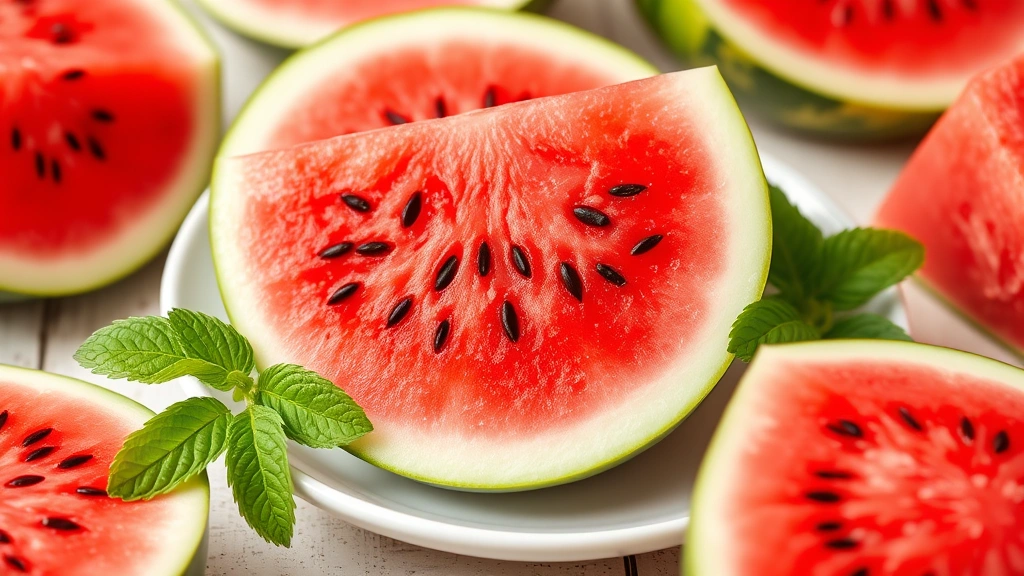
No, Sugar Baby watermelons are not seedless. They contain small black seeds scattered throughout the flesh. These seeds are completely edible and harmless, though some people prefer to remove them. The seed quantity is moderate—fewer seeds than many commercial varieties but more than seedless hybrids. Many people find the seeds add nutritional value and don’t find them objectionable.
How do I know if my Sugar Baby watermelon is ripe?
Multiple indicators confirm ripeness: a firm, dark green exterior with visible striping, a creamy yellow field spot on the bottom, a hollow sound when tapped gently, and significant weight for its size. The melon should resist gentle pressure without yielding. Combining these indicators provides reliable ripeness assessment without guesswork.
Can I grow Sugar Baby watermelons in containers?
Yes, you can grow Sugar Baby watermelons in large containers, though they perform better in ground gardens. Use containers at least 20 gallons in volume with excellent drainage. Provide sturdy trellising to support vines vertically, saving space while ensuring good air circulation. Container-grown melons require more frequent watering and feeding than ground-planted varieties.
What’s the difference between Sugar Baby and other small watermelon varieties?
Sugar Baby watermelons are distinguished by their round shape, exceptional sweetness, and reliable ripening. Other small varieties like Petite or Mini watermelons may be larger or have different flavor profiles. Sugar Baby’s consistent quality and proven track record across diverse growing regions make it uniquely popular among home gardeners and farmers markets.
How much does a typical Sugar Baby watermelon weigh?
Most Sugar Baby watermelons weigh between 8 and 12 pounds at maturity. This size is ideal for families of four to six people, providing adequate quantity without excessive surplus. The compact weight makes them easy to handle and transport, and they fit comfortably in standard refrigerators.
Are Sugar Baby watermelons organic?
Sugar Baby is a variety designation, not an organic certification. You can find both organic and conventionally grown Sugar Baby watermelons. Farmers markets and specialty produce vendors often carry organic options. If organic certification matters to you, inquire about growing practices when purchasing from farmers or check for organic labeling in supermarkets.
What’s the best time to harvest Sugar Baby watermelons?
Harvest Sugar Baby watermelons 70 to 80 days after planting, typically mid to late summer in most climates. Timing depends on your specific growing region and spring planting date. Use the ripeness indicators described earlier to determine exact harvest timing. Melons continue ripening somewhat after picking, so slight underripeness at harvest is preferable to overripeness.
Can I eat the watermelon rind?
Yes, watermelon rind is completely edible, though the tender inner white portion is preferred over the tough outer skin. Many cultures traditionally prepare watermelon rind pickles or cook the rind as a vegetable. The rind contains nutrients and fiber, making it a worthwhile use of the entire fruit if you’re committed to reducing food waste.