What Is a Baby Box? Expert Guide to This Game-Changing Parenting Essential
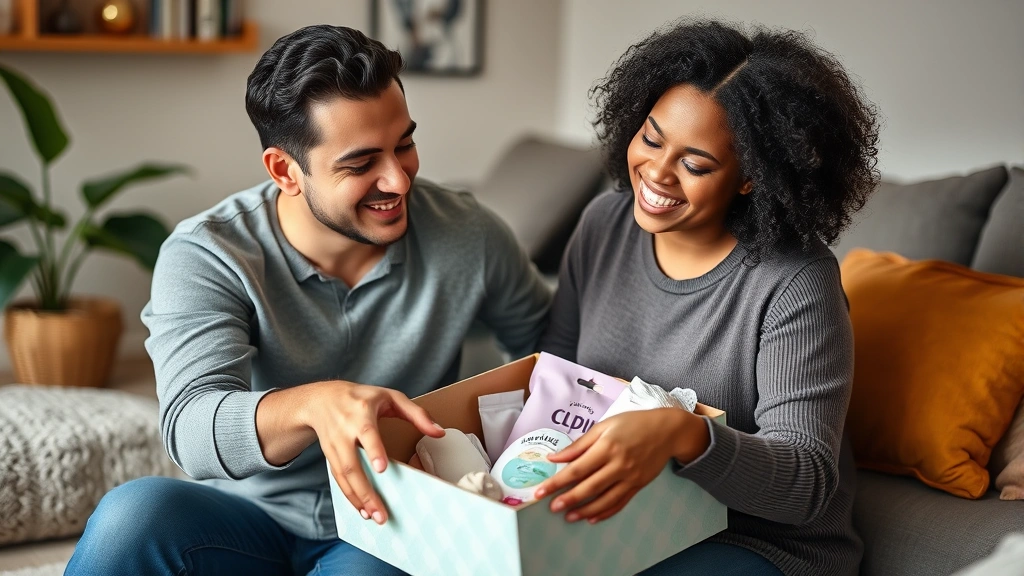
If you’ve scrolled through parenting forums or attended a modern baby shower lately, you’ve probably heard the buzz about baby boxes. But what exactly is a baby box, and why are parents everywhere raving about them? The answer is simpler than you might think, yet the benefits are surprisingly comprehensive.
A baby box is essentially a curated collection of essentials specifically chosen for newborns and young infants. Think of it as someone took a deep breath, looked at everything a new parent actually needs, and bundled it into one thoughtfully organized package. The concept originated in Finland in the 1930s as part of a public health initiative, and it’s since evolved into a beloved tradition that’s now gaining serious traction worldwide.
What makes baby boxes so appealing isn’t just the convenience factor—though that’s certainly part of it. It’s the peace of mind that comes with knowing you have everything covered, the joy of unboxing carefully selected items, and often, the financial relief when you’re stretching a tight budget during those first precious months.
The Origins and Evolution of Baby Boxes
Let’s rewind to 1930s Finland for a moment. The Finnish government was grappling with high infant mortality rates and wanted to level the playing field for families across all income levels. Their solution? The maternity package—a box filled with essential items for newborns and new mothers. It was revolutionary for its time, and honestly, it still holds up today.
This wasn’t just about giving stuff away; it was about ensuring every baby, regardless of their family’s financial situation, had access to quality essentials like clothing, blankets, and hygiene products. The program worked spectacularly. Finland’s infant mortality rate plummeted, and the tradition stuck around. Fast forward to today, and Finnish parents still receive these boxes, which have become something of a cultural institution.
The concept eventually caught the attention of parents and companies globally. American retailers and subscription services saw an opportunity to bring this Finnish wisdom stateside, adapting it to suit contemporary parenting needs and preferences. What started as a government health initiative has transformed into a multi-faceted industry that includes luxury subscription boxes, budget-friendly options, and everything in between.
According to the American Academy of Pediatrics, having essential items organized and accessible from day one contributes to reduced parental stress and better outcomes for newborn care. This research validates what Finnish families have known for nearly a century.
What’s Actually Inside a Baby Box
The contents of a baby box vary depending on the provider and price point, but most share a common philosophy: include practical items that new parents will actually use, rather than decorative trinkets that look nice on a shelf.
Here’s what you’ll typically find in a standard baby box:
- Clothing essentials: Onesies, bodysuits, and sleep sacks in various sizes. Most boxes include newborn and 0-3 month sizes since babies grow at lightning speed.
- Bedding and blankets: A quality baby blanket is almost always included, often featuring soft, breathable fabrics that meet safety standards.
- Diaper and changing supplies: Sample diapers, wipes, and diaper cream to get you started without committing to a full bulk purchase.
- Bath and hygiene items: Gentle cleansers, shampoo, and moisturizers formulated specifically for delicate newborn skin.
- Feeding supplies: Depending on the box, this might include bottles, breast pump parts, or nursing pads.
- Comfort items: Pacifiers, a small stuffed animal, or a swaddle blanket to help soothe fussy newborns.
- Documentation and guides: Many boxes include helpful checklists, milestone cards, or parenting guides.
Premium baby boxes often go further, including items like baby booties, specialized skincare products, or even tech gadgets like white noise machines. The variety means there’s truly something for every budget and preference.
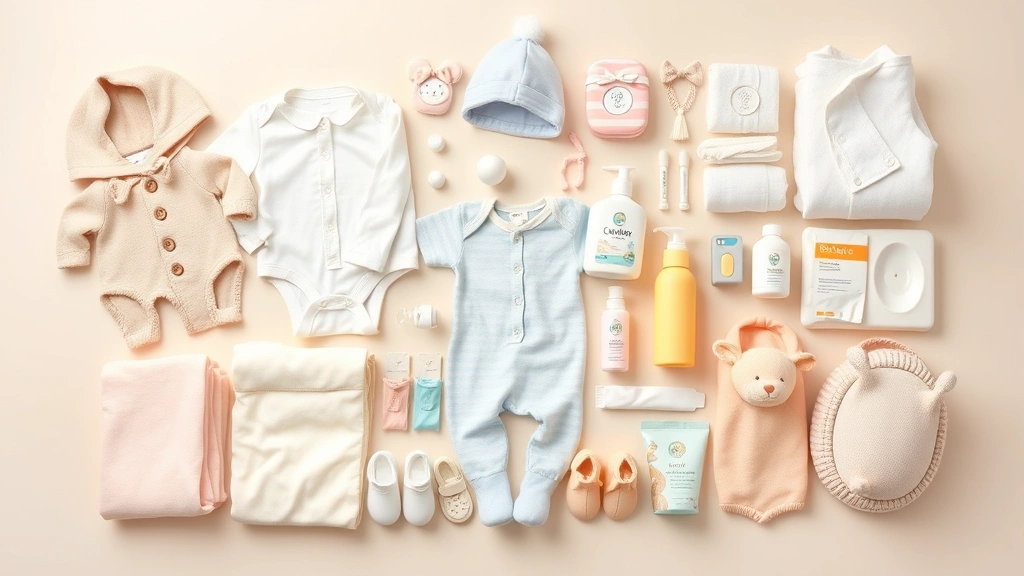
One thing you won’t typically find in quality baby boxes? Cheap plastic toys or items that don’t serve a genuine purpose. Reputable providers understand that new parents appreciate practicality over excess.
Types of Baby Boxes Available
The baby box market has exploded with options, each serving different needs and preferences. Understanding the landscape helps you make an informed choice.
Subscription-Based Baby Boxes
These are probably what you think of when you hear “baby box.” Companies like Babylist, The Pampers Swaddlers Box, and various boutique services send curated items monthly or quarterly. You typically customize your preferences based on your baby’s age, gender, and your lifestyle. Subscription boxes range from budget-friendly ($20-40/month) to luxury options ($100+/month).
One-Time Purchase Boxes
Perfect for gift-giving or one-shot preparation, these boxes are sold as complete packages rather than recurring subscriptions. They’re ideal if you want to stock up without ongoing commitments. Many retailers offer these during peak baby season (typically January and September).
Themed and Specialty Boxes
Need a box specifically for a newborn photo shoot? Looking for eco-friendly options? Craving baby shower favors that double as practical items? The market has you covered. Specialty boxes cater to specific interests, values, or occasions.
DIY and Curated Gift Boxes
Some parents and gift-givers create their own baby boxes, selecting individual items that align with the parents’ preferences. This personalized approach often combines store-bought items with handmade touches.
Are Baby Boxes Worth the Investment
Here’s the honest truth: whether a baby box is worth it depends entirely on your circumstances, priorities, and what you’re comparing it to.
The Financial Argument
If you calculate the retail value of items in most baby boxes, they typically exceed the box’s price point by 20-40%. So from a pure value perspective, you’re getting more than you pay for. However, that calculation only matters if you actually need and use those items.
For parents on tight budgets, baby boxes can be genuinely life-changing. They provide essential items without the stress of wondering what to buy first. The free baby stuff programs and discounted boxes available through certain retailers and nonprofits make this even more accessible.
The Convenience Factor
There’s real value in not having to research, compare, and purchase dozens of individual items. New parents are exhausted. If a baby box saves you three hours of shopping and decision-making, that’s worth something. Plus, many boxes arrive ready to go, which means less stress during those chaotic final weeks of pregnancy.
The Peace of Mind Element
Knowing you have quality essentials ready and waiting reduces anxiety. You’re not scrambling at 2 AM wondering if you bought the right type of blanket or if your diaper choice is appropriate. That psychological comfort has genuine value, even if it’s hard to quantify.
According to research from the CDC, parental stress during the first months significantly impacts both parent and baby wellbeing. Anything that reduces unnecessary stress contributes to better outcomes.
When Baby Boxes Might Not Be Ideal
If you already have mountains of hand-me-downs from friends and family, a subscription box might be redundant. If you have very specific preferences about product brands or materials, you might be better off shopping independently. And if you’re genuinely strapped for cash, that money might be better spent on essentials you know you’ll need in bulk, like diapers.
How to Choose the Right Baby Box
Not all baby boxes are created equal. Here’s how to find one that actually aligns with your needs.
Identify Your Priority
Ask yourself: Am I looking for budget relief? Convenience? A specific aesthetic? A gift for someone else? Your primary goal shapes which box makes sense. Budget-conscious families might prioritize value-per-dollar, while gift-givers might care more about presentation and personalized baby blankets or customization options.
Check Ingredient and Material Lists
If your baby has sensitive skin or you prefer organic products, don’t assume all boxes include premium items. Read the detailed contents lists before purchasing. Look for hypoallergenic certifications, organic labeling, and cruelty-free credentials if those matter to you.
Read Reviews From Actual Parents
Not influencer reviews—actual parent reviews. What did they genuinely use? What sat in a drawer untouched? Did the box actually solve their problems, or did it include random items they didn’t need? Parent forums and review sites like BabyCenter or What to Expect provide honest feedback.
Consider Size and Storage
Some baby boxes are genuinely compact. Others are massive and require dedicated storage space. If you’re living in a small apartment or have limited closet space, this matters. Check dimensions before ordering.
Evaluate Customization Options
Can you skip items you don’t need? Can you choose between options? Boxes with flexibility are generally better investments because you’re not paying for things that’ll go unused. Many subscription services now offer this feature.
Think About Gender-Neutral Options
If you’re buying for someone whose baby’s gender is unknown or if you prefer gender-neutral items, check whether the box offers this. Many modern providers have moved away from pink-and-blue stereotyping, but not all have.
DIY Baby Box Ideas
Want to create a personalized baby box without buying a pre-made package? This approach works wonderfully for gifts or if you want total control over contents.
Start With a Quality Container
You need something sturdy and attractive. Options include wooden crates, decorative boxes, fabric-lined baskets, or even repurposed storage containers. The Finnish tradition literally uses a cardboard box, so don’t feel pressured to get fancy.
Layer Your Items Strategically
Start with larger items on the bottom and work your way up to smaller items. Include a nice baby girl clothes set or gender-neutral clothing, soft blankets, and practical necessities. Add a personal touch with a handwritten note or custom card.
Mix Practical and Sentimental
Include everyday essentials, but also add something meaningful—perhaps a family heirloom blanket, a custom onesie with a funny saying, or a beautiful keepsake item. This balance makes the box feel special rather than purely transactional.
Theme Your Box
Create a “first night home” box with cozy items, a “self-care for mom” box with postpartum essentials, or a “milestone memory” box with items for capturing first photos. Themed boxes feel more intentional and thoughtful.
Include a Resource Guide
Print out a simple guide with your favorite parenting resources, pediatrician recommendations, or local parent groups. This adds genuine value beyond the physical items.
The beauty of a DIY baby box is that it reflects your relationship with the parents-to-be and your understanding of what they specifically need. That personalization often matters more than any pre-assembled box.
Frequently Asked Questions
What age are baby boxes designed for?
Most baby boxes focus on newborns through 6-month-olds, with particular emphasis on the first three months. Some subscription services offer age-appropriate boxes that grow with your baby, adjusting contents as your child develops. If you’re considering a subscription, check whether it adapts to your baby’s changing needs or if it’s a one-size-fits-all approach.
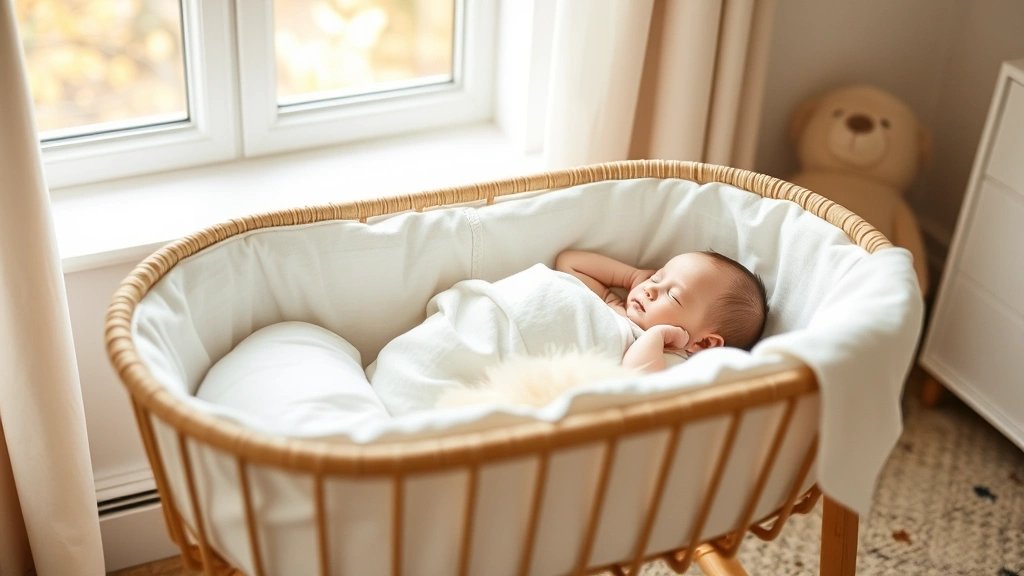
Can I use a baby box as a safe sleep space?
This depends on the specific box. Some companies, particularly those following the Finnish model, design boxes that function as safe co-sleepers or bassinet alternatives. However, not all baby boxes meet safe sleep standards. Always check product specifications and safety certifications before using any box for sleeping. The Safe Kids organization provides guidelines on safe infant sleep environments.
Are baby boxes hygienic if they’re used as sleep spaces?
If the box is designed for dual use (storage and sleeping), manufacturers typically use materials that can be wiped clean and are washable. However, a cardboard box used for storage isn’t appropriate for sleeping. If you’re interested in this dual-purpose concept, purchase a box specifically designed for it rather than repurposing a regular storage box.
How much do baby boxes typically cost?
Prices range dramatically. Budget options start around $25-50, mid-range boxes typically cost $50-150, and luxury subscription boxes can exceed $200 per month. One-time purchase boxes are usually less expensive than monthly subscriptions calculated over time.
Can I gift a baby box subscription to someone?
Absolutely. Many services offer gift subscriptions that you can customize and present as a present. You typically choose the duration (3 months, 6 months, or a year) and the recipient receives access to their subscription. It’s a gift that keeps giving rather than a one-time present.
What if my baby has allergies or sensitivities?
This is crucial. Always disclose any known allergies or sensitivities when setting up a baby box subscription or when purchasing a pre-made box. Many services allow you to exclude specific brands or ingredients. If you’re unsure about ingredients, contact the company before purchasing. It’s better to ask questions than deal with allergic reactions.
Are eco-friendly baby boxes available?
Yes. Several companies now offer sustainable baby boxes with organic clothing, eco-friendly packaging, and responsibly-sourced items. These typically cost more than standard boxes but appeal to environmentally-conscious families. Check product descriptions and company values statements to find options aligned with your sustainability priorities.
Can I start a baby box subscription after my baby is born?
Definitely. While many people start subscriptions during pregnancy, you can sign up anytime. Some services even offer “catch-up” boxes if you’re joining later. The advantage of starting after birth is that you know exactly what you still need rather than guessing during pregnancy.