What to Know About Raising an Asian Baby Boy
Bringing an Asian baby boy into your family opens up a beautiful tapestry of cultural traditions, values, and contemporary parenting considerations. Whether you’re navigating cultural identity, health considerations specific to Asian populations, or simply want to honor your heritage while raising a modern child, there’s a lot to think about. The journey of raising an Asian baby boy isn’t about checking boxes or adhering to stereotypes—it’s about thoughtfully blending cultural wisdom with evidence-based parenting practices that work for your unique family.
The experience of parenting an Asian child in today’s diverse world brings both unique joys and distinct challenges. From understanding health screenings recommended for Asian populations to thoughtfully introducing cultural practices, from selecting appropriate baby boy clothes that reflect your heritage to navigating identity conversations as your son grows, there’s genuine depth to explore. This guide walks you through practical, compassionate approaches to raising your son in a way that honors where he comes from while preparing him for where he’s going.
What makes parenting an Asian baby boy particularly rewarding is the opportunity to pass down meaningful traditions while remaining fully present in his contemporary life. It’s about balance—not forcing cultural identity, but making it accessible and celebrated.
Health Considerations for Asian Baby Boys
Asian populations have specific health considerations that differ from general pediatric guidelines, and being informed helps you advocate effectively for your son’s wellbeing. Lactose intolerance prevalence is significantly higher in Asian populations—studies show that up to 90% of East Asian adults develop lactose intolerance after infancy. This doesn’t mean your baby can’t digest milk formula, but it’s worth discussing alternative dairy options with your pediatrician as your son grows into solid foods.
Vitamin D deficiency is another important consideration. Research indicates that individuals with darker skin pigmentation require more sun exposure to produce adequate vitamin D, and Asian populations living in northern climates face heightened risk. According to the American Academy of Pediatrics, all infants should receive vitamin D supplementation, but this becomes especially important for Asian babies. Regular monitoring through blood tests, particularly around the first year, can help catch deficiencies early.
Genetic screening for carrier status of conditions like thalassemia and other hemoglobinopathies is particularly relevant for babies of Southeast Asian, South Asian, and East Asian descent. These conditions are more prevalent in these populations, and knowing carrier status helps with family planning and early intervention if needed. Have this conversation with your pediatrician at your first visits.
Additionally, research from the CDC shows that Asian American infants have different growth patterns compared to Caucasian reference standards. Your pediatrician may use WHO growth charts, which provide more culturally appropriate benchmarks for Asian children. Don’t panic if your son’s growth curve differs slightly from standard charts—discuss this with your healthcare provider to ensure you’re using appropriate reference standards.
Building Cultural Identity Without Pressure
One of the most delicate aspects of raising an Asian baby boy is fostering genuine cultural connection without creating pressure or obligation. Cultural identity develops organically when it’s woven naturally into daily life rather than imposed as duty. Your son will absorb values, language patterns, and cultural markers through consistent exposure and your own authentic engagement with your heritage.
Start early with what feels genuine to you. If you speak your heritage language, using it at home from infancy gives your son a natural foundation. Research shows that bilingual children raised in homes where both languages are actively used develop stronger cognitive flexibility. It doesn’t have to be perfect—your accented English mixed with your mother tongue is infinitely more valuable than a sterile, formal approach to language learning.
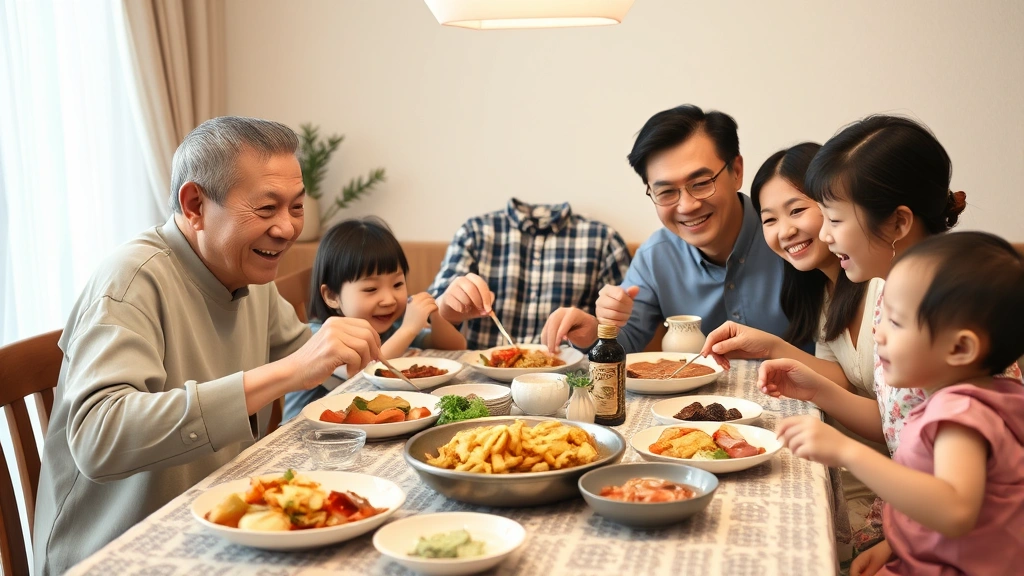
Cultural traditions work best when they’re joyful rather than obligatory. Celebrating holidays, preparing traditional foods, and sharing stories should feel like gifts you’re offering, not tests your son must pass. When your enthusiasm is genuine, children naturally absorb that cultural pride. If you’re uncertain about certain traditions or weren’t raised with them yourself, this is perfectly normal and nothing to feel guilty about. Many parents navigate their own cultural identity while parenting, and that journey is valid too.
Be thoughtful about representation. Ensure your son sees people who look like him in books, toys, media, and his immediate environment. Diverse representation normalizes his appearance and helps him develop healthy self-image. This extends beyond tokenism—seek out creators, authors, and media makers from your cultural background who authentically represent contemporary Asian life.
Nutrition and Feeding Practices
Feeding an Asian baby boy often involves blending traditional nutritional wisdom with modern pediatric guidance. Many Asian cultures have specific foods considered especially nourishing for babies and young children. Bird’s nest soup, bone broths, and specific herbs are traditional postpartum and infant nutrition staples in many Asian cultures. While some of these have genuine nutritional benefits, always discuss any supplements or unconventional foods with your pediatrician before introducing them.
When it comes to solid food introduction, many Asian families have strong traditions around first foods. Rice cereal, congee (rice porridge), and other grain-based foods are common starting points. The AAP’s current guidance suggests introducing a variety of foods, including potential allergens, early and often to reduce allergy development risk. This aligns well with traditional Asian weaning practices that often introduce diverse flavors early.
Be aware of sodium content in traditional Asian foods. Many traditional baby foods and broths can be higher in sodium than recommended for infants. The American Heart Association recommends minimal added salt for babies under one year. You can honor traditional recipes by preparing them with reduced sodium specifically for your baby, then adding salt for adult family members at the table.
Fish is a nutritional cornerstone in many Asian diets, but mercury content in certain fish species is a consideration. Lower-mercury options like salmon, sardines, and anchovies are excellent choices. Avoid high-mercury fish like shark, swordfish, and king mackerel for your young son. Introducing diverse proteins early—including tofu, legumes, and eggs alongside fish—creates a robust nutritional foundation.
Dressing Your Son: Practical and Cultural
Choosing baby boy clothes involves both practical considerations and cultural expression. Many Asian families appreciate quality fabrics and thoughtful design, and this preference can guide your choices. Natural fibers like cotton and silk are traditional preferences in many Asian cultures, partly due to climate considerations and partly due to aesthetic values.
If you’re interested in traditional clothing, options range from occasional wear to everyday incorporation. Cheongsams, hanboks, traditional Chinese or Vietnamese clothing, and other heritage garments can be beautiful choices for special occasions or regular wear, depending on your family’s comfort level. Many contemporary designers create modern interpretations of traditional children’s clothing that blend cultural elements with contemporary style.
For everyday wear, baby boy shoes and clothing can reflect your values while keeping your son comfortable and practical. Many Asian cultures have specific color preferences for babies—certain colors are considered auspicious or protective. If these resonate with you, incorporating them naturally into your clothing choices is a lovely way to honor tradition without making it feel forced.
Consider your climate and lifestyle when selecting fabrics. Breathable materials work better in humid tropical climates, while layering options suit temperate regions. Many Asian families appreciate gender-neutral baby clothes options that allow flexibility as children grow and develop their own preferences, though this varies by family and cultural background.
When shopping for baby boy gifts or building your son’s wardrobe, seek out brands that represent diverse ethnicities and body types. This ensures your son sees himself reflected in the imagery and marketing, building positive associations with his own appearance from infancy.
Language Development and Communication
Bilingual or multilingual development is one of the greatest gifts you can offer your Asian baby boy. Children exposed to multiple languages from birth develop the neural pathways to process and produce all of them naturally. Research consistently shows that bilingual children have cognitive advantages in executive function, attention, and mental flexibility.
If you speak your heritage language, using it at home is the most effective approach. The “one parent, one language” method works well for many families, where one parent primarily speaks the heritage language while the other speaks English. Alternatively, many families use both languages interchangeably, which also effectively develops bilingualism.
Early language exposure doesn’t require perfection. Your son will learn authentic pronunciation and natural speech patterns from hearing you speak your heritage language, even if your English is your dominant language. Code-switching—naturally mixing languages—is developmentally normal and beneficial, not confusing.
Be aware that language development might follow different timelines for multilingual children. Your son might say fewer total words initially while his brain processes multiple language systems, but this evens out by school age. If you have concerns about speech development, consult a speech-language pathologist experienced with multilingual children, as standard monolingual benchmarks don’t apply.
Consider media consumption thoughtfully. Children’s programming in your heritage language, audiobooks, and music all support language development while your son is engaged in normal play and development.
Celebrations and Family Traditions
Family celebrations and traditions create the emotional scaffolding of childhood. Whether it’s Lunar New Year, Diwali, Tet, Mid-Autumn Festival, or other significant celebrations, involving your son in age-appropriate ways builds cultural connection and family belonging. Young children absorb the emotional significance of celebrations through sensory experiences—special foods, decorations, music, and family gathering energy.
For baby shower gift ideas or celebration planning, consider gifts that reflect your cultural values and aesthetic preferences. Many Asian cultures have specific auspicious items or symbolic gifts appropriate for babies and young children. These might include jade pieces, specific colors, or items representing longevity and protection.
Create new family traditions that blend your heritage with your current life. Perhaps you establish a monthly family meal featuring your heritage cuisine, or seasonal celebrations that incorporate both traditional and contemporary elements. These rituals, repeated year after year, become the fabric of your son’s childhood memories and identity.
Involve extended family in celebrations when possible. Grandparents, aunts, uncles, and cousins play crucial roles in transmitting cultural knowledge and creating belonging. If family is geographically distant, technology enables video calls during celebrations, virtual story-sharing, and other connection points.
Education and Values
Education holds particular significance in many Asian cultures, and navigating this value system while raising a modern child requires thoughtfulness. The stereotype of the “model minority” and excessive academic pressure can be harmful if internalized without reflection. Your goal is fostering genuine intellectual curiosity and resilience, not perfection or achievement at any cost.
Research from developmental psychology shows that intrinsic motivation—doing things because you find them genuinely interesting—leads to better long-term learning outcomes than extrinsic motivation like grades or parental pressure. Encourage your son to explore subjects that genuinely interest him, ask questions, and develop problem-solving skills rather than pursuing achievement for its own sake.
Balance academic support with emotional wellness. Many Asian families emphasize academic excellence but sometimes minimize emotional expression or mental health needs. Explicitly teach your son that emotions are valid, that struggling emotionally is not weakness, and that asking for help is strength. Model these values in your own life.
Discuss values beyond academic achievement. Many Asian cultures emphasize filial piety, respect for elders, community contribution, and family loyalty. These values remain relevant in contemporary life and can be taught through example, conversation, and family practices rather than obligation or guilt.
Building Community and Belonging
Raising an Asian baby boy in a diverse society means intentionally building community where your son feels genuinely seen and belonged. This might include faith communities, cultural organizations, playgroups with other Asian families, or simply neighborhoods with ethnic diversity.
Belonging isn’t about finding “your people” exclusively—it’s about creating environments where your son’s identity is normal and celebrated, while also developing genuine connections across different backgrounds. Children who grow up in multicultural environments develop stronger cross-cultural competence and more flexible thinking.
Seek out mentors and role models who share your son’s background. These might be family members, family friends, teachers, coaches, or community leaders. Seeing adults who look like him succeeding in various fields normalizes possibility and expands his sense of what’s available to him.
Be proactive about addressing microaggressions and discrimination. Your son will eventually encounter comments about his appearance, accent, or cultural practices. Prepare him with language and frameworks for responding, validate his feelings when these moments occur, and help him develop resilience without internalizing shame about his identity.
Frequently Asked Questions
Should I raise my Asian baby boy bilingually, or focus on English for better school performance?
Research overwhelmingly supports bilingual development as cognitively beneficial with no negative impact on English acquisition. Children exposed to both languages from infancy develop strong skills in both. The “one language at a time” myth has been thoroughly debunked. If you speak a heritage language, using it at home is one of the greatest educational gifts you can offer. Your son will naturally acquire English through school, media, and community exposure.
How do I handle pressure to raise my son in overly strict ways that don’t align with my parenting philosophy?
Cultural values and parenting approaches vary widely, even within Asian families. You’re not obligated to parent exactly as your parents parented you, nor should you feel guilty for making different choices. Have honest conversations with family members about your parenting values. You might say, “I respect how you raised me, and I’m choosing a slightly different approach that feels right for our family.” Most relationships can accommodate different parenting philosophies with clear, respectful communication.
What if I’m mixed-race or adopted, and uncertain about cultural traditions?
Your authenticity matters more than perfect knowledge of traditions. If you’re learning your heritage alongside your son, that’s wonderful and creates genuine connection. If you’re mixed-race, your son has multiple heritages to explore, and all are equally valid. If you’re a non-Asian parent raising an Asian son, seek out cultural mentors, communities, and resources to help your son develop connection to his heritage. Your genuine effort and humility matter far more than perfect execution.
How do I prevent my son from experiencing the “model minority” stereotype?
Explicitly discuss stereotypes with your son as he grows. Help him understand that stereotypes—positive or negative—are limiting and inaccurate. Encourage him to pursue interests and paths that genuinely appeal to him rather than defaulting to stereotypical expectations. Support his emotional expression, his right to struggle, and his full humanity beyond academics. Model self-compassion and the understanding that worth isn’t tied to achievement.
What health screenings are specifically important for Asian babies?
Discuss with your pediatrician: vitamin D levels, lactose intolerance monitoring as your son grows, genetic screening for hemoglobinopathies if relevant to your specific heritage, and use of culturally appropriate growth charts. The CDC and AAP both provide guidance on health disparities and population-specific considerations. Your pediatrician should be a partner in ensuring your son receives culturally competent, evidence-based care.
How do I talk to my son about his identity and appearance as he grows?
Start early and keep conversations age-appropriate and ongoing rather than waiting for a single “talk.” Normalize conversations about physical appearance, celebrate diversity in your family and community, and explicitly affirm that his appearance is beautiful. As he grows, discuss his heritage, family history, and cultural connections in ways that feel natural. Answer his questions directly and honestly, and let him know that questions about identity are normal and valued.