Baby’s First Steps: Pediatricians Weigh In
Watching your baby take their first steps is one of the most magical moments in parenthood. That wobbly stride, the determination in their eyes, and the pure joy on their face create memories that last a lifetime. But as a parent, you likely have questions about when this milestone typically happens, what signs to watch for, and how you can safely support your little one through this exciting developmental phase.
The journey to those first independent steps is a complex process involving muscle development, balance, coordination, and cognitive growth. Every baby develops at their own pace, and understanding the typical timeline can help you appreciate your child’s unique progress without unnecessary worry. In this comprehensive guide, we’ll explore what pediatricians say about baby’s first steps, including developmental milestones, safety considerations, and practical ways to encourage movement.
Whether your baby is already cruising along furniture or still perfecting their crawling technique, this article will provide evidence-based insights to guide you through this exciting stage of development.
Table of Contents
- Timeline: When Do Babies Typically Walk?
- Developmental Stages Leading to Walking
- Signs Your Baby Is Ready for First Steps
- Safety Considerations for New Walkers
- Encouraging Your Baby to Walk
- Common Concerns Pediatricians Address
- Frequently Asked Questions
Timeline: When Do Babies Typically Walk?
According to the American Academy of Pediatrics, most babies take their first independent steps sometime between 12 and 15 months of age. However, the normal range for walking is quite broad—some babies walk as early as 9 months, while others don’t walk until 18 months or even later. This wide variation is completely normal and doesn’t indicate any developmental delay or advanced development.
The progression toward walking typically follows this general timeline:
- 6-8 months: Babies begin sitting independently and may start rocking back and forth
- 8-10 months: Crawling or scooting begins; babies pull themselves up to standing using furniture
- 10-12 months: Cruising along furniture while holding on; standing without support for brief moments
- 12-15 months: First independent steps; initial walking is unsteady and wide-based
- 15-18 months: Walking becomes more confident; running and climbing begin
It’s important to note that not all babies crawl before walking. Some babies scoot on their bottoms, some shuffle on their knees, and some go directly from standing to walking without a traditional crawling phase. As long as your baby is progressing through developmental milestones and moving their body in some way, these variations are all developmentally appropriate.
Before your baby walks independently, they’ll likely progress through several important movement skills. Understanding these earlier milestones, like when babies roll over and when babies start cooing, helps you appreciate the journey toward walking.
Developmental Stages Leading to Walking
Walking doesn’t happen overnight—it’s the result of months of physical development and practice. Understanding these progressive stages helps parents recognize their baby’s achievements and know what to expect next.
Rolling and Sitting
The foundation for walking begins with basic movement control. Babies typically start rolling from back to front around 4-6 months and develop independent sitting skills by 6-8 months. These achievements develop the core strength and balance necessary for future standing and walking.
Crawling and Mobility
Around 6-10 months, most babies begin moving independently through crawling, scooting, or other locomotion methods. This phase is crucial because it strengthens the legs, improves coordination, and builds confidence in movement. During this stage, babies also develop spatial awareness and learn to navigate their environment safely.
Pulling Up and Cruising
Between 8-12 months, babies typically learn to pull themselves up to standing using furniture, toys, or your hands. Soon after, they begin cruising—walking while holding onto furniture for balance. This stage is critical because it builds leg strength and teaches babies how to shift their weight from one foot to another. Cruising usually lasts several months before babies attempt independent steps.
Standing Without Support
As cruising skills develop, babies gradually learn to let go of furniture for brief moments. Initially, they might stand for just a second or two before plopping down. With practice, these standing intervals increase, building the balance and confidence needed for independent walking.
Understanding these stages helps you recognize that your baby’s progress is normal, even if the timeline differs from other children. Each stage builds essential physical and neurological skills required for the next milestone.
Signs Your Baby Is Ready for First Steps
While the timeline for walking varies, certain signs indicate your baby is developing the physical and cognitive abilities needed for independent walking:
- Pulling up to stand confidently: Your baby can pull themselves up and maintain standing position with minimal support
- Cruising with ease: Movement along furniture is smooth and controlled, with less dependency on furniture for balance
- Momentary independent standing: Your baby can stand without holding onto anything for several seconds
- Interest in walking: Your baby shows enthusiasm about moving and demonstrates curiosity about exploring while upright
- Improved balance: Your baby rarely falls backward and can recover balance when slightly off-center
- Leg strength: When you support your baby’s hands, they can bounce or march with purposeful leg movements
- Coordination: Your baby can coordinate arm and leg movements, such as reaching while standing
Not all babies display all these signs before walking. Some babies walk with minimal cruising, while others cruise for months before taking independent steps. The important thing is that your baby is progressing and showing increasing confidence in upright movement.
Related developmental milestones like when babies say mama often occur around the same developmental period, indicating overall growth and maturation.

Safety Considerations for New Walkers
As your baby begins walking, creating a safe environment becomes increasingly important. New walkers are unsteady and don’t yet understand danger, making fall prevention and hazard removal essential.
Childproofing Your Home
Before your baby takes those first steps, ensure your home is thoroughly childproofed:
- Remove tripping hazards: Keep floors clear of toys, cords, and other obstacles
- Secure furniture: Anchor tall furniture like bookcases and dressers to walls to prevent tipping
- Install safety gates: Use gates at the top and bottom of stairs to prevent falls
- Pad sharp corners: Use corner guards on coffee tables and other furniture with sharp edges
- Store hazardous items: Keep cleaning supplies, medications, and small objects out of reach
- Use outlet covers: Protect electrical outlets with covers or tamper-resistant outlets
Appropriate Footwear
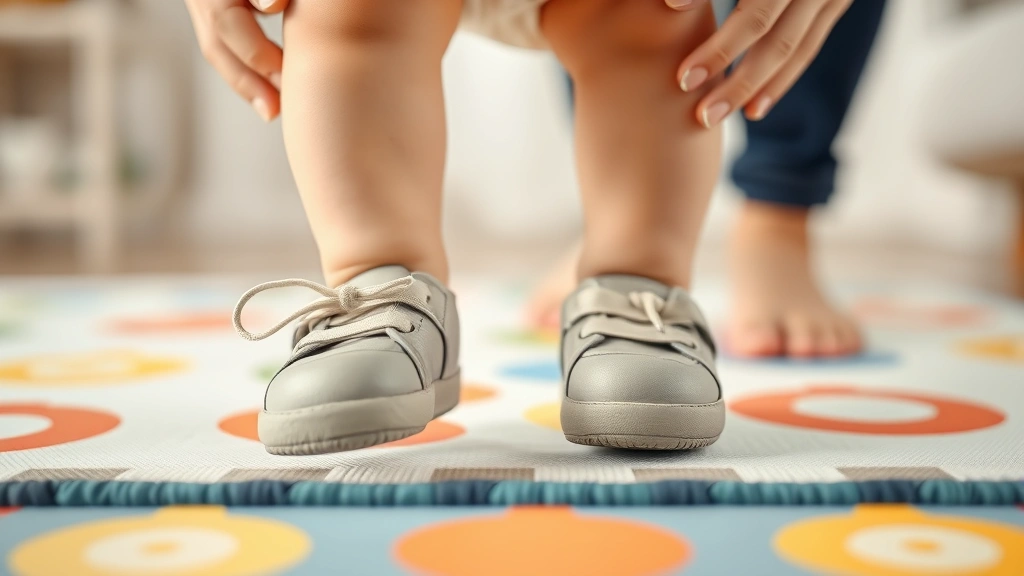
Many pediatricians recommend letting babies walk barefoot indoors when safe to do so, as this helps develop balance and foot strength. When footwear is necessary, choose soft-soled shoes that allow natural foot movement. Avoid hard-soled shoes that can restrict movement or cause babies to trip.
Supervision and Support
Always supervise your walking baby closely. Keep your hands nearby to catch them if they fall, but allow them to explore and practice independently. Falling is a normal part of learning to walk, and most falls from standing height don’t cause serious injury. However, having soft surfaces like carpets or play mats can reduce impact.
Protective Gear
While helmets aren’t necessary for indoor walking practice, they become important once babies are walking outdoors or near stairs. Knee and elbow pads are optional but can provide confidence-boosting protection if your baby is particularly cautious.
Encouraging Your Baby to Walk
While you can’t force your baby to walk before they’re developmentally ready, you can create an encouraging environment that supports their natural progression toward independent walking.
Practice on Safe Surfaces
Provide plenty of opportunities for your baby to practice on safe, soft surfaces like carpeted floors or play mats. Avoid slippery surfaces like hardwood or tile where babies are more likely to slip and lose confidence.
Offer Motivation
Place favorite toys just out of reach to encourage your baby to walk toward them. Make walking fun by celebrating every step and showing genuine enthusiasm for their efforts. Positive reinforcement builds confidence and motivation.
Use Walking Aids Wisely
Push toys and walkers can provide support, but choose designs that are stable and won’t tip easily. Traditional baby walkers with wheels should be avoided, as research shows they don’t help development and can actually delay walking. Instead, opt for stationary activity centers or push toys that require active participation.
Minimize Pressure
Avoid comparing your baby’s progress to other children or pressuring them to walk before they’re ready. Babies who feel pressured may become anxious about walking, which can actually delay the milestone. Trust that your baby will walk when their body and brain are ready.
Model Walking Behavior
Babies learn by watching caregivers. Walk around your home with enthusiasm, and your baby will naturally be drawn to imitate this movement. Make walking look fun and rewarding.
Common Concerns Pediatricians Address
Parents often worry about various aspects of their baby’s walking development. Here are some common concerns and what experts say:
Toe Walking
Some toddlers walk on their tiptoes occasionally, especially when excited or learning to walk. This is usually normal, particularly in children under 2 years old. However, if your baby consistently walks on tiptoes and doesn’t put their heels down regularly, mention it to your pediatrician, as it can sometimes indicate muscle tightness or other developmental concerns.
Delayed Walking
If your baby isn’t walking by 18 months, discuss this with your pediatrician. While some normal variation exists, persistent delays may warrant evaluation. Early intervention services can help identify any underlying issues and provide support if needed.
Asymmetrical Walking
If your baby walks with an obvious limp or favors one side significantly, consult your pediatrician. This could indicate pain, weakness, or structural differences that need evaluation.
Falls and Bumps
Frequent falling is normal when babies first walk, but excessive clumsiness or balance problems might warrant evaluation. Most falls result in minor bumps, but any concerns about head injuries should be discussed with your pediatrician immediately.
Bowleggedness
Many young walkers appear bowlegged, which is normal and usually resolves by age 2-3 years. True bowleggedness that persists or worsens should be evaluated by your pediatrician, but mild bowing in new walkers is typically nothing to worry about.
For comprehensive child development information, consult resources like Healthy Children from the American Academy of Pediatrics and speak with your pediatrician about any specific concerns.
Frequently Asked Questions
What if my baby isn’t walking by 12 months?
Twelve months is an average age, not a deadline. Many babies walk between 12-18 months, which is completely normal. If your baby is cruising, pulling up, and showing interest in movement, they’re on track. However, if your baby shows no interest in standing by 15 months or has other developmental concerns, discuss this with your pediatrician.
Can I use a baby walker to help my baby walk faster?
Traditional wheeled baby walkers are not recommended by pediatricians because they don’t help development and may actually delay walking. Stationary activity centers or push toys are safer alternatives that provide support without the risks associated with wheeled walkers.
Should I be concerned if my baby walked early and then stopped?
Sometimes babies who walk early regress temporarily, especially if they’re learning other skills like language or if they experience growth spurts. This temporary regression is usually normal. However, if regression is significant or accompanied by other concerns, mention it to your pediatrician.
How can I tell if my baby’s falls are serious?
Most falls from standing height result in minor bumps and bruises. Watch for signs of serious injury like loss of consciousness, vomiting, unusual drowsiness, or obvious deformity. Any concern about head injury warrants immediate medical evaluation. For minor bumps, comfort your baby and monitor them for several hours.
What’s the difference between normal clumsiness and a coordination problem?
New walkers are naturally clumsy as they develop balance and coordination. Normal clumsiness improves with practice over weeks and months. If your toddler continues to have significant difficulty with balance, frequently trips over their own feet, or shows weakness in one leg, discuss this with your pediatrician.
Should my baby wear shoes while learning to walk?
Barefoot walking indoors helps develop balance and foot strength. When shoes are necessary, choose soft-soled options that allow natural movement. Hard-soled shoes can restrict movement and increase tripping risk. Outdoor shoes are appropriate for outdoor exploration once your baby is a confident walker.
Is it normal for my baby to be afraid of walking?
Some babies are cautious about independent walking and prefer the security of holding furniture or hands. This is a normal personality variation. Avoid forcing independent walking; instead, provide encouragement and let your baby progress at their own pace. Most cautious babies eventually gain confidence with practice.
When should I be concerned about my baby’s walking development?
Contact your pediatrician if your baby shows no interest in standing by 15 months, isn’t walking by 18 months, walks with significant asymmetry, shows signs of pain or weakness, or has other developmental concerns. Early intervention services are available if evaluation reveals any delays.