What Are Baby Bella Mushrooms? A Culinary Guide for Health-Conscious Parents
If you’ve wandered the produce section lately, you’ve probably noticed those small, dark brown mushrooms labeled as baby bellas. They sit right next to the white button mushrooms, looking slightly more sophisticated and earthy. But here’s the thing: baby bellas aren’t some exotic ingredient reserved for fancy restaurants. They’re actually an incredibly practical addition to your family’s kitchen, especially if you’re trying to introduce more vegetables to your kids’ diets without the drama.
As parents, we’re constantly searching for ways to sneak nutritious foods into meals that our families will actually eat. Baby bella mushrooms deserve a spot in that rotation. They’re versatile, mild enough for younger palates, and packed with nutrients that support growing bodies. Whether you’re meal prepping for the week or looking to expand your culinary repertoire, understanding what these mushrooms are and how to use them can genuinely simplify family cooking.
This guide breaks down everything you need to know about baby bellas—from what makes them different from other mushroom varieties to practical cooking tips that’ll save you time and frustration in the kitchen.
What Exactly Are Baby Bella Mushrooms?
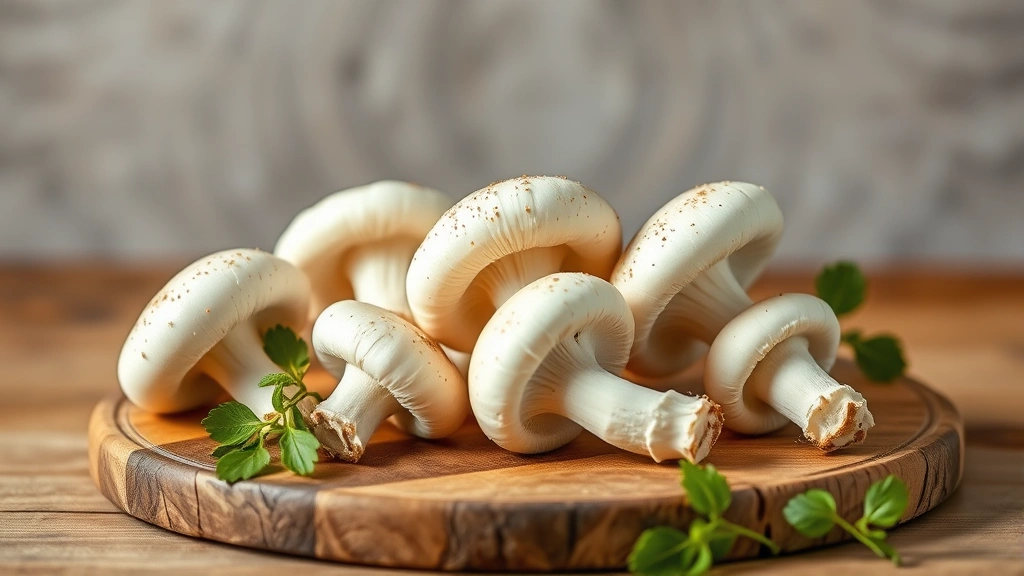
Baby bella mushrooms are the adolescent version of portobello mushrooms. They’re the same species—Agaricus bisporus—just harvested earlier in their growth cycle. Think of them as the middle child in the mushroom family: more developed than white button mushrooms but not yet fully mature like portobellos. This in-between status is actually what makes them so appealing for home cooks.
The brown color comes from a pigment that develops as these mushrooms mature. When they’re harvested young, they have a firmer texture and more pronounced earthy flavor compared to their white cousins, but they’re still delicate enough to work in most dishes. The caps are typically 1 to 2 inches in diameter, making them the perfect size for cooking whole or slicing into family-friendly portions.
What’s genuinely useful to know is that baby bellas have been around longer than you might think. They became commercially available in the 1980s but didn’t gain mainstream popularity in American kitchens until the 2000s. Once parents and home cooks discovered how much easier they are to work with than their larger portobello relatives, they became a pantry staple.

Nutritional Benefits for Your Family
Here’s where baby bellas earn their place on your dinner table. One cup of raw baby bella mushrooms contains roughly 15 calories, 2 grams of protein, and virtually no fat. They’re also rich in B vitamins, particularly riboflavin and niacin, which support energy metabolism—something every growing child needs. Additionally, they contain selenium, a mineral that supports immune function, and potassium, which helps with muscle development.
The nutritional profile becomes even more interesting when you consider that mushrooms are one of the few plant-based sources of vitamin D, especially when exposed to sunlight before purchase. This makes them particularly valuable if you’re looking to diversify your family’s nutrient intake beyond the typical vegetable rotation.
Many parents appreciate that mushrooms are naturally low in sodium and contain compounds like ergothioneine, an antioxidant that research suggests may have protective properties. While we shouldn’t oversell any single food, incorporating baby bellas into your family meals is a straightforward way to add nutritional density without adding calories or sugar. According to the Academy of Nutrition and Dietetics, mushrooms are among the vegetables that parents should feel confident serving regularly to their families.
If you’re already using a baby food maker for younger children, you can purée cooked baby bellas into smooth textures for infants beginning solids, then adjust preparation as kids grow.
How to Select and Store Them
Selecting quality baby bella mushrooms is straightforward once you know what to look for. Choose mushrooms with firm, unblemished caps. They should feel solid when you gently squeeze them—if they’re squishy or have dark spots, they’re past their prime. The gills underneath should be intact and not slimy. A light coating of soil is normal and actually a good sign; it means they’ve been handled minimally.
Storage matters more than most people realize. Keep baby bellas in a paper bag rather than plastic. The paper allows them to breathe and prevents moisture buildup that leads to sliminess. Store them in the vegetable drawer of your refrigerator, where they’ll keep for about a week. If you notice them starting to deteriorate, cook them immediately rather than waiting for the perfect recipe.
Here’s a practical tip: don’t wash mushrooms until right before cooking. If you must wash them ahead of time, pat them completely dry and store them in a paper towel-lined container. Excess moisture is the enemy of mushroom storage.
Cooking Methods That Work
Baby bellas are remarkably forgiving in the kitchen. They work beautifully with nearly every cooking method, which is part of why they’ve become so popular among busy parents.
Sautéing is probably the most common approach. Heat a skillet over medium-high heat, add a bit of oil or butter, and cook sliced or whole baby bellas for 5-7 minutes until they release their moisture and begin to brown. This method takes about 10 minutes total and requires minimal attention.
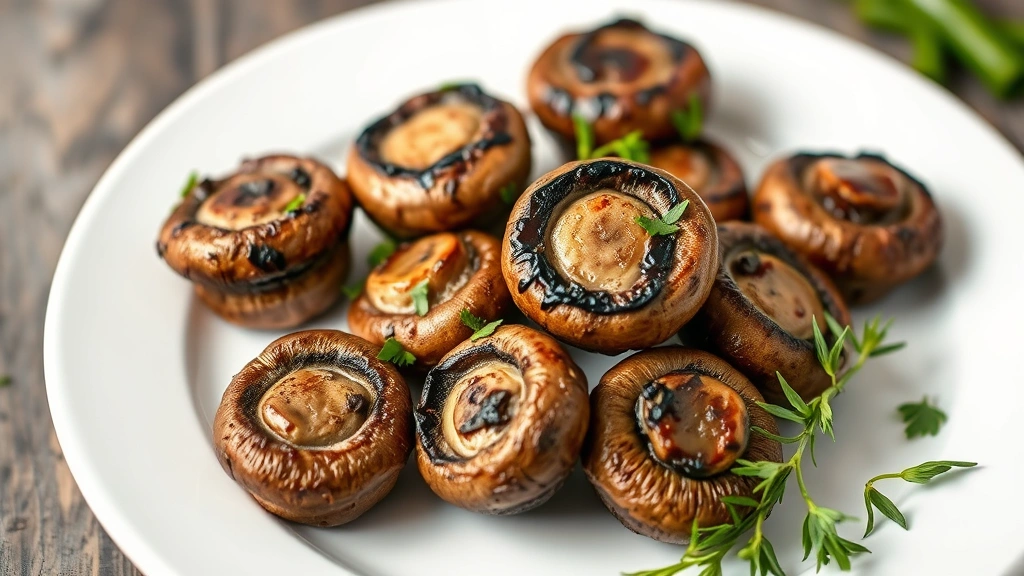
Roasting is fantastic if you’re already using your oven for another dish. Toss whole mushrooms with olive oil, salt, and pepper, then roast at 400°F for 15-20 minutes. The high heat caramelizes them beautifully, concentrating their flavor. Kids often find roasted mushrooms more appealing than sautéed versions because of the slightly crispy exterior.
Grilling works well if you thread halved mushrooms onto skewers alongside vegetables and protein. The direct heat creates a pleasant char while keeping the inside tender.
Raw baby bellas can also be thinly sliced and added to salads. They have a pleasant, slightly nutty flavor when raw that appeals to adventurous young eaters.
The key to success with any cooking method is not overcrowding your pan or baking sheet. Mushrooms release moisture, and if they’re packed too tightly, they’ll steam instead of properly cook. Give them space to breathe.
Family-Friendly Recipe Ideas
Baby bella mushrooms integrate seamlessly into dishes your family probably already enjoys. Here are some practical starting points:
Pasta dishes benefit enormously from sautéed baby bellas. Cook them with garlic and a touch of cream or tomato sauce, then toss with any pasta shape. The mushrooms add earthiness and umami without requiring additional seasoning.
Stir-fries are another natural fit. Baby bellas cook quickly and pair beautifully with soy sauce, ginger, and whatever vegetables you have on hand. Serve over rice for a complete meal.
Tacos can feature seasoned sautéed mushrooms as a vegetarian protein option. Many kids who won’t eat mushrooms in other preparations will accept them in taco form, especially if there’s cheese involved.
Soups and stews are perfect for using slightly older baby bellas. They break down beautifully and create a rich, savory base. Creamy mushroom soup is comforting and actually quite simple to make.
Breakfast scrambles incorporate cooked mushrooms seamlessly. Sauté them first, then add to eggs for a protein-rich breakfast that keeps kids satisfied through the morning.
If you’re looking for broader parenting advice on introducing new foods, the principles of repetition and patience apply equally to mushrooms.
Getting Kids to Eat Them
Not every child will immediately embrace mushrooms, and that’s perfectly normal. The texture can seem unusual to young eaters, and the earthy flavor is different from the sweet or savory tastes they might prefer. Here’s how to approach it strategically:
Start small. Introduce baby bellas in tiny quantities, mixed into familiar dishes rather than as a standalone vegetable. A few pieces in a pasta sauce or stir-fry is less intimidating than a whole roasted mushroom on the plate.
Involve them in preparation. Kids who help cook are significantly more likely to eat what they’ve prepared. Let them wash mushrooms, break them apart, or help with stirring. This builds investment in the outcome.
Focus on texture. Many kids prefer mushrooms when they’re cooked until tender but still have some firmness, rather than completely soft. Roasting often works better than long stewing for this reason.
Pair with favorite flavors. Combine mushrooms with foods your kids already love. If they enjoy cheese, add mushrooms to cheesy pasta. If they like beef, incorporate them into hamburgers or meatballs.
Be consistent but not pushy. Research on child nutrition from the American Academy of Pediatrics suggests that repeated exposure to new foods, without pressure, eventually leads to acceptance in most children.
Remember that essential parenting advice about feeding often emphasizes that your job is to decide what, when, and where food is offered—the child’s job is to decide whether and how much to eat. This applies perfectly to mushrooms.
Frequently Asked Questions
Are baby bella mushrooms safe for young children?
Yes, baby bella mushrooms are safe for children of all ages once they’re developmentally ready for solid foods. For very young children, cook them until they’re soft and cut into age-appropriate sizes. According to CDC guidance on child nutrition, mushrooms are not a common allergen and can be introduced as part of a varied diet.
Can I give raw mushrooms to toddlers?
Raw mushrooms are generally fine for toddlers who are confident chewers, but cooking them until soft is safer for younger toddlers to prevent choking risk. Always supervise and cut into appropriately small pieces.
How do I know if baby bellas have gone bad?
Discard mushrooms that are slimy, have significant dark spots or bruising, or smell off (they should smell earthy and pleasant). A few small blemishes are fine, but extensive damage means they’ve deteriorated.
Are baby bellas more expensive than white button mushrooms?
Typically, baby bellas cost slightly more than white button mushrooms—usually about 20-30% more—but less than full-size portobellos. The price difference is minimal enough that it shouldn’t prevent you from buying them.
Can I freeze baby bella mushrooms?
Yes, though texture changes slightly. Cook them first (sauté or roast), then cool completely before freezing in an airtight container. They’ll keep for 2-3 months and work well in cooked dishes like soups, stews, and sauces.
What’s the difference between baby bellas and portobellos?
Baby bellas and portobellos are the same species, just harvested at different stages. Portobellos are fully mature and have larger caps (3-6 inches), darker color, and more pronounced flavor. Baby bellas are harvested earlier, making them smaller and slightly milder.
Do mushrooms need to be peeled?
No, the skin is edible and contains nutrients. Simply brush off any soil with a damp cloth or soft brush. Peeling is unnecessary and removes some of the nutritional value.