Are Baby Boots Necessary? A Parent’s Guide
The moment you find out you’re having a baby, the shopping list grows exponentially. From cribs to car seats, from diapers to diaper cream—suddenly you’re drowning in decisions. And then there’s the footwear question: do you actually need baby boots, or are they just another item retailers want you to feel guilty about skipping?
Here’s the honest truth: baby boots occupy that fascinating gray area between necessity and nice-to-have. They’re not essential in the way a car seat is, but they’re not purely decorative either. Whether your little one needs them depends on several factors, including your climate, lifestyle, and your baby’s developmental stage. Let’s break down what you actually need to know.
This guide walks you through the real reasons parents choose baby boots, when they’re genuinely useful, and how to pick the right pair if you decide they’re worth the investment. We’ll also explore what experts say about foot development and how footwear choices can impact your child’s growth.
Understanding Baby Foot Development
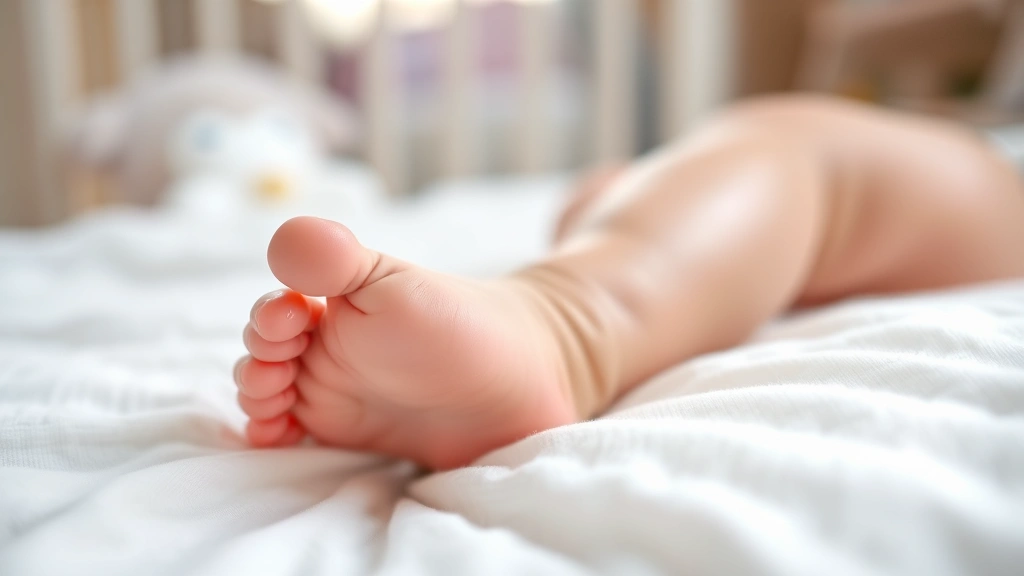
Before we dive into whether your baby needs boots, let’s talk about how baby feet actually work. Newborns are born with bones that are mostly cartilage—they’re soft, flexible, and still developing. This is actually why many pediatricians recommend keeping babies barefoot whenever possible during their first months.
According to the American Academy of Pediatrics, babies learn to coordinate their movements partly through feeling their feet and the ground beneath them. Unrestricted foot movement helps develop proprioception—their sense of where their body is in space. When babies can wiggle their toes freely and feel different textures, they’re literally building neural connections that support balance and coordination.
That said, once babies start spending significant time outdoors or in cold environments, some foot protection becomes practical. The question isn’t whether your baby’s feet need protection from a developmental standpoint—it’s whether your specific situation calls for it. Think of it like this: a baby in San Diego in July has different footwear needs than a baby in Minneapolis in January.
The bones in a baby’s feet don’t fully ossify (turn to bone) until around age five. This means their feet are incredibly moldable and responsive to their environment. Overly restrictive footwear during this critical period could theoretically interfere with natural development, which is why fit and flexibility matter more than fashion when you’re selecting any baby footwear.
Climate and Lifestyle Considerations
Your geographic location and daily routine are probably the biggest factors in determining whether baby boots are necessary for your family. Let’s break this down by scenario.
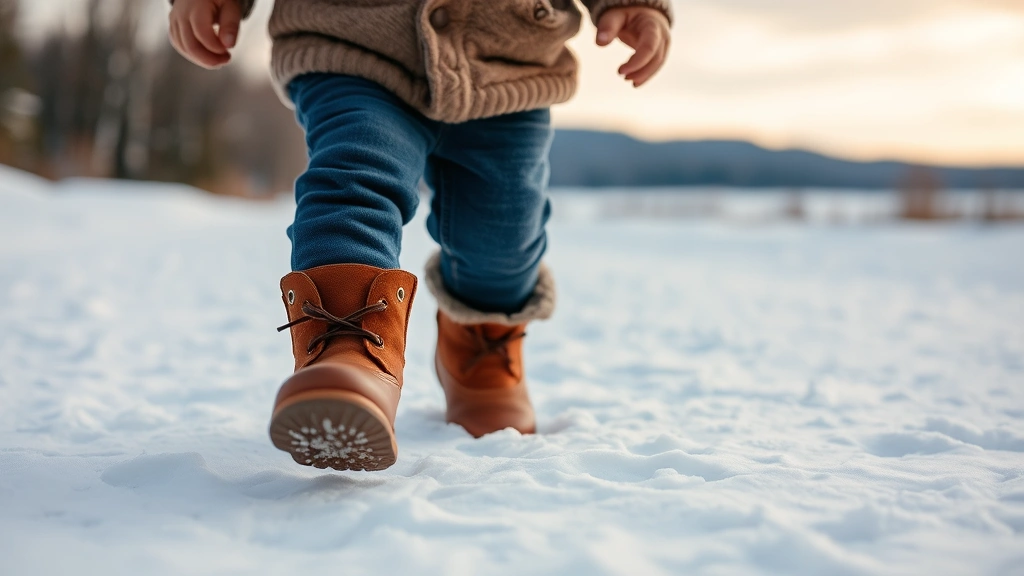
Cold Weather Climates: If you live somewhere with genuine winters, baby boots serve a real purpose. Tiny feet lose heat quickly, and keeping them warm during outdoor time isn’t just about comfort—it’s about safety. Babies can develop frostbite, and their ability to regulate body temperature isn’t fully developed. In this case, insulated baby boots with proper traction make sense, especially if you’re spending extended time outside.
Mild or Warm Climates: If you’re in a warmer region, you’re probably not buying boots for warmth. You might consider lightweight options for outdoor protection—think sun protection or mild abrasion resistance—but honestly, socks or being barefoot often work just fine.
Urban vs. Rural Living: Parents in cities with lots of concrete and potentially dirty sidewalks sometimes feel more compelled to protect their baby’s feet. Parents in rural areas might feel similarly about dirt and uneven terrain. Neither is necessarily wrong; it’s about your comfort level and what makes sense for your specific environment.
Activity Level: Are you the type of parent who’s constantly out and about, or do you spend most time at home? If you’re regularly taking your baby on outings—hiking, running errands, visiting parks—you might find boots more practical than if your baby spends most time indoors or in controlled environments.
When Baby Boots Actually Make Sense
Let’s get specific about situations where baby boots genuinely earn their place in your diaper bag.
Winter Weather and Snow: This is the obvious one. When temperatures drop and snow covers the ground, insulated, waterproof baby boots with good grip become practical. Babies can’t tell you their feet are cold, and prolonged exposure to cold, wet conditions can be genuinely uncomfortable or unsafe.
Hiking and Outdoor Adventures: If you’re an outdoorsy family, appropriate footwear protects tiny feet from rocks, sticks, and uneven terrain. This doesn’t necessarily mean expensive boots—sometimes good coverage and grip matter more than brand names.
Transition from Indoor to Outdoor Play: Many toddlers benefit from the sensory feedback and protection that comes with wearing boots when they’re starting to walk outdoors regularly. This is different from newborns; toddlers who are already walking benefit from the ground contact and support.
Crawling Protection: Some parents use soft baby boots to protect crawling babies’ feet from rough surfaces, though this is more about preference than necessity. You might explore our guide on baby boy shoes for age-appropriate options during this stage.
Specific Medical Situations: If your pediatrician recommends boots for a specific reason—like foot positioning, muscle tone issues, or other developmental considerations—then absolutely, they’re necessary.
What Experts Say About Footwear
Pediatricians and child development specialists have surprisingly consistent advice about baby footwear: less is more, and flexibility matters most.
Research published by the CDC on child development emphasizes that unrestricted movement supports healthy physical development. When it comes to footwear, this means boots should be flexible, not rigid. Hard-soled boots that don’t allow the foot to bend naturally can actually interfere with the natural gait development that happens between ages one and three.
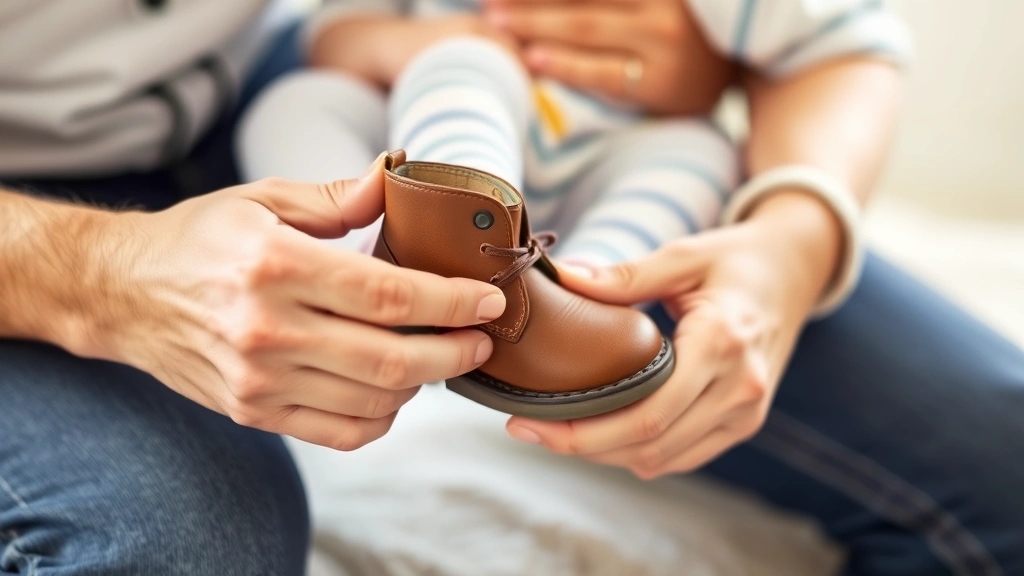
The key principle experts recommend: if you’re using baby boots, they should be soft, flexible, and properly sized. Too-tight boots can restrict circulation and foot development, while oversized boots create tripping hazards. Many pediatricians suggest that soft-soled boots or booties are preferable to rigid-soled shoes for babies still developing their walking patterns.
According to Parents Magazine, the ideal baby footwear allows the foot to move naturally while providing protection from the elements. This is why many experts recommend soft leather boots or well-fitted booties over structured shoes for younger babies.
One often-overlooked consideration: babies actually learn balance and coordination better when they can feel the ground. This is why many experts suggest saving structured boots for when there’s a specific need (weather protection, outdoor hazards) rather than using them for everyday indoor wear.
Choosing the Right Pair
If you’ve decided baby boots make sense for your situation, here’s how to choose wisely without overspending or making your baby uncomfortable.
Prioritize Fit Over Everything Else: This cannot be overstated. Baby feet grow quickly—often a full size every few months—so expensive, perfectly-fitted boots become outgrown almost immediately. Look for affordable options that fit well right now rather than splurging on premium brands your baby will outgrow in weeks.
Flexibility is Non-Negotiable: Press on the sole with your thumb. It should bend easily. If the boot is rigid, it’s not appropriate for a developing foot. Even if it looks adorable, rigid boots can interfere with natural gait development.
Check the Ankle Support: For babies who are walking or climbing, adequate ankle support prevents wobbling. However, this shouldn’t mean the boot is tight or restrictive. Think snug but flexible.
Material Matters: Soft leather or high-quality fabric works better than plastic or synthetic materials that don’t breathe. Your baby’s feet sweat just like ours do, and moisture trapped in non-breathable material creates discomfort and potential skin issues.
Consider Your Budget: Since babies outgrow boots so quickly, expensive options don’t make financial sense. Mid-range brands often offer the same quality as luxury options. You might also explore baby shower gift ideas that include practical footwear if you’re looking to build your collection without breaking the bank.
When shopping for specific styles, check out our resources on baby booties and quality bootie options to compare what’s available in different price ranges.
Budget-Friendly Alternatives
Not ready to commit to actual boots? There are several alternatives that might work for your situation.
Soft Booties: These are essentially socks with grips on the bottom. They provide minimal protection but offer foot warmth and traction for babies learning to walk indoors. They’re inexpensive and perfectly adequate for many situations.
Socks with Grips: For indoor use, grippy socks keep babies warm and provide traction on slippery floors. They’re one of the most affordable options and honestly sufficient for many families.
Sandals or Soft Shoes: For warmer climates, lightweight sandals with ankle straps provide protection without the bulk of boots. They’re easier to get on and off, which matters when you’re dealing with a wiggly baby.
Hand-Me-Downs: Baby boots are used for such short periods that hand-me-downs make excellent sense. Check with friends and family before buying new. You might also find excellent secondhand options online at a fraction of retail prices.
Barefoot When Possible: Honestly, the most budget-friendly option is going barefoot. When it’s safe and weather-appropriate, letting babies go barefoot supports their development and costs nothing. Save the boots for situations where they’re genuinely needed.
For broader clothing considerations beyond footwear, explore options in baby girl clothes and baby boy clothes to understand how to build a practical, affordable wardrobe overall.
Frequently Asked Questions
At What Age Can Babies Wear Boots?
Technically, you can put boots on a newborn, but there’s rarely a reason to. Most babies don’t need boots until they’re spending significant time outdoors or in weather that requires foot protection. This typically happens around six to twelve months, though it depends entirely on your climate and lifestyle. Soft booties for warmth are fine earlier if you want them, but structured boots make more sense once your baby is mobile.
Can Baby Boots Hurt Foot Development?
Poorly-fitted or overly restrictive boots can interfere with natural foot development, but appropriately-fitted, flexible boots don’t cause problems. The key is ensuring boots allow natural foot movement and aren’t so tight they restrict circulation. If your pediatrician is concerned about your baby’s foot development, they’ll provide specific guidance about appropriate footwear.
How Do I Know If Baby Boots Fit Correctly?
You should be able to fit one finger between the back of your baby’s heel and the boot. The boot should be snug enough that it doesn’t slip off but loose enough that it doesn’t restrict movement. Press on the sole—it should bend easily. If you can’t comfortably fit a finger or the sole is rigid, the fit isn’t right.
Are Expensive Baby Boot Brands Worth It?
Not necessarily. Since babies outgrow boots every few months, premium brands don’t offer proportional value. Mid-range options often have identical quality and construction. Save luxury purchases for items your baby will use longer, like a quality stroller or car seat.
Should Babies Wear Boots Indoors?
Generally, no. Babies develop better balance and coordination when they can feel the ground beneath their feet. Indoor boots restrict this sensory feedback without providing any real benefit in a climate-controlled environment. Save boots for outdoor use or specific situations where foot protection matters.
What’s the Difference Between Boots and Booties?
Booties are typically soft, sock-like coverings designed for warmth and minimal protection. Boots have more structure, support, and protection. For very young babies, booties are often sufficient. As babies grow and spend more time outdoors, boots might become more practical. Both can be appropriate depending on your needs.