Baby Boy Clothing: Essential Style Guide for Parents
Dressing a baby boy is more than just keeping him warm and comfortable—it’s about navigating an overwhelming sea of options, price points, and style choices that can make even the most organized parent’s head spin. Between deciding on practical everyday wear and special occasion outfits, understanding fabric choices, and figuring out how to dress a growing infant without breaking the bank, baby boy clothing deserves its own masterclass.
The truth is, most parents don’t need a closet bursting with tiny garments. What they need is clarity: which pieces actually work, what fabrics won’t irritate sensitive skin, and how to build a functional wardrobe that grows with their little one. This guide cuts through the noise and gives you the real information you need to make confident choices about dressing your baby boy.
Whether you’re preparing for a newborn’s arrival or refreshing a toddler’s wardrobe, understanding the fundamentals of baby boy clothing will save you time, money, and the frustration of discovering that adorable outfit is impossible to change diapers in.
Understanding Baby Boy Clothing Sizes and Fit
One of the most confusing aspects of shopping for baby boy clothing is the sizing system itself. Unlike adult clothing, which typically follows standardized measurements, baby sizes are usually based on age ranges and weight estimates. A newborn might wear 0-3 months, but that label is more of a suggestion than a guarantee.
Babies grow at wildly different rates. Some newborns skip right past the newborn size and go straight into 0-3 months clothing. Others stay in newborn sizes for weeks. The best approach is to buy a few items in each size rather than stocking up heavily on one range. This prevents the heartbreaking scenario of clothes becoming too small before they’re ever worn.
When shopping for baby boy clothing, pay attention to the garment’s rise and length. A onesie that’s too short in the torso will be uncomfortable and impractical for diaper changes. Sleeves should hit just past the wrist to avoid your baby scratching their face, and pant legs should allow room for growth without being so long they create a tripping hazard.
Fit also matters for safety reasons. Clothing that’s too loose can bunch up and create overheating risks, particularly during sleep. The American Academy of Pediatrics recommends avoiding loose blankets and overly baggy clothing in cribs. Strike a balance with snug-fitting sleepwear or sleep sacks instead.
Essential Fabrics for Sensitive Skin
A baby’s skin is roughly five times thinner than adult skin, making fabric choices genuinely important rather than merely aesthetic. The wrong material can lead to irritation, rashes, and discomfort for your little one.
Cotton remains the gold standard for baby boy clothing. It’s breathable, soft, and naturally hypoallergenic. Look for organic cotton when possible, as it’s grown without synthetic pesticides that could irritate delicate skin. Even regular cotton is generally safe, but organic varieties eliminate another potential irritant.
Bamboo fabric is another excellent choice. It’s incredibly soft, naturally antimicrobial, and temperature-regulating—meaning it keeps babies warm in winter and cool in summer. While slightly pricier than regular cotton, many parents find the comfort benefits justify the cost.
Avoid synthetic blends and polyester when possible, especially for items that will be worn directly against skin. These materials don’t breathe as well and can trap heat and moisture, creating an environment where diaper rash and heat rash thrive. If you do choose synthetic blends, ensure they’re mixed with at least 50% natural fibers.
Wool and fleece can work for outerwear and sleeping bags, but shouldn’t be worn directly against bare skin. Merino wool is an exception—it’s incredibly soft and won’t feel scratchy like traditional wool.
Building a Practical Newborn Wardrobe
The newborn phase is temporary but intense. Your baby will cycle through multiple outfits daily due to spit-up, diaper blowouts, and feeding mishaps. Rather than accumulating excessive clothing, focus on versatile pieces that serve multiple purposes.
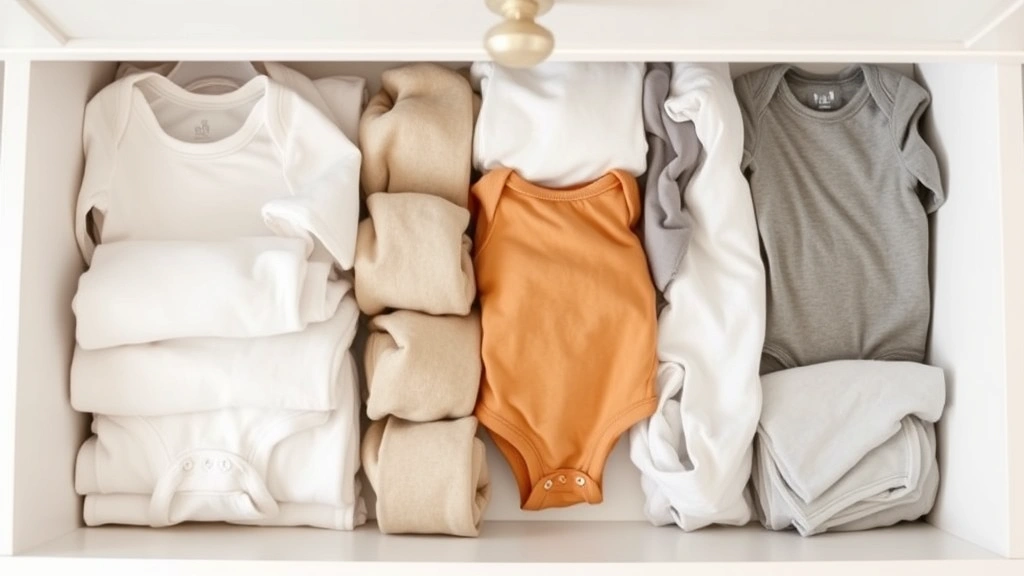
Onesies and bodysuits form the foundation of baby boy clothing. These one-piece garments make diaper changes simple and keep shirts from riding up. You’ll want approximately 7-10 in various sizes. Aim for a mix of short-sleeved and long-sleeved options depending on your climate.
Sleep sacks are genuinely transformative. These wearable blankets keep babies warm without the suffocation risks of traditional blankets. They’re essential for safe sleep practices and eliminate the need for multiple pajama sets.
Swaddles and wraps serve double duty—they’re practical for swaddling and work as lightweight blankets for stroller outings. Most parents use these daily during the newborn phase.
Simple pants and leggings (3-5 pairs) are more practical than elaborate outfits. Elastic waistbands are your friend here. Avoid anything with complicated closures or tight waistbands that could dig into your baby’s skin or make diaper changes tedious.
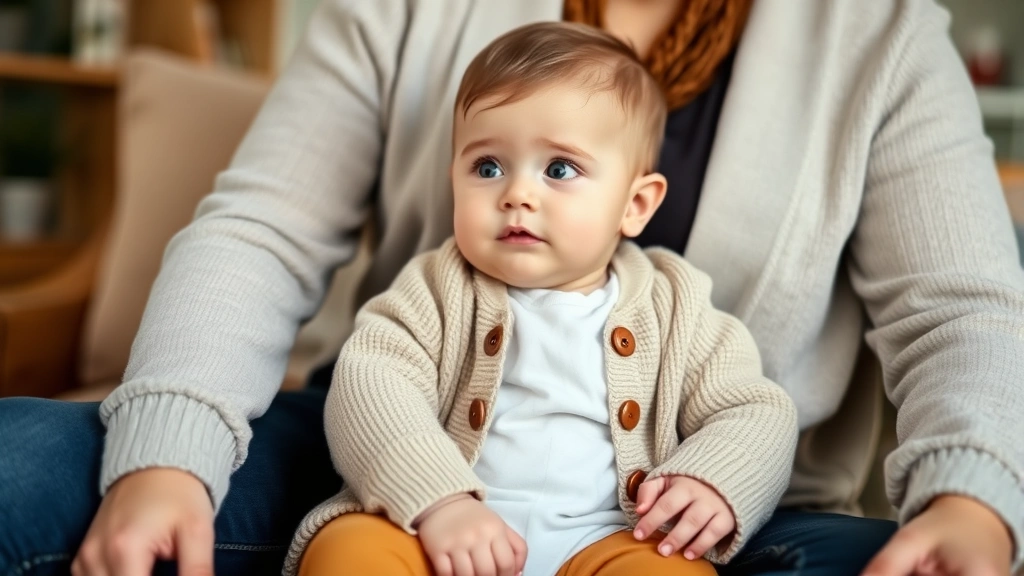
Lightweight jackets or cardigans (2-3) provide layering options without requiring a complete outfit change. Babies regulate temperature through layering, so these pieces are genuinely useful.
For baby boy shoes, focus on soft-soled options for the first months. Babies don’t need rigid shoes until they’re walking, and soft soles allow for better sensory development and foot movement.
Dressing for Different Seasons
Seasonal considerations dramatically impact what baby boy clothing you actually need. A baby born in winter requires an entirely different wardrobe strategy than a summer baby.
Winter babies need layering capabilities. Think onesies under long-sleeved shirts, with cardigans or lightweight jackets available. Snowsuits for outdoor time are essential, but avoid bulky layers under car seats (they compromise safety). Instead, dress your baby warmly, then remove layers once secured in the seat.
Winter babies also benefit from mittens to prevent scratching, though these should only be used when supervised. Warm hats help regulate body temperature since babies lose heat through their heads.
Summer babies need breathable fabrics and light colors that reflect heat. Short-sleeved onesies and lightweight cotton clothing prevent overheating. However, even summer babies need a light layer for air-conditioned environments.
Don’t underestimate transitional seasons. Spring and fall require versatile pieces that work with or without layers. This is where gender neutral baby clothes and simple solid-colored items prove invaluable—they layer easily and work across multiple seasons.
Consider your climate’s humidity levels. Humid environments call for moisture-wicking fabrics and looser fits. Dry climates might require more protective layering to prevent skin irritation.
Special Occasion Outfits
Most baby boy clothing should be practical, but special occasions call for something a bit more polished. The key is finding pieces that look special without sacrificing comfort and functionality.
Christenings and formal events might call for a traditional outfit. Many families choose simple white or cream-colored clothing with delicate details. These don’t need to be expensive—high-quality basics dressed up with a simple hat or blanket often look just as elegant as elaborate gowns.
Photo shoots and milestone celebrations are perfect occasions for themed outfits. Cake smash photography, first birthday parties, and seasonal portraits deserve something special. However, these pieces don’t need to be expensive—they’re worn once or twice, so budget options work perfectly.
When choosing special occasion baby boy clothing, prioritize comfort over aesthetics. A fussy baby in an uncomfortable outfit creates stressed parents and poor photos. Soft fabrics, proper fit, and easy diaper access should never be sacrificed for style.
Consider baby boy gifts that include special occasion pieces. Many gifters specifically choose items for celebrations, meaning you might receive beautiful clothing for these moments without needing to purchase everything yourself.
Quality vs. Budget-Friendly Options
Baby boy clothing exists at every price point, from luxury designer pieces to budget-friendly basics. Understanding where quality truly matters versus where budget options work perfectly helps you allocate resources wisely.
Invest in quality basics. Onesies, sleep sacks, and everyday wear should be well-made because they’re used constantly and washed frequently. Quality fabrics hold their shape better and maintain softness through multiple wash cycles. Brands focusing on durability and comfort are worth the extra investment for these staples.
Budget options work for special occasion pieces. If an outfit is worn once for a photo session, expensive designer clothing isn’t necessary. Budget-friendly special occasion baby boy clothing looks just as good in pictures.
Hand-me-downs and secondhand options are genuinely wonderful. Baby clothing is outgrown so quickly that most pieces are barely worn. Shopping secondhand reduces waste, saves money, and gives clothing a second life. Just ensure any secondhand items are clean and in good condition.
Sales and seasonal clearance events offer legitimate savings on quality brands. Buying next season’s clothing at the end of the current season can reduce costs significantly. However, this strategy only works if you have storage space and know your baby’s expected size.
Check out baby boy clothes guides for specific brand recommendations and quality assessments. Reading reviews from other parents reveals which budget brands hold up well and which designer brands genuinely justify their price tags.
Caring for Baby Boy Clothes
Proper care extends the life of baby clothing and ensures pieces remain soft and safe for sensitive skin. Washing practices matter more for baby garments than for adult clothing.
Pre-wash new clothing before the first wear. This removes any manufacturing residues or chemicals and allows fabric to soften. Wash in warm water with gentle detergent designed for babies.
Use fragrance-free, dye-free baby detergent for all baby clothing. Regular laundry detergent often contains perfumes and dyes that can irritate sensitive skin. Baby-specific formulas are gentler and more appropriate for delicate fabrics.
Wash baby boy clothing separately from adult laundry, especially during the first few months. This prevents cross-contamination from adult detergent residues and ensures baby-appropriate washing practices.
Avoid fabric softeners and dryer sheets. These products coat fabric with chemicals that can irritate sensitive skin and reduce the absorbency of materials like cotton. If you want soft clothing, use wool dryer balls instead.
Air-dry when possible. Sunlight naturally sanitizes fabric and helps eliminate odors. For items that must be dried in the machine, use low heat settings. High heat can damage elastic and cause shrinkage.
Address stains promptly but gently. Pre-treat with cold water and mild soap before washing. Avoid bleach or harsh stain removers that could damage fabric or irritate skin.
Store baby boy clothing in a clean, dry location. Cedar blocks and lavender sachets naturally repel moths and smell better than mothballs. Ensure storage areas are humidity-controlled to prevent mildew.
Frequently Asked Questions
How many onesies does a newborn actually need?
Most experts recommend 7-10 onesies for newborns, though you’ll want several sizes on hand. Babies cycle through multiple outfits daily due to spit-up and diaper incidents, but you don’t need excessive quantities if you’re washing regularly. Having enough to get through 2-3 days between laundry sessions is ideal.
What’s the best fabric for baby boy clothing?
Organic cotton and bamboo fabric are the best choices for baby boy clothing. Both are soft, breathable, and naturally hypoallergenic. They regulate temperature effectively and won’t irritate sensitive skin. Regular cotton is also acceptable, though organic varieties eliminate pesticide residues.
Should I buy newborn or 0-3 months sizing?
Buy a few items in each size rather than committing heavily to one. Newborn and 0-3 months sizing overlap significantly, and babies grow at different rates. Having options in multiple sizes prevents the frustration of outgrowing clothing before wearing it.
Are expensive baby boy clothing brands worth the cost?
For everyday wear and basics, quality matters more than brand prestige. Mid-range brands often offer better value than luxury options. However, some designer brands do use superior fabrics and construction. Read reviews and feel the fabric yourself before deciding. For special occasion pieces worn occasionally, budget options work perfectly.
How often should I wash baby clothing?
Wash baby boy clothing after each wear, especially items worn directly against skin. Onesies, sleep sacks, and pajamas should be washed after 1-2 wears. Outerwear and pieces worn over other clothing can be washed less frequently unless visibly soiled.
What should I look for in sleep clothing?
Look for snug-fitting sleepwear or sleep sacks designed for safe sleep. Avoid loose blankets and overly baggy clothing. The Consumer Product Safety Commission provides guidelines on safe sleep clothing. Ensure sleep garments are made from breathable fabrics to prevent overheating.
Can I use hand-me-downs for baby boy clothing?
Absolutely. Baby clothing is outgrown so quickly that hand-me-downs are usually barely worn. Ensure pieces are clean, in good condition, and free from damage that could be unsafe. Secondhand shopping is environmentally responsible and budget-friendly.
How do I prevent baby clothing from shrinking?
Wash in warm or cool water rather than hot. Use low heat settings when machine drying, or air-dry whenever possible. Many parents find air-drying prevents shrinkage entirely while being gentler on fabrics. Check care labels for specific fabric recommendations.