Best Baby Boy Clothing: Expert Style Guide
Dressing your baby boy is one of those parenting tasks that sounds simple until you’re standing in front of an overwhelming sea of tiny onesies, wondering which ones will actually survive the washing machine and which ones your little one will outgrow before wearing twice. The truth? There’s an art to building a functional, stylish baby boy wardrobe that works for real life—not just Instagram photos.
Whether you’re a first-time parent preparing the nursery or a seasoned pro adding to your collection, knowing what actually matters in baby boy clothing can save you money, stress, and closet space. We’re talking about pieces that handle diaper blowouts, fit through multiple growth spurts, and transition seamlessly from playdates to family photos.
This guide cuts through the marketing noise and focuses on what pediatricians, child development experts, and exhausted parents agree actually works. We’ll explore fabric quality, sizing strategies, seasonal essentials, and styling approaches that let your baby’s personality shine without the price tag shock.
Fabric Foundation: What Your Baby Actually Needs
Let’s start with the foundation of any good wardrobe: the fabrics against your baby’s skin. Newborn skin is incredibly sensitive, with a moisture barrier that doesn’t fully develop until around three months old. This means your fabric choices aren’t just about comfort—they’re about preventing irritation and maintaining proper temperature regulation.
Cotton remains the gold standard for baby boy clothing, and there’s legitimate science behind this preference. According to the American Academy of Pediatrics, breathable natural fibers like cotton allow skin to breathe while managing moisture effectively. Look for organic cotton when possible—it’s grown without synthetic pesticides and is gentler on sensitive skin. The investment pays off since these pieces often last through multiple children.
Bamboo fabric has gained popularity in recent years, and rightfully so. It’s naturally hypoallergenic, thermoregulating, and softer than most cotton. However, the manufacturing process for bamboo fabric involves chemicals, so if sustainability matters to your family, research brands carefully. Avoid synthetic blends for everyday wear—polyester and nylon don’t breathe well and can trap heat and moisture, which increases the risk of heat rash and discomfort.
Merino wool deserves mention for colder climates. Despite the name, it’s not itchy like traditional wool. Merino regulates temperature beautifully, naturally resists odors, and works wonderfully for layering. It’s pricier than cotton, so reserve it for key pieces rather than everyday basics.
The fabric weight matters too. Lightweight cotton works perfectly for summer and indoor wear, while mid-weight options provide better durability for frequent washing. Avoid anything too heavy or stiff—babies need mobility, and stiff fabrics restrict movement and can be uncomfortable.
Sizing Strategy: Growing Through Stages
One of the most common mistakes parents make is buying too much clothing in newborn and 0-3 month sizes. Here’s the reality: many babies skip newborn sizes entirely, and those who don’t typically wear them for only two to four weeks. The growth happens fast, and there’s nothing quite like pulling out an adorable outfit only to discover your baby outgrew it last week.
The sizing game requires flexibility. Rather than buying based strictly on age, consider your baby’s estimated birth weight and your family’s growth patterns. If you come from a family of big babies, start with 0-3 months and 3-6 months sizes. If your family tends toward smaller babies, newborn sizes might work, but don’t overinvest.
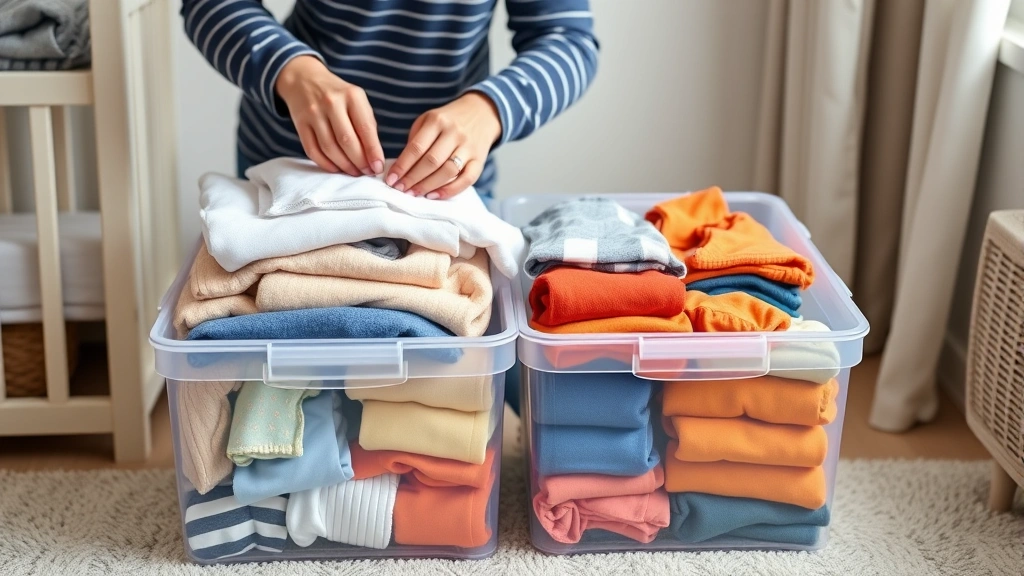
A practical approach: buy basics in multiple sizes and keep the receipts. Aim for about 7-10 bodysuits in newborn size (you’ll need them for frequent changes), but get 15-20 in 0-3 months since babies wear this size longer. Rotate sizes as your baby grows rather than storing everything at once.
Pay attention to how each brand sizes. Some run small or large, and this varies wildly between manufacturers. Read reviews specifically mentioning sizing before purchasing, especially online. When shopping in person, always try pieces on when possible—a 3-month-old onesie from one brand might fit like a 6-month-old from another.
Consider gender-neutral baby clothing options, which often come in roomier cuts and can be passed between siblings more easily. This practical approach means pieces stay in rotation longer through different growth stages.
Seasonal Essentials for Every Climate
Your baby’s seasonal wardrobe needs differ dramatically based on where you live and what time of year baby arrives. The key is avoiding the trap of buying seasonal items you won’t use—nobody needs a heavy winter coat for a baby born in June who’ll be crawling around in fall.
Summer babies need lightweight basics: short-sleeved onesies, lightweight sleep sacks, breathable pants, and minimal layers. Stock up on light colors that reflect heat. Sun protection matters too—long-sleeved swim shirts and wide-brimmed hats protect delicate skin. Resist the urge to dress summer babies in heavy fabrics or multiple layers thinking they need protection; babies regulate temperature through their core, not through extra clothing.
Winter babies require strategic layering. Instead of one heavy coat, plan for layering: a base layer of cotton, a mid-layer for warmth, and a weather-resistant outer layer. Sleep sacks in heavier weights (around 2.5 tog) work better than blankets for safe sleep. Mittens, booties, and a warm hat are essential since babies lose significant heat through their heads and extremities. However, avoid overdressing indoors—overheating is a risk factor for SIDS, according to CDC guidelines.
Spring and fall babies get the advantage of flexibility. Build a wardrobe that layers easily so you can adjust as temperatures fluctuate throughout the day. This is when having versatile pieces really pays off.
Regardless of season, always keep a few emergency outfits in your diaper bag. Blowouts, spit-ups, and unexpected spills happen—having a change of clothes (and a change for you) prevents crisis moments.
Style Categories: Building a Cohesive Wardrobe
A functional baby boy wardrobe breaks down into several key categories. Understanding what you actually need prevents the common problem of having lots of clothes but nothing that works together.
Basics form your foundation. These are your workhorse pieces: plain onesies, simple t-shirts, and basic pants. Aim for neutrals—white, gray, navy, and soft greens work with everything. You’ll want at least 7-10 of these in each size since babies go through multiple outfits daily. Basics are where you can afford to buy budget-friendly options since they get heavy rotation and frequent washing.
Layering pieces extend your wardrobe’s versatility. Lightweight cardigans, soft jackets, and sleep sacks let you adjust to temperature changes without buying season-specific items. Look for pieces that fit over onesies easily and don’t restrict arm movement. When selecting baby boy shoes, prioritize flexibility and comfort over style—soft-soled options work better for developing feet than rigid soles.
Statement pieces let personality shine. These are the fun prints, patterns, and themed outfits that make baby photos special. You don’t need many—three to five quality pieces work beautifully for variety without waste. This is where you can invest in slightly higher-end options since they’ll be photographed and treasured.
Sleepwear deserves its own category. Separate sleep clothing from daytime wear prevents confusion about what’s appropriate for sleep versus play. Sleep sacks are superior to blankets for safety, and quality sleep clothing makes nighttime routines feel intentional.
For special occasions, consider investing in one or two quality outfits rather than multiple mediocre options. A well-made smocked romper or simple linen suit photographs beautifully and actually lasts through multiple wearings without falling apart.
Practical Features That Matter
Beyond aesthetics and size, certain practical features make daily parenting significantly easier. These aren’t luxuries—they’re the difference between a functional wardrobe and one that frustrates you daily.
Closure systems impact your sanity. Snap closures work better than buttons for babies—they’re faster to fasten with one hand while holding a wiggly baby, and they rarely pop off. Zippers on sleep sacks and rompers are game-changers for nighttime diaper changes. Avoid anything with small buttons on tiny onesies; they’re choking hazards and impossible to button quickly.
Neckline design affects comfort. Crew necks are classic and safe, but wide necklines make getting shirts over your baby’s head easier—a practical consideration when dealing with a fussy baby. Some parents prefer fold-over necklines that protect tiny chins from scratching. Whatever you choose, make sure it’s not so tight it restricts neck movement or leaves marks.
Diaper access matters more than you’d think. Pants with real waistbands work better than elastic-only options that roll down during diaper changes. Side-snap pants simplify changes without fully undressing your baby. For onesies, look for designs where the closure extends fully down—you’ll appreciate this during messy moments.
Shoulder seams should sit at your baby’s actual shoulders, not pulled down toward the arms. Ill-fitting seams restrict movement and look uncomfortable. Sleeve length matters too—they should end at the wrist without bunching or being so long they cover the hands (babies need to see their hands for development).
Fabric durability affects longevity. Reinforced seams last longer than single-stitched construction. Hems that are properly finished won’t fray after multiple washings. These details seem minor but dramatically impact how many times a piece survives the washing machine before looking worn out.
Budget-Smart Shopping Strategies
Quality baby boy clothing doesn’t require a luxury budget if you shop strategically. The key is knowing where to invest and where to save.
Buy basics in bulk from affordable retailers. Those plain onesies and simple pants don’t need to be expensive. Budget brands perform as well as luxury options for everyday basics. Save your money for quality in items that take more wear: sleep sacks, outerwear, and statement pieces.
Consider baby boy gifts when building your wardrobe. Many people offer clothing as gifts—communicate your preferences clearly so you receive items that fit your aesthetic and actually work in your home. This dramatically reduces what you need to purchase yourself.
Shopping secondhand is practical for fast-growing babies. Gently used clothing from consignment shops, online resale platforms, and parent groups saves money while reducing waste. Inspect items carefully for stains or damage, and wash everything before the first wear. Many items are barely worn since babies outgrow them so quickly.
Wait on seasonal pieces until you actually need them. Buying winter coats in August means paying full price; waiting until September often brings markdowns. This requires some planning but pays off significantly, especially for items your baby might outgrow before wearing much.
Join parent groups and online communities where people exchange outgrown clothes. This free or low-cost option builds your wardrobe while connecting you with other parents. Plus, getting recommendations from people whose babies are similar sizes and ages provides valuable sizing guidance.
Baby boy shower ideas often include clothing registries. If you’re expecting, create a detailed registry with specific sizes, styles, and brands you prefer. This prevents receiving duplicates or items that don’t match your aesthetic.
Care and Maintenance for Longevity
How you care for baby clothing dramatically impacts how long pieces last and whether they survive to pass down to younger siblings or friends.
Wash with purpose. Use gentle detergent formulated for baby clothes—it’s free from dyes and perfumes that can irritate sensitive skin. Wash new items before the first wear to remove manufacturing residues. Turn patterned or printed items inside out to preserve designs through repeated washing.
Temperature matters more than you’d think. Warm water cleans better than cold but can set stains permanently if they haven’t been treated. For mystery stains, always use cold water first. Hot water is reserved for whites and heavily soiled items, and even then, it can shrink natural fibers.
Drying technique preserves quality. Line-drying is ideal for delicate items and extends fabric life dramatically. If using a dryer, use low heat—high heat damages elastic and can shrink items. Remove items promptly to prevent wrinkles and mildew.
Stain treatment requires quick action. Blowouts, spit-ups, and food stains come out better when treated immediately rather than after washing. Use a gentle stain remover and test on an inconspicuous area first. For stubborn stains, sunlight is a natural bleach that works beautifully on white cotton.
Storage affects how long pieces last between wearings. Keep clothing in a cool, dry place away from direct sunlight. Use cedar blocks or lavender sachets for moth prevention rather than mothballs. Fold rather than hang most baby clothing—hangers can stretch necklines and shoulders on soft fabrics.
Before storing outgrown items, ensure everything is clean and completely dry. Stains set permanently during storage, and moisture causes mildew. Label boxes by size and season so you can find pieces easily when younger siblings need them.
According to Parents Magazine, proper care of baby clothing ensures pieces remain soft and safe through multiple uses.
Frequently Asked Questions
How many onesies do I actually need?
Most experts recommend 7-10 onesies in newborn size and 15-20 in 0-3 months. Babies typically go through 2-3 outfits daily due to spit-ups, diaper accidents, and general mess. Having enough for a few days of laundry without constant washing reduces stress. Remember that many babies skip newborn sizes entirely, so adjust based on your baby’s projected size.
Should I buy newborn or 0-3 months first?
This depends on your baby’s projected size. Babies weighing 7+ pounds at birth often skip newborn sizes entirely. If you’re unsure, ask your pediatrician for size guidance based on your family’s growth patterns. Many parents buy a few newborn basics and focus their budget on 0-3 months pieces, which get significantly more wear.
Are expensive baby brands worth the cost?
Luxury brands offer beautiful designs and superior fabrics, but basics perform equally well regardless of price. Invest in quality for pieces that take heavy wear—sleep sacks, outerwear, and layering pieces. Save money on basics that get constant washing since affordable options hold up just as well. Best baby shower gifts often balance quality with practicality rather than luxury price tags.
How do I handle rapid growth without constant shopping?
Buy in multiple sizes and rotate as your baby grows. Keep receipts so you can return unworn items. Shop secondhand for fast-growing phases. Join parent groups for clothing exchanges. Focus on basics that transition across sizes and styles. This approach means less shopping overall and more sustainable use of resources.
What’s the best way to store outgrown clothing?
Ensure items are thoroughly clean and completely dry before storage. Use clearly labeled boxes organized by size and season. Store in a cool, dry place away from direct sunlight and moisture. Use cedar blocks or lavender for moth prevention. Check stored items periodically for signs of damage or mold, especially in humid climates.
Are sleep sacks really necessary?
The American Academy of Pediatrics recommends sleep sacks as a safe sleep alternative to loose blankets. They prevent babies from pulling blankets over their faces, reduce SIDS risk, and simplify nighttime diaper changes. Quality sleep sacks are one of the most practical investments you’ll make for your baby’s room.