How to Choose a Baby Boy Easter Outfit: Style Tips That Actually Work
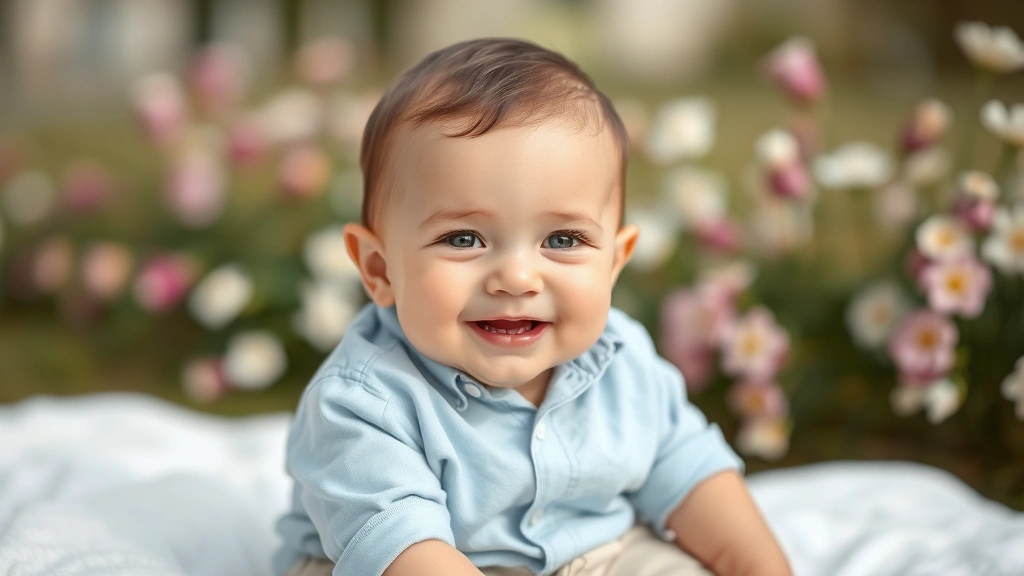
Easter is one of those magical moments when you want your little one to look absolutely adorable—and let’s be honest, when you want some seriously Instagram-worthy photos for the grandparents. But choosing the right baby boy clothes for the occasion can feel overwhelming. Should you go traditional? Modern? Somewhere in between? The good news is that finding the perfect baby boy Easter outfit doesn’t require a fashion degree or an unlimited budget.
The key to nailing this look lies in understanding a few fundamental principles: comfort for your baby, practicality for you, and that special Easter charm that makes the day feel celebratory. Whether your little guy is attending a family brunch, an Easter egg hunt, or a church service, we’ll walk you through everything you need to know to make the right choice.
This guide breaks down the decision-making process into manageable chunks, so you can confidently select an outfit that your baby will actually enjoy wearing—and that you’ll love seeing him in.
Classic Easter Styles for Baby Boys
When it comes to Easter outfits, there’s a reason certain styles have stood the test of time—they work beautifully and photograph like dreams. The classic options offer elegance without requiring you to spend a fortune or hunt through endless racks.
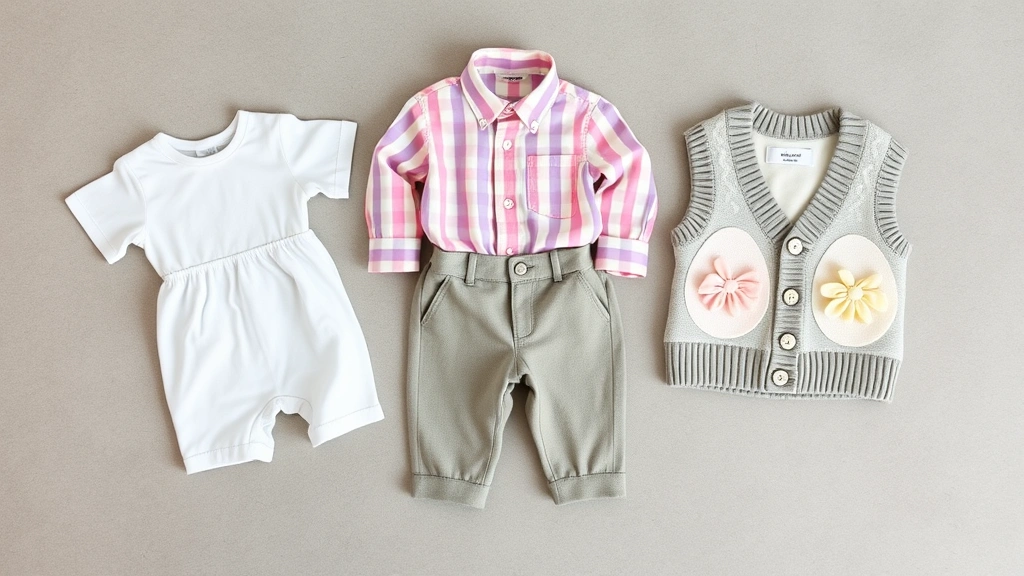
The button-down shirt and dress pants combo remains the gold standard for a reason. A soft pastel or white button-down paired with neutral trousers creates an instantly polished look. This style works whether your baby is three months or three years old, and it’s versatile enough to transition into other occasions throughout the spring. Look for fabrics with a bit of stretch; babies need room to move, and you need to avoid constant outfit adjustments during family photos.
The romper has become increasingly popular for Easter celebrations, and rightfully so. A well-fitted romper in a complementary color combines the formality of traditional dressing with the practicality that parents desperately need. The beauty of rompers is that they photograph beautifully, maintain their shape throughout the day, and eliminate the constant battle with tucked-in shirts or riding-up pants. Many parents find that rompers simplify diaper changes too, depending on the design.
The sweater vest over collared shirt offers a preppy charm that screams Easter without feeling costume-like. This layered approach also provides flexibility if the weather changes—you can remove the vest if your baby gets warm. The combination feels special and intentional while remaining comfortable for active babies.
Don’t overlook the simple dress shirt with suspenders option. Suspenders add visual interest and personality while keeping everything securely in place. This style works particularly well for photos and creates a charming, slightly vintage aesthetic that feels fresh rather than stuffy.
Choosing Your Color Palette
Color selection can make or break an Easter outfit’s overall impact. The challenge is finding hues that feel festive without veering into costume territory, and that complement your baby’s skin tone and hair color.
Soft pastels remain the Easter standard for good reason. Pale blue, mint green, soft yellow, and blush pink all evoke spring and feel appropriately celebratory. These colors photograph beautifully in natural light and work across different skin tones. If you’re concerned about pastels looking too feminine for your baby boy, remember that soft colors can feel masculine when paired with the right silhouettes—structured fabrics, classic cuts, and traditional styling elements all contribute to the overall impression.
Neutral bases with pops of color offer a sophisticated alternative. A cream or light gray outfit with a pastel tie, pocket square, or cardigan provides visual interest while maintaining elegance. This approach feels more timeless and allows you to focus the color story in smaller, impactful ways.
Classic white works beautifully for Easter and pairs well with virtually any accessory choice. A crisp white outfit feels fresh and special while remaining incredibly versatile. The main consideration is practicality—white shows stains more readily, so this works best if you’re doing a quick photo session before heading to a restaurant or event.
Consider seasonal greens and blues that reference spring without being overly pastel. Sage green, seafoam, or dusty blue offer a middle ground between bold and subtle, creating outfits that feel intentional and well-coordinated.
When selecting your color, think about where the photos will be taken. If you’re planning Easter photos outdoors with green grass and blooming flowers as your backdrop, softer colors will pop beautifully. If you’re indoors at a church or restaurant, slightly bolder pastels might photograph more effectively.
Prioritizing Comfort and Fit
Here’s where many well-intentioned parents stumble: they select an outfit that looks perfect but feels terrible to wear. A baby boy who’s uncomfortable will communicate that through fussiness, and your beautiful Easter photos will capture a grumpy little guy in an outfit he despises.
Fabric choice matters enormously. Opt for breathable, soft materials that won’t irritate delicate skin. Cotton blends, lightweight linens, and performance fabrics designed for babies offer comfort without requiring constant adjustment. Avoid anything stiff or scratchy, even if it looks fantastic in the store. Your baby will tell you immediately if something doesn’t feel right.
Fit should be true to size or slightly generous. Babies grow rapidly, and tight clothing restricts movement and causes visible discomfort. You want enough room for your baby to sit, crawl, or walk freely depending on their age and mobility level. However, oversized clothing looks sloppy rather than sweet, so aim for a fit that’s comfortable without being baggy.
Seams and tags deserve attention. Check internal seams to ensure they’re smooth and won’t irritate your baby’s skin. Remove any tags or labels before dressing your baby. These small details make the difference between an outfit your baby tolerates and one he actually enjoys wearing.
Consider layering strategically for temperature flexibility. A lightweight cardigan or sweater can be added or removed depending on the venue and weather. This approach means you’re not locked into an outfit choice if conditions change.
Test the outfit before Easter. Dress your baby in the complete ensemble for at least an hour before the actual event. This trial run reveals any comfort issues, fit problems, or unexpected challenges with diaper access or movement. You’ll catch problems when you can still make adjustments rather than discovering them during family photos.
Accessorizing Without Overdoing It
Accessories transform a basic outfit into something special, but the key word here is restraint. A baby boy Easter outfit should feel enhanced by accessories, not buried under them.
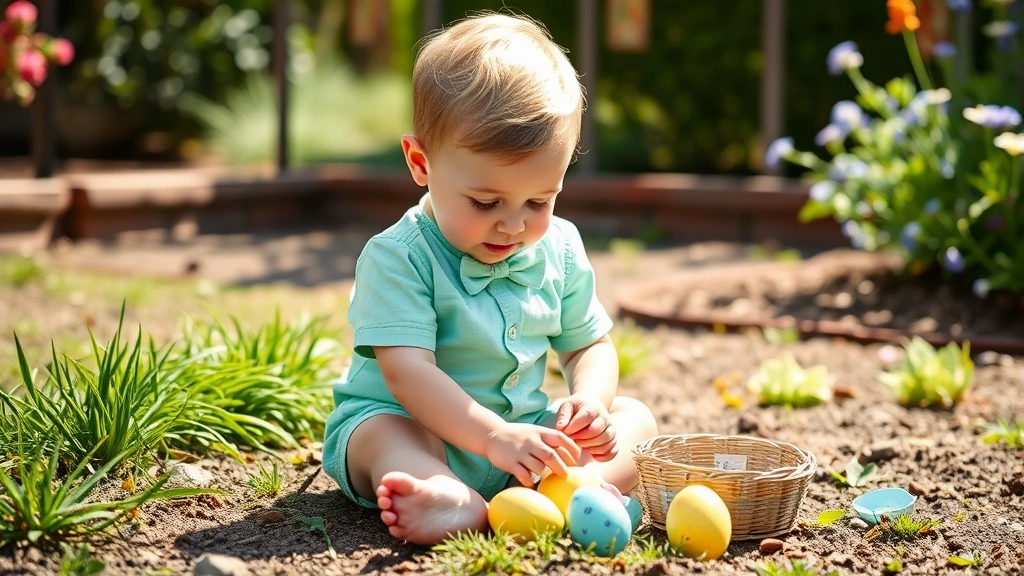
Ties and bow ties add instant polish and personality. For very young babies, clip-on bow ties offer safety advantages over traditional ties. Choose styles in complementary colors or subtle patterns—gingham checks, small polka dots, or delicate stripes all work beautifully. Avoid oversized bows or loud patterns that overwhelm a small frame.
Vests and cardigans serve double duty as both accessories and practical layering pieces. A coordinating vest over a collared shirt creates visual depth and interest. Choose fabrics that coordinate rather than match exactly—a cream vest over a pale blue shirt, for example, creates a more sophisticated look than perfect color matching.
Pocket squares or handkerchief accents add a refined touch without being fussy. These small details photograph beautifully and feel intentional without requiring significant effort.
Hats can work beautifully** if they’re age-appropriate and comfortable. A soft bucket hat in a coordinating color, a lightweight fedora, or a classic flat cap can add charm to outdoor Easter celebrations. The caveat: if your baby hates wearing hats, skip this step. A grumpy baby removing his hat repeatedly creates more stress than the accessory is worth.
When choosing baby boy shoes from quality baby boy shoe options, select styles that complement rather than compete with the outfit. Classic loafers, soft dress shoes, or dressy sneakers all work depending on the formality level. The shoe should feel like the natural conclusion of the outfit rather than an afterthought.
Remember that less is more with baby accessories. One or two well-chosen pieces enhance the outfit; three or four starts to feel costume-like. Choose accessories that coordinate with your color palette and overall style direction.
Finding the Right Footwear
Baby shoes serve a unique purpose—they need to look good for photos and special occasions while remaining practical enough for actual wear. For Easter specifically, you want footwear that feels festive without being impractical.
Soft-soled shoes remain the best choice for babies who aren’t yet walking or are just beginning to walk. These shoes offer minimal support while protecting tiny feet from rough surfaces. Many come in colors and styles appropriate for Easter celebrations.
Mary Jane style shoes offer a classic, slightly dressy look that photographs beautifully. The strap detail prevents shoes from slipping off, which is crucial when you’re dealing with a wiggly baby. Available in numerous colors and finishes, Mary Janes work across multiple style directions.
Dressy sneakers have become increasingly acceptable for special occasions. High-quality white or neutral sneakers paired with an Easter outfit create an interesting contrast that feels modern and intentional. This option works particularly well if comfort is your priority and you want your baby to actually enjoy the day.
Loafers and slip-ons offer a preppy, polished aesthetic. These work well for older babies and toddlers who can keep shoes on reliably. The structured appearance makes them feel appropriately dressy for Easter celebrations.
When selecting shoes, prioritize fit and comfort above all else. Shoes that hurt or don’t fit properly will make your baby miserable. You’ll spend the entire event dealing with removed shoes rather than enjoying the celebration.
Consider having backup shoe options available. If your baby absolutely refuses to wear the planned shoes, having an alternative ready prevents a meltdown. A simple pair of soft shoes in a neutral color works as an excellent backup.
Practical Tips for All-Day Wear
An Easter outfit needs to survive the entire day—from early morning through family photos, brunch or church, and potentially an Easter egg hunt. This reality changes how you approach outfit selection.
Choose machine-washable fabrics whenever possible. Babies are messy, and Easter outfits are often worn while eating, playing, and exploring. Knowing you can throw the outfit in the washing machine afterward eliminates the stress of accidental stains or spills.
Plan for diaper changes strategically. Rompers with snap closures at the crotch simplify changes without requiring you to completely undress your baby. If you choose traditional pants, ensure the waistband isn’t so tight that diaper changes become frustrating. You’ll be changing diapers multiple times throughout the day, so this consideration matters.
Bring a backup outfit in your diaper bag. A complete outfit in your baby’s size ensures you have options if the primary outfit becomes soiled or uncomfortable. This backup doesn’t need to be fancy—a simple outfit that coordinates with your Easter plans works perfectly.
Time outfit changes strategically. If possible, dress your baby in the Easter outfit shortly before you plan to take photos rather than hours in advance. This approach minimizes the time your baby spends in an outfit that might feel restrictive or uncomfortable.
Consider your own outfit coordination. While the focus is on your baby’s Easter look, coordinating your outfit creates more cohesive family photos. This doesn’t mean matching exactly—it means choosing colors and styles that complement rather than clash with your baby’s outfit.
For families planning baby boy shower ideas that might include Easter timing, these same principles apply to creating a coordinated, comfortable look.
Test all systems before Easter. If you’ve chosen an outfit with snaps, zippers, or unusual closures, practice using them beforehand. Make sure diaper changes work smoothly and that your baby can move comfortably. This preparation prevents frustration on the actual day.
Think about temperature regulation for the entire day. An outfit that feels perfect indoors might be too warm for outdoor egg hunts. Plan layering options that allow you to adjust your baby’s comfort level as conditions change.
According to the American Academy of Pediatrics, dressing babies appropriately for weather conditions prevents overheating and discomfort. This principle applies to special occasion outfits too—prioritize your baby’s comfort over aesthetic perfection.
Frequently Asked Questions
What’s the best baby boy Easter outfit for a newborn?
For newborns, prioritize comfort and practicality above all else. A soft button-down shirt in a pastel color paired with simple pants or a romper works beautifully. Newborns can’t regulate their temperature effectively, so avoid anything too warm or restrictive. Consider a lightweight sweater or cardigan for layering. Photography-wise, newborns photograph beautifully in simple, soft-colored outfits without lots of fussy accessories.
How do I choose between a romper and traditional pants for Easter?
Rompers offer convenience for diaper changes and create a polished look with minimal effort. Traditional pants with a button-down shirt provide more styling flexibility and allow for easier temperature adjustment through layering. Consider your baby’s age, mobility level, and your personal style preference. Both options work beautifully for Easter when chosen in appropriate colors and quality fabrics.
Should I buy Easter outfits new or can I rent them?
This depends on your budget and how you feel about reusing outfits. New outfits offer the advantage of perfect fit and guaranteed cleanliness, though they represent a larger investment. Rental services provide variety and cost savings but require careful sizing to ensure proper fit. Many parents appreciate having new outfits they can keep for future children or special occasions. Quality pieces in classic styles offer better long-term value than trendy items you’ll only wear once.
What if my baby refuses to wear the Easter outfit I chose?
This happens more often than parents expect. Have a backup outfit available in case your first choice doesn’t work out. Sometimes changing a single element—swapping the tie, removing the vest, or switching shoes—makes an outfit feel comfortable and acceptable to your baby. If your baby is genuinely distressed, it’s better to pivot to an alternative plan than force an outfit that creates misery. Your baby’s comfort matters more than the perfect aesthetic.
How can I make an affordable Easter outfit look expensive?
Quality fabrics, proper fit, and thoughtful accessorizing make affordable outfits look polished and intentional. Focus on classic styles rather than trendy pieces. Choose neutral base colors with coordinating accessories. Ensure everything is clean, wrinkle-free, and fits properly. A well-fitted affordable outfit outshines an expensive outfit that doesn’t fit well. The details matter—ensure seams are neat, tags are removed, and accessories complement rather than overwhelm.
What colors work best for Easter photos?
Soft pastels photograph beautifully in natural light and work across different skin tones. Pale blue, mint green, soft yellow, and blush pink all feel appropriately festive. White or cream work well if you’re concerned about pastels feeling too feminine. Consider your photo background when selecting colors—softer tones pop against green grass and spring flowers, while slightly bolder colors photograph better indoors. Test your outfit choice in the actual location where photos will be taken if possible.
Should the baby boy Easter outfit coordinate with siblings’ outfits?
Coordination can create lovely family photos, but forced matching often results in uncomfortable, ill-fitting outfits. Instead of identical looks, choose complementary colors and similar style levels across siblings. For example, all children in soft pastels with classic silhouettes creates cohesion without requiring exact matches. This approach allows each child to wear something that fits properly and feels comfortable while maintaining visual harmony in family photos.
Resources like Parents Magazine and the CDC offer additional guidance on dressing babies for different occasions and weather conditions.