Choosing Baby Boy Shoes: Expert Guide to Finding the Perfect Fit
There’s something undeniably sweet about tiny baby shoes—those miniature replicas of adult footwear that make parents simultaneously want to squeeze their cheeks and empty their wallets. But here’s the thing: selecting baby boy shoes isn’t just about finding the cutest pair that matches his nursery aesthetic. It’s actually a surprisingly nuanced decision that impacts your little one’s foot development, comfort, and safety during those crucial early years.
New parents often feel overwhelmed by the sheer volume of options available. Should you go barefoot? Buy those trendy designer sneakers? What about seasonal considerations? And honestly, does a six-month-old really need shoes at all? These are legitimate questions that deserve thoughtful answers, not just marketing hype from retailers trying to convince you that your baby needs seventeen pairs before he can even walk.
This guide breaks down everything you need to know about choosing baby boy shoes—from understanding foot development and sizing correctly to navigating material choices and knowing when shoes are actually necessary. By the end, you’ll feel confident making decisions that prioritize your son’s comfort and development over what looks good on Instagram.
Understanding Baby Foot Development
Before you even think about shoe shopping, it’s worth understanding what’s happening inside those tiny feet. Newborn and infant feet are fundamentally different from adult feet—they’re softer, more flexible, and still developing their bone structure. According to the American Academy of Pediatrics, babies are born with approximately 26 bones in each foot, but many of these are still cartilage rather than bone. This cartilage gradually hardens into bone throughout childhood, a process that continues well into the teenage years.
The flexibility of baby feet is actually a feature, not a bug. Those squishy, bendable feet allow babies to explore their environment safely and develop the muscle strength needed for crawling and eventually walking. Restricting this movement with poorly chosen footwear can actually hinder development rather than support it.
Around 12-15 months, most babies take their first wobbly steps. This is when proper shoe selection becomes more relevant, though many experts suggest letting babies walk barefoot indoors whenever possible. The sensory feedback from direct ground contact helps them develop balance and coordination more effectively than cushioned shoes do.
When Baby Boy Shoes Are Actually Necessary
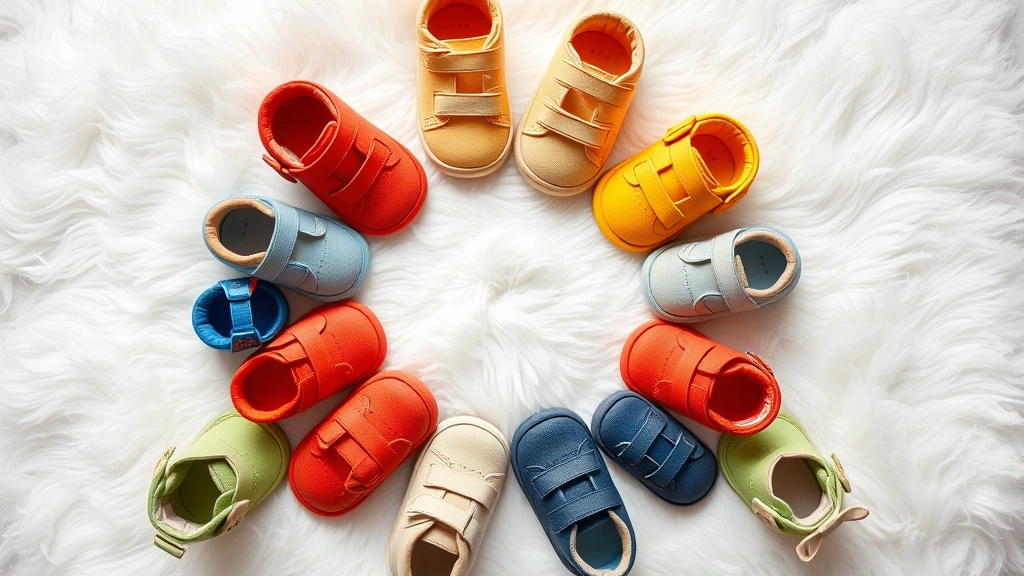
Let’s be honest: newborns don’t need shoes. They’re not going anywhere, and those adorable booties serve more of a decorative purpose than a functional one. However, there are specific situations where shoes become practical rather than purely aesthetic.
Outdoor protection: Once your baby is mobile and spending time outside, shoes protect against rough surfaces, sharp objects, and temperature extremes. Whether you’re at the park or walking around the neighborhood, shoes provide a barrier between tiny feet and the elements.
Temperature regulation: Babies lose heat through their extremities, so appropriate footwear helps maintain body temperature in cold weather. This is where coordinating with baby socks becomes important for layering warmth.
Social settings: Some daycare facilities, family events, or formal occasions call for shoes. While your baby won’t care about dress codes, having appropriate footwear on hand prevents unnecessary stress when you need it.
Crawling protection: As babies become mobile crawlers, shoes can protect against splinters, rough carpeting, and cold tile floors. Many parents find this particularly useful during the transition between crawling and walking.
The key insight here is that necessity varies by individual circumstance. A baby who spends most time indoors needs shoes less frequently than one who’s regularly outdoors. This is where parental judgment based on your specific lifestyle comes into play.
Getting the Sizing Right
Proper sizing is non-negotiable when it comes to baby shoes. Too-tight shoes can restrict growth, cause discomfort, and potentially affect foot development. Too-loose shoes create tripping hazards and fall risks for wobbly walkers. This is actually trickier than it sounds because babies’ feet grow remarkably fast—often requiring new sizes every two to three months during the first year.
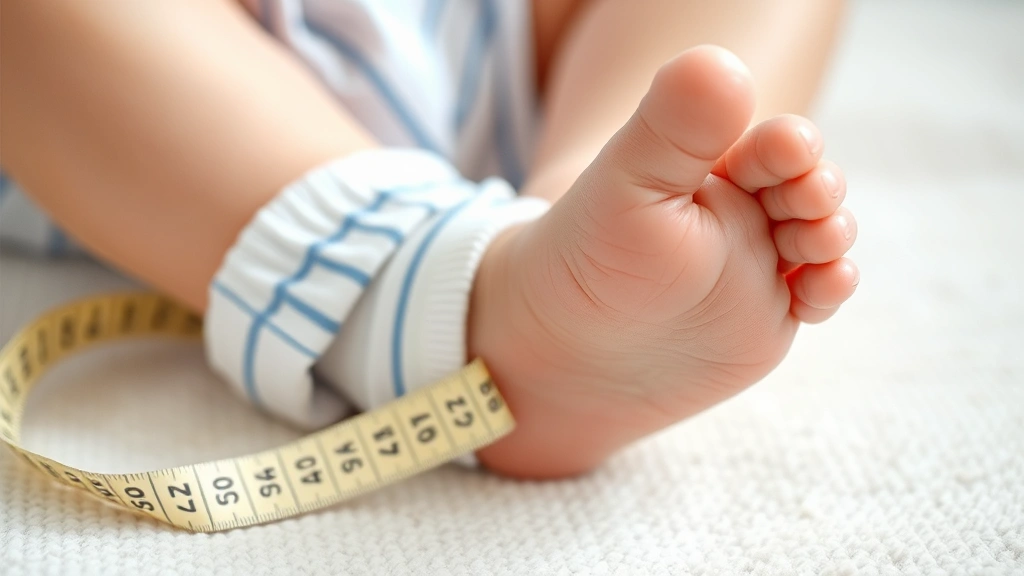
Measuring technique: Have your baby’s feet professionally measured at a shoe store if possible. The staff uses specialized tools that account for the full length and width of the foot. If measuring at home, trace your baby’s foot on paper and measure from heel to longest toe. Always measure both feet, as they’re often slightly different sizes.
The thumb test: Once shoes are on, you should be able to fit your thumb between the heel and the back of the shoe. For the toe area, there should be approximately a quarter-inch of space beyond the longest toe. This allows for growth and movement without being excessively loose.
Growth room consideration: Babies’ feet grow quickly, but don’t buy shoes that are dramatically oversized. A half-size larger than current measurements is reasonable; a full size larger creates safety issues and wastes money on shoes your baby will quickly outgrow.
Seasonal sizing: Remember that winter baby boots or thicker seasonal footwear might require a slightly larger size than summer shoes. This is worth considering when shopping for cold-weather options.
Material Matters: What to Look For
Not all baby shoe materials are created equal. The right material supports foot health, durability, and comfort. Here’s what matters:
Leather and suede: Natural materials like leather and suede are breathable, flexible, and mold to your baby’s foot shape over time. They’re excellent for developing feet because they allow natural movement and temperature regulation. Quality leather shoes tend to be pricier but often justify the investment through durability.
Canvas: Lightweight and breathable, canvas is an affordable option that works well for mild weather and indoor use. It’s less durable than leather but perfectly adequate for shoes your baby will outgrow in a few months anyway.
Synthetic materials: Modern synthetic fabrics have improved significantly, and many are actually quite breathable. They’re often easier to clean and more affordable, making them practical for active babies who get their shoes dirty regularly.
Sole construction: Look for flexible soles that bend naturally with your baby’s foot rather than stiff, inflexible bottoms. The sole should allow your baby to feel the ground beneath them, supporting natural gait development. Rubber soles provide better traction than plastic, reducing slip risks on smooth surfaces.
Insole quality: Cushioning matters for comfort, but excessive padding can actually interfere with proprioceptive feedback—your baby’s sense of where their feet are in space. Moderate cushioning that still allows ground contact is ideal.
Avoid materials that trap moisture, as this creates an environment for fungal growth and diaper rash-related foot issues. Look for breathable options that keep tiny feet dry throughout the day.
Style Categories and Their Purpose
Baby boy shoes come in several distinct categories, each serving different purposes. Understanding these categories helps you make appropriate choices for various situations.
Soft-soled shoes: These are ideal for pre-walkers and early walkers because the flexible sole allows natural foot movement and ground feedback. They’re perfect for indoor use and provide just enough protection without restricting development. Soft-soled shoes pair well with coordinated baby boy outfits for photos without sacrificing foot health.
Hard-soled shoes: Once your baby is a confident walker, hard-soled shoes provide better durability and traction for outdoor play. They’re more resistant to wear and offer more foot support during active exploration.
Sandals: Summer sandals with secure straps keep feet cool while providing protection. Avoid flip-flops and loose sandals that can fall off easily. Adjustable straps ensure a secure fit as your baby grows.
Boots: Winter boots insulate against cold while protecting against snow and ice. Look for waterproof options with good traction. Ensure they’re not so heavily insulated that your baby’s feet overheat indoors.
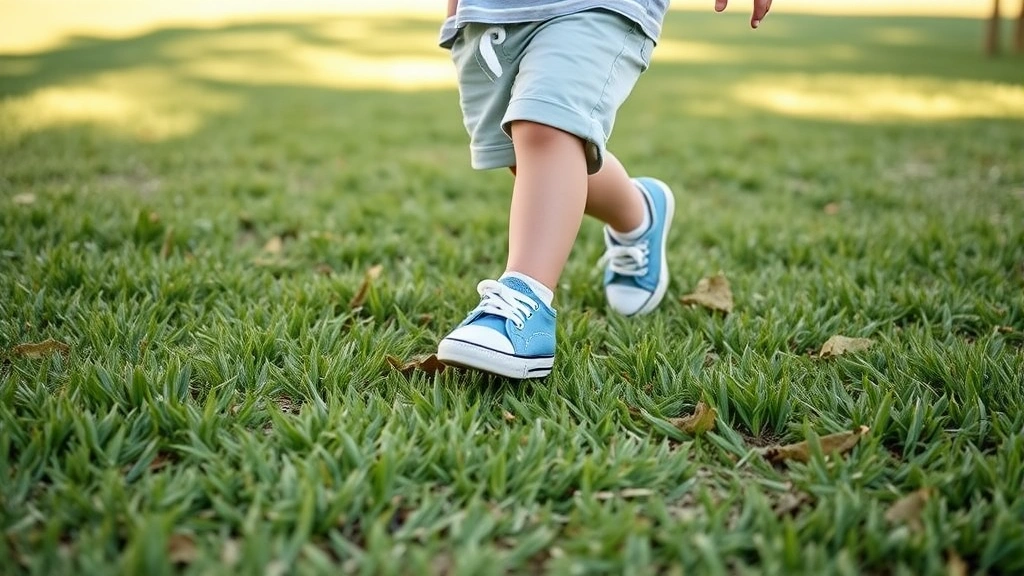
Sneakers: Casual sneakers work for various situations and offer a good balance of support and flexibility. They’re practical for active toddlers and work well for most daily activities.
Dress shoes: These are optional but nice to have for special occasions. Choose something comfortable over something that looks impressive, since your baby will spend minimal time in formal settings.
Seasonal Considerations
Different seasons present different challenges for baby footwear. Thinking ahead about seasonal needs helps you shop strategically and avoid last-minute purchases at inflated prices.
Spring and summer: Lightweight, breathable shoes are essential during warm months. Canvas sneakers, soft sandals, and minimal designs work well. Ensure adequate ventilation to prevent sweaty feet and related issues. Light colors reflect heat and help keep tiny feet cooler.
Fall and winter: Insulation becomes important, but avoid excessive bulk that makes movement difficult. Waterproof materials protect against wet conditions. Look for boots with good traction, as slippery surfaces pose particular risks for babies still developing balance. Pairing winter boots with appropriate socks creates proper layering for temperature regulation.
Rainy season: Waterproof shoes or boots prevent wet feet and associated discomfort. Water-resistant materials dry quickly, which matters when your baby’s daily adventures involve puddle exploration.
Transitional seasons: Spring and fall can be tricky with variable temperatures. Having both lighter and warmer options on hand allows you to respond to daily temperature fluctuations without needing extensive seasonal shoe collections.
Budget-Friendly Shopping Strategies
Baby shoes can become expensive when you factor in rapid growth cycles and the need for multiple styles. Smart shopping strategies help you maintain quality standards without financial strain.
Buy fewer, higher-quality pairs: One pair of well-made shoes outlasts three pairs of cheap alternatives. Investing in quality materials and construction actually saves money long-term through durability.
Shop outlet stores: Outlet locations for quality shoe brands offer significant discounts on previous seasons’ styles. Your baby won’t care about trend cycles, so last season’s shoes work perfectly.
Check consignment shops: Gently used baby shoes are abundant in consignment stores since babies wear them briefly before outgrowing them. This is an excellent way to access quality brands at fraction-of-retail prices.
Take advantage of sales cycles: Buy seasonal shoes at end-of-season clearance sales. Purchasing winter boots in February and summer sandals in August allows you to stock up for next year at significant discounts.
Explore free and discounted options: Check out free baby stuff resources and community groups where parents exchange outgrown items. Many families happily pass along barely-worn shoes.
Use reward programs: Department stores and specialty retailers offer loyalty programs with points accumulation. These programs help offset shoe purchasing costs over time.
Consider shoe subscriptions: Some services offer rotating shoe sizes for a monthly fee, perfect for babies who outgrow shoes every few months. Calculate whether this works better than traditional purchasing for your situation.
Remember that expensive doesn’t always mean better for baby shoes. Focus on fit, materials, and durability rather than brand prestige. Your baby cares about comfort, not labels.
Frequently Asked Questions
At what age should babies start wearing shoes?
Babies don’t need shoes until they’re spending significant time outdoors or crawling on rough surfaces. Many experts recommend barefoot development for pre-walkers and early walkers indoors. Once your baby is confidently walking and spending time outside, shoes become more practical. This typically occurs somewhere between 12-18 months, though individual timelines vary.
How often do I need to buy new shoes?
Baby feet grow rapidly, often requiring new shoe sizes every 2-3 months during the first year, then roughly every 3-4 months during the toddler years. Check fit monthly by using the thumb test. When your baby shows signs of outgrowing current shoes—resistance to wearing them, complaints of discomfort, or visible crowding of toes—it’s time to size up.
Are expensive baby brands worth the investment?
Not necessarily. While some premium brands offer excellent quality, many mid-range and even budget options provide adequate support and durability. What matters is proper fit, appropriate materials, and flexibility rather than brand name. Your baby will outgrow shoes regardless of how much you spend, so focus on value rather than prestige.
Should I buy shoes in advance for growth?
Avoid buying significantly larger shoes in advance. While a half-size larger is reasonable, excessively oversized shoes create tripping hazards and safety concerns. Additionally, shoe materials break down over time, so storing shoes for future use isn’t ideal. Buy shoes as needed based on current measurements.
How do I know if shoes are causing problems?
Watch for signs of discomfort including resistance to wearing shoes, excessive fussiness when shoes are on, red marks or indentations on feet after shoe removal, or unusual walking patterns. Blisters, calluses, or skin irritation also indicate fit issues. If problems persist after adjusting fit, consult your pediatrician to rule out underlying concerns.
Can my baby wear hand-me-down shoes?
Used shoes from siblings or friends can work if they’re in good condition and fit properly. However, heavily worn shoes may have compressed insoles or damaged support structures that don’t provide adequate cushioning. Check the sole for wear patterns that indicate the previous wearer had a different gait, as this can affect fit for your baby. When in doubt, investing in new shoes ensures proper support.
What’s the best first shoe for a walker?
Soft-soled shoes with flexible soles work best for new walkers because they allow natural movement and ground feedback essential for developing balance and coordination. Look for secure closures (velcro or laces, not slip-ons), adequate toe space, and breathable materials. Avoid rigid, heavily cushioned shoes that restrict the natural movement babies need to develop proper gait patterns.