Top Baby Boy Clothes Trends: Fashion Experts Weigh In
Dressing your baby boy in stylish, comfortable clothing is one of the joys of early parenthood. From classic designs to contemporary cuts, baby boys’ fashion has evolved dramatically in recent years, offering parents more choices than ever before. Whether you’re shopping for everyday wear, special occasions, or seasonal updates, understanding current trends helps you make informed decisions that balance style, comfort, and practicality.
Fashion experts and pediatric style consultants agree that the best baby boy clothes combine aesthetic appeal with functional design. Modern parents increasingly seek pieces that work across multiple outfits, transition between seasons, and accommodate rapid growth spurts. This comprehensive guide explores the trending styles, expert recommendations, and practical considerations that will help you build a versatile wardrobe for your little one.
Table of Contents
- Trending Color Palettes for Baby Boys
- Fabric Choices and Comfort Standards
- Modern Styling Trends and Silhouettes
- Occasion-Specific Clothing Solutions
- Seasonal Dressing Strategies
- Practical Tips for Smart Shopping
- Frequently Asked Questions
Trending Color Palettes for Baby Boys
Gone are the days when baby boy fashion was limited to navy blue and primary colors. Today’s baby boys clothes feature an expansive range of sophisticated hues that reflect contemporary design trends. Fashion experts highlight several color directions gaining momentum in 2024 and beyond.
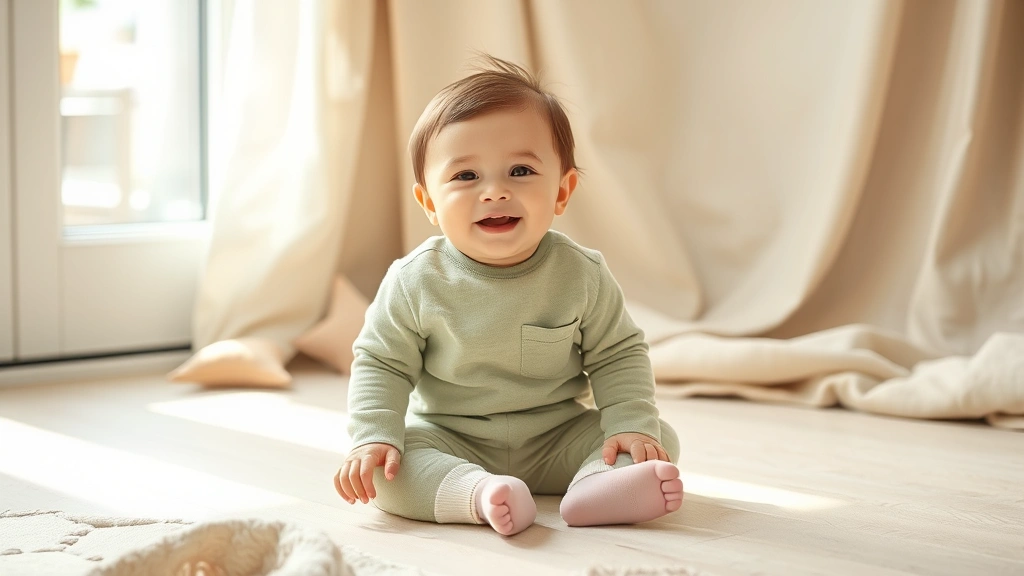
Soft, Muted Tones dominate the current landscape. Sage green, dusty blue, warm beige, and soft gray create a calming aesthetic that appeals to modern parents seeking understated elegance. These colors work beautifully in layered outfits and photograph well, making them popular choices for parents who document their child’s milestones. The versatility of muted tones means pieces easily coordinate with existing wardrobe items.
Warm Neutrals and Earth Tones continue gaining popularity as parents embrace sustainable, nature-inspired fashion. Cream, oatmeal, terracotta, and chocolate brown offer timeless appeal while maintaining visual interest. These colors suit all skin tones and work equally well for boys and girls, providing flexibility if you plan to pass clothing down to younger siblings or friends.
Fashion consultants also note a resurgence of Classic Navy and White combinations, but with modern twists. Rather than traditional navy blocks, designers incorporate navy through patterns, stripes, and subtle colorwork. Nautical influences remain popular, particularly for baby boy swimwear and warm-weather collections.
Accent Colors and Patterns add personality without overwhelming. Rust, mustard, sage accents against neutral bases create visual depth. Geometric patterns, subtle prints, and texture variations provide interest while maintaining the sophisticated aesthetic modern parents prefer.

Fabric Choices and Comfort Standards
Pediatricians and child development experts consistently emphasize that fabric quality directly impacts your baby’s comfort and skin health. The best baby boy clothes prioritize breathability, softness, and durability while considering your child’s developmental needs.
Organic Cotton remains the gold standard for baby clothing. Certified organic cotton eliminates pesticide residues and harsh chemicals, reducing the risk of skin irritation. This natural fiber breathes well, regulates temperature effectively, and softens with each wash. Fashion-forward brands now offer organic cotton in contemporary styles, proving that sustainability and style aren’t mutually exclusive.
Cotton Blends and Performance Fabrics have gained traction among busy parents. Cotton-modal blends offer superior softness and drape, creating more sophisticated silhouettes. These fabrics resist wrinkles better than pure cotton, reducing laundry demands. Some brands incorporate moisture-wicking technology, beneficial for active toddlers and those prone to sweating.
Bamboo Viscose provides another eco-conscious option. This fabric offers exceptional softness, natural temperature regulation, and hypoallergenic properties. It’s particularly suitable for sensitive skin and works beautifully for baby boy christening outfits and special occasion wear.
Experts recommend avoiding synthetic materials like polyester for everyday wear, as these trap heat and moisture. However, small percentages of synthetic fibers add durability and reduce wrinkling, making modest blends practical for busy households. Always check care labels and wash new items before first wear to remove manufacturing residues.
Modern Styling Trends and Silhouettes
Contemporary baby boy fashion embraces several defining silhouettes that balance adorability with practicality. Understanding these trends helps you curate a cohesive wardrobe that works across multiple combinations.
Relaxed, Oversized Fits represent a significant departure from the snug cuts of previous decades. Modern designers create pieces with generous proportions that accommodate growth, allow comfortable movement, and project a contemporary aesthetic. This approach means clothing lasts longer through size transitions and works better for active play.
Vintage-Inspired Details add character without sacrificing comfort. Raglan sleeves, generous collars, patch pockets, and button-front closures reference classic menswear while maintaining modern sensibilities. These details create visual interest and provide functional benefits—pockets offer practical storage, while button closures allow easy dressing and diaper changes.
Layering Pieces dominate styling approaches. Lightweight cardigans, overshirts, and vests create dimension and extend seasonal versatility. These layers work beautifully for modern parenting approaches that value functional fashion supporting active childcare routines.
Texture Play and Knit Details add sophistication. Cable knits, waffle weaves, and subtle texture combinations elevate simple silhouettes. These details catch light beautifully in photographs and create visual interest without relying on busy patterns.
The Coordinated Set Trend continues gaining momentum. Matching separates—coordinated shirts and pants in complementary colors or patterns—simplify morning dressing while ensuring polished appearances. These sets work particularly well for special occasions and make gift-giving straightforward.

Occasion-Specific Clothing Solutions
Different life events require specific wardrobe solutions. Fashion experts recommend building occasion wear that transitions across multiple events, maximizing your investment.
Christening and Formal Occasions call for special attention. Traditional white or cream pieces remain popular, but contemporary options include soft pastels and sophisticated neutrals. For detailed guidance on formal wear, explore our baby boy christening outfit recommendations, which balance tradition with modern style preferences.
Everyday Basics form your wardrobe foundation. Well-constructed basics in neutral colors create endless combination possibilities. Invest in quality bodysuits, simple t-shirts, and comfortable pants that work across seasons and coordinate easily.
Seasonal Event Wear requires strategic planning. Summer celebrations benefit from lightweight fabrics and breathable designs, while winter events call for layerable pieces and warmer materials. Festive prints and holiday-appropriate colors add seasonal spirit without requiring entirely separate wardrobes.
Active Play Clothing needs reinforced construction and practical design. Durable fabrics, protected seams, and easy-care materials support the demands of growing children. Consider stain-resistant finishes for play clothes that will encounter dirt, grass, and inevitable spills.
Seasonal Dressing Strategies
Effective seasonal dressing balances style with climate-appropriate comfort. Experts recommend building flexible wardrobes that transition smoothly between seasons.
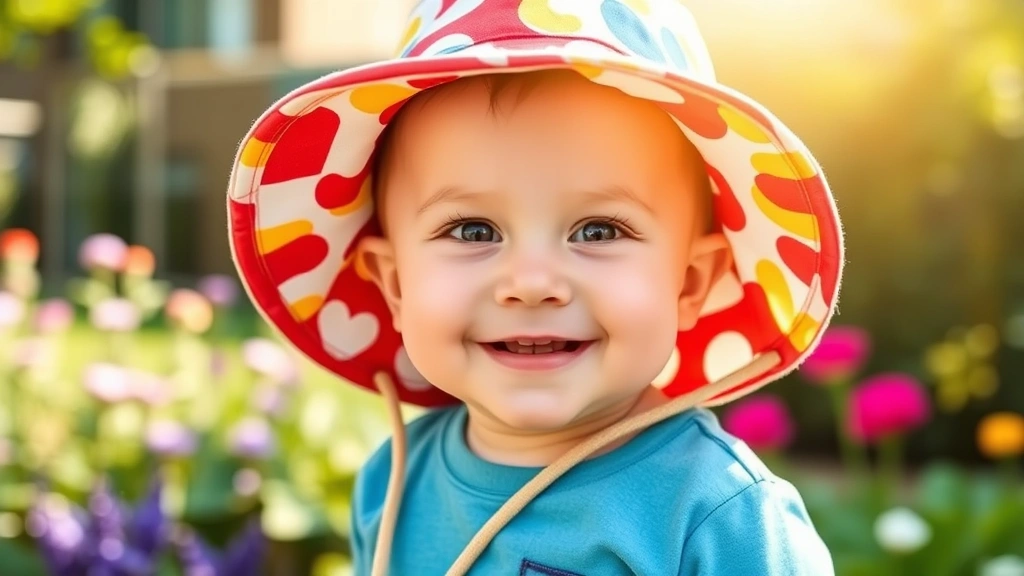
Spring and Summer Approach emphasizes breathability and sun protection. Lightweight fabrics, short sleeves, and moisture-wicking materials keep babies comfortable in warm weather. Consider UV-protective clothing for outdoor activities, which combines sun safety with contemporary styling. Our guide to baby boy swimwear offers comprehensive options for warm-weather water activities.
Fall and Winter Layering allows temperature flexibility. Base layers in thermal fabrics provide warmth without bulk. Lightweight cardigans, sweaters, and jackets add insulation while maintaining mobility. Choose neutral-colored basics that layer easily and extend across multiple seasons.
Transition Seasons benefit from versatile pieces. Long-sleeved basics, lightweight layers, and moisture-wicking fabrics work across temperature fluctuations. These pieces often provide the best value, as they extend wear across spring and fall months.
Climate Considerations matter significantly. Families in warm climates prioritize breathable fabrics and sun protection, while cooler regions require more substantial layering pieces. Choose fabrics and styles appropriate for your specific climate rather than following trends that don’t suit your environment.
Practical Tips for Smart Shopping
Fashion expertise means nothing without practical application. These expert-recommended strategies help you build versatile, stylish wardrobes within realistic budgets.
Prioritize Quality Over Quantity. Well-made pieces in classic styles provide better value than trendy items that quickly feel dated. Inspect seams, check fabric weight, and verify closure durability. Quality basics justify higher price points through extended wear and longevity.
Build Around Neutral Anchors. Start with versatile basics in cream, gray, navy, and soft greens. These pieces coordinate effortlessly and work across seasons. Add personality through accent colors and patterns layered over neutral bases.
Consider Growth Trajectory. Babies grow rapidly, particularly in the first year. Choose styles with slightly generous proportions that accommodate growth without looking oversized. Adjustable waistbands and rolled sleeves extend wear periods.
Invest in Basics, Mix with Trends. Spend more on fundamental pieces—bodysuits, simple pants, neutral cardigans—that will be worn frequently. Use trend-forward pieces strategically for special occasions or seasonal updates without overcommitting budget.
Check Care Requirements. Busy parents benefit from easy-care fabrics. Look for machine-washable items that don’t require special handling. Avoid delicate fabrics that demand hand-washing unless absolutely necessary for special occasion pieces.
For comprehensive parenting guidance that extends beyond fashion, review our essential parenting advice for raising happy and healthy children, which covers numerous aspects of child development and wellness alongside practical parenting strategies.
Return to the Parent Path Daily Blog regularly for updated fashion recommendations, seasonal guides, and expert parenting insights supporting your family’s journey.
Frequently Asked Questions
What fabrics are safest for newborn baby boys?
Organic cotton and bamboo viscose are safest for newborns, as they’re hypoallergenic and free from harsh chemicals. These natural fibers breathe well and reduce skin irritation risk. Always wash new items before first wear and choose garments without decorative elements that could pose choking hazards. For additional safety guidance, consult the American Academy of Pediatrics’ guidance on baby clothing.
How many outfits should I have for my baby boy?
Experts recommend 5-7 complete outfits for newborns, accounting for frequent changes due to spit-up and diaper incidents. As babies grow and change less frequently, 7-10 outfits provide adequate rotation while allowing laundry schedules. Quality matters more than quantity—fewer well-made pieces serve better than numerous lower-quality items.
Are trendy baby boy clothes worth the investment?
Trendy pieces work best as accents rather than wardrobe foundations. Invest heavily in classic basics that remain stylish across years, then add trendy elements strategically. This approach allows fashion expression without excessive spending on items that quickly feel dated.
How do I choose between coordinated sets and separates?
Coordinated sets simplify dressing and ensure polished appearances, making them ideal for special occasions and busy mornings. Separates offer greater flexibility and mix-and-match possibilities, building more versatile wardrobes. Most parents benefit from combining both approaches—sets for occasions, separates for everyday wear.
What should I consider when shopping for baby boy clothes online?
Read detailed size charts carefully, as sizing varies significantly across brands. Check return policies to accommodate sizing uncertainties. Review fabric content and care instructions thoroughly. Look for customer reviews mentioning fit, durability, and fabric quality. Reputable retailers often provide detailed product descriptions and high-quality photography showing garment details.
How can I make baby boy clothes last longer?
Wash in cool water with gentle detergent to prevent fading and fabric damage. Turn items inside-out before washing to protect prints and details. Avoid excessive drying heat, which weakens fibers. Store properly in breathable containers away from direct sunlight. Pass outgrown items to younger siblings or friends rather than discarding, extending their useful life.
Are sustainable baby boy clothes worth the extra cost?
Sustainable options often cost more initially but provide significant long-term value. Organic and eco-friendly fabrics typically last longer, feel softer, and perform better through multiple washes. They’re also safer for sensitive skin and better for the environment. Many parents find the investment justified through extended durability and reduced replacement frequency. Learn more about sustainable parenting practices through our comprehensive parenting blog.
What are the best brands for quality baby boy clothes?
Established brands known for quality construction, sustainable practices, and thoughtful design include those specializing in organic fabrics and ethical manufacturing. Research brands’ certifications, read customer reviews focusing on durability, and compare price-to-quality ratios. Don’t assume expensive automatically means better—focus on construction quality and fabric integrity rather than brand names alone.